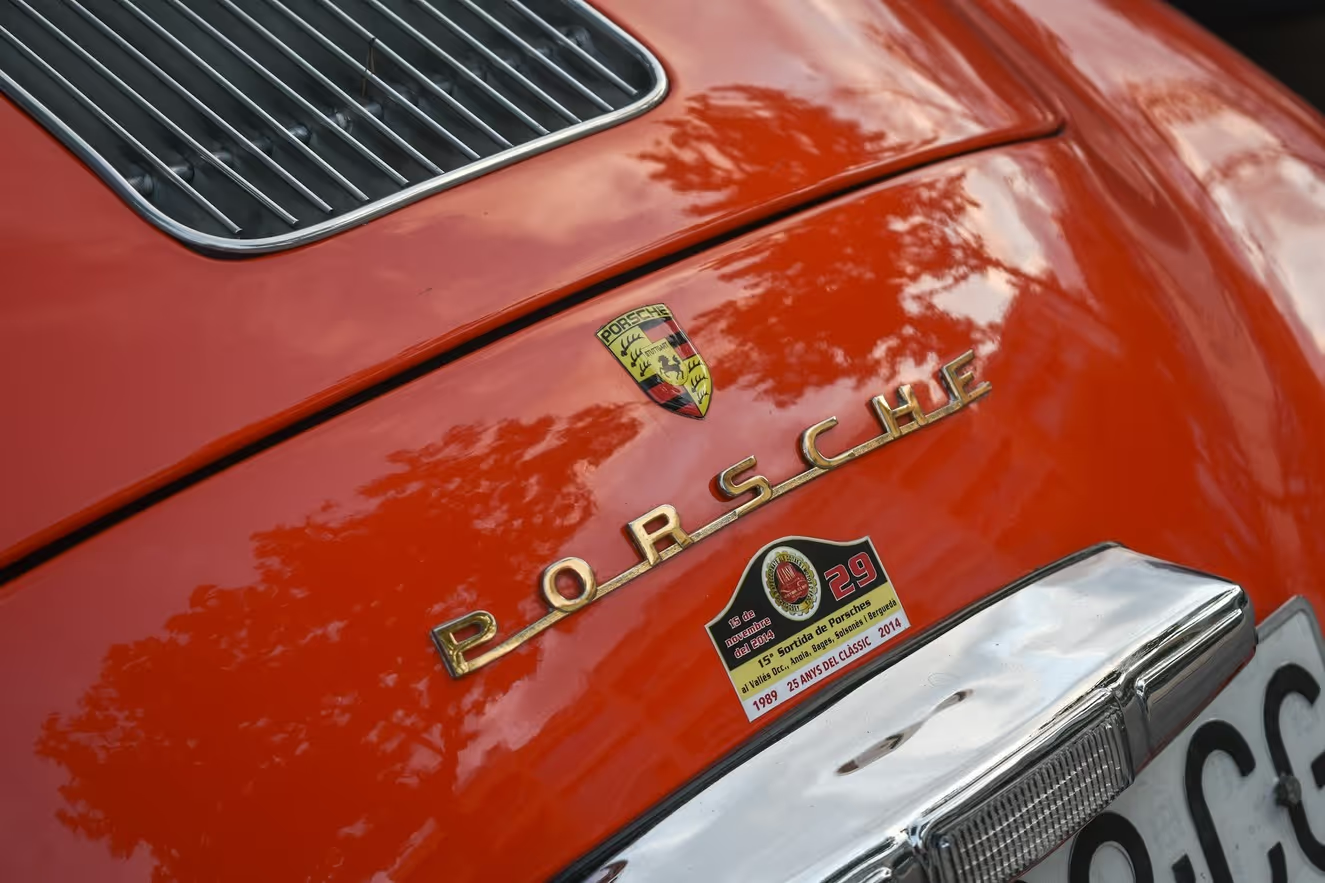
Porsche's marketing strategy in 2026 is built around a simple tension: protect the scarcity, emotion and design codes of an iconic sports-car brand while adapting to new customer expectations, digital experiences and a more complicated transition between combustion, hybrid and electric vehicles. The brand itself dates to 1948, when the Porsche 356 “No. 1” Roadster became the first sports car to carry the Porsche name; Ferdinand Porsche's independent engineering office had been founded earlier, in 1931. Porsche's history makes that distinction clear.
Today the company describes its strategy around desirability, exclusivity, inspiring customer experiences and value-oriented growth. Its own language includes the principle of “always selling one car less than the market demands,” which explains why Porsche marketing rarely behaves like mass-market automotive advertising. (Porsche Investor Relations)
For marketers, the lesson is not to imitate luxury imagery. It is to understand how Porsche aligns product design, community, pricing, distribution and customer experience around one recognisable promise: performance that still feels unmistakably Porsche.
Porsche Marketing Strategy at a Glance
- Positioning: premium sports-car performance combined with heritage, design continuity and controlled exclusivity.
- Audience: customers are segmented less by age than by motivations such as performance, design, status, collecting and daily usability.
- Demand engine: product launches, motorsport, owners, events, social content and press attention reinforce one another.
- Customer experience: dealerships, configurators, events and digital touchpoints are treated as part of the brand, not just distribution.
- 2026 reality: Porsche is preserving EV investment while giving combustion and plug-in hybrid models a longer role as market demand changes.
Porsche's Segmentation and Positioning Strategy
Porsche is not simply selling “a luxury car.” Its strongest segmentation is psychographic. A 911 buyer may prioritise heritage and driving feel, a Cayenne customer may want daily usability and status, while a Taycan or Macan Electric customer may be drawn to performance through a newer technology story. The common thread is that each product has to remain recognisably Porsche.
Geography also changes the message. Charging infrastructure, luxury demand, regulation and competitive pressure differ by market, which is why product emphasis and technology stories cannot be identical everywhere. Porsche's plans for a localized research and development centre in Shanghai illustrate how market-specific product knowledge can shape the ownership experience as well as engineering. (Reuters)
The brand's consistency is held together by repeatable design codes. A strong visual identity makes a 911, a retail environment, a launch film and a digital interface feel connected even when the context changes.
Porsche's Social Media and Community Marketing
Porsche's social content works best when it behaves like a brand world rather than a dealership feed. Heritage, motorsport, engineering details, owner cars, limited editions and driving footage give enthusiasts material they want to share on their own. That turns customers and fans into a distribution layer without making the brand sound promotional in every post.
The strategy is closer to community marketing than constant selling. Owners, clubs, collectors and aspirational fans all create social proof around the brand. The important lesson is that participation works because the underlying product and identity are already distinctive; user-generated content cannot compensate for a weak brand idea.
BMW uses a different version of the same premium-automotive discipline. Brand Vision's BMW marketing strategy analysis is a useful comparison for how another German performance brand balances innovation, global scale and recognisable identity.

Porsche's Marketing Mix: The 4Ps
1. Product
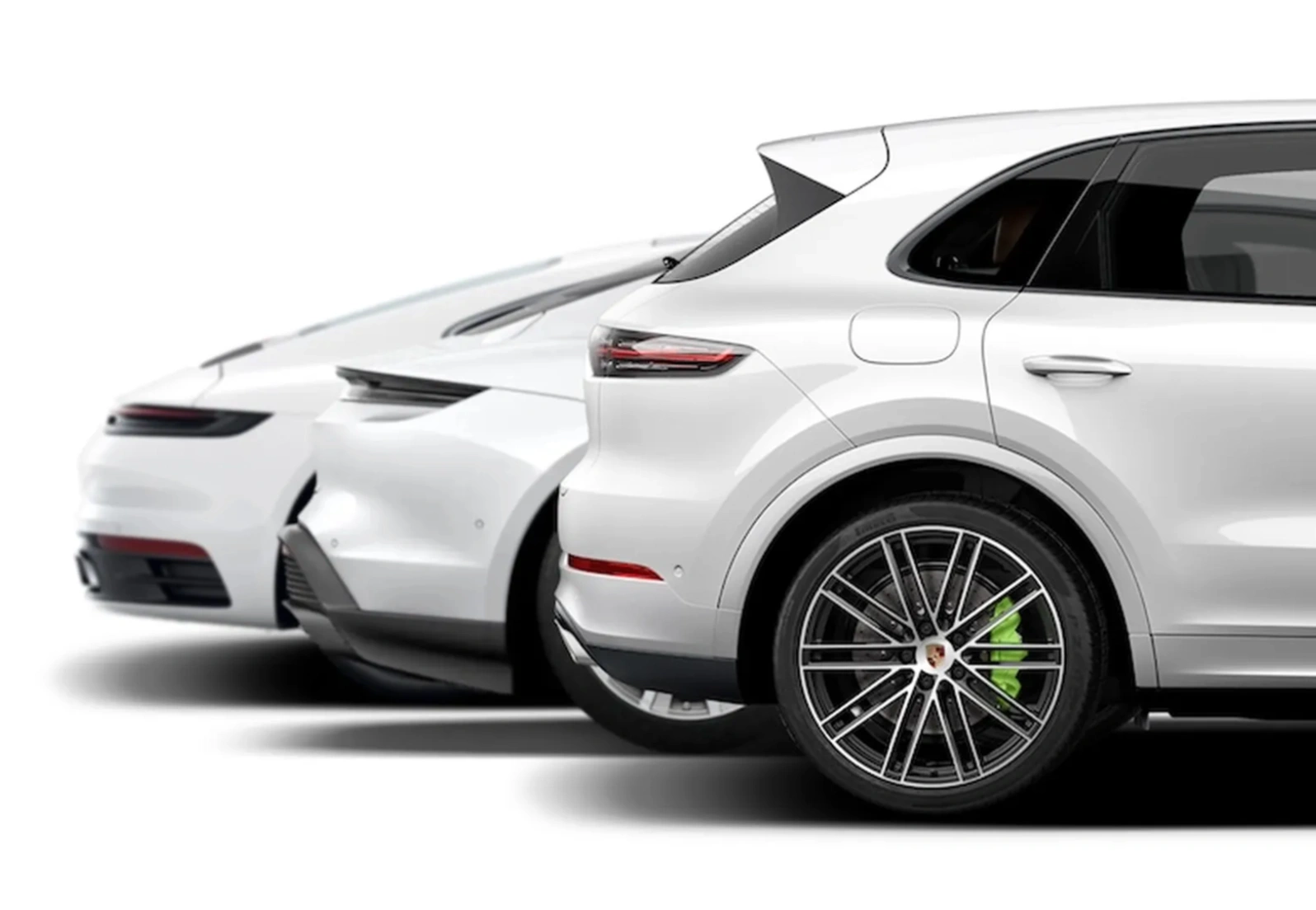
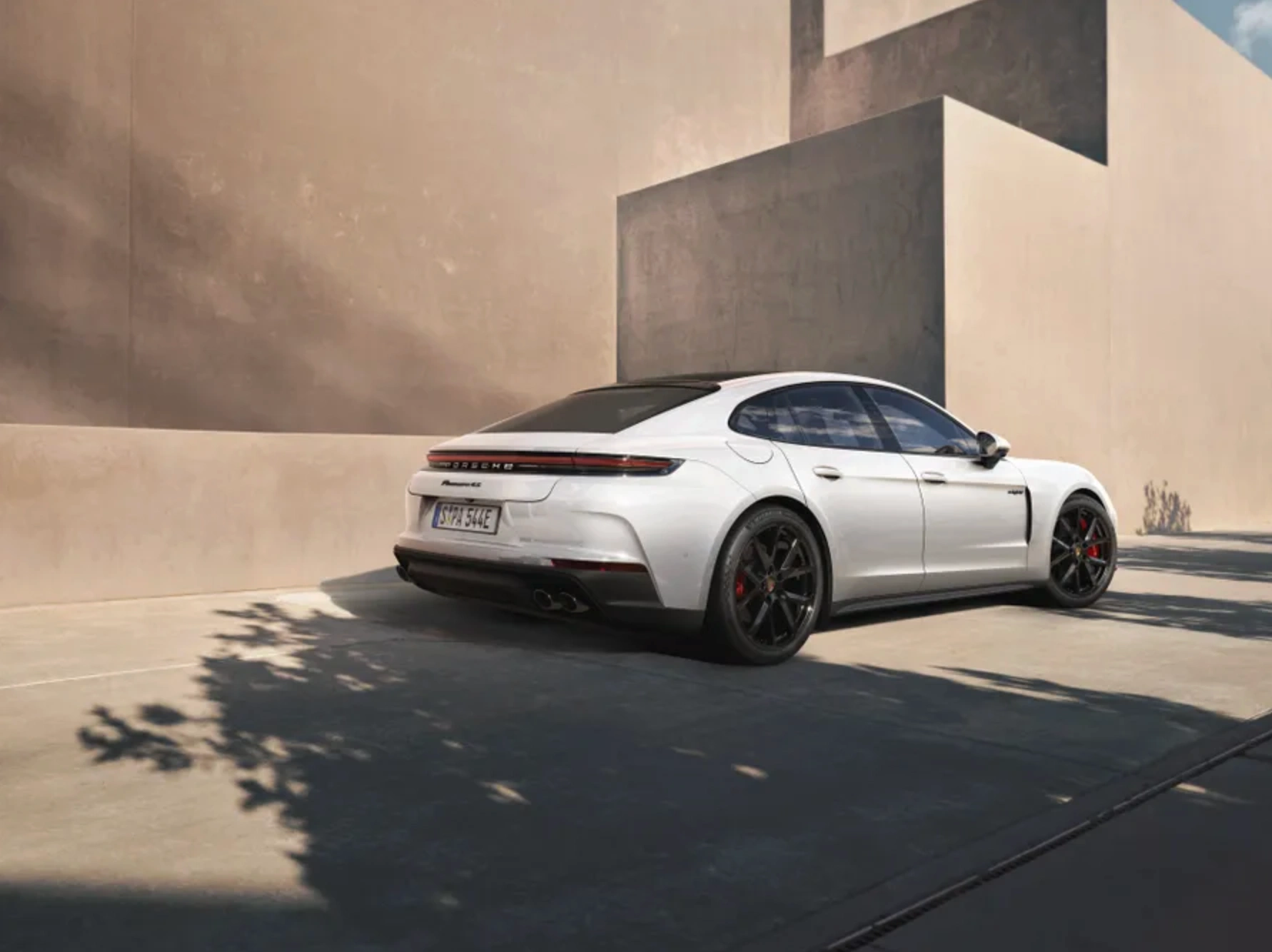
Porsche manages its range like a brand portfolio. The 911 remains the emotional halo, while the Cayenne, Macan, Panamera and Taycan expand use cases without abandoning performance as the organising principle. New electric variants still have to communicate speed, engineering and driver involvement rather than “electric” as a separate identity. The 2026 Macan EV GTS is one example of how Porsche keeps performance language central to the electric range. (Car and Driver)
2. Price
Porsche pricing supports exclusivity rather than volume. Options and personalisation allow buyers to shape identity while keeping the base proposition premium. That fits the company's value-oriented growth approach and its emphasis on desirability instead of maximising unit sales. (Porsche Investor Relations)
3. Promotion
Porsche promotion is usually narrative-led rather than discount-led. Heritage, motorsport, design, innovation and driving emotion provide the recurring themes. In 2025 the company also adjusted its product strategy, extending the role of combustion engines and plug-in hybrids while rescheduling some future EV programmes as market conditions changed. That strategic flexibility has become part of the product story itself. (Porsche Investor Relations)
4. Place
Place includes more than dealerships. Porsche's controlled retail environments, test-drive experiences, events, owner programmes and digital configurators all influence perceived value. The website therefore has to preserve the same sense of clarity and control as the physical experience. Good web design establishes that overall structure, while interaction design becomes especially relevant for complex tools such as vehicle configurators and option selectors.
Porsche's 2026 Strategic Realignment
Porsche entered 2026 in the middle of a major realignment. The company is keeping electric products in the portfolio, but it is no longer assuming that every segment will move to battery-electric vehicles at the same speed. Combustion and plug-in hybrid models are being kept available for longer, while some future EV programmes have been rescheduled. The objective is a more flexible portfolio rather than a single drivetrain bet.
Under CEO Michael Leiters, Porsche described 2026 as a year of making the company “leaner, faster and even more desirable,” while refocusing on the core sports-car business. Porsche's April 2026 update frames the work as a response to changing customer demand and a more difficult market environment.
This matters for marketing because brand credibility depends on matching the promise to what customers can actually buy. Porsche cannot market electrification as inevitable in every segment while simultaneously extending combustion and hybrid programmes. A more credible story is performance first, with multiple technologies serving different customer needs.
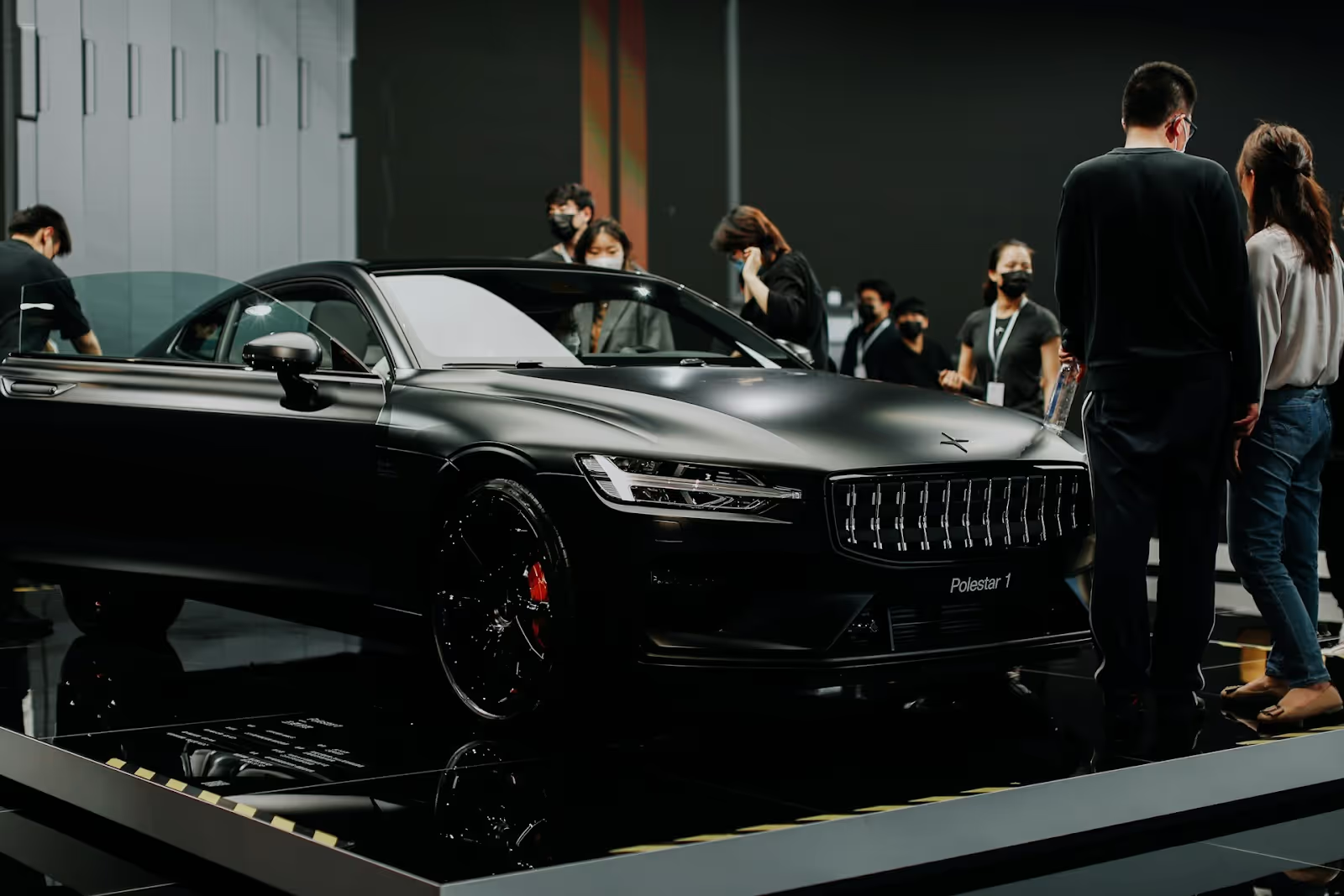
That makes Polestar a useful contrast. Polestar's marketing strategy is built around a more explicitly electric identity, while Porsche is using a mixed-powertrain strategy to protect a broader performance customer base.
Advertising Campaigns That Built Porsche's Brand Narrative
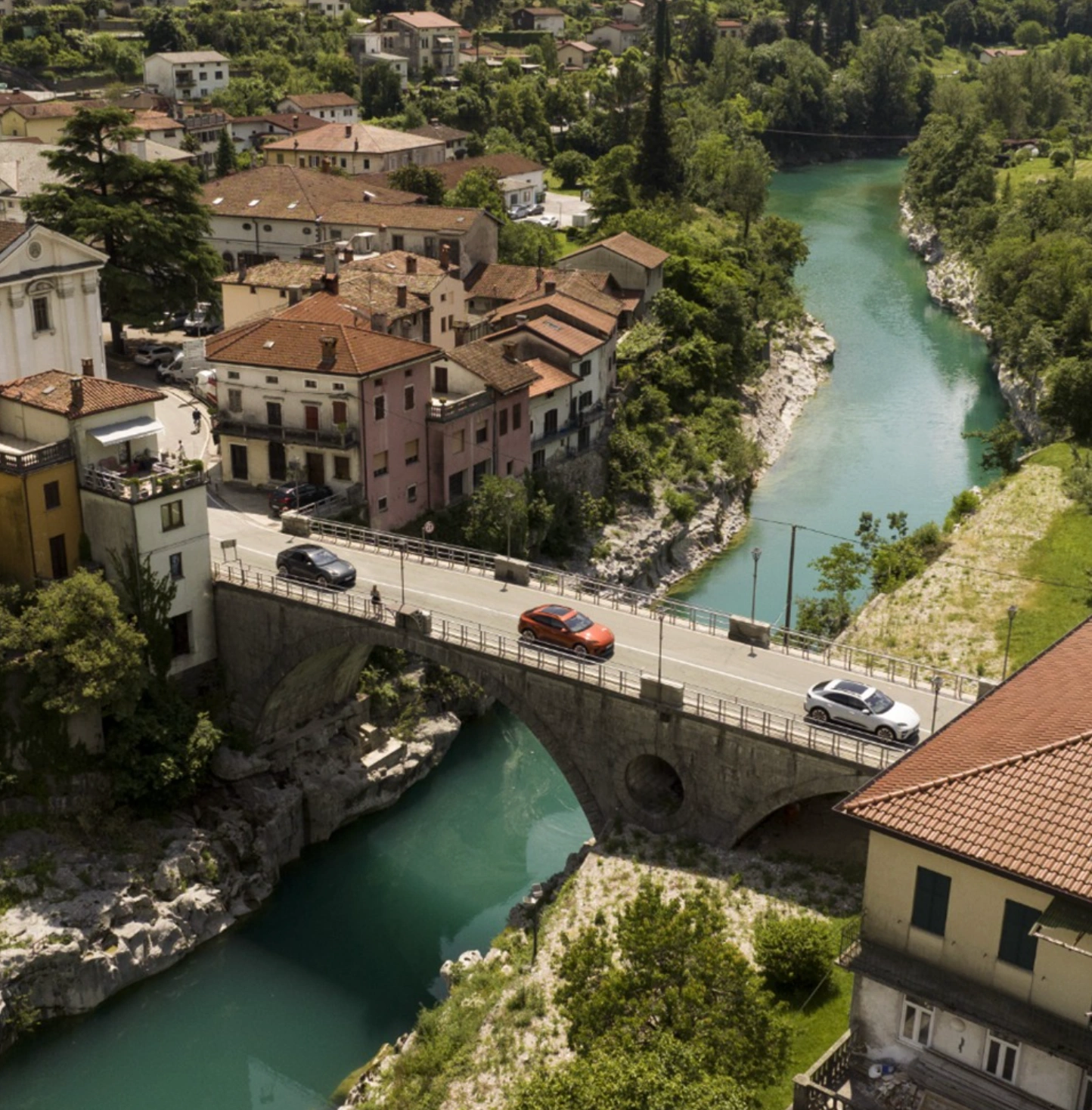
Porsche advertising works when it sells an emotional outcome before a technical specification. Cinematic driving footage, design close-ups, motorsport history and sparse copy turn engineering into a feeling of control, precision and desire. The long-running “There Is No Substitute” idea is powerful because the message only works if product, design and ownership experience keep supporting it.
The company also connects current transformation back to a larger mission. Porsche's Strategy 2030 Plus describes the brand through an iconic identity, sustainable luxury, performance culture and customer experience rather than one temporary campaign theme. (Porsche Newsroom)
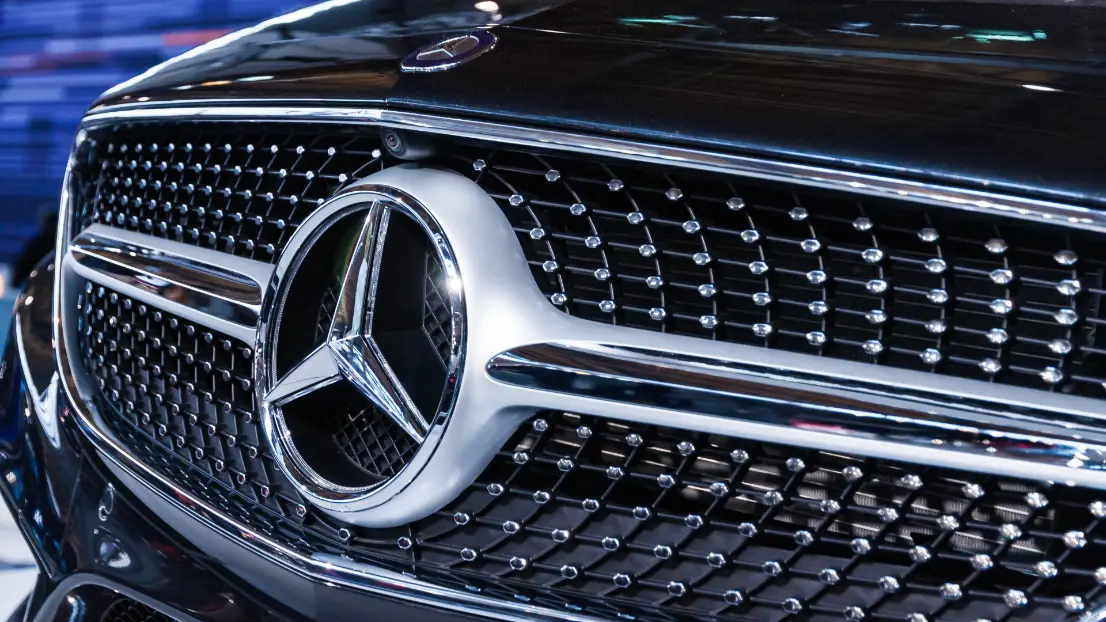
Mercedes-Benz takes another route to premium perception, combining luxury, technology and broad product coverage. Brand Vision's Mercedes-Benz marketing strategy analysis provides a useful comparison for how different luxury automotive brands protect status while modernising their product story.
Porsche Strategy 2030 Plus: Exclusivity and Customer Experience
Porsche's longer-term strategy still revolves around customers, products, sustainability and transformation. The customer pillar is especially relevant to marketing: Porsche says it wants to preserve desirability and exclusivity, create inspiring customer experiences and follow a value-oriented growth path. (Porsche Newsroom)
That strategy is now being interpreted more flexibly as market conditions change. The company has extended the life of combustion and hybrid models while continuing to update its electric range, rather than forcing every customer into one transition timetable. (Porsche Investor Relations)
The marketing implication is coherence. New technology can change, but the emotional promise cannot. Whether the powertrain is combustion, hybrid or electric, Porsche still has to make the car feel desirable, engineered and recognisably part of the same brand.
What Brands Can Learn From Porsche's Marketing Strategy
- Make positioning specific. Porsche does not try to be the right car for everyone. A focused brand strategy makes it easier to decide which products, messages and audiences belong.
- Turn product experience into marketing. Onboarding, configuration, packaging, service and support all affect whether the promise feels credible.
- Use community as proof. Owners and fans amplify the brand because the product gives them something distinctive to identify with.
- Repeat recognisable brand codes. Design, language and imagery should make the brand identifiable before the logo has to explain it.
- Adapt without abandoning the core. Porsche is changing its product roadmap, but it still frames the future through performance, desirability and exclusivity.
How to Apply Porsche's Marketing Strategy in 2026
For smaller businesses, the practical lesson is discipline. Define what the brand should mean, make the customer experience support that promise, and choose marketing channels that can repeat it consistently. More activity is not automatically better if each campaign teaches the market something different.
Porsche also shows why digital experience deserves the same attention as advertising. A premium message loses force when the website, configurator or next step feels confusing. The brand story has to survive the handoff from campaign to customer journey.
If your team is deciding which parts of that system need work first, Brand Vision's marketing consultation can help prioritise positioning, customer experience and channel decisions before more budget is committed.

.webp)