KFC has grown from Colonel Harland Sanders' roadside cooking operation into one of the world's largest restaurant brands. Yum! Brands now reports nearly 34,000 KFC restaurants across 149 countries and territories, with $36.434 billion in 2025 system sales, a measure of sales across the restaurant system rather than KFC corporate revenue. That scale makes KFC a useful case study in food and beverage marketing: the company protects a familiar core while continually adapting products, creative, and customer experiences.
The story began in 1930, when Sanders bought a roadside motel in Corbin, Kentucky and served his southern-style chicken. According to KFC's official history, the first Kentucky Fried Chicken franchise opened near Salt Lake City in 1952. The Colonel, the bucket, and the Original Recipe became enduring brand assets as the franchise expanded.
The Evolution of KFC's Marketing Strategy
KFC's marketing has changed substantially over time, but the strongest parts of the strategy continue to reinforce the product and brand cues customers already recognize.
1. Distinctive Brand Identity
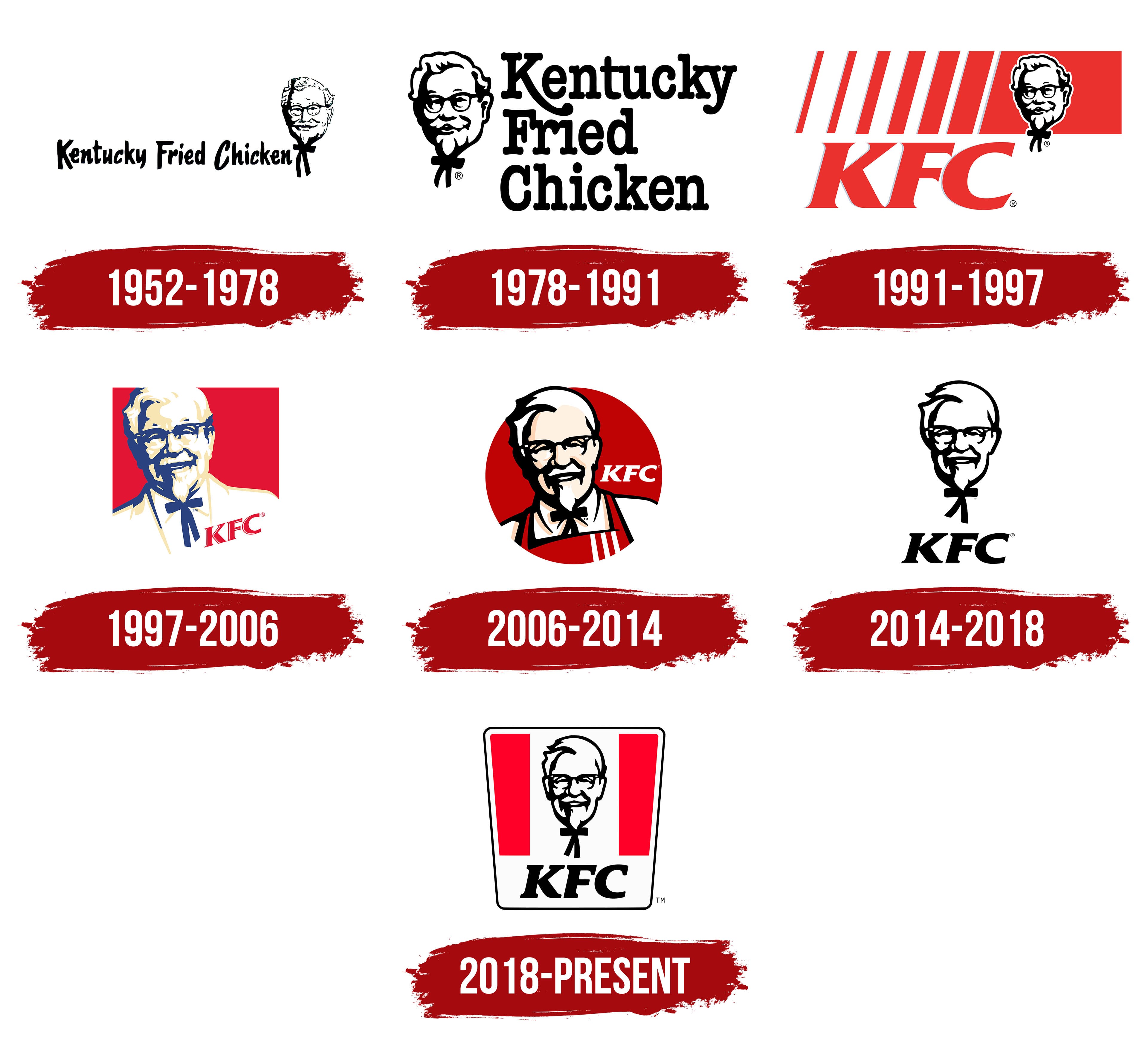
Colonel Sanders remains central to KFC's visual identity, while the bucket and "Finger Lickin' Good" line provide additional recognition. Rather than discarding those assets, KFC has repeatedly updated how they are expressed. Its 2026 global refresh, for example, introduced a subtle evolution of the Colonel and refreshed bucket graphics while keeping the brand's heritage visible.
2. Product Innovation Around a Familiar Core
KFC continues to build around fried chicken rather than moving away from it. In 2026, the company announced a broader menu push centered on boneless chicken, sauces, beverages, and more customizable eating occasions. The strategic pattern is clear: create novelty around a core product that already has strong recognition.
3. A Brand Voice Built for Culture and Social Media
KFC's advertising often uses humor, self-awareness, and the Colonel as a flexible character. In 2025, the U.S. brand brought the Colonel back as a "Chefpreneur" during its comeback campaign and paired the character with chef Matty Matheson. That willingness to reinterpret a heritage asset gives KFC material for social content without severing the connection to its history. Brand Vision's roundup of major social media campaigns also includes a KFC example built around the same kind of brand-specific humor.
4. Localized Marketing and Menu Adaptation
KFC operates globally but does not treat every market as identical. Yum China has described localization as a strategic focus, including Chinese breakfast products such as congee, pancakes, rice rolls, and bean curd pudding, alongside regional limited-time items. The broader lesson is that global recognition and local relevance can coexist when the core brand stays consistent.
How KFC Is Modernizing the Brand in 2025 and 2026
Rather than a single turnaround moment, KFC's recent strategy is better understood as a documented effort to modernize the experience while returning attention to its core chicken proposition.
Return to the Core Product
KFC's 2025 U.S. comeback campaign emphasized freshly prepared Original Recipe chicken and invited customers to try the product again. The 2026 global strategy continued that focus while expanding into tenders, sauces, beverages, and new formats.
Modern Restaurant Experiences
KFC's 2026 plan also includes new restaurant concepts designed around hospitality and different occasions throughout the day. The company announced an open-concept restaurant in Texas and a two-story concept in Dubai as early examples of how the physical experience can evolve alongside the menu.
A Refresh Rather Than a Reinvention
The updated branding is being applied across packaging, digital platforms, advertising, and restaurants. This is a practical example of the difference between a brand refresh and a full rebrand: KFC is modernizing its expression while deliberately retaining the Colonel, bucket, and core brand promise.
Digital Convenience Supports the Campaign
KFC also uses digital ordering as part of the marketing experience. Its 2025 comeback launched with an offer available through KFC.com and the KFC app, connecting brand creative directly to an ordering action rather than treating digital as a separate layer.

What Brands Can Learn from KFC's Marketing Strategy
Protect the Core Offering
KFC introduces new formats and flavors, but the brand continues to organize its strategy around chicken. Innovation is easier to understand when customers can connect it to a clear core proposition.
Evolve Distinctive Assets Instead of Constantly Replacing Them
The Colonel and bucket show how recognizable assets can be updated without losing their accumulated meaning. Consistency does not require visual stagnation.
Use Brand Personality as a Creative System
KFC's humor works best when it grows from assets and language the audience already associates with the company. A consistent personality gives campaigns more freedom because the brand remains recognizable even when the execution changes.
Localize Without Fragmenting the Brand
KFC's regional menu strategy shows that localization can strengthen a global brand when the customer experience still feels unmistakably connected to the same company. The strongest international brands create room for local taste without making every market feel like a different identity.