
The most useful social media campaigns of 2024 gave audiences something specific to do or discuss: share a listening summary, react to a joke, explore a product demonstration, or join a seasonal moment. Spotify, Liquid Death, and Apple illustrate different approaches. Their creative ideas are worth studying, but visibility alone does not establish sales impact.
This retrospective examines six documented 2024 campaigns and activations, followed by four earlier examples that are often grouped into the same discussion. The dates matter: Nike's “What the Football,” McDonald's “As Featured In,” and KFC's turkey-themed Christmas ad launched in 2023, while Adidas documented “End Plastic Waste” in 2020. The analysis focuses on audience participation, creative execution, and practical lessons, not an unsupported ranking by performance.
Social Media Campaign Examples from 2024
1. Spotify Wrapped: Personal Data Made Shareable
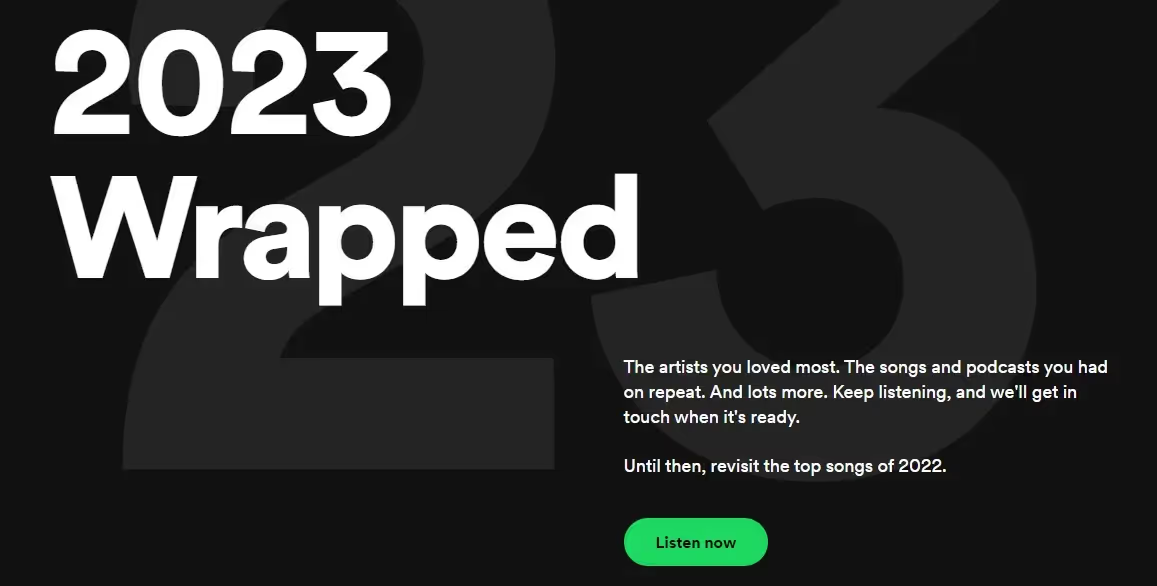
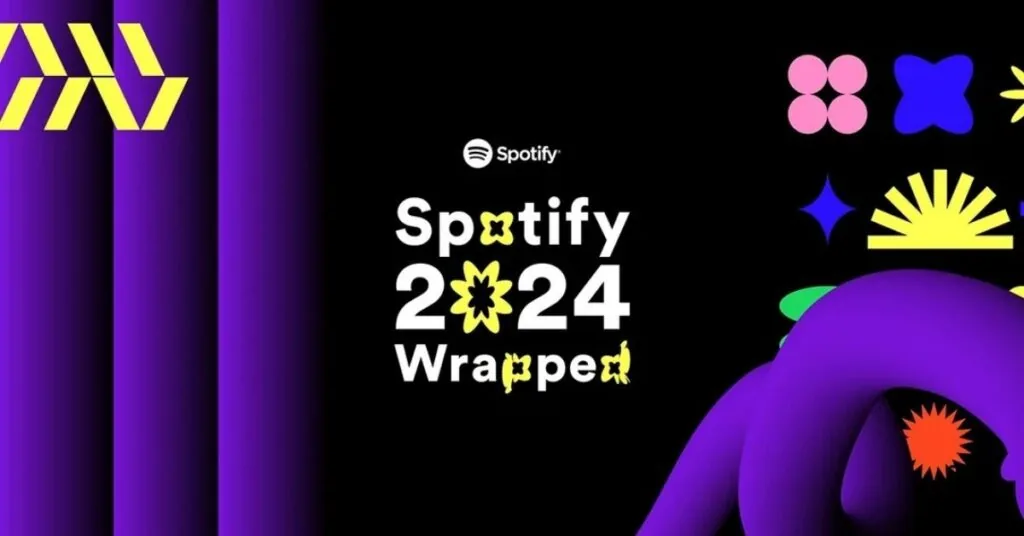
Spotify released Wrapped 2024 on December 4. Alongside familiar listening summaries, eligible users received features such as Your Music Evolution, which presented up to three musical phases from their year, and messages from artists and podcasters. Sharing was built into the experience rather than left as a separate promotional request.
The creative advantage is personal relevance. A listener has a reason to post their result because it expresses something about their taste, memories, or identity. Spotify provides the format; the listener supplies its meaning. The Spotify Wrapped 2023 case study offers an earlier comparison of how that recurring format connects product use with social sharing.
The transferable lesson is not that every business needs an annual data recap. It is to offer customers something they recognize as their own. Without useful underlying information, a personalized graphic is just a name pasted onto a generic promotion.
2. Liquid Death: A Spoof With a Product Point
Liquid Death's “Decades of Soda Marketing Is BS” campaign appeared in May 2024. Rather than simply featuring models drinking water, it staged an audition for a fictitious sugary soda. The brand's campaign page describes the audition premise and connects the joke to its flavored sparkling water.
The satire has a clear target: the polished conventions of soda advertising. That gives viewers a familiar format to recognize before the campaign disrupts it. The product still has a role in the story, so the humour is not entirely detached from what the company sells.
For other brands, tone is the constraint. A confrontational joke can feel coherent for one business and arbitrary for another. The useful question is whether the audience will remember the product distinction after the punchline. Brand Vision's guide to humour in marketing explores that balance.

3. Apple and The Weeknd: Product Demonstration, Not Organic UGC
Apple's 2024 “Shot on iPhone” work with The Weeknd used “Dancing in the Flames” to demonstrate the phone's filmmaking capabilities. September 2024 coverage identified the one-minute promotional version as both a music-video preview and an iPhone advertisement. Apple's production account credits director Anton Tammi and cinematographer Erik Henriksson.
This distinction is important: a professionally directed celebrity production is not the same as unsolicited customer content. A campaign can circulate on social media and demonstrate a consumer product without being organic user-generated content. The wider “Shot on iPhone” concept should not obscure how a particular execution was made.
The practical lesson is to show a capability through an outcome people can understand. A film demonstrates what a camera can capture more concretely than an abstract feature claim. Teams choosing between UGC, brand-generated content, and influencer content should also compare production control, permissions, cost, and how closely the example represents ordinary customer use.
4. Axis Bank: Mother's Day as a Storytelling Occasion
For Mother's Day 2024, Axis Bank used a film built around mothers' support for their children. LBB's May 15, 2024 coverage describes the AutumnGREY campaign as a tribute to mothers as their children's supporters. The film's premise keeps the focus on a recognizable relationship rather than banking features.
The creative approach gives a financial brand a subject beyond product features. A familiar relationship provides the story, while the occasion supplies a reason to release it. That can make a film relevant to a seasonal conversation without making every emotional response a commercial result.
For a similar campaign, test whether viewers can connect the story with the brand after watching. An affecting film that could belong to any advertiser may generate attention without strengthening a distinctive association. Sentiment, brand recall, and subsequent customer action answer different questions.
5. Starbucks: Turning a Product Return Into a Seasonal Moment
Starbucks announced that its U.S. fall menu, including the Pumpkin Spice Latte, would return on August 22, 2024. The announcement paired a familiar product with new seasonal options and limited-time availability. This example is a seasonal product launch with opportunities for social content, rather than a standalone platform challenge.
The social-content opportunity comes from a recognizable occasion. A returning drink can prompt anticipation, comparisons, first purchases, and personal seasonal rituals. Those are possible ways for audiences to participate, rather than interchangeable claims about a brand-directed campaign.
For food and beverage marketing, timing also has an operational side. Product availability, location information, and the ordering experience need to support the announcement. Creating anticipation for an item customers cannot find can undermine the experience that the content promised.

6. Patagonia: A Specific Film Behind a Broader Message
Patagonia's 2024 film “The Shitthropocene” was announced for an April 29 release on its website. The brand used satire to examine consumption habits and connected the film with keeping products in use through repair and resale. The film gives a broad brand message a concrete story that viewers can watch, discuss, or share.
It is better understood as branded filmmaking within a wider communications approach than as a single hashtag challenge. The website hosts the longer story, while shorter social content can offer an entry point. A team borrowing that structure should decide what the short version needs to explain and why someone would continue to the full piece.
The message also creates a standard against which the business can be judged. Claims about durability or responsible consumption need operational support, not just an appealing film. The launch announcement establishes the creative premise; it does not establish how much the film changed purchasing behaviour or environmental outcomes.

Earlier Brand Campaigns That Provide Useful Context
These four examples remain useful references, but they should not be presented as new 2024 launches. Comparing their mechanisms with the examples above is more informative than assigning every campaign the same year.
7. Nike: “What the Football” Launched in 2023
Nike's campaign, "What the Football," combined a father-daughter story with a celebration of women's football. Nike's July 17, 2023 announcement identifies 11 featured athletes and describes a story that moves from the 1999 World Cup to the 2023 tournament. Individual athlete films extended the campaign on Nike Football's YouTube channel.
The structure makes a large sporting event more approachable through a specific relationship and then expands into different athlete stories. One central idea can therefore support several pieces of content without each post needing a completely new premise.
The lesson for brand strategy is to choose a cultural moment that fits the brand's role and audience. The individual films also show how a campaign can serve different fan interests while keeping a recognizable overall theme.
8. McDonald's: “As Featured In” Connected Food and Fandom in 2023
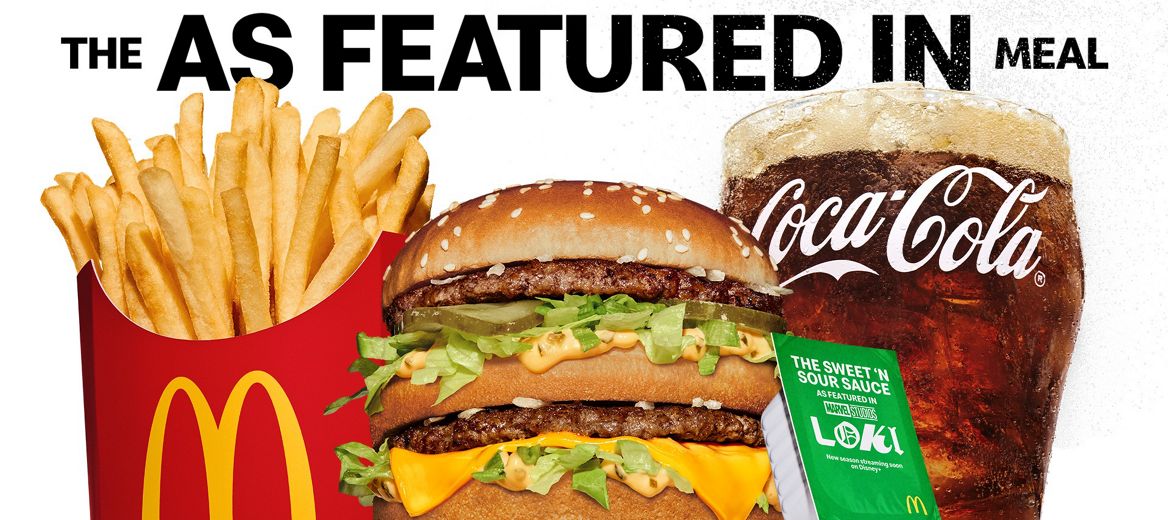
McDonald's "As Featured In" meal launched on August 14, 2023. It brought together familiar menu items associated with appearances in film, television, and music. The promotion also included PALACE merchandise and a Snapchat augmented-reality experience connected to the television series “Loki.” It was not a collection of entirely new movie-inspired recipes.
The creative link is recognition: fans can connect an ordinary order with a scene, character, or cultural reference they already know. Packaging then becomes an entry point to additional content. Our review of nostalgic marketing campaigns from 2023 provides related examples of brands using familiar memories and references.
For another business, the important constraint is authenticity of connection. A reference needs to mean something to the audience and fit the product. Merely attaching a popular title to a promotion does not explain why people would participate.
9. KFC: The Turkey Request Became a Chicken Story in 2023
KFC's Christmas campaign played with requests for a turkey burger before reaffirming its commitment to chicken. November 2023 coverage places the campaign in that year's festive season and links the creative to its Stuffing Stacker burger. The joke depends on setting up one expectation and deliberately delivering another.
The example shows how customer comments can become creative material without every request determining the product roadmap. Consistent branding helps establish the boundary: KFC's category is central to the punchline, not incidental to it.
This is not a general instruction to ignore customers. A playful refusal about a hypothetical product is different from dismissing a genuine service problem. The tone, stakes, and existing relationship determine whether the response feels entertaining or unhelpful.
10. Adidas: “End Plastic Waste” Predates 2024
Adidas was documenting “End Plastic Waste” in its 2020 annual report. That report described recycled materials and circular approaches as part of a broader sustainability strategy. It should not be treated as evidence that a new, unified Instagram, TikTok, and Twitter campaign launched in 2024.
The useful communications distinction is between a long-term platform, an individual activation, and the outcome being claimed. A slogan can connect many pieces of work, but the slogan alone does not demonstrate environmental progress or a change in customer behaviour.
When evaluating a participation-based campaign, ask what the audience can actually do, how that action connects to the stated objective, and what evidence would show a result. Hashtag activity, material changes, and customer retention are different measures and should be reported separately.

How to Apply These Social Media Campaign Lessons
Choose a Participation Model That Fits the Audience
Start with the behaviour rather than the platform. Do you want someone to share a personal result, respond to a story, demonstrate a product, or act on a seasonal offer? For a B2C marketing strategy, that choice should reflect the customer's relationship with the product, not simply the popularity of a format.
Audience and brand research can test whether the idea is understandable and worth the effort. As a hypothetical example, a small retailer could invite customers to show one useful way they use a product. Before launching, test the prompt with a few customers and decide how submissions will be reviewed and permission to reuse them will be recorded.
Connect the Creative With the Next Step
Define the visual and verbal elements that should remain recognizable across a campaign. Campaign graphic design should adapt the idea to posts, video covers, and share cards without making them look like unrelated promotions. A strong central idea still needs readable text and a clear point of focus on a phone.
For campaigns that send people to a website, web design should continue the offer and context from the social post. A product demonstration should lead to relevant product information, not a homepage where the visitor must start again.
UI/UX design then addresses the task itself: understanding choices, completing a form, finding availability, or sharing a result. Test that journey on a phone before spending more effort bringing people to it.
Separate Creative Interest From Business Results
The sources in this article document campaign dates and execution, not a comparable set of returns on investment. None supplies a basis for calling one of these the best-performing campaign of 2024.
Before launch, choose measures that match the objective:
- For attention, examine qualified reach, video completion, and whether people remember the brand.
- For participation, track completed submissions or shares alongside the number of people who had the opportunity to take part.
- For commercial outcomes, measure purchases, qualified inquiries, repeat activity, and the cost of delivering the campaign.
Brand Vision's guide to essential marketing metrics explains how to connect measurement with business goals. Keep the reporting period, market, paid support, and comparison baseline visible. A high view count is useful context, but it does not establish that a campaign caused additional sales.
The strongest lesson across these examples is to give the audience a clear reason to care and a manageable next step. Personalization, humour, storytelling, and seasonal timing are creative choices, not guarantees. Their value depends on the product, the audience, and the experience that follows.
For teams developing their own campaign, Brand Vision offers marketing consultation to help clarify the audience, message, and channel priorities.