
Brand collaborations work best when the partnership creates something neither brand could credibly produce alone. The strongest examples combine audience overlap, contrast, and recognizable brand codes, turning a launch into a piece of culture rather than a logo swap. These brand collaborations show how partnership can function as brand strategy, giving both sides a fresh story without erasing what made either brand recognizable.
Below are nine iconic brand collaborations from 2015 to 2021. Each became notable for a different reason, including luxury-streetwear crossover, celebrity influence, scarcity, nostalgia, and entertainment-led storytelling.
1. Supreme x Louis Vuitton (2017)
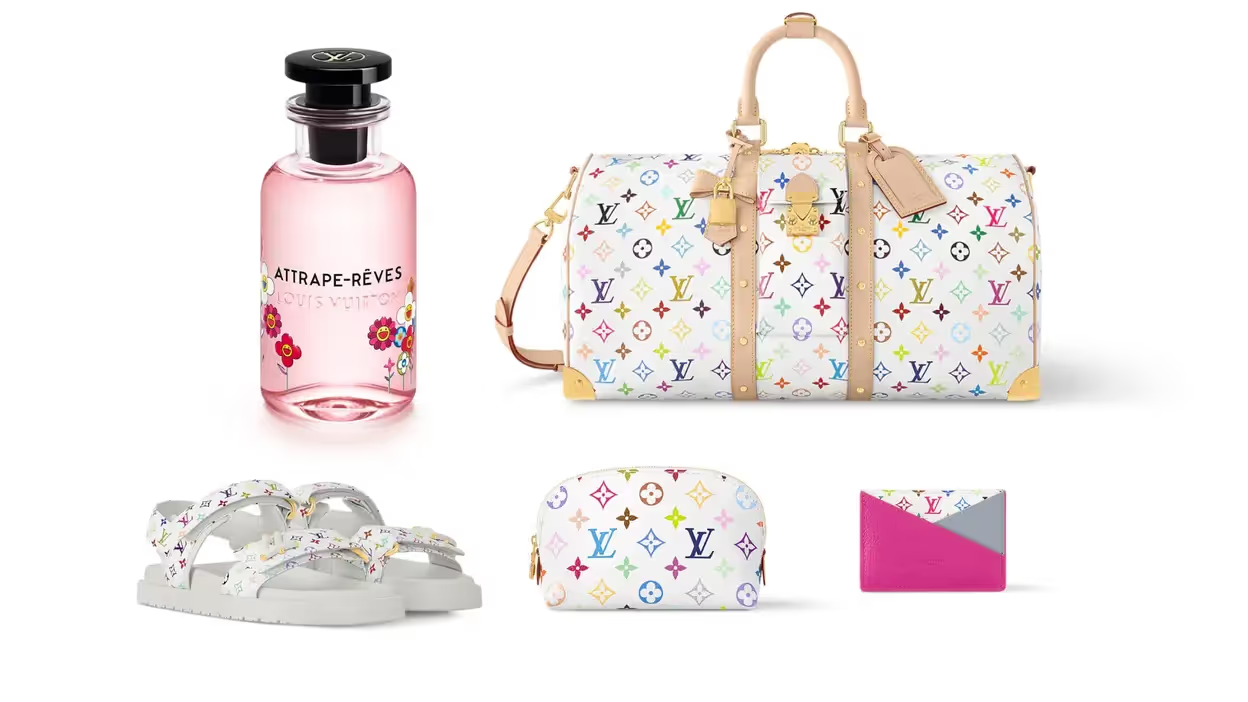
The Supreme x Louis Vuitton collaboration brought Parisian luxury and New York streetwear into the same collection at a moment when those categories were rapidly converging. Louis Vuitton monograms appeared across hoodies, bags, accessories, and apparel alongside Supreme's familiar red-and-white identity, making the partnership instantly legible to both audiences.
Its impact came from contrast without confusion. The collaboration kept the recognizable visual codes of both brands intact, showing why partnerships are stronger when each side contributes something distinctive. It became an influential reference point for the luxury-streetwear crossover that followed.

2. Nike x Off-White "The Ten" (2017)
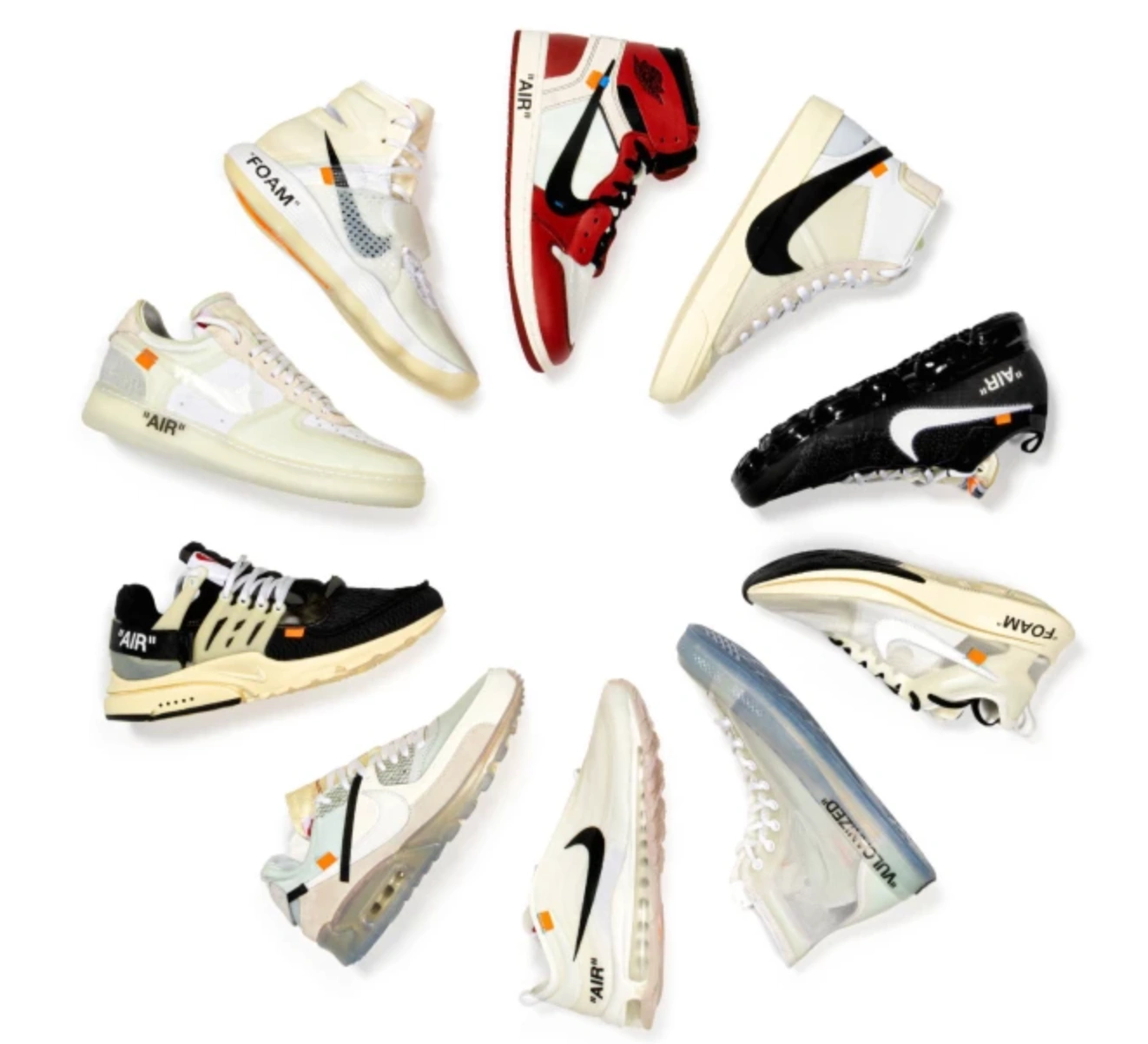
Virgil Abloh’s reinterpretation of ten classic Nike silhouettes under the Off-White banner treated familiar sneakers as objects to be taken apart and re-read. Exposed foam, quotation-mark typography, visible stitching, and zip ties made the construction process part of the final design.
The collaboration worked because it added a new creative language without hiding the original products. It also fit Nike's broader marketing strategy of using athletes, designers, and cultural partners to keep established silhouettes relevant to new audiences.
3. Dior x Air Jordan 1 (2020)
The Dior x Air Jordan 1 collaboration joined French couture with one of the most recognizable basketball sneakers in the world. Italian leather, Dior detailing, and a limited release reframed the Jordan 1 as both a sportswear icon and a luxury object.
The lesson was not simply that luxury and sneakers could coexist. Both brands brought established heritage to the product, so the collaboration felt like an exchange of status rather than one brand borrowing relevance from the other. That balance helped the release appeal to sneaker collectors and luxury consumers at the same time.

4. Travis Scott x McDonald's (2020)
Travis Scott’s partnership with McDonald’s centered on a named meal, merchandise, and the artist's own relationship with the menu. Rather than inventing a complicated new product, the campaign turned a familiar order into a cultural object tied to a specific personality.
The partnership showed how celebrity marketing can work when the collaboration has a simple story people can repeat. It also fits McDonald's broader marketing strategy, which frequently uses culture, familiarity, and recognizable brand assets to keep a mature product portfolio relevant.

5. Gucci x The North Face (2020)
Luxury house Gucci partnered with an outdoor brand whose reputation was built around technical utility. The collection paired Gucci's maximalist styling with The North Face silhouettes, creating outerwear and accessories that were recognizably connected to both brands.
Gucci x The North Face worked because the contrast was obvious but the product logic still made sense. Outerwear gave Gucci a credible format for exploration, while The North Face gained access to a luxury-fashion context without abandoning the shapes and functional cues associated with its core brand.
6. H&M x Balmain (2015)
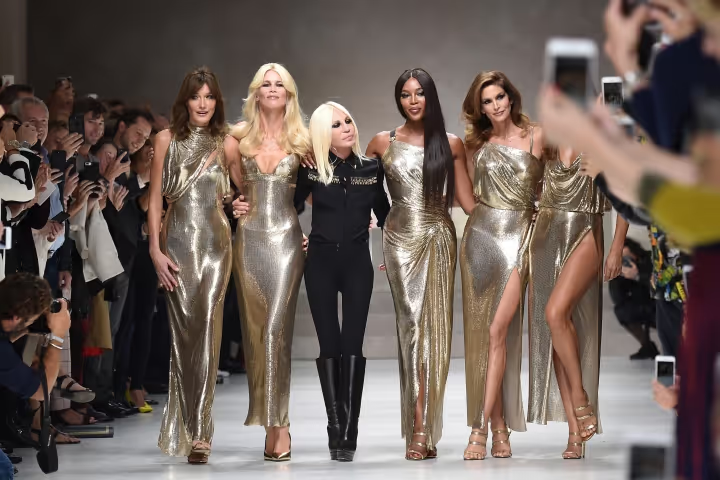
The H&M x Balmain collaboration brought Olivier Rousteing's ornate Balmain aesthetic to a much broader retail audience. The release generated intense attention around launch and became one of the defining examples of H&M's designer-collaboration model.
The partnership demonstrated a recurring fashion marketing principle: controlled accessibility can expand reach without fully collapsing a premium brand's positioning. H&M supplied distribution and mass awareness, while Balmain supplied scarcity, prestige, and a highly recognizable design language.

7. Beyoncé x Adidas (Ivy Park Relaunch) (2020)
When Beyoncé relaunched her Ivy Park brand through Adidas, the partnership combined sportswear distribution with a celebrity-led fashion identity. The collections mixed athleisure, streetwear, bold color, and campaign imagery built around Beyoncé's cultural reach.
Several drops generated strong launch attention because the partnership was larger than a standard endorsement. Ivy Park remained a distinct brand world, while Adidas contributed manufacturing, distribution, and sportswear credibility. That separation made the collaboration feel like a co-created platform rather than a celebrity simply appearing in an ad.
8. Vans x NASA (2018)
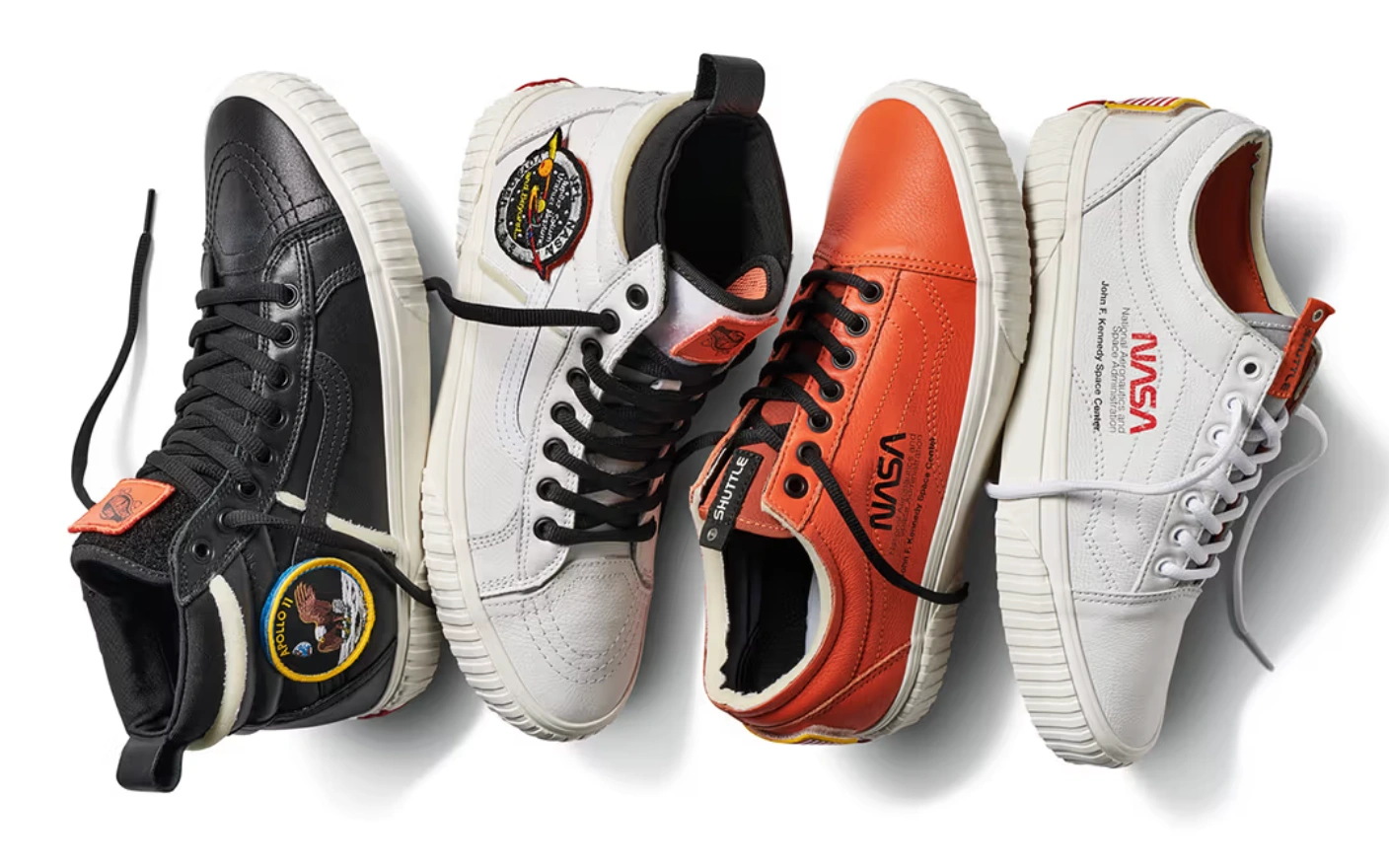
Vans and NASA brought skate culture together with the visual language of space exploration. The collection used NASA’s retro “meatball” logo, spacesuit-inspired details, and familiar Vans silhouettes to create a collaboration rooted in recognizable symbols rather than a complicated narrative.
The appeal came from shared ideas of exploration and imagination. Vans did not need to become a technology brand, and NASA did not need to imitate streetwear culture. The product connected the two through imagery that both audiences could understand immediately.
9. Balmain x Netflix's The Harder They Fall (2021)
In 2021, Balmain teamed up with Netflix to create a capsule collection inspired by the film The Harder They Fall. The limited-edition clothing and accessories drew on the film's Western styling, while Balmain creative director Olivier Rousteing also contributed costume pieces to the production.
This partnership shows why entertainment marketing and fashion often overlap. A film can provide a ready-made narrative and visual world, while a fashion house gives audiences a physical way to participate in it. The collaboration extended the movie beyond the screen without suggesting that the two brands had to become interchangeable.

FAQ: Iconic Brand Collaborations
What makes a brand collaboration successful?
Strong collaborations give both partners a clear role. Audience overlap matters, but so does contrast: each brand should contribute something the other does not already own, while the final product still feels credible for both.
Why are brand collaborations so common in fashion?
Fashion gives partnerships a visible product, a launch moment, and a natural storytelling format. A collaboration can introduce one brand to another audience while creating scarcity and cultural relevance around a limited release.
How does scarcity affect collaboration demand?
Limited quantities can make a collaboration feel more urgent and collectible, but scarcity only works when the product and partnership already have a reason to matter. Artificial rarity cannot compensate for a weak fit between brands.
What can brands learn from Supreme x Louis Vuitton?
The partnership is a useful example of preserving both identities. The collection combined distinct brand codes rather than averaging them into something generic, which made the collaboration easy to recognize and discuss.
Are celebrity collaborations different from brand-to-brand partnerships?
They can be. A celebrity brings an individual audience, persona, and cultural story, while a company brings a broader operating system and product reputation. The strongest celebrity partnerships still need clear roles, product logic, and long-term brand fit.
Why These Collaborations Still Matter
The most enduring collaborations create useful tension: luxury meets streetwear, fashion meets entertainment, or a mass-market product meets a highly specific cultural personality. What makes them memorable is not the novelty alone. It is the clarity of the partnership, the recognizability of both brands, and the way the launch gives audiences a story worth repeating.
For brands considering a partnership, the strategic work starts before the announcement. Audience fit, positioning, brand roles, creative rules, and the customer journey all need to make sense together. Brand Vision can help structure that foundation through its branding services.