Celebrity endorsements have shaped advertising for decades, but the most memorable partnerships usually do more than place a famous face beside a product. They connect a recognizable public persona with a brand idea, product category, or cultural moment. The ten examples below span fashion, beverages, fragrance, coffee, and sport. They are presented as historical case studies rather than a financial ranking, with dates and current partnership status checked where the original article made time-sensitive claims.
10 Iconic Celebrity Brand Partnerships in Advertising History
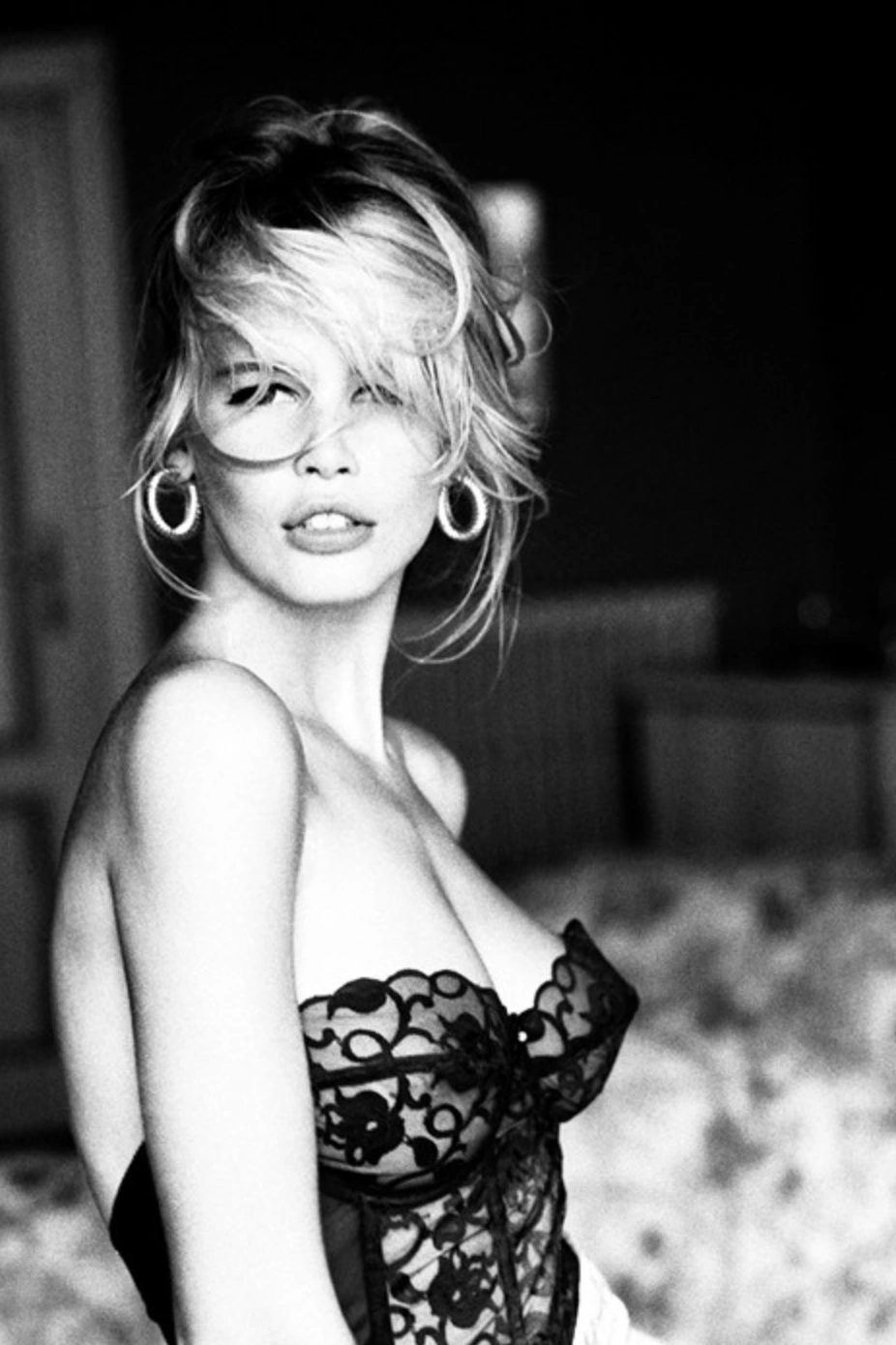
10. Claudia Schiffer x Guess (1989 and the Early 1990s)
Claudia Schiffer’s first Guess campaign dates to 1989, when Paul Marciano and photographer Ellen von Unwerth helped shape the black-and-white imagery that became closely associated with both the model and the label. Guess later reunited the same collaborators for its 30th anniversary campaign. The original ads leaned on a retro bombshell aesthetic, and von Unwerth’s fashion photography became central to the visual language. Guess’s own retrospective notes that Marciano and von Unwerth first partnered on Schiffer’s 1989 Guess campaign.
9. Mark Wahlberg and Kate Moss for Calvin Klein (1992)
Calvin Klein’s 1992 imagery paired Mark Wahlberg, then known as Marky Mark, with Kate Moss in stark black-and-white underwear and denim advertising. The work became one of the defining examples of the brand’s provocative early-1990s minimalism. Vogue’s retrospective on Calvin Klein’s 1990s ads places Wahlberg and Moss within the label’s broader strategy of stripped-back photography, youth culture, and controversy. The campaign’s long afterlife shows how a simple visual system can become inseparable from a brand era. It also illustrates that the celebrity does not need to overwhelm the creative. In this case, casting, photography, styling and the Calvin Klein identity worked as one system, which made the images recognizable even when reproduced without a long headline or product explanation.
8. Beyoncé, Britney Spears and Pink for Pepsi (2004)
Pepsi’s 2004 “Gladiator” commercial brought Beyoncé, Britney Spears and Pink together in a Roman-arena story with Enrique Iglesias as the emperor. The three performers sang Queen’s “We Will Rock You” instead of fighting, turning a soft-drink commercial into a music and entertainment event. Contemporary coverage and later retrospectives still point to the campaign as an example of Pepsi’s long-running use of pop stars. The existing Pepsi campaign retrospective captures the spectacle, but the lasting lesson is structural: multiple celebrities can work when the creative idea gives each of them a clear role instead of simply stacking famous names.

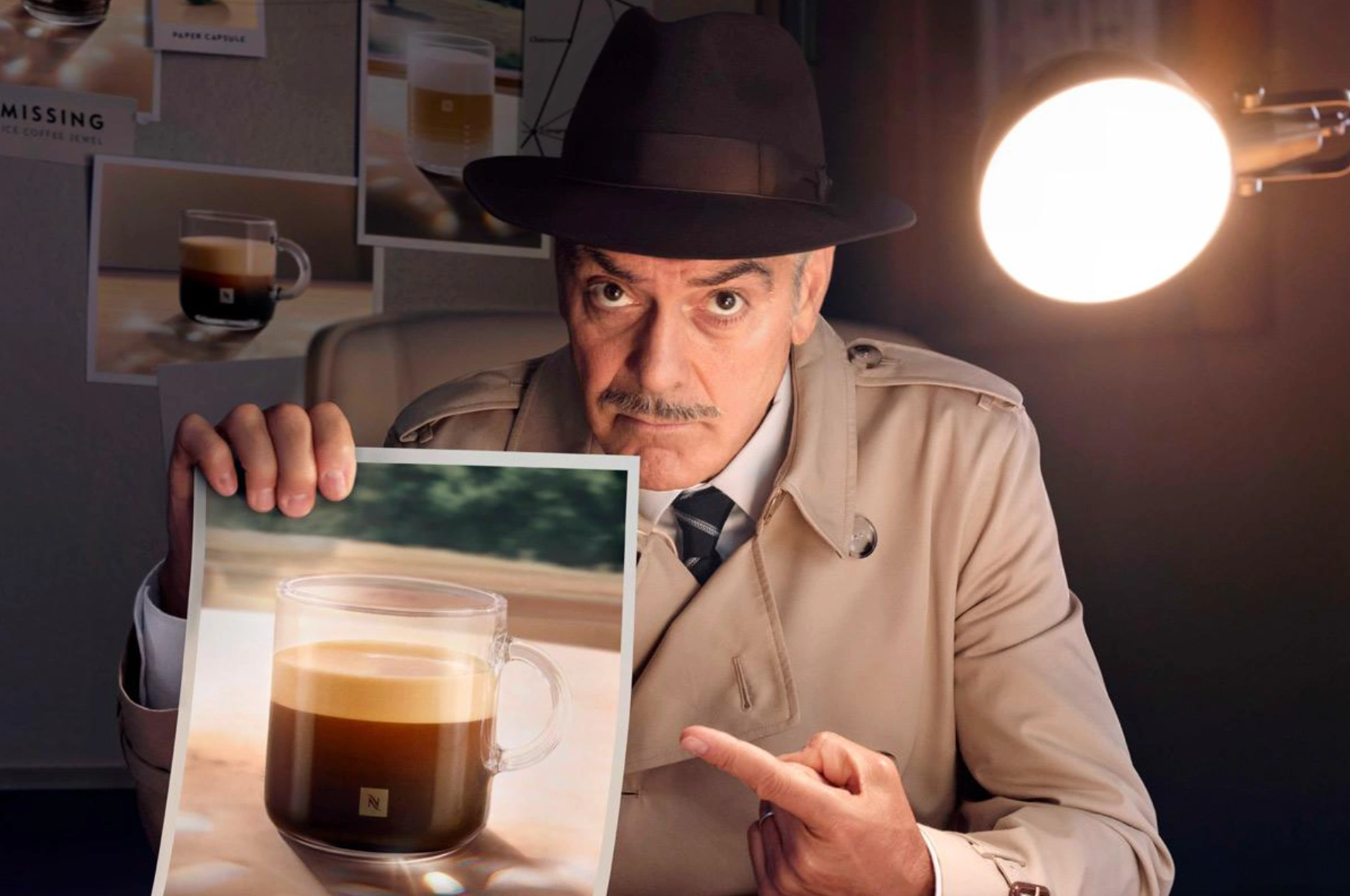
7. George Clooney x Nespresso (2006 to Present)
Nespresso’s own history dates its first George Clooney campaign to 2006, and the relationship has continued for two decades. The appeal is less about celebrity reach alone and more about fit: Clooney’s dry humor and polished screen persona supported the premium, cosmopolitan positioning Nespresso was building around at-home coffee within a broader brand strategy. He was still appearing in Nespresso campaigns in 2025, and the company continued to describe him as a longstanding ambassador in 2026. For food and beverage brands, the case shows how a long-running spokesperson can become part of the brand’s memory rather than a one-season media buy. Teams evaluating a similar fit can use food and beverage marketing principles to connect the personality of the partner with the product experience.
6. Zendaya x Louis Vuitton (2023 to Present)
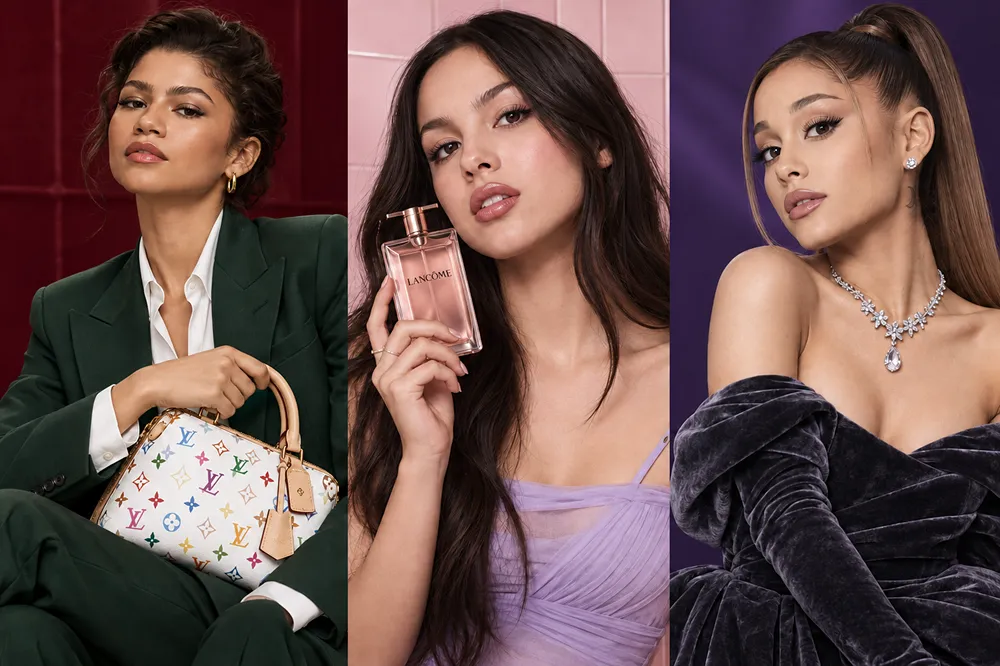
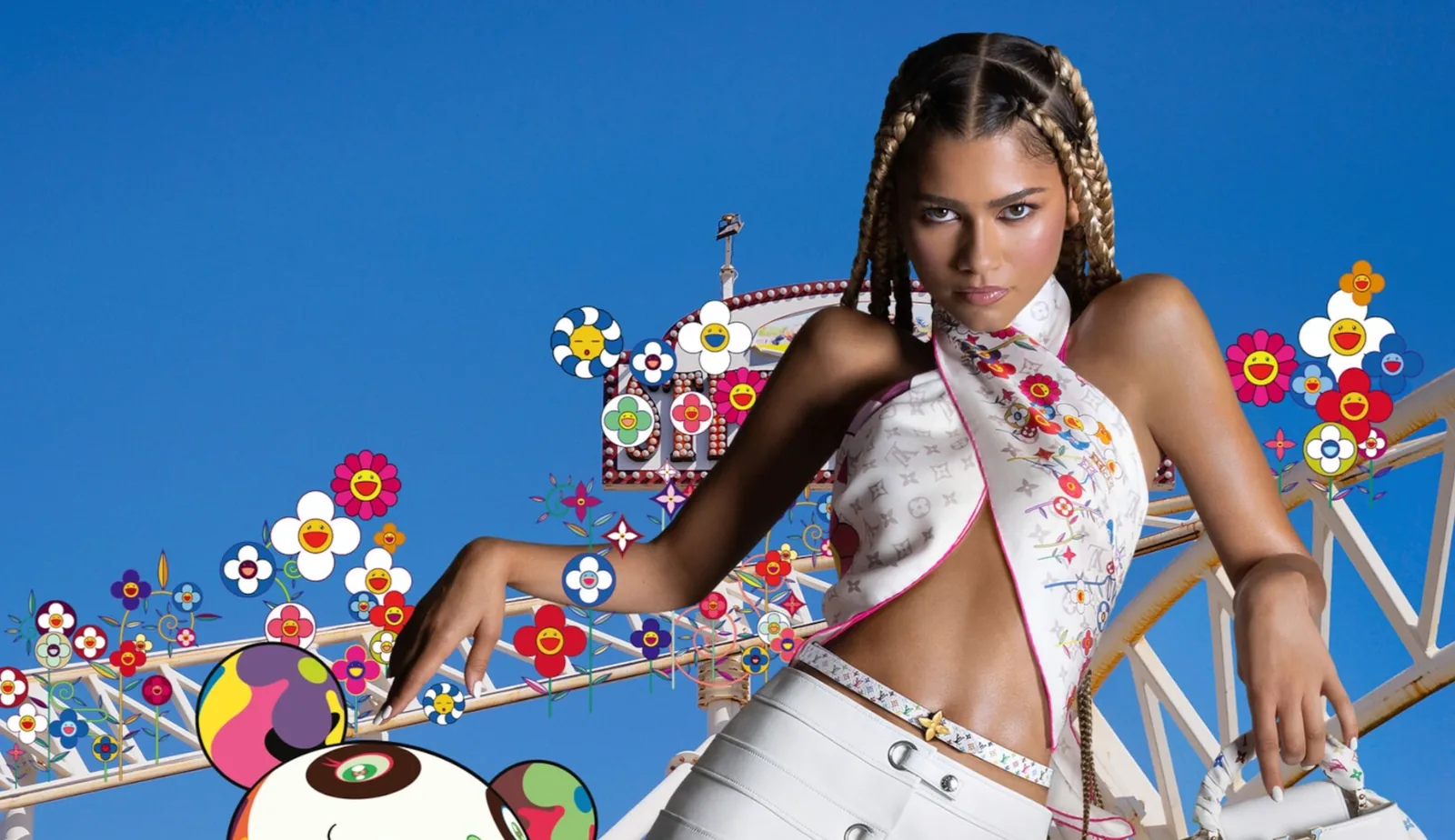
Louis Vuitton introduced Zendaya as a House Ambassador in April 2023 with a Capucines campaign, so the partnership predates the 2025 campaign highlighted in the original version of this article. Her later work with the house included the Louis Vuitton x Murakami re-edition, where Zendaya presented the collection’s 2025 chapters and linked a current celebrity ambassador with a collaboration from the brand’s archive. The original Capucines material and coverage of the Murakami re-edition campaign show how the partnership moved across different product stories. For established labels, this kind of continuity can strengthen brand appeal without asking one campaign to redefine the whole house.
5. Cindy Crawford x Pepsi (1992, with a 2018 Revival)
Cindy Crawford’s 1992 Pepsi commercial turned a simple vending-machine stop into one of the company’s most recognizable celebrity ads. The styling, including the white tank top, denim shorts and blowout described in this look-back at the commercial, became part of the spot’s visual identity. Pepsi revisited the idea for its 2018 “Pepsi Generations” campaign, and the 2018 revival deliberately referenced the 1992 original. PepsiCo also described the new ad as a fresh take on Crawford’s famous 1992 Super Bowl spot. The campaign is a useful example of how nostalgia can work when a brand has a recognizable asset worth bringing back. The revival did not simply reuse the old footage. It treated the original spot as brand memory and then reframed it for a new media moment, which is a more durable approach than relying on nostalgia with no connection to the present campaign.
4. Versace Fall 1991 and the “Freedom! ’90” Supermodel Finale
The famous Versace moment happened at the Fall 1991 ready-to-wear show on March 7, 1991. Four models from George Michael’s “Freedom! ’90” video, Linda Evangelista, Cindy Crawford, Naomi Campbell and Christy Turlington, linked arms and lip-synced to the song during the finale. The original article incorrectly listed Tatjana Patitz in that runway group. British Vogue’s history of Versace and the supermodels and Vogue’s runway archive identify the four-model finale. The moment matters because the models themselves became part of the event’s entertainment value, blurring the line between fashion presentation and pop culture. It is also slightly different from a conventional endorsement: Versace was using celebrity-level models within its own runway ecosystem rather than hiring one spokesperson to transfer fame to a product. It belongs on this list because the personalities were central to how the brand moment was remembered.
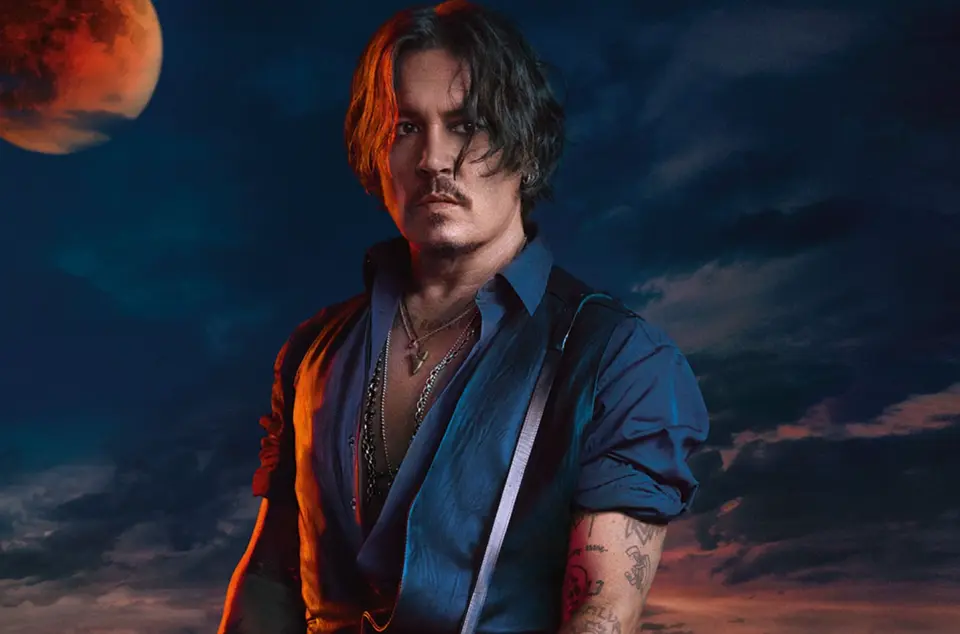
3. Johnny Depp x Dior Sauvage (2015 to Present)
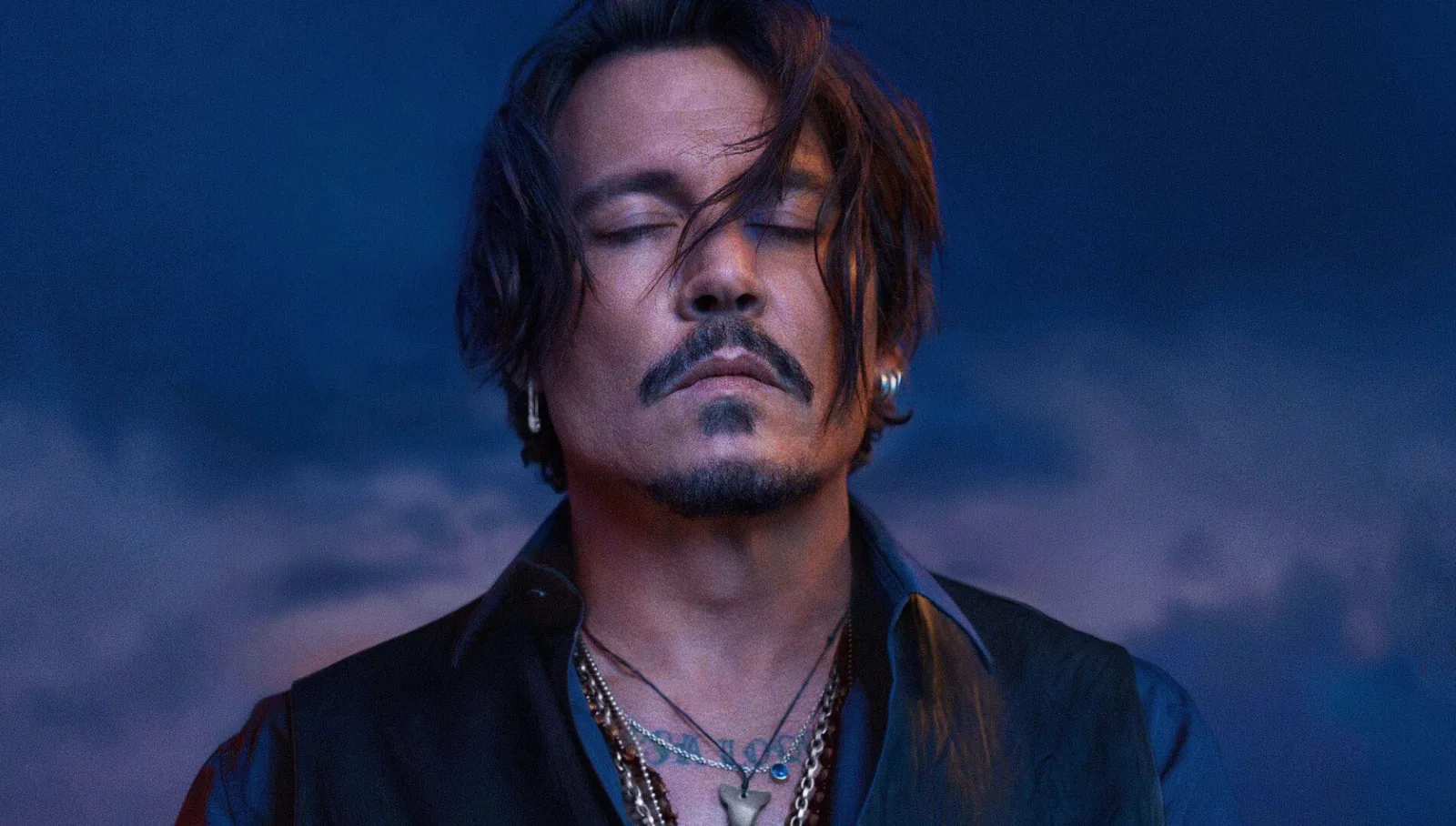
Johnny Depp has fronted Dior Sauvage since the fragrance launched in 2015, and Dior still features him in current Sauvage campaign material. The partnership gives the fragrance a consistent visual world built around open landscapes, music, and a rugged screen persona. Dior’s current Sauvage universe continues to use Depp, so the relationship is better understood as a long-running brand asset than a single endorsement burst. It also shows why celebrity fit should be evaluated against the intended bold identity, not simply the size of the audience.
2. LeBron James x Nike (2003 to Present)
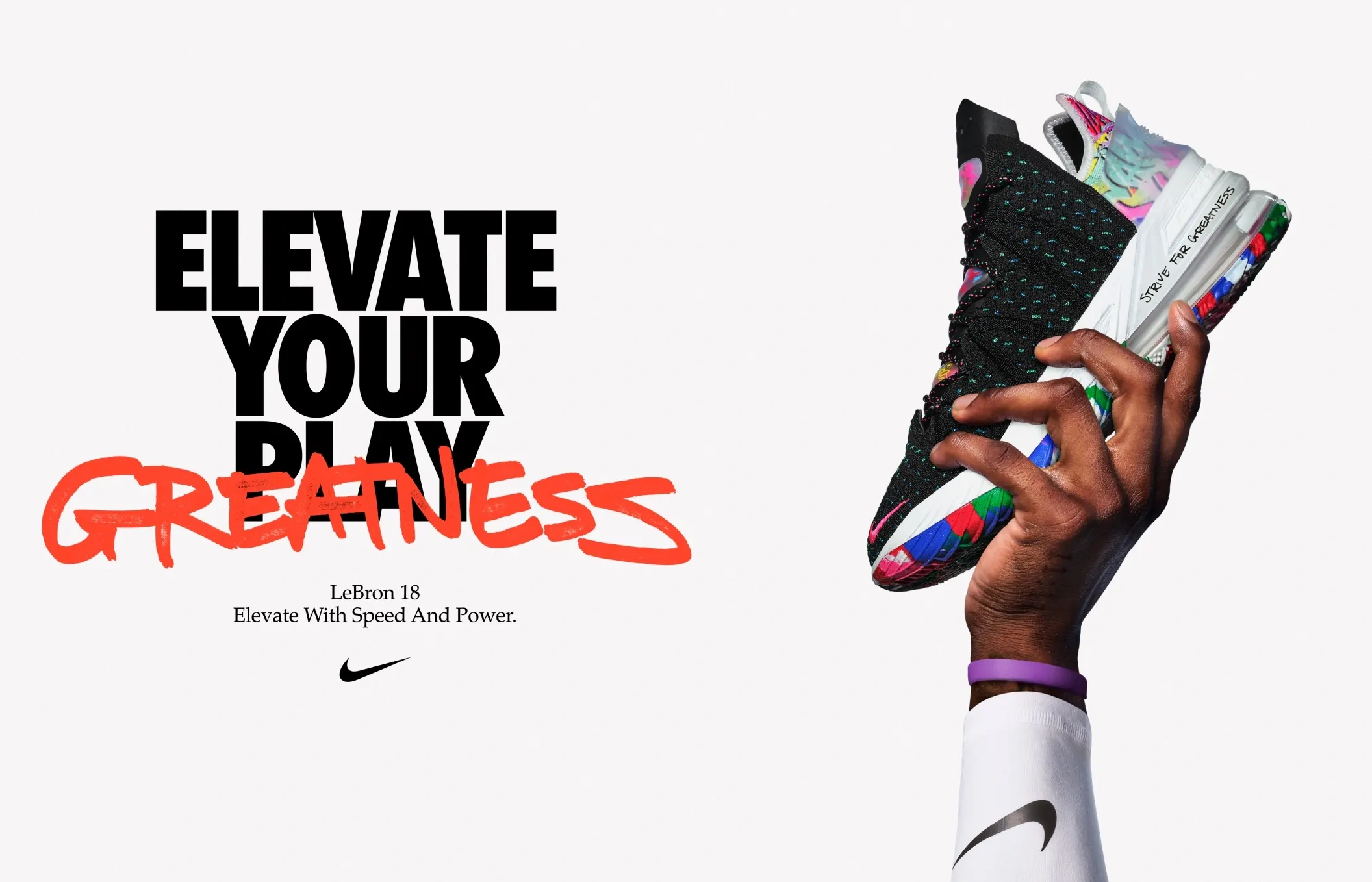
Nike signed LeBron James on May 22, 2003, before he played his first NBA game. Nike now describes that agreement as a record-setting rookie endorsement deal and continues to build the LeBron signature line more than two decades later. The existing LeBron sneaker collection shows the product side of the partnership, while Nike’s current LeBron history documents the 2003 signing. The original article’s broad “billions in revenue” claim is difficult to attribute cleanly to one athlete-brand relationship, so the stronger lesson is durability: product design, athlete identity and repeated releases have kept the partnership culturally visible over multiple generations.
1. Michael Jordan x Nike (1984 to Present)
Michael Jordan signed with Nike in 1984, while the Air Jordan I reached retail in 1985. That distinction matters because the original article described the product line itself as launching in 1984. Nike’s Jordan archive and Air Jordan history place the first retail release in 1985. The partnership helped move signature basketball shoes beyond performance equipment into fashion and collecting culture, creating a model that later athlete collaborations would build on. It also shows how a celebrity partnership can become a standalone brand system when the product, design language and public figure reinforce one another over decades. The Jordan example is particularly useful for marketers because the value was not limited to media exposure. The partnership created products, recurring launches, visual codes and a community that could continue operating long after Jordan’s playing career ended.
What These Celebrity Partnerships Have in Common
The examples do not rely on one formula. Some are short advertising moments, others are runway events, and several became multi-decade relationships. The commercial structure also varies: a campaign appearance, a house-ambassador role and a signature product franchise create very different obligations. What connects them is a recognizable strategic fit between the celebrity, the product and the story the brand wanted to tell. Before selecting a partner, brand research can help teams test audience overlap, cultural associations and potential risks instead of choosing a name on reach alone. For consumer-facing companies, B2C marketing planning can then connect the partnership to distribution, content, paid media and conversion rather than treating the celebrity as the whole strategy.
Regional activations also need a real market reason. A company planning a celebrity-led launch, retail event or cultural partnership in Chicago may need a Chicago branding agency to adapt the campaign to local audiences while keeping the core idea consistent. That is different from implying that any of the celebrities or brands above worked with Brand Vision.
For teams building their own partnership strategy, the broader brand strategy should define what the collaboration needs to communicate before talent is selected. Brand Vision works across brand, web and marketing planning, and organizations evaluating a campaign can talk with Brand Vision about the scope. Learn more about Brand Vision.