

Choosing an ecommerce platform in 2026 is less about finding a universal winner and more about matching the operating model to the business. Hosted platforms such as Shopify, BigCommerce, Wix, Squarespace, Salesforce Commerce Cloud, and Square Online reduce infrastructure work. Open-source options such as WooCommerce, Magento Open Source, and PrestaShop give teams more control but also create more responsibility for hosting, updates, security, and extensions.
Before comparing features, define the constraints that matter: catalog size, B2B or B2C model, international selling, checkout flexibility, internal technical capacity, total cost of ownership, integrations, SEO, and migration risk. A web design project should treat the commerce platform as part of the full customer journey, not as a separate software purchase. For companies selling directly to consumers, B2C marketing requirements such as merchandising, promotions, retention, and attribution should also shape the decision. Businesses expanding across the United States should check payment, tax, shipping, and localization requirements before committing to a stack.
Best Ecommerce Platforms at a Glance
- Shopify: a strong fit for merchants that want a managed platform, fast setup, a large app ecosystem, and a clear path from small store to enterprise.
- WooCommerce: best suited to WordPress teams that value ownership of the stack, content flexibility, and deep customization enough to manage hosting and plugins.
- Magento Open Source / Adobe Commerce: appropriate for complex catalogs, B2B requirements, multiple storefronts, and organizations with serious technical resources.
- BigCommerce: a hosted option with broad native commerce features, but its 2026 GMV thresholds and payment-provider fees need careful cost modeling.
- Salesforce Commerce Cloud: an enterprise choice when commerce needs to connect deeply with Salesforce customer data, order management, and other Salesforce systems.
- Wix: useful for smaller businesses that prioritize visual editing and an all-in-one managed site over enterprise commerce complexity.
- Squarespace: a natural fit for design-led and content-led brands with relatively straightforward commerce requirements.
- PrestaShop: a flexible European open-source option that now offers both self-hosted and hosted paths.
- SAP Commerce Cloud: designed for enterprise B2B and B2C organizations with complex integrations, markets, and SAP infrastructure.
- Square Online: especially practical for merchants that already use Square POS and want online and physical-store operations to share inventory and payments.
Shopify
Shopify remains one of the most straightforward hosted commerce platforms for teams that want to launch without managing servers or core security updates. In Canada, annual billing currently starts at CAD $37 per month for Basic, CAD $99 for Grow, and CAD $389 for Advanced, while Shopify Plus starts at CAD $3,400 per month. The app ecosystem expands subscriptions, loyalty, fulfillment, and merchandising, while a dedicated ecommerce SEO plan can address technical and content requirements beyond the platform defaults.
Shopify includes hosting and a managed checkout, but cost depends on the plan, payment setup, apps, themes, and implementation. Third-party payment-provider fees can apply when Shopify Payments is not used, with the rate varying by plan. Shopify Plus adds capabilities for complex organizations, including deeper checkout customization and B2B features. A custom Shopify web design build makes the most sense when the business needs a distinctive storefront while preserving the operational simplicity of the hosted platform. For limited inventory and preorders, the existing guide to the best pre order app Shopify users recommend remains relevant to that use case.

WooCommerce
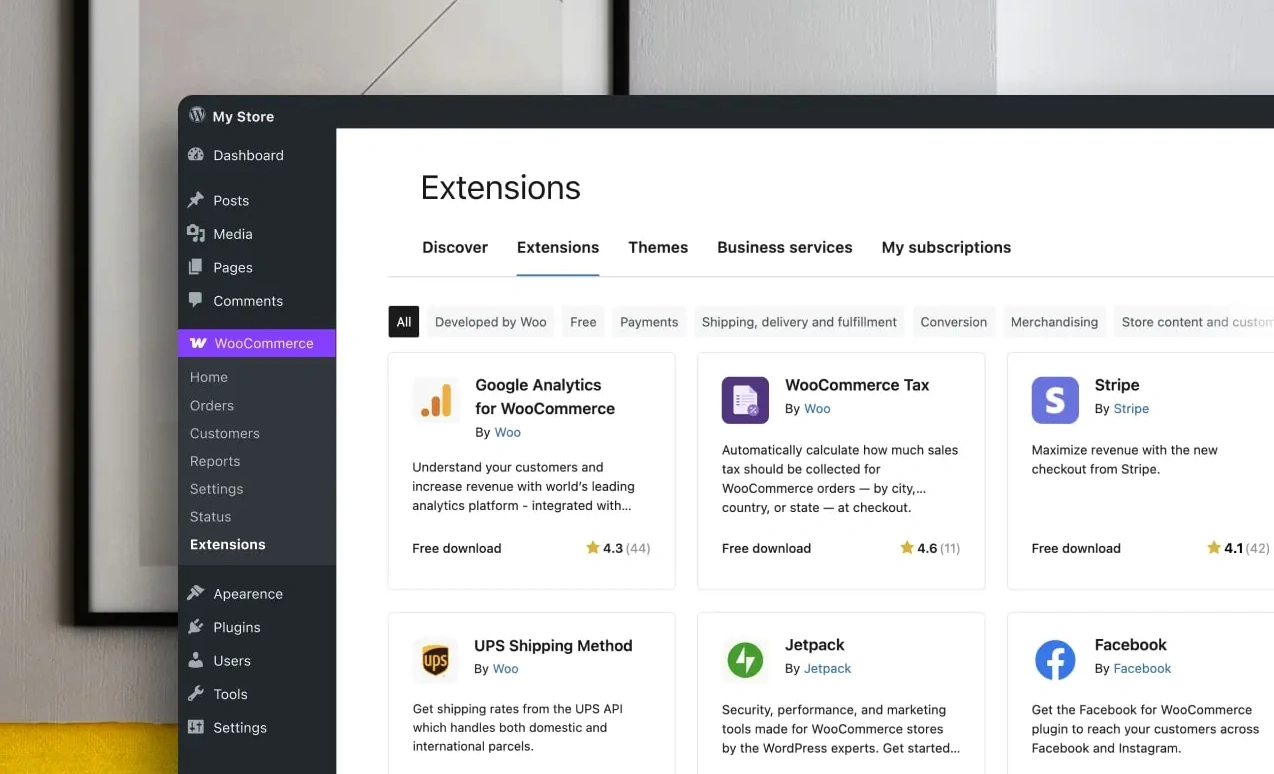
WooCommerce remains a free, open-source ecommerce platform for WordPress. There is no monthly platform subscription for the core software and no WooCommerce revenue share, but the merchant chooses and pays for hosting, payments, extensions, development, and maintenance. WooCommerce currently estimates hosting at roughly $25 to $350 per month for many stores, with paid extensions commonly priced separately.
The trade-off is control versus operational responsibility. WooCommerce can support highly customized catalogs, content-heavy sites, and unique integrations, but the store owner or development partner has to manage WordPress, hosting performance, plugin compatibility, backups, security, and updates. A WooCommerce development approach is strongest when that control is valuable enough to justify the maintenance model.
Magento (Adobe Commerce)
Magento remains relevant when a company needs deep control over a complex commerce stack and has the technical capacity to support it. Teams can use managed Magento hosting around the self-hosted ecosystem. Magento Open Source remains the community-driven codebase, while Adobe Commerce (formerly Magento Enterprise) has expanded into enterprise packages including Adobe Commerce as a Cloud Service and Adobe Commerce on Cloud. Adobe publishes product capabilities but provides commercial pricing through sales rather than a simple public monthly plan.
This flexibility comes with substantial implementation and governance requirements. Adobe Commerce can support B2B and B2C models, multiple brands, complex catalogs, customer-specific pricing, and headless storefronts. The platform is most appropriate when those capabilities create meaningful business value and the organization can support specialist development, testing, integrations, and release management.
BigCommerce
BigCommerce changed its self-service plan structure in June 2026. BigCommerce now uses Core, Growth, Scale, and Performance naming, with annual pricing starting at $29, $79, and $299 per month for the first three tiers and custom Performance pricing starting as low as $1,499 per month. The platform continues to offer a broad native feature set for catalogs, SEO, channels, and payments.
The pricing model now deserves particular attention. Core, Growth, and Scale use GMV thresholds, and BigCommerce introduced an Open Payment Provider fee on self-service plans when merchants use eligible outside payment providers. Scale also uses a 0.9% rate on GMV above its monthly threshold. This means total platform cost can change materially as revenue and payment architecture grow, so merchants should model their expected GMV instead of comparing only headline subscription prices.

Salesforce Commerce Cloud
Salesforce Commerce Cloud is designed for organizations that want commerce tightly connected with the Salesforce ecosystem. Current packaging separates B2C and B2B offerings, including Commerce Cloud B2C Premium and B2B Growth Edition, alongside order-management products. Salesforce lists these products as contact-for-pricing rather than publishing a simple monthly subscription.
Commerce Cloud becomes most compelling when the organization already has substantial Salesforce investments, complex customer data, multiple channels, or enterprise order-management requirements. The implementation burden can be significant, so platform choice should be coordinated with CRM and marketing architecture. Brand Vision's HubSpot vs Salesforce comparison provides additional context on the wider customer-platform decision.
Wix eCommerce
Wix eCommerce is a practical fit for small and midsize businesses that want visual editing, hosting, payments, and commerce features in one managed environment. Wix currently positions Core, Business, and Business Elite as the plans that accept payments, with ecommerce capabilities increasing by tier. Pricing varies by location and billing term, so merchants should verify the checkout price for their region rather than rely on a static comparison table.
Wix has expanded beyond simple storefronts, but businesses with complex inventory, B2B, marketplace, or highly customized checkout requirements should test those workflows before committing. For design-led stores, the main advantage remains the ability to combine site building and commerce without maintaining a separate hosting stack. A broader UI UX strategy is still important because a visually flexible builder does not automatically produce a clear product-discovery and checkout experience.

Squarespace Commerce
Squarespace Commerce is still strongest when the storefront has to sit naturally beside editorial, portfolio, service, or creator content. In 2026, Squarespace began replacing its older Personal, Business, Commerce Basic, and Commerce Advanced structure with Basic, Core, Plus, and Advanced plans. All paid plans can sell, but transaction fees and advanced commerce features vary by plan and by the rollout available in each country.
That makes older platform comparisons easy to misread. Merchants should check their current regional pricing page and transaction-fee schedule, especially if they sell subscriptions, digital products, or use Squarespace Payments. Squarespace remains an appealing option for relatively straightforward catalogs where visual presentation and integrated content matter more than deep back-office customization.

PrestaShop
PrestaShop now offers a clearer choice between open-source control and a hosted service. PrestaShop Classic is a free download based on the open-source project, while PrestaShop Hosted starts at €24 excluding VAT per month with annual billing and includes hosting, installation, support, and several essential services. PrestaShop 9 also modernized the technical foundation with Symfony 6.4 and a new Admin API.
The open-source route still requires hosting, updates, security, modules, and technical support, while the hosted offer reduces some of that operational load. PrestaShop is particularly relevant for teams that value ownership of the codebase and international commerce features but want an option that sits between a fully managed SaaS product and a heavily engineered enterprise stack.
SAP Commerce Cloud (SAP Hybris)
SAP Commerce Cloud remains an enterprise platform for B2B, B2C, B2B2C, and D2C commerce, particularly where commerce must integrate with SAP's wider ERP and business systems. SAP now describes pricing as quote-based and tied to annual orders or gross merchandise value rather than a simple public monthly tier.
The platform can support multiple storefronts, complex product information, promotions, subscriptions, and enterprise commerce models. That depth also means the implementation case should be justified by integration and process complexity. Companies that do not already have substantial enterprise requirements may find a lighter commerce stack easier to launch and operate.
Square Online (Weebly)
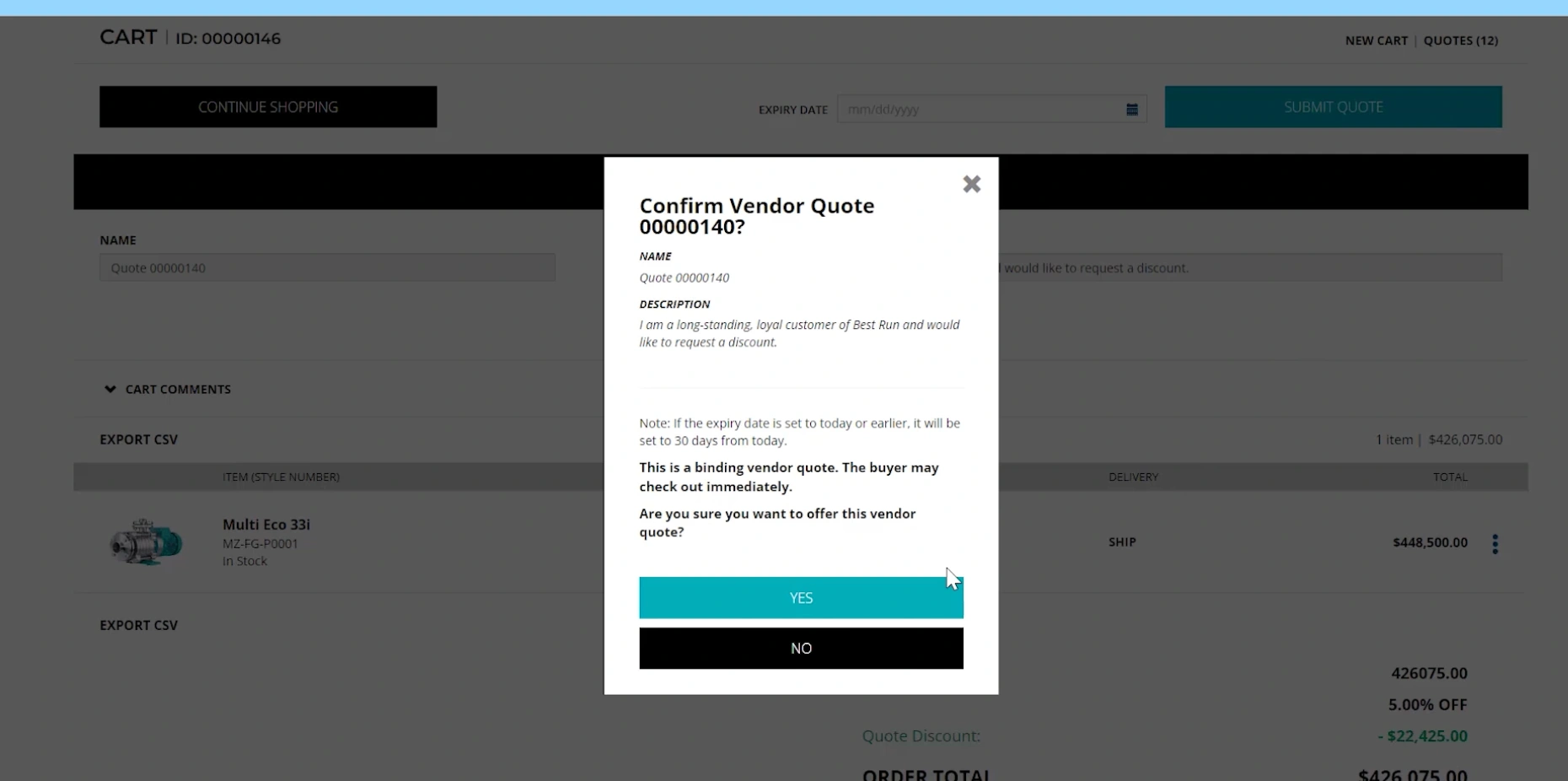
Square Online (built on Weebly technology) remains a practical option for merchants that already use Square for point of sale, payments, pickup, or local delivery. In Canada, Square Online currently has a $0 monthly Free plan, Plus at $36 per month billed annually, and Premium at $99 per month billed annually. Standard online processing on the Free and Plus plans is 2.8% + $0.30 per transaction, with a lower rate on Premium.
The main advantage is operational continuity between in-person and online selling. Square Online is less suited to stores that need deep catalog customization or a large enterprise extension ecosystem, but local retail, food, service, and appointment-led businesses can benefit from inventory and customer data living inside the same Square environment.
How to Compare Ecommerce Platform Cost
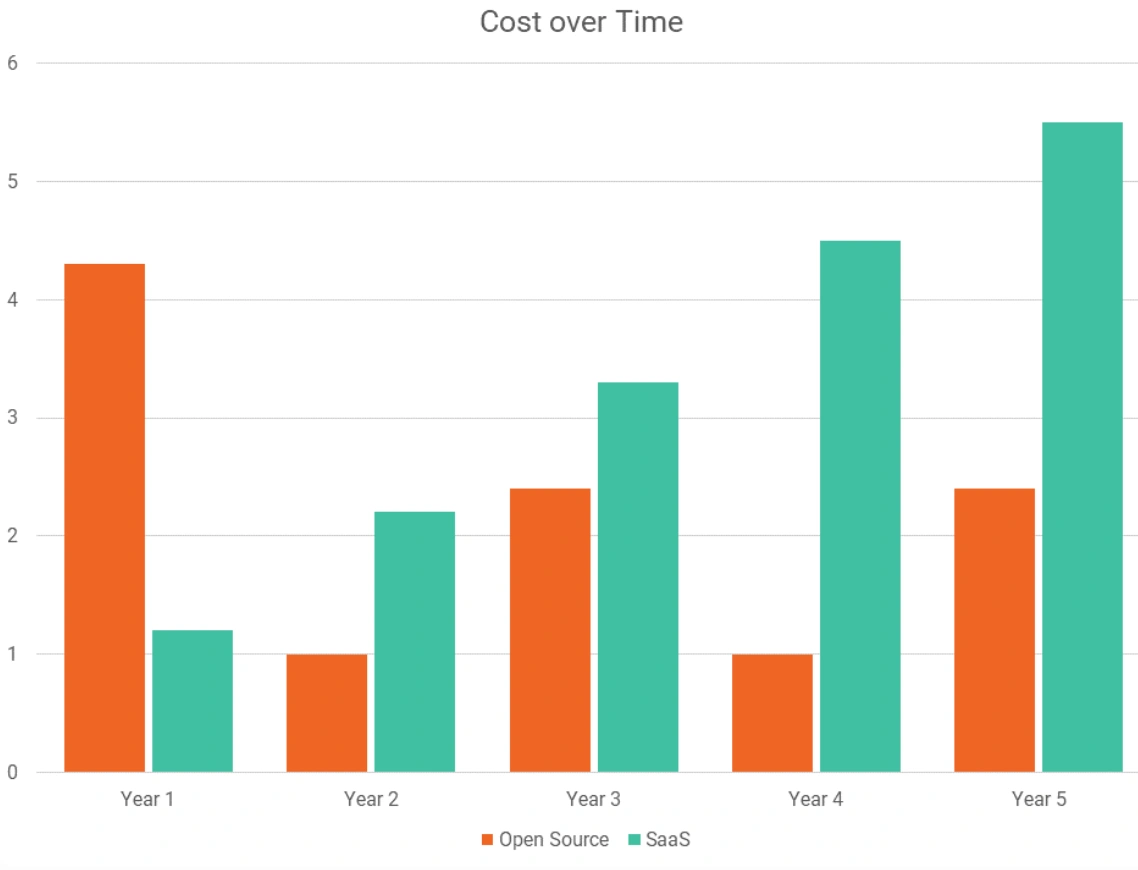
Subscription price is only one part of ecommerce cost. Hosted platforms can charge for higher plans, apps, additional markets, premium themes, transaction or payment-provider fees, POS features, and enterprise services. Open-source platforms can avoid a recurring platform subscription while shifting more cost into hosting, development, security, extensions, testing, and maintenance.
Model the store at today's scale and at the scale you expect in two to three years. Include payment volume, annual GMV, international markets, staff access, integrations, development hours, support requirements, and the cost of changing platforms later. A platform that looks inexpensive at launch can become costly if the store needs many paid add-ons, while a higher subscription can be economical if it replaces several separate tools.
Also test the work your team performs every week: creating a product, changing navigation, launching a promotion, updating metadata, issuing a refund, editing a checkout message, creating a landing page, and diagnosing a failed integration. The platform's operational friction is part of total cost, even when it does not appear on an invoice.
Deciding Among the Best Ecommerce Platforms
The decision should start with a requirements matrix rather than a feature count. Compare catalog complexity, checkout control, international markets, B2B needs, subscriptions, POS, content management, search, analytics, integrations, development ownership, and expected GMV. Then model three-year costs that include platform fees, payments, apps or modules, implementation, maintenance, migration, and internal administration.
Customer experience matters just as much as backend capability. A platform can be technically scalable while still producing a confusing storefront if information architecture, product discovery, merchandising, and checkout are weak. For a growing store, combine platform selection with UI UX design and test the complete path from landing page to purchase. If organic acquisition matters, include ecommerce SEO requirements in the selection process before templates and URL structures are locked in.
Frequently Asked Questions
Which ecommerce platform is best for a new small business?
For a small team, Shopify, Wix, Squarespace, Square Online, and hosted PrestaShop are often easier to operate because hosting and core infrastructure are managed. The right choice still depends on catalog size, payments, design requirements, POS needs, and how much customization the store requires.
When does WooCommerce make more sense than Shopify?
WooCommerce can make more sense when the business already relies on WordPress, needs deeper control over content or checkout behavior, and has the technical resources to manage hosting, plugins, updates, and security. Shopify is usually easier when the priority is a managed environment and a faster operating model.
When should a company consider Adobe Commerce, Salesforce Commerce Cloud, or SAP Commerce Cloud?
Enterprise platforms become more relevant when the organization has complex B2B or B2C models, multiple brands or countries, sophisticated pricing, large integrations, or strict governance requirements. The decision should be based on specific workflows and system dependencies rather than company size alone.
Should pricing be the main factor when choosing an ecommerce platform?
No. Subscription fees are only one part of cost. Compare payment fees, apps or modules, implementation, integrations, maintenance, internal administration, development, migration risk, and the time required to run normal merchandising and content tasks.
Looking to the Future
Commerce platforms are changing quickly as vendors add AI-assisted merchandising, content generation, search, and operational tools. Those features can reduce manual work, but they do not replace product data quality, governance, UX, or a reliable analytics stack. Brand Vision treats the platform as one layer of the broader ecommerce system rather than the strategy itself.
The strongest choice is the platform your organization can operate well at the next stage of growth. Before signing a long contract or beginning a migration, validate real workflows with representative products, integrations, payments, reporting, and content. If you need help translating business requirements into a platform and implementation brief, contact Brand Vision.