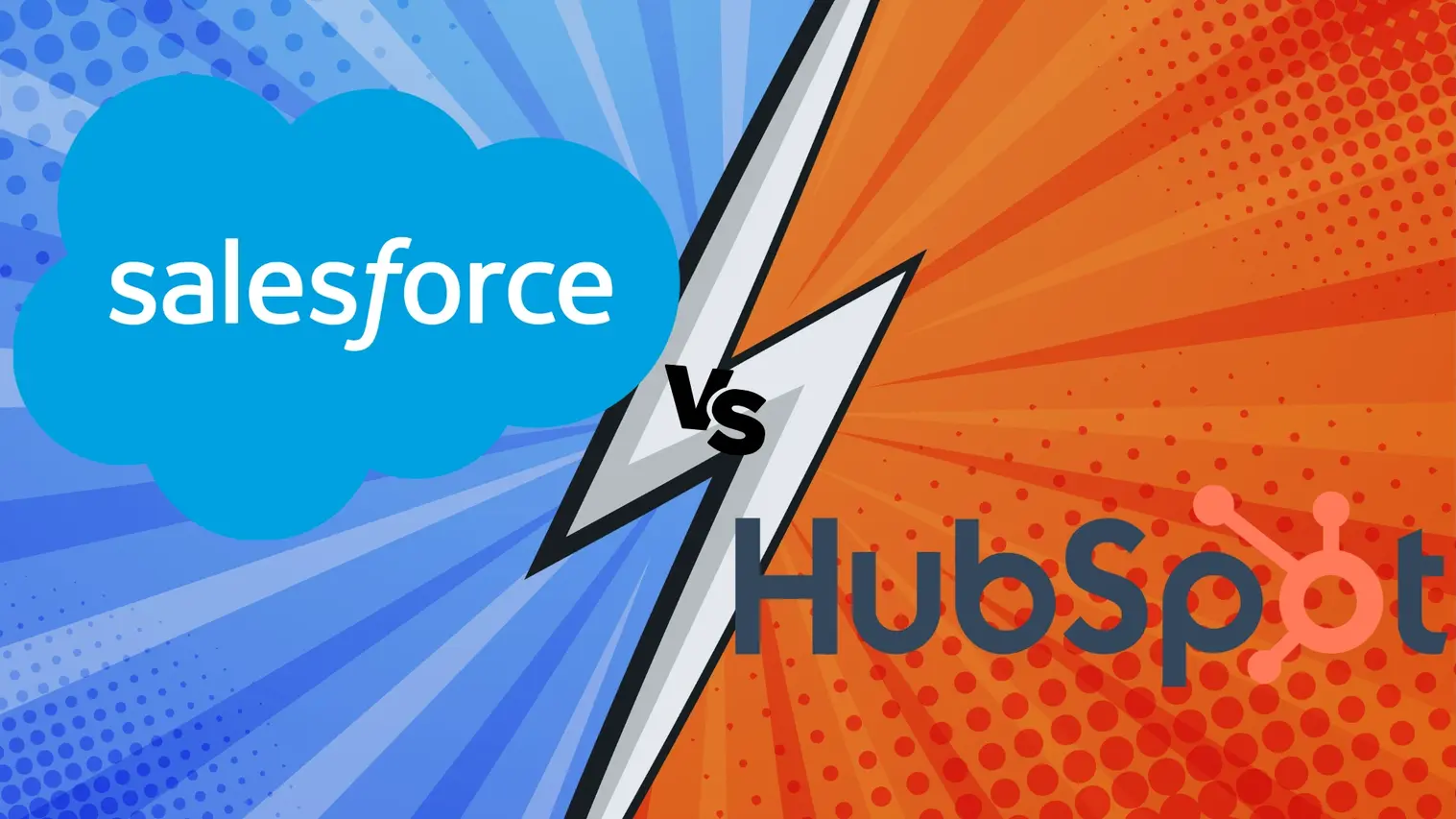
HubSpot vs Salesforce is rarely a pure feature comparison. It is a decision about how your team will run marketing and revenue operations for the next several years. The platform you choose shapes your data discipline, your reporting credibility, and how quickly campaigns move from idea to execution.
A marketing hub also touches the customer experience in ways leaders feel quickly. It influences how forms behave, how consent is captured, how leads flow to sales, and whether you can measure pipeline without arguments. When the platform is a mismatch, the cost shows up as slow launches, inconsistent dashboards, and a stack that grows fragile over time.
This comparison focuses on the operating choices behind HubSpot and Salesforce in 2026. HubSpot packages marketing, CRM, sales, service, content, and data tools inside one customer platform. Salesforce now spans Marketing Cloud Next Growth and Advanced editions alongside the established Account Engagement and Marketing Cloud Engagement products. The right comparison depends on which products you would actually buy, how your CRM is structured, and how much governance your team can sustain.
Why HubSpot vs Salesforce Is a Real Operating Decision
The platform sets the tempo
Marketing hubs determine how fast a team can ship. In many organizations, the marketing platform becomes the default place where campaigns live, contacts are segmented, and reporting is reviewed. If it is hard to use or hard to govern, work slows down and quality slips.
HubSpot vs Salesforce often comes down to the pace you need. Some teams optimize for speed, standardization, and broad adoption. Others optimize for enterprise controls, deep integration, and complex orchestration. The right answer depends on what the business requires, not on what the demo highlights.
The platform defines what is measurable
A marketing hub is a measurement system as much as it is a delivery system. It shapes definitions such as what counts as qualified, what counts as influenced, and how attribution is handled. If those definitions cannot be trusted, marketing becomes difficult to manage.
This is why HubSpot vs Salesforce needs to be framed as an executive decision. You are choosing how your organization will represent reality in dashboards, and how quickly it can turn insight into action.

What You Are Actually Comparing in Salesforce
Marketing Cloud Next, Account Engagement+, and Engagement+
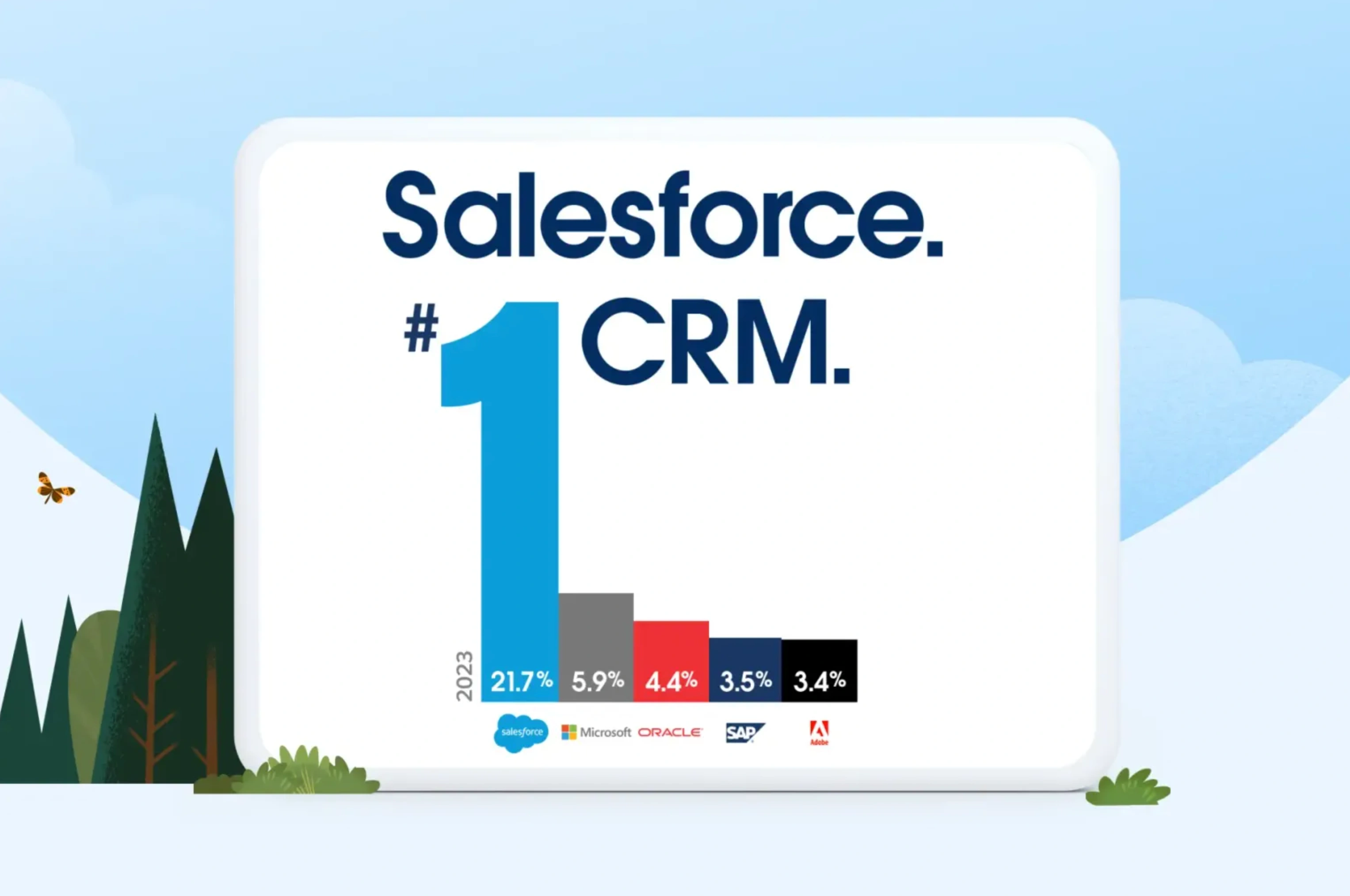
Salesforce's marketing portfolio now has two layers. New buyers can start with Marketing Cloud Next Growth or Advanced, while existing Account Engagement and Marketing Cloud Engagement customers can access next-generation capabilities through “+” editions. For B2B lead nurturing, scoring, and CRM-aligned programs, Account Engagement remains a relevant comparison for B2B marketing automation (Salesforce Account Engagement pricing).
For cross-channel journeys, email, mobile messaging, business-unit scale, and larger audience orchestration, Marketing Cloud Engagement remains part of the comparison, now paired with Marketing Cloud Next capabilities in the newer “+” packaging (Salesforce Marketing Cloud Engagement pricing). The important step is to compare the exact Salesforce edition and add-ons your organization would deploy, not the Salesforce name in the abstract.
The role of Sales Cloud and Data Cloud
Salesforce deployments often involve Sales Cloud as the CRM foundation, with Data Cloud or other services added when identity resolution, data unification, and activation require them. HubSpot combines Smart CRM with its Marketing, Sales, Service, Content, Data, and Revenue products in one platform (HubSpot Marketing pricing). For a technology marketing team, the practical question is whether one integrated operating model is sufficient or whether the business needs deeper customization across several Salesforce products.
The practical takeaway is simple. HubSpot vs Salesforce is not just marketing automation. It is CRM fit, data model fit, and how many systems you are willing to orchestrate to get a complete view.
HubSpot vs Salesforce at a Glance
Where HubSpot tends to win
HubSpot vs Salesforce often favors HubSpot when speed and usability are the priorities. HubSpot is built to help teams launch quickly, standardize workflows, and reduce tool sprawl. It is commonly strong when marketing and sales want a shared view of contacts, deals, and activity without heavy customization.
HubSpot can also fit teams that prioritize broad adoption over deep customization. If only a few specialists can operate the platform safely, normal campaign work can become a bottleneck. The relevant test is how much of the day-to-day system can be managed by the team you actually have.
Where Salesforce tends to win
Salesforce often fits organizations that need enterprise integration depth, complex permissioning, multiple business units, and highly customized revenue processes. Those capabilities can be valuable, but they also increase the need for administration, documentation, testing, and release discipline.
Salesforce is also frequently chosen when a company already runs its revenue process on Salesforce CRM and needs marketing to integrate tightly into that system. In those environments, the marketing hub is expected to follow the CRM truth and meet strict governance requirements.

HubSpot vs Salesforce: The Comparison Framework That Holds Up in Real Life
A practical framework keeps HubSpot vs Salesforce grounded in operating reality. The goal is not to select the most capable platform in theory. The goal is to select the marketing hub your organization can run well.
Strategy fit
Start with how the business grows. Is the priority pipeline creation, account expansion, retention, product adoption, partner channels, or a portfolio of motions. HubSpot vs Salesforce looks different when the primary motion is sales-led B2B compared with consumer lifecycle programs or multi-brand orchestration.
A useful test is to map your top five revenue programs and ask which platform makes those programs easier to run with consistent measurement. If the hub makes the most important programs harder, the platform will not age well.
Operating model fit
HubSpot vs Salesforce is also a choice about how work is owned. Who maintains data definitions, who owns automation logic, who approves changes, and who manages integrations. A platform that requires a center of excellence can be a good choice if you have one. It becomes risky if you do not.
Define the roles you can sustain:
- Platform owner and admin capacity
- Data governance and lifecycle ownership
- Sales operations alignment
- Content operations and template governance
If those roles are not clear, choose the simpler operating model.
Total cost of ownership
License cost matters, but it is not the main cost. The main cost is implementation, training, integration maintenance, and the time spent reconciling data. HubSpot vs Salesforce should be evaluated using a three year lens that includes build cost and run cost.
Use a simple rule. If the platform requires ongoing specialist help to do normal work, it will slow execution and increase total cost even if the licensing looks reasonable.
CRM and Revenue Process Fit
HubSpot vs Salesforce is often decided at the CRM layer, even when the conversation starts with marketing. If your CRM is fragmented or under adopted, marketing automation will inherit that instability.
HubSpot provides a unified environment where marketing and sales can share CRM objects, lifecycle data, automation, and reporting. Salesforce provides a highly configurable CRM foundation that many enterprises standardize across business units. The difference is how much customization you need and how much governance you can maintain. Brand Vision approaches that choice as part of the wider customer journey rather than as a software-only decision.
When evaluating CRM fit in HubSpot vs Salesforce, pressure test these areas:
- Lifecycle stage definitions and handoffs
- Lead routing rules and SLA reporting
- Data model complexity, including custom objects and relationships
- Permissioning needs across teams and regions
- Sales workflow dependencies such as tasks, sequences, and opportunity stages
If the business requires a heavily customized sales process across multiple units, Salesforce tends to be stronger. If the business needs consistent adoption and simpler shared visibility, HubSpot tends to be stronger.
This is also where positioning and customer experience matter. CRM and marketing only work well when the value proposition is clear and the funnel is coherent. A platform cannot compensate for unclear messaging. If your funnel feels inconsistent, align the revenue narrative with your branding strategy work so the marketing hub is enforcing clarity rather than amplifying confusion.
Automation and Journey Orchestration
HubSpot vs Salesforce becomes most visible in automation. Automation is where teams either gain operational leverage or create a fragile maze.
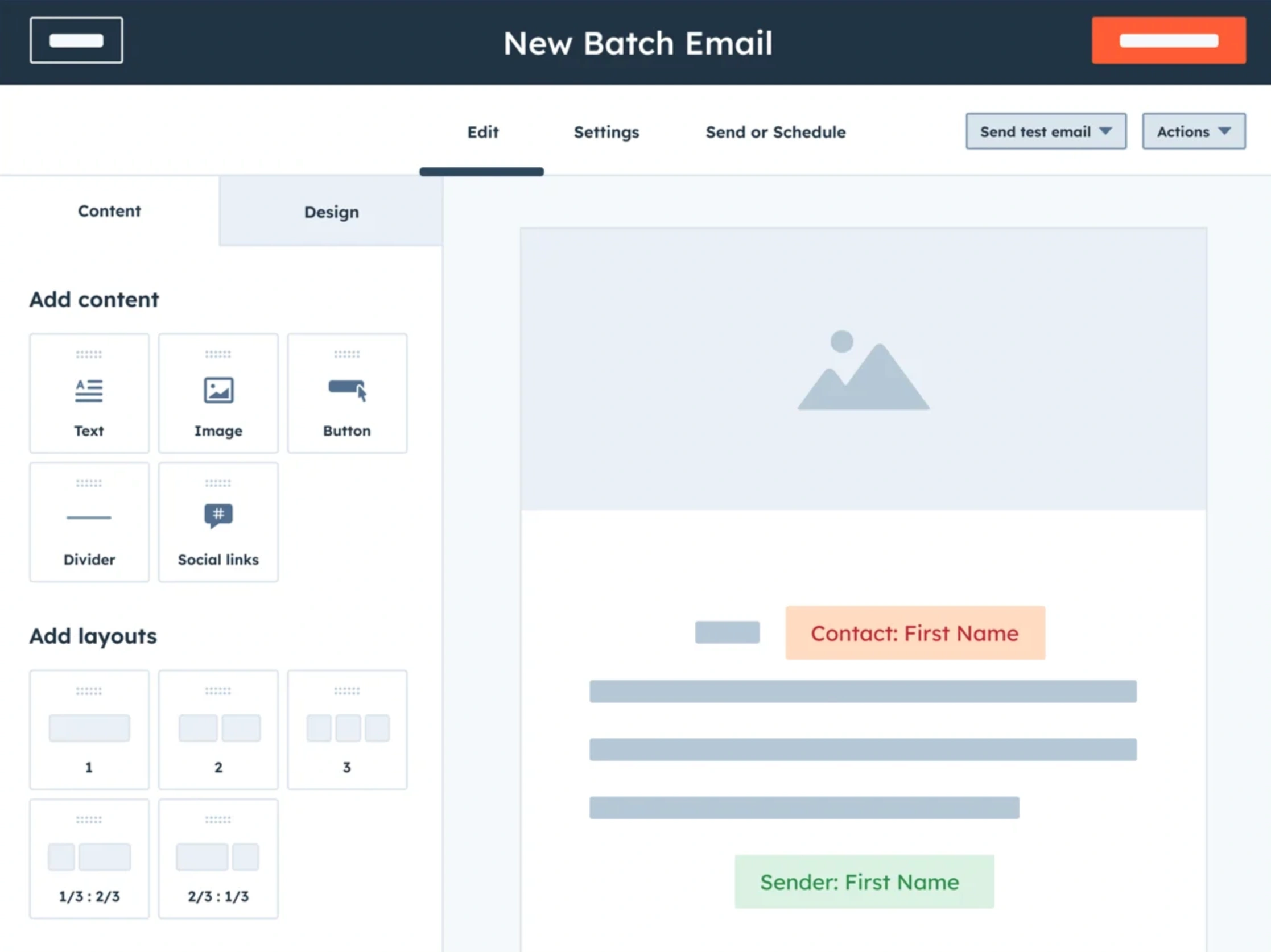
HubSpot generally supports fast automation setup, simpler lifecycle programs, and strong usability for teams that need to ship without waiting on specialists. Salesforce typically supports deeper orchestration options, especially in environments that need advanced segmentation, multi-business unit rules, and enterprise-scale journeys.
To compare automation in HubSpot vs Salesforce, evaluate:
- Trigger logic and branching complexity
- Suppression, frequency controls, and governance guardrails
- Journey ownership and approval workflows
- Cross-channel coordination, including email, SMS, and web experiences
- Debugging, auditing, and rollback practices
One practical way to test is to build a representative lifecycle flow on paper. Then estimate how many roles are needed to build it, approve it, and maintain it. The platform that reduces complexity without reducing control is the better fit.
Salesforce's current marketing packaging combines org-level subscription pricing with usage-sensitive capabilities and add-ons in parts of the stack. Account Engagement+ starts at $1,250 USD per organization per month on an annual contract, with higher tiers adding analytics, business units, support, and additional capabilities (Salesforce Account Engagement pricing). That makes governance important because architecture and usage choices can change ongoing cost.
Reporting, Attribution, and Executive Visibility
HubSpot vs Salesforce can succeed or fail based on reporting trust. Leaders need dashboards that are stable, explainable, and tied to revenue outcomes. If reporting is inconsistent, teams stop using it and revert to spreadsheets and arguments.
HubSpot often provides accessible reporting for teams that want fast visibility and shared dashboards across marketing and sales. Salesforce reporting can be extremely powerful, but it often depends on configuration quality, consistent data definitions, and the discipline of the organization.
To evaluate reporting in HubSpot vs Salesforce, focus on a small set of executive questions:
- What drove pipeline last quarter
- Which programs influence conversion rates by stage
- Where leads stall and why
- Which channels create high-quality opportunities, not just volume
- How long it takes to move from first touch to closed won
Attribution deserves special attention. Complex attribution models can create false certainty. The better approach is consistent definitions, high-quality tracking, and shared interpretation between marketing and sales. In many cases, the platform that makes reporting adoption easier delivers better executive visibility than the platform with the most complex attribution options.
This is also where instrumentation meets web experience. If your website tracking is inconsistent, no marketing hub will produce reliable reporting. Treat analytics, tagging, and funnel tracking as part of the marketing hub program. If the site needs rework to support measurement and conversions, align it with your SEO and analytics foundation.
Data, Identity, and Permissioning
Data quality is the quiet driver of HubSpot vs Salesforce outcomes. Both platforms can support segmentation and personalization, but only when identity and governance are handled well.
When comparing HubSpot vs Salesforce on data, evaluate:
- Contact matching and deduplication controls
- Consent capture and preference management
- Data sync behavior with CRM, including conflict resolution
- Support for custom objects and data relationships
- Permissioning requirements across teams, regions, and brands
Salesforce environments can be well-suited to complex permissioning and multi-unit governance. HubSpot can be well-suited to centralized teams that want simpler controls and faster execution. The right choice is the one that matches your compliance and governance requirements without creating operational paralysis.
Data unification matters regardless of vendor. A marketing consultation can help define lifecycle stages, source-of-truth rules, reporting requirements, and ownership before a migration begins. Salesforce’s State of Marketing research emphasizes unified data and personalization at scale (Salesforce State of Marketing). The platform choice determines how those principles are operationalized, but it does not replace the underlying governance.
Website, UX, and Conversion Paths
HubSpot vs Salesforce is often discussed as a back-office decision, but it affects the front-office experience. Your marketing hub touches the website through forms, landing pages, personalization, and tracking. If those elements are inconsistent, conversion suffers.
Forms, consent, and performance
Compare how HubSpot vs Salesforce handles your core conversion path. Many organizations need a stable approach for:
- Forms and form styling consistency
- Progressive profiling and data capture logic
- Consent and preference capture aligned to policy
- Performance impact of scripts and embeds
- Clean attribution across channels and devices
The best platform is the one that allows you to run conversion paths without compromising performance. Marketing hubs can add scripts and complexity that slow pages and reduce conversion rate. This is why the hub decision should be paired with a disciplined website architecture and template system.
A strong approach is to design conversion paths and templates as part of the digital foundation, then integrate the marketing hub cleanly. This is where a considered web design rebuild can reduce future friction and keep the marketing platform from dictating the UX.
Accessibility and compliance
WCAG 2.2 is a current W3C accessibility standard that covers areas such as focus states, forms, navigation, target size, and authentication (WCAG 2.2). WCAG is a technical standard, not a universal statement of law, so the legal requirements depend on the organization, jurisdiction, and service involved. If the marketing platform generates pages, forms, or embeds, those components should be included in accessibility testing.
HubSpot vs Salesforce should therefore be evaluated at the rendered-experience level, not only by feature lists. Teams should test real forms, landing pages, consent patterns, keyboard behavior, validation messages, and third-party scripts. UX research can reveal where an implementation creates friction before it becomes a large-scale template problem.
For teams that want to align conversion UX, accessibility, and measurement into one operating system, connecting the hub decision to a broader UI UX strategy reduces risk and improves conversion outcomes.
Implementation, Governance, and Cost to Run
Implementation is where HubSpot vs Salesforce becomes real. Most failures are not vendor failures. They are governance failures.
HubSpot vs Salesforce implementation should be planned around a clear set of decisions:
- Data model and lifecycle definitions
- CRM field governance and ownership
- Campaign taxonomy and naming standards
- Automation guardrails, approvals, and documentation
- Reporting definitions and executive dashboard structure
- Integration inventory and monitoring practices
Cost to run is also a core comparison point. Some organizations can sustain an admin team, integration support, and release management. Others cannot. A marketing hub that requires constant specialist attention will slow execution even if it looks powerful.
Pricing behaves differently across ecosystems. As of September 2026, HubSpot Marketing Hub Professional starts at $800 USD per month on an annual commitment and Enterprise starts at $3,600 per month, with included Core Seats, marketing-contact tiers, HubSpot Credits, and required onboarding fees for the higher editions (HubSpot Marketing pricing). Salesforce Account Engagement+ starts at $1,250 USD per organization per month and scales through higher annual-contract tiers (Salesforce Account Engagement pricing). Marketing Cloud Engagement has separate Pro+, Corporate+, and Enterprise+ pricing, so a valid total-cost comparison has to include the exact products, audience volumes, add-ons, implementation, and admin model.
A simple way to compare HubSpot vs Salesforce on run cost is to estimate:
- Admin hours per week to keep the system healthy
- Number of integrations to maintain
- Number of workflow owners and approval steps
- Time to launch a new lifecycle program end to end
- Time to troubleshoot reporting discrepancies
The platform with the lower weekly friction often wins long term.
Common Pitfalls When Choosing Between HubSpot and Salesforce
HubSpot vs Salesforce decisions can go sideways in predictable ways. Most of them are avoidable.
Common pitfalls include:
- Choosing based on a demo instead of real workflows
- Underestimating data cleanup and lifecycle definition work
- Assuming marketing automation will fix unclear strategy
- Overbuilding complex journeys without governance
- Ignoring website performance and accessibility impacts
- Treating reporting as an add on rather than a core requirement
Another common issue is comparing the wrong Salesforce product. If your need is B2B pipeline, compare HubSpot against Account Engagement and CRM alignment. If your need is enterprise cross channel orchestration, compare HubSpot against Marketing Cloud Engagement with an honest view of operational requirements.
HubSpot vs Salesforce also requires clarity on how sales operates. If sales stages are inconsistent, marketing reporting will never be trusted. Align on definitions before platform selection. The marketing hub should reflect the revenue process, not reinvent it.
Recommendation Paths by Company Stage and Complexity
HubSpot vs Salesforce can be simplified by matching platform choice to organizational maturity and complexity. The goal is to select a marketing hub that supports the next stage of growth without creating avoidable drag.
Early stage
Early-stage teams often prioritize speed, standardization, and low maintenance. HubSpot can fit that operating model when the company wants one shared customer platform and does not yet need extensive enterprise customization. A startup marketing team should still test contact pricing, required integrations, reporting needs, and future data complexity rather than assuming the simpler platform will always remain the lower-cost option.
In this stage, avoid overbuilding. Choose the marketing hub that supports consistent execution and clean measurement. Invest time in clarifying positioning, tightening conversion paths, and creating templates that can scale.
Scaling mid-market
Mid-market organizations often face growing complexity: more segments, a larger sales team, more integrations, and higher expectations for reporting credibility. HubSpot can remain viable at this stage, while Salesforce becomes more attractive when the organization genuinely needs customized CRM processes, advanced permissioning, or multi-team governance. The deciding factor is the operating model, not company size by itself.
If the team needs to move fast and maintain consistency with fewer specialists, HubSpot can still be the better operating choice. The deciding factor is whether you can run the governance model Salesforce environments often require, and whether the business truly needs that level of orchestration.
Enterprise and multi-business unit
Enterprise organizations commonly need complex permissioning, multi-unit governance, and integration with broader systems. Salesforce can align naturally when the revenue process is already standardized on Sales Cloud and the organization has the administration and release processes to support it. HubSpot Enterprise can also support larger teams, so the comparison should be tested against actual data models, permissions, regional requirements, and journey complexity.
The risk is not capability. The risk is operational load. If governance, documentation, and release discipline are not real, the marketing hub becomes slow and brittle. Enterprise leaders should ensure ownership is defined and resourced before committing.
The Way to Move From Shortlist to Decision
A clean decision process makes HubSpot vs Salesforce less political and more practical. Use a small set of structured steps that force realism.
- Define three revenue programs that must work. Pick programs that touch sales handoffs and reporting.
- Map the data required for those programs. Identify sources, conflicts, and missing definitions.
- Run a workflow pilot. Build one representative automation, one reporting view, and one conversion path.
- Score operational friction. Measure time to build, time to approve, and time to troubleshoot.
- Confirm ownership and run cost. Identify who will own the platform, integrations, and governance.
HubSpot vs Salesforce is best decided by how the system will run six months after launch, not how it looks on day one. The marketing hub should support disciplined execution, credible reporting, and a customer experience that converts.
If your organization is comparing platforms alongside a website or funnel rebuild, a marketing agency in Chicago can help connect local market needs with the broader CRM and conversion architecture. Brand Vision can also support the implementation brief through web design services and a UI UX agency engagement. For another platform-selection framework, see Brand Vision's guide to the best ecommerce platforms.












.webp)