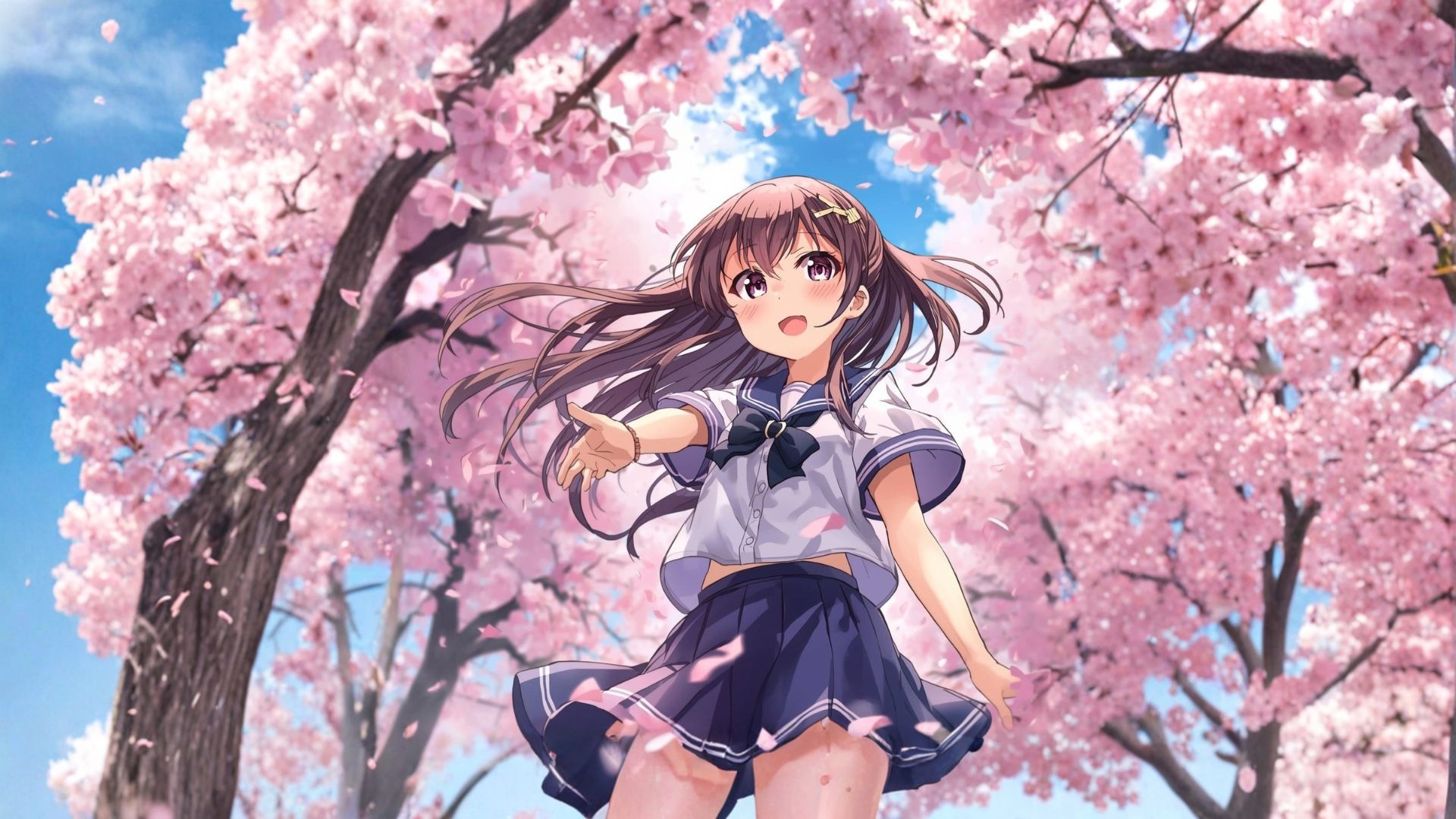
Anime has long been celebrated for its unique blend of emotion, artistry, and storytelling. Its bold lines, expressive eyes, and dreamlike color palettes have inspired fans and creators across the globe. But until recently, recreating that style required professional illustration skills — or a lot of time.
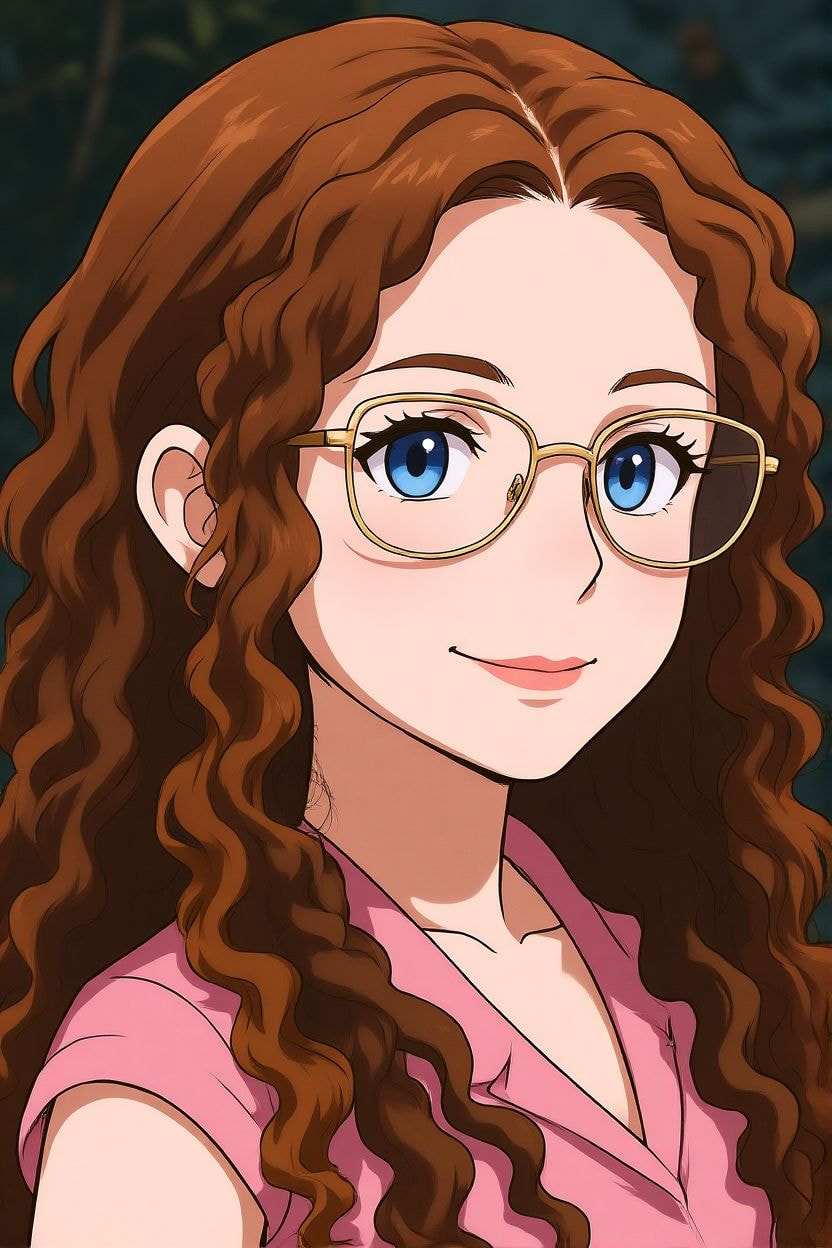
Thanks to photo-to-anime AI generators, anyone can now transform their portraits, pet photos, or even landscapes into stunning anime artwork with just a few clicks. This fusion of art and artificial intelligence has opened the door to a new wave of creativity, personalization, and self-expression.
The Rise of AI-Generated Anime Art
AI art generators have exploded in popularity since 2022, driven by powerful models like Stable Diffusion and generative adversarial networks (GANs). But one of the most beloved applications has been anime transformation AI — tools that convert real photos into animated-style visuals.
Social media has played a big part in this trend. TikTok, Twitter (X), and Instagram are filled with users showcasing “anime versions” of themselves. Some look like characters from Attack on Titan or Spirited Away, while others resemble original fantasy avatars.
For anime enthusiasts, this isn’t just a novelty — it’s a way to merge their real-life identity with their favorite art style.
How Does Photo-to-Anime AI Work?
Behind the scenes, photo-to-anime AI relies on deep neural networks — algorithms trained on massive datasets of anime images and real photos. The AI learns patterns in:
- Facial structure and proportion
- Hair and eye stylization
- Line thickness and shading
- Color gradients typical of anime art
When you upload your photo, the AI identifies your facial features, pose, and background. Then, it applies stylistic transformations — replacing real textures with anime-style color blocks, adjusting eyes, softening contours, and often exaggerating key features like hair or lighting.
The result? A beautifully stylized version of your photo that looks like it was hand-drawn by a professional anime artist.
Popular Uses of Photo-to-Anime Tools
The applications for photo-to-anime technology go far beyond simple entertainment. Creators, brands, and fans are finding clever ways to use these AI transformations in their projects:
1. Personal Avatars and Profile Pictures
Anime-style profile pictures are now a social media trend. Many people use photo-to-anime tools to give their online persona a creative twist — playful, mysterious, or dreamlike.
2. Marketing and Branding
Businesses in gaming, entertainment, and design are using anime aesthetics to connect with younger audiences. Anime-inspired visuals create emotional appeal and stand out on digital platforms.
3. Fan Art and Character Creation
Artists use these AI tools as a base for fan art or new character ideas. You can take your own photo, turn it into an anime version, and then refine it in drawing software for unique results.
4. Cosplay Visualization
Cosplayers use photo-to-anime generators to visualize how they might look as specific characters — a fun and creative way to plan costumes.
5. Pet Anime Portraits
Yes — even pets are getting the anime treatment. Users upload pet photos to see their cats or dogs turned into adorable anime companions.
The Pros and Cons of Photo-to-Anime AI
Like all AI art tools, photo-to-anime generators come with both creative advantages and ethical considerations.
Pros:
- Accessibility: No art skills required — anyone can create anime-style portraits.
- Speed: Produces results in seconds.
- Customization: Many tools allow you to adjust styles, filters, and backgrounds.
- Inspiration: Artists can use outputs as creative references.
Cons:
- Originality Concerns: AI-generated art sometimes mimics existing anime artists’ styles.
- Quality Variation: Not all tools maintain facial accuracy or realism.
- Privacy Risks: Users should choose tools that don’t store or misuse personal photos.
As the technology matures, responsible AI development — including clear data policies — is becoming a top priority.
Choosing the Right Photo-to-Anime Tool
With dozens of AI anime generators now available online, it’s important to choose one that offers balance between creativity, quality, and safety.
Here’s what to look for:
- High-resolution output: Avoid pixelated or compressed results.
- Privacy protection: Make sure uploaded photos are not stored or reused.
- Customizable styles: The best generators offer multiple anime themes or filters.
- Fast processing: Cloud-based tools can handle conversions quickly.
Spotlight: AI Anime — Turning Photos into True Anime Art
One platform that’s leading this movement is AI Anime, an intuitive online tool designed to make anime transformations effortless and high-quality.
With AI Anime, users can upload any portrait or image and instantly see it reimagined in authentic anime style. The platform’s algorithms are trained on diverse anime art styles — from classic 2D aesthetics to modern digital looks — ensuring that every transformation feels unique.
Key Highlights of AI Anime:
- Ultra-fast “photo to anime” conversion.
- Multiple anime filters and moods (romantic, action, fantasy, slice-of-life).
- Privacy-first processing — no image data retention.
- High-definition output for social media, avatars, or prints.
While many tools focus only on visual transformation, AI Anime emphasizes artistic quality — producing results that truly resemble original anime illustrations.
The Broader Impact of AI Art
Beyond entertainment, AI anime generation is reshaping how we think about authorship, creativity, and art ownership. Artists now use AI as a collaborative assistant, helping them visualize concepts faster. Meanwhile, fans can participate directly in the creative process, turning passive admiration into active expression.
In a world where the line between human and machine creativity continues to blur, tools like photo-to-anime generators highlight the exciting possibilities of co-creation — where AI amplifies imagination rather than replacing it.
Ethical Use and Creative Responsibility
As with all AI art tools, it’s important to use photo-to-anime software ethically. Users should avoid uploading copyrighted images or generating likenesses of others without consent. Likewise, creators of AI tools must prioritize transparency — clearly explaining how models are trained and ensuring data safety.
The best AI platforms, such as AI Anime, follow strict guidelines for responsible innovation, keeping user trust at the core of the experience.
The Future of Photo-to-Anime AI
We’re only scratching the surface of what this technology can do. Future photo-to-anime tools may offer:
- Real-time video anime filters for streaming or live chats.
- Custom character creation using voice and motion input.
- Cross-platform avatar integration for games and metaverse spaces.
As AI continues to evolve, so will its ability to understand not just faces and colors — but emotions, expressions, and storytelling itself.
Final Thoughts
AI is no longer just a tool for coders or engineers — it’s a creative partner for everyone. The photo-to-anime revolution proves that technology and art can coexist beautifully, allowing anyone to express their identity through the lens of Japanese-inspired animation.
Whether you’re an anime fan, an artist, or just curious to see yourself in a different world, AI photo transformation tools make it possible — instantly and beautifully.
If you’re ready to experience it for yourself, explore AI Anime, a powerful and easy-to-use platform that brings anime artistry to your photos in seconds. Turn your memories into masterpieces — and let your imagination come alive, one anime portrait at a time.
%2520(1).png)