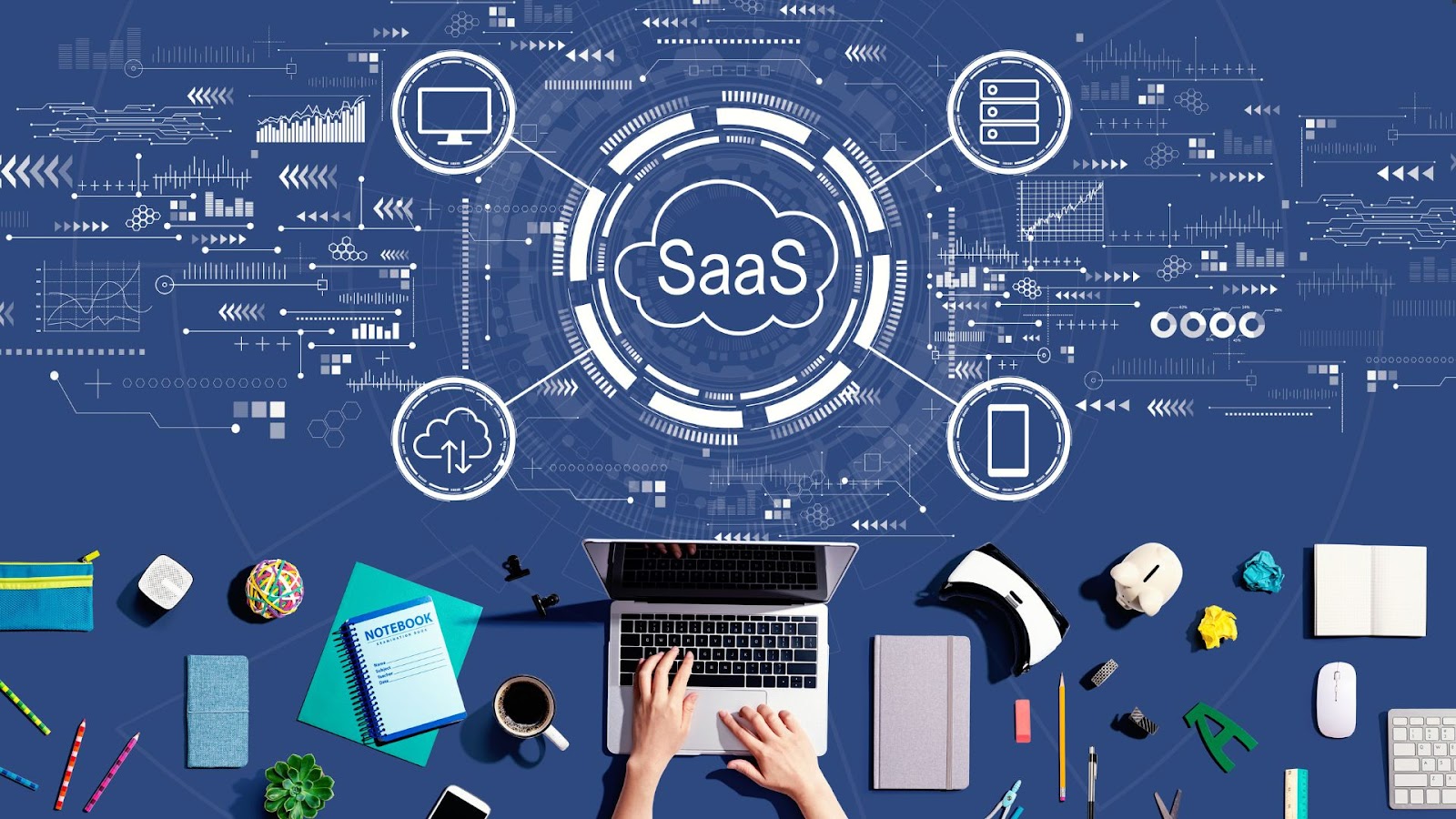
What does it take to build a SaaS product that not only functions well but also scales effortlessly? The journey from an initial idea to a fully operational software-as-a-service (SaaS) platform follows a structured lifecycle, where each phase plays a critical role in ensuring success. From conceptualization to continuous improvements post-launch, a strategic approach is necessary to create reliable and high-performing solutions.
Understanding the Difference: Traditional SDLC vs. SaaS Development Lifecycle
While the Software Development Lifecycle (SDLC) applies to all types of software, SaaS products have unique requirements that set them apart. Traditional SDLC typically follows a linear or iterative model, where software is developed, installed on user devices, and updated periodically. Once deployed, significant changes often require a new release or patch.
In contrast, the SaaS Development Lifecycle (SaaS DLC) is built around continuous delivery and scalability. SaaS products are hosted in the cloud, requiring ongoing maintenance, real-time updates, and seamless scaling. Instead of static deployments, SaaS development focuses on iterative improvements, high availability, and multi-tenancy support to serve multiple customers from a single infrastructure. Security, compliance, and integration capabilities also play a more critical role in SaaS DLC compared to traditional software models.
1. Ideation and Market Research
Every SaaS product starts with an idea, but not every idea turns into a successful platform. The first step is validating the concept by researching market demand, competitor offerings, and customer pain points. Conducting surveys, analyzing industry trends, and engaging with potential users help shape the product vision. A clear problem statement and a unique value proposition form the foundation of a viable SaaS solution.
2. Defining Requirements and Planning
Once the idea is validated, detailed planning begins. This phase includes defining the core features, technical requirements, and user workflows. Creating a product roadmap ensures that development efforts align with business goals. Choosing the right technology stack, deciding between cloud providers, and considering integrations with third-party tools are crucial steps at this stage. Teams must also establish key performance indicators (KPIs) to measure progress.
3. Prototyping and MVP Development
Rather than building a full-fledged product upfront, most SaaS companies start with a Minimum Viable Product (MVP). A prototype or wireframe helps visualize the platform’s structure, allowing early feedback from stakeholders. The MVP focuses on delivering essential features that solve a core problem, minimizing time-to-market while gathering insights from real users. This iterative approach reduces risks and improves development efficiency. Partnering with MVP development companies can further enhance this process, providing expertise and resources to ensure a successful launch.
4. Backend and Frontend Development
Development is divided into two primary areas: backend and frontend. The backend includes databases, APIs, authentication mechanisms, and server-side logic that ensure secure data management and system performance. The frontend, or user interface (UI), is where customers interact with the software. A responsive, intuitive, and user-friendly design enhances the overall experience.
Agile development methodologies, such as Scrum or Kanban, are often used to break down tasks into sprints, ensuring continuous progress and adaptability to changing requirements. Collaboration between developers, designers, and product managers is key to maintaining efficiency during this phase.
5. Testing and Quality Assurance
No SaaS product should be released without rigorous testing. This stage involves multiple types of testing, including:
- Unit Testing: Ensuring individual components function correctly.
- Integration Testing: Verifying interactions between different system modules.
- Performance Testing: Evaluating system speed, stability, and scalability.
- Security Testing: Identifying vulnerabilities and enforcing data protection measures.
- User Acceptance Testing (UAT): Gathering feedback from real users to ensure the product meets expectations.
Automated testing tools and manual quality assurance processes help identify and resolve issues before deployment, preventing costly errors post-launch.
6. Deployment and Cloud Infrastructure
Once the product is stable and thoroughly tested, it moves to the deployment phase. Choosing a robust cloud infrastructure is essential for scalability, security, and uptime reliability. SaaS applications are typically hosted on platforms like AWS, Google Cloud, or Microsoft Azure, offering flexible resources that adapt to user demand.
Deployment strategies such as continuous integration/continuous deployment (CI/CD) pipelines streamline updates and minimize downtime. Rolling out new features incrementally ensures a seamless transition without disrupting existing users.
7. Launch and Customer Onboarding
A well-executed launch strategy makes a significant impact on the product’s success. Marketing efforts, including content campaigns, partnerships, and targeted promotions, help attract early adopters. A smooth onboarding process, complete with tutorials, in-app guidance, and customer support, improves user retention and satisfaction.
Offering free trials or freemium models can also accelerate adoption. SaaS companies must prioritize user engagement and address concerns quickly to build trust and loyalty.
8. Monitoring, Maintenance, and Updates
SaaS development doesn’t end at launch; continuous monitoring and updates are required to ensure stability and user satisfaction. Performance tracking tools, such as application performance monitoring (APM) solutions, provide insights into system health, user behavior, and potential bottlenecks.
Continuous updates and optimizations are essential for maintaining a seamless user experience. Businesses that invest in well-structured SaaS development services can ensure reliability while fostering innovation.
9. Scaling and Future Growth
As user demand grows, scalability becomes a priority. Optimizing databases, leveraging load balancing, and implementing microservices architecture enable the platform to handle increased traffic efficiently. Expanding integrations, supporting multiple devices, and localizing content for different regions enhance global reach.
Gathering customer feedback and analyzing usage patterns guide future feature development. A data-driven approach ensures that enhancements align with real user needs, driving retention and competitive advantage.

Conclusion
Building a SaaS product is a continuous journey that requires strategic planning, development expertise, and ongoing improvements. Each phase of the SaaS development lifecycle plays a crucial role in ensuring a scalable, reliable, and user-friendly solution. By focusing on market research, iterative development, rigorous testing, and continuous optimization, businesses can create SaaS platforms that meet evolving demands and stand the test of time.
.webp)