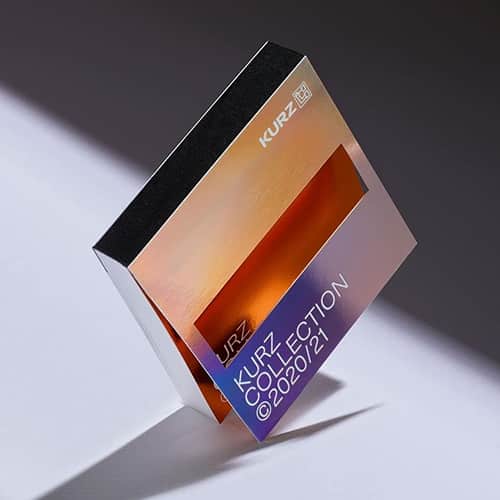
Have you ever grabbed a product simply because its packaging caught your attention? No coincidence. Behind every great brand experience is a thoughtful arrangement of visual design and functional elements. Packaging is not only about protecting products anymore—it's a quiet dialogue with consumers in the busy marketplace. That instant choice to grab one product over another usually boils down to the packaging that engages, safeguards and convinces. What seems like a simple wrapper or box represents the culmination of psychology, materials science, and marketing savvy rolled into one tangible touchpoint.
‐

The Evolution of Packaging Technology
Remember when "high-tech packaging" meant a box with a plastic window? Those days are behind us. Packaging technologies today include everything from QR codes that share a product's history to preservative-free materials that preserve shelf life. Businesses that invest in industry innovation tend to have a competitive advantage if they adopt automated packaging solutions that increase product protection while cutting down on material waste.
Solutions like design-ready custom mailer boxes can streamline packaging processes, enhance product presentation, and ensure a consistent brand experience from warehouse to customer doorstep.
The technological advancements that we have observed were not serendipitous. They met evolving consumer behavior and retail realities. Remember when child-proof caps seemed revolutionary? Now we have time-temperature indicators that change color when food spoils, anti-theft technologies embedded right into packaging, and materials that biodegrade faster than a banana peel in your backyard compost.
What drives these changes? Sometimes, they're needed: such as the increase in tamper-evident packaging following product tampering panics during the 1980s. Sometimes, they're possible: such as when the growth of e-commerce spawned a whole new set of packaging issues. With products bouncing between multiple handling points, packaging engineers had to rethink protection while keeping materials lightweight enough to avoid shipping cost penalties.
Psychology of Packaging Design
Your brain makes decisions about products even before you're consciously aware. Color psychology plays a huge part—blue instills trust (consider pharmaceutical packaging), while red provokes appetite (have you noticed how many food companies use this color?).
Shape matters, too. Angular packaging suggests efficiency and strength, while curved designs feel more approachable and feminine. Even the texture influences perception: a lightly roughened finish may indicate authenticity and handwork, while exceedingly smooth surfaces convey precision and high-end.
Ever wonder why premium chocolate is packaged in hard-to-open containers? That's intentional. Making the container slightly hard to open generates anticipation and makes the reward more of an event: it's like opening a present.
The sound of packaging opening also factors in. That distinctive "pop" when opening a fresh jar or the crisp crinkle of specific wrappers triggers positive associations. Some brands have even trademarked their packaging sounds because they influence recognition.
‐

Sustainability Meets Functionality
The days of excessive packaging are numbered. Consumers now expect brands to do better, pushing companies toward the sweet spot where protection meets planet-friendly design.
Mushroom packaging materials, edible wraps, plant plastics: innovation never ceases. However, the difficulty is not discovering environmentally friendly materials; it's getting them to work as well as their conventional counterparts.
Innovative brands approach this challenge creatively. Some minimize packaging altogether. Others are designed for second lives, such as shampoo bottles that become squeeze toys or shipping boxes that transform into children's playhouses.
The greatest sustainable packaging does not come across as compromise: it's an improvement. When eco-friendly packaging works seamlessly (or better than conventional alternatives), adoption skyrockets.
Conclusion
Good packaging does more than hold a product. It speaks its story, guards its integrity, and increasingly expresses values greater than the product itself. As science and creativity continue merging in this space, we'll see packaging that's smarter, more sustainable, and even more attuned to human psychology than ever before.

%2520(1).png)