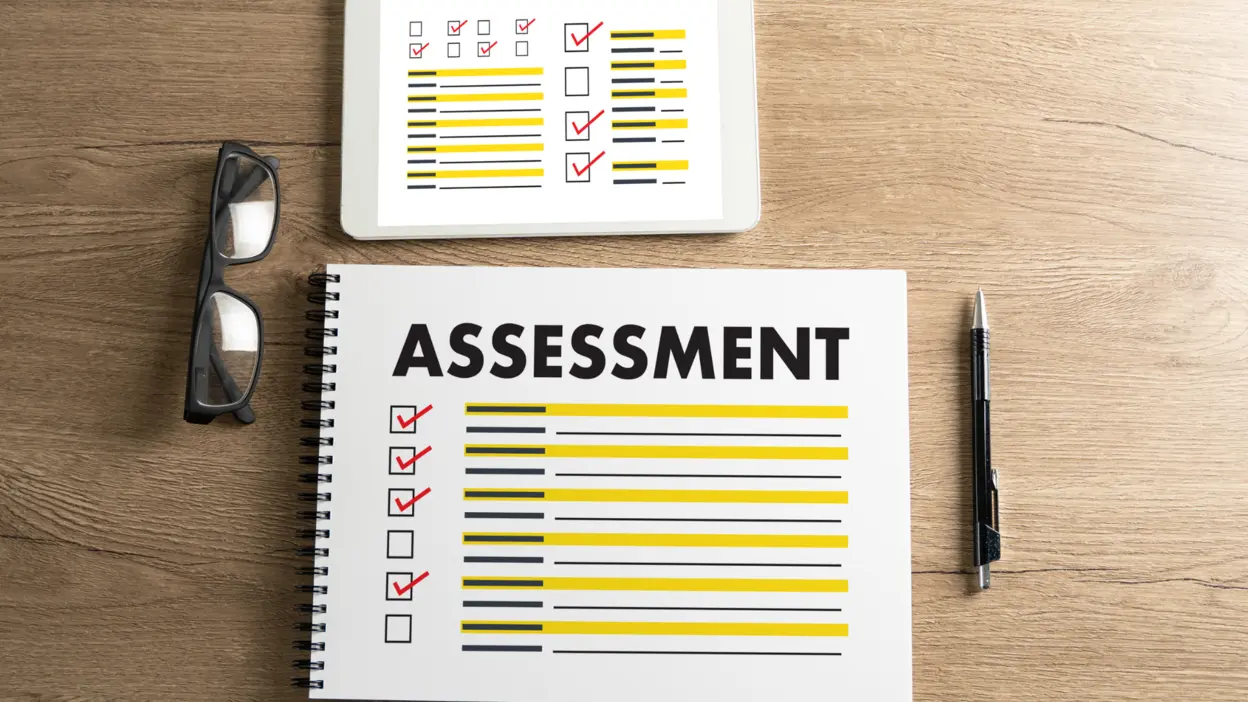
A branding questionnaire is a structured set of questions used to clarify a business's purpose, audience, positioning, personality, and design requirements before branding work begins. It helps a team explain what it knows, identify disagreements, and decide what still needs research. The useful output is not a completed form alone, but a clearer brief for the work that follows.
This guide includes 30 brand discovery questions you can copy into a document or form, examples of useful answers, and a process for turning responses into decisions. Use it before a new identity, a brand refresh, or a website redesign. Adapt the questions to the project rather than asking everyone to complete an identical exercise.
What a branding questionnaire can and cannot tell you
A founder or client questionnaire records the organization's perspective: what it offers, how it wants to be perceived, and which constraints the project must respect. A customer survey investigates a different perspective, such as how people describe the business or evaluate their experience. A creative brief is the agreed direction produced after those inputs have been reviewed.
Keep those roles separate. Internal agreement that the company is approachable does not establish that customers experience it that way. GOV.UK's guidance on understanding user needs distinguishes evidence from assumptions made by people who are not users. Apply that distinction here: use stakeholder answers to identify what to investigate, not to substitute for customer evidence.
The questionnaire can support branding work by making goals, trade-offs, and requirements explicit. It cannot guarantee loyalty, revenue growth, or a distinctive position. Those depend on decisions, execution, and the experience the business actually delivers.
How to prepare and who should answer
Name one person responsible for collecting responses and one person with final decision authority. Invite people who understand the offer and its delivery, such as the founder, marketing lead, sales representative, and customer-support or operations lead. In a small business, one person may hold several of those responsibilities.
Ask contributors to answer independently before comparing responses. Record their role and date so differences remain traceable. A sales colleague's account of why prospects buy may differ from the founder's intended position; that is a question to investigate, not a reason to silently rewrite one answer.
Gather current presentations, website copy, visual assets, customer feedback, and relevant business goals. Link to evidence where access is permitted, but do not collect passwords or unnecessary personal customer details. Tell contributors who will read the responses and how commercially sensitive information should be shared.
Use plain language and ask about one idea at a time. Pew Research Center's question-writing guidance explains why wording, question order, and questions that combine several concepts can influence answers. Test the questionnaire with a colleague before sending it, and revise prompts they interpret differently from what you intended.
For an online form, keep instructions visible and identify required and optional fields. W3C's form-instruction guidance covers explaining requirements and associating instructions with controls. Allow an honest “We do not know yet” rather than forcing a speculative response.
A branding questionnaire template with 30 questions
A client-facing branding questionnaire should help people describe their business without requiring them to speak like brand strategists. Copy the relevant groups below, leave space beneath each question, and add supporting examples separately.
For each answer, record the response, its evidence or source, and whether it describes the business today or an aspiration. Where evidence is missing, name the person who can investigate it. This is a working discovery template, not a validated survey instrument or a brand-health score.
Business purpose and project goals
- What does your business sell, in language a first-time customer would understand?
- What prompted this branding project now?
- Which business objective should the project support?
- What future direction should the brand be able to accommodate?
- What recent business decision demonstrates one of your stated values?
Look for a concrete reason to act. “We have outgrown our identity” needs an explanation of what no longer fits. A new service, a confusing name, and inconsistent sales materials are different problems. The answer should help define the scope rather than automatically justify a complete rebrand.
Audience and buying context
- Who makes the main buying decision for your priority offer?
- What situation usually prompts that person to look for a solution?
- What concerns do prospects raise before deciding?
- Where do prospects look when comparing possible solutions?
- What evidence supports your description of the audience?
Describe needs, responsibilities, and buying situations before inventing a demographic persona. A buyer and an end user may be different people. Relevant sales notes, support questions, and customer research can clarify the distinction; an internal guess about age or lifestyle cannot establish it.
Positioning, alternatives, and proof
- Which alternatives do customers consider, including doing nothing or solving the problem themselves?
- What reasons have customers given for choosing your business?
- Under what circumstances would an alternative be a better fit?
- What evidence supports your most important brand promise?
- Which belief about your competitive position most needs verification?
“Better service” is a starting answer, not a finished position. Ask for the specific behavior behind it, such as a named point of contact or a documented handover. Brand research can examine audience perceptions and category alternatives before those beliefs become public claims.
Messaging, voice, and personality
- How should someone describe your business in one sentence?
- Which qualities should characterize the way your brand speaks?
- Which words or phrases would misrepresent your offer?
- Which existing messages are worth retaining?
- How should your tone change when a customer needs help rather than a sales introduction?
Ask for sample language after the initial response. “Confident but not arrogant” becomes usable when someone writes a product introduction and a response to a complaint. Keep the personality recognizable while adapting the tone to the situation. The brand messaging framework explains how positioning, proof, and tone can be documented together.
Visual identity and practical applications
- Which brand assets are currently in use?
- Which visual references illustrate qualities you would like the identity to express?
- Where must the identity work in everyday use?
- What practical requirements will constrain the design?
- Which existing identity elements must remain unchanged?
For each reference, explain the relevant quality, such as readable typography or restrained image treatment. A favorite color is not the same as an audience requirement. Consider languages, accessibility, small-screen use, print production, and existing assets when defining the visual identity. References should communicate intent, not become instructions to copy another brand.
Scope, ownership, and evaluation
- Which deliverables are essential for the initial rollout?
- What budget has been approved for the project?
- Which deadline or external dependency cannot move?
- Who has final approval authority?
- What evidence will you use to judge whether the project met its objectives?
Distinguish creation from implementation. A logo, a website, printed materials, staff training, and an asset library require different work. Record any budget uncertainty rather than replacing it with an invented figure. Name reviewers and approval stages so a late decision does not quietly change the entire brief.

What a useful questionnaire answer looks like
A useful answer gives the team something to investigate or apply. It does not need polished marketing language. The following examples are hypothetical, not statements about a Brand Vision client or measured results.
Replace a broad audience description with a buying situation
“Our audience is everyone who values quality” provides little direction. A more useful answer might be: “Our priority offer is equipment maintenance for independent restaurants. The owner usually contacts us when a breakdown interrupts service.” That identifies a decision-maker, a task, and a trigger. The team should then attach evidence or mark the description as an assumption.
Explain the behavior behind a brand value
“We are transparent” is difficult to evaluate. A more concrete response would be: “We explain the scope and exclusions in writing before a customer approves the work.” That statement gives writers and designers a specific practice to communicate, provided it is genuinely followed.
Separate visual preference from a working requirement
“Make it modern and premium” leaves room for conflicting interpretations. “The name must remain readable on a small service label, and the contact information must be easy to find on mobile” describes applications that can be tested. Style references can still guide the design, but they should not replace these requirements.
Adapt the questionnaire to the project
For a new business, distinguish the intended audience and future ambitions from evidence you do not yet have. Record assumptions and the research needed to investigate them. Do not invent customer quotations or a history of brand recognition to make the answers look complete.
For an established business considering rebranding, add evidence about what is recognized, what is misunderstood, and which assets still serve a purpose. A brand audit can compare current materials and customer experiences before the team decides what to replace.
For a narrower logo design brief, keep the business and audience context, then concentrate on naming, existing recognition, usage conditions, and required variations. A logo questionnaire should not quietly expand into a full strategy or website engagement without an explicit scope decision.
Turn the responses into a brand brief
Treat the completed branding questionnaire as a collection of inputs, not as an approved strategy. Review the responses in this order so the next stage has a clear basis.
Separate facts, assumptions, and aspirations
Mark which statements have supporting evidence, which are beliefs to investigate, and which describe a desired future. “Customers choose us for speed” and “We want to be known for speed” are not equivalent. Record the source and its limitations instead of making every answer sound equally certain.
Resolve conflicts before choosing a direction
Compare answers across roles. If leadership wants a premium position while sales describes price as the main buying reason, do not average the two into an attractive slogan. Identify whether the disagreement concerns the audience, the offer, or the evidence. Assign a follow-up action, an owner, and a decision date.
Prioritize unknowns that could change the project. Uncertainty about the main audience deserves attention before a debate about an accent color. Where an assumption affects positioning, investigate it through an appropriate research method. Where the issue is a business choice, make the trade-off explicit and have the decision-maker approve it.
Write down the decisions the creative team needs
A concise brief should state the project objective, priority audience, relevant need, positioning direction, supporting evidence, voice, visual requirements, deliverables, constraints, and approval owner. Keep unresolved questions in a separate section rather than hiding them inside confident wording. Brand strategy turns the evidence and choices into direction; the questionnaire supplies part of the input.
For the hypothetical maintenance business above, a brief might prioritize clear explanations of service coverage and the request process. That could lead to straightforward service-page copy and readable contact materials. It would not justify an “always available” promise unless staffing and operations support it. This is how an answer becomes a design requirement without becoming an unsupported claim.
Carry the brief into the website and ongoing standards
The brand identity design process connects the agreed direction to visual and verbal work. For web design, translate the audience's questions into page structure, proof, and useful next steps. Preserve the reasoning behind those choices so later revisions do not start from personal preference again.
Some answers concern behavior rather than appearance. Difficulty comparing an offer or completing an enquiry belongs in UI/UX design, not in a logo brief. Questions about how prospects search can inform SEO research, but completing a brand questionnaire does not establish search demand or guarantee rankings.
Once decisions are approved, document usable brand guidelines with examples, current assets, and an owner. Revisit the underlying answers when the offer, audience, or business direction changes, not simply because a new visual trend appears.

When outside support is useful
Outside support is most useful when the team needs help testing assumptions, resolving conflicting priorities, or translating an agreed direction into design. Look beyond creative insight alone: ask how responses will be analyzed, what evidence will be gathered, and which decisions and deliverables are included.
A marketing consultation can help define that work before production. Brand Vision connects brand and website services, but the engagement should specify whether it covers discovery, research, strategy, identity, implementation, or a narrower part of the process. Do not assume a questionnaire includes all of those services.
Start with the questions relevant to your project, support answers where evidence exists, and keep uncertainties visible. A completed questionnaire earns its value when the team uses it to make clearer decisions and writes down what happens next.
For help turning your discovery responses into a practical brand and website brief, discuss your project with Brand Vision.