

In the early 1990s, the internet was still a mystery to most. People were only beginning to realize the potential of online services, and e-commerce was a small speck on the horizon. Around this time, Jeff Bezos saw an opportunity. Armed with the belief that online retail could become the next big thing, he left a well-paying job at a hedge fund to chase that idea. It was a risky move, one that family and friends watched with both curiosity and concern. Still, Bezos believed the web could reshape how people shopped. He began researching various products he could sell online, eventually zeroing in on books.
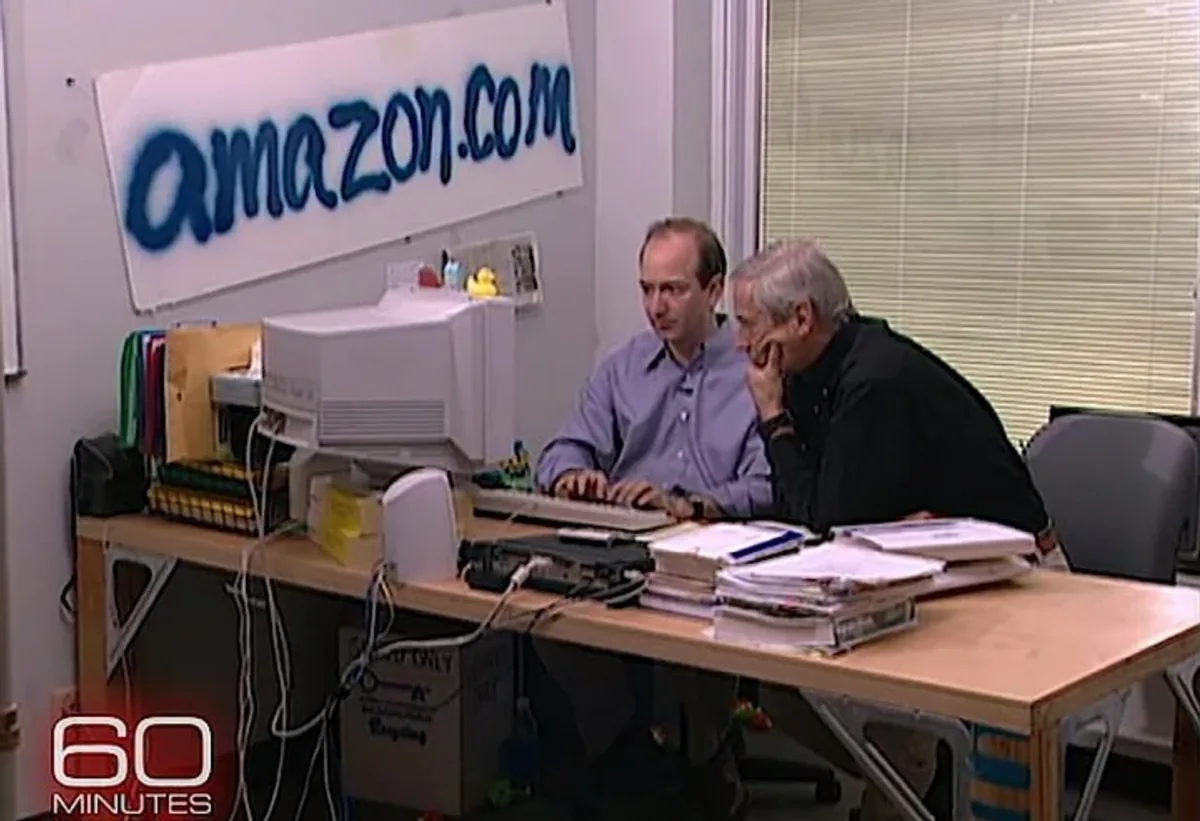
In 1994, he founded a company in his garage. He initially called it Cadabra, though it didn't take long before it was rebranded as Amazon, a name chosen to reflect the wide-reaching and powerful Amazon River. For growing businesses, brand naming can communicate ambition without obscuring what the company offers. Even in those early days, Bezos wanted his site to offer more than just a few products. He pictured an online store that could carry an endless assortment of items. This spark of ambition set the stage for the Amazon success we now know. It also marked the beginning of a Jeff Bezos success story that would inspire countless entrepreneurs to think bigger and aim higher.
Amazon's expansion offers practical lessons for founders and marketers evaluating positioning, customer experience, and long-term growth. This independent case study considers how a branding agency such as Brand Vision can apply transferable principles to a different business without implying involvement in Amazon's work.
Launch and the First Steps Online
When the newly named Amazon website launched in July 1995, it featured an online bookstore that aimed to deliver any title customers wanted, shipped right to their doors. The choice to start with books was practical. Books didn't require complicated shipping solutions, and they appealed to a broad customer base. Bezos also saw that catalogs of books were extensive, making it a perfect product type to test the concept of an online retail store that could theoretically hold "infinite" inventory.
Despite these advantages, the early Amazon story was still full of uncertainty. Bezos had to win over skeptics who questioned whether people would trust the internet enough to buy books, or anything else, online. He poured resources into an intuitive website design and a customer-centric philosophy that focused on making the shopping experience simple and reliable. This dedication began paying off as customers enjoyed the convenience of finding rare or out-of-print books without leaving their homes. Within the first few months, Amazon was shipping orders to every state in the U.S. and dozens of countries around the world. This initial success showed the rise of Amazon was more than just hype; it was tapping into genuine consumer demand.
Expanding Beyond Books
After proving that customers were more than willing to purchase books online, Amazon started branching out. In the late 1990s and early 2000s, the company added music CDs, DVDs, video games, and even electronics to its catalog. Each category added new demands for product discovery, inventory management, and delivery reliability. Amazon's strategy was to keep refining its fulfillment systems, so no matter how many products it added, customers could still trust that items would arrive on time. This effort to improve logistics became one element of Amazon's wider retail growth. For smaller sellers, ecommerce marketing also depends on explaining a clear product offer and helping customers compare options.
Meanwhile, other online retailers started to emerge, but few could keep up with the speed at which the rise of Amazon was unfolding. Rather than resting on their achievements, the company kept looking for fresh ways to expand. For instance, they launched their own marketplace platform, allowing third-party sellers to list products on Amazon's website. This move dramatically widened Amazon's inventory range while bringing in additional revenue from fees charged to these outside vendors. The concept was simple but effective: if a customer wanted it, Amazon wanted to sell it or make it available on the platform. That approach helped transform Amazon from an online bookstore into a marketplace connecting buyers and sellers. For independent retailers, well-organized categories, useful product copy, and ecommerce SEO support product discovery even without Amazon's logistics network.
Jeff Bezos' Vision and Leadership Style
At the core of Amazon's story is the leadership approach of Jeff Bezos. From the beginning, he championed a long-term perspective. Instead of chasing quick profits, he reinvested heavily in the company. That meant spending heavily on technology infrastructure, warehouses, and new product categories. While critics questioned whether this model was sustainable, Bezos held firm to the notion that long-term growth and customer satisfaction were paramount.
He also insisted on specific management principles that continue to define Jeff Bezos' success story. One notable example is the "two-pizza team" rule: no team should be so large that two pizzas can't feed everyone on it. This idea encouraged small, agile teams that could make quick decisions. Another aspect was the relentless drive to be "customer-obsessed," leading to innovations like personalized recommendations, user-friendly product pages, and, later on, services like Prime. By centering decisions around what would delight customers, Amazon aimed to make it easier for customers to return. Bezos' emphasis on big thinking, customer focus, and long-range planning formed the backbone of the Amazon success we see today.
The Birth of Amazon Prime and Further Growth
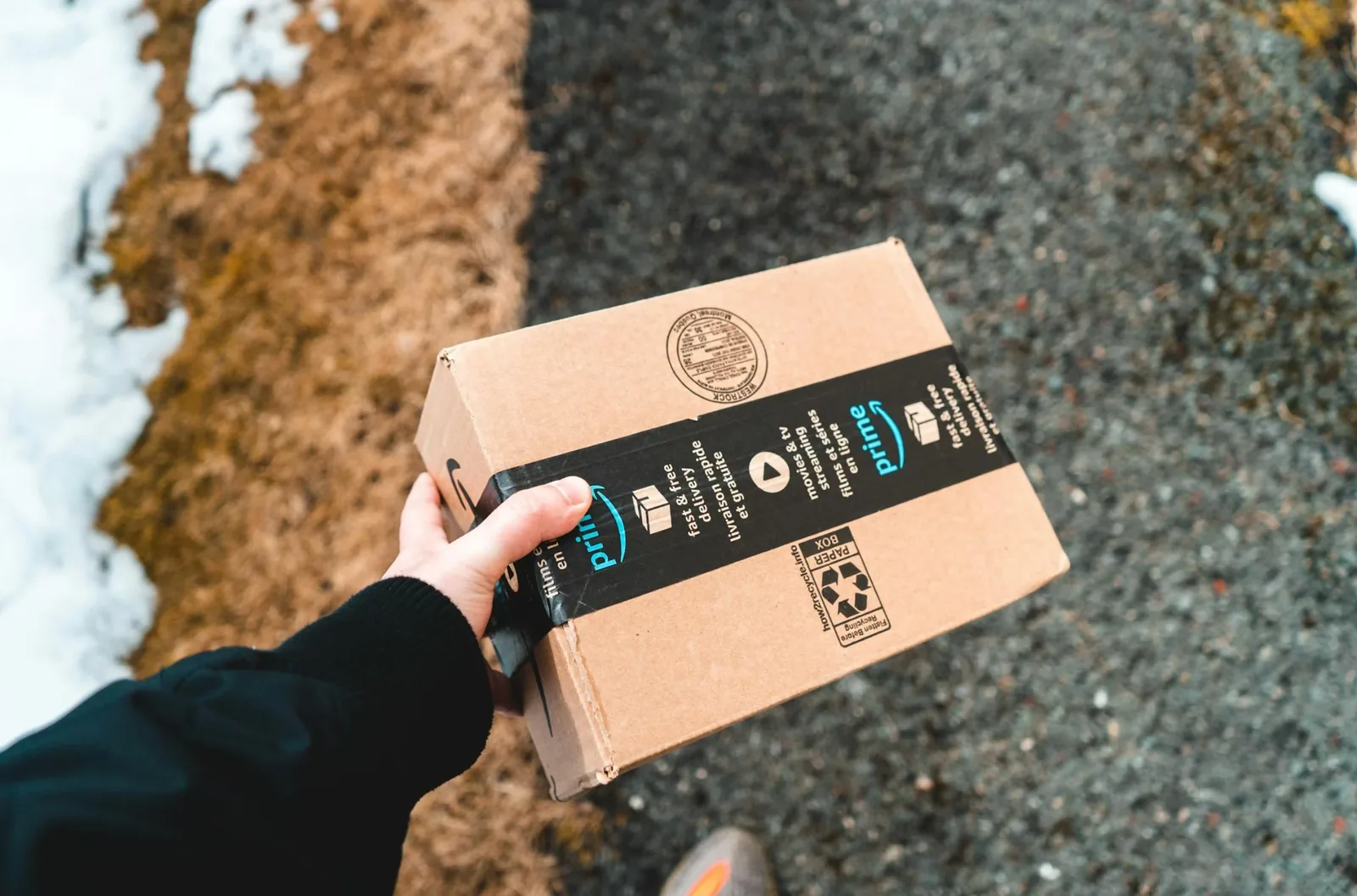
While Amazon had already established a global presence in retail, the introduction of Amazon Prime in 2005 took the company to new heights. For an annual subscription fee, Prime members gained access to two-day shipping on eligible items. This might not sound revolutionary today, but at the time, it changed how people shopped. Suddenly, online orders could arrive nearly as fast as a trip to the store, minus the driving, crowds, and time lost in traffic.
Prime also laid the groundwork for additional benefits like streaming video, music, and eBooks. New benefits gave subscribers reasons to use more of Amazon's services. It wasn't just about shipping anymore; it was about building a full-service online environment where entertainment and convenience coexisted. That model encouraged repeat engagement, although membership growth alone cannot establish how much additional spending Prime caused. As membership grew, Amazon poured more money into expanding warehouse networks, updating delivery technologies, and exploring innovative shipping methods like drones. The brand's commitment to speeding up and broadening the service made Prime a key pillar of the Amazon success formula.
Diversification into Tech and Cloud Services
While Amazon's massive retail arm often grabs headlines, another crucial part of its success lies behind the scenes: Amazon Web Services (AWS). Launched in 2006, AWS began as an experiment to offer cloud computing services, letting businesses rent server space and computing power instead of hosting everything in-house. This idea stemmed from Amazon's need to manage its own giant online infrastructure; once they developed these resources for internal use, they saw an opportunity to rent the same tools to other companies.
Today, AWS is a significant revenue driver and a cornerstone of the Amazon story. It powers everything from startup apps to massive online platforms for Fortune 500 companies. By offering scalable, pay-as-you-go cloud services, AWS became an important provider of infrastructure to technology teams. Amazon's 2025 Form 10-K reported $128.7 billion in AWS net sales, distinct from the company's consolidated $716.9 billion. This illustrates diversification without treating AWS revenue as Amazon-wide profit. From data storage and machine learning to virtual servers and content delivery, AWS has turned Amazon into a technology heavyweight. For a software or cloud provider serving business buyers, technology marketing requires a different explanation of value from consumer retail. Amazon's expansion shows the importance of giving each audience a clear reason to choose the service.

Emphasis on Innovation and Customer Experience
One reason the rise of Amazon resonates worldwide is the company's consistent focus on innovation. Over the years, Amazon has introduced products and services that have reshaped how people interact with technology. From the Kindle e-reader that revolutionized the publishing industry to smart home devices like Echo and Alexa, Amazon aims to simplify everyday tasks. The Kindle showed publishers and consumers that eBooks could be a viable alternative to physical copies, while Alexa integrated voice commands into daily life, letting users play music, set reminders, and shop, all by speaking to a device on a kitchen counter.
Yet, innovation at Amazon isn't only about launching flashy gadgets. It's also about rethinking processes, logistics, and the overall user experience. One example is the push toward one-day or same-day shipping in select regions. Achieving that speed demands intricate coordination between warehouses, couriers, and real-time tracking systems. Amazon also experimented with checkout-light formats such as Just Walk Out technology. Store formats and availability have varied over time, so the transferable lesson is reducing friction rather than assuming every location uses the same system. For other businesses, UX metrics such as task completion and user confidence can test whether a change actually makes shopping easier. Convenience claims should be evaluated alongside customer outcomes.
Challenges and Criticisms Along the Way
No monumental story goes without its complications. As Amazon expanded, it faced criticism and concerns in areas like employee working conditions, aggressive business practices, and environmental impact. Reports have surfaced about high-pressure environments in warehouses, where workers are pushed to meet strict performance metrics. Competitors and market analysts have raised questions about whether Amazon's pricing strategies and acquisition moves stifle competition. Additionally, with millions of packages shipped daily, some wonder about the global environmental cost of such a colossal ecommerce operation.
Amazon has addressed some of these critiques by implementing wage increases, investing in renewable energy, and offering programs aimed at helping small businesses sell on the platform. These efforts haven't erased all concerns, but they do indicate that the company is aware of its influence and the responsibilities that come with it. Those initiatives should be evaluated against their reported outcomes. The case also shows that operational scale brings employment, competition, and environmental responsibilities that marketing alone cannot resolve.
The Jeff Bezos Success Story Beyond Retail
For many, Jeff Bezos embodies the modern entrepreneur. His decision to leave a successful career in finance and pursue an uncertain online bookstore laid the groundwork for an empire. Over the years, Bezos has expanded his interests to include space exploration with Blue Origin, which seeks to lower the cost of access to space. This move reveals a willingness to look beyond even the most ambitious e-commerce goals, aiming instead to reshape humanity's relationship with technology and innovation.
His leadership style, often intense and demanding, has prompted both praise and concern. But whether people agree with it or not, there's no denying that his approach has left a profound imprint on global business. He stepped down as Amazon's CEO in 2021, handing the reins to Andy Jassy, but the Jeff Bezos success story continues in new projects and philanthropic efforts like the Bezos Earth Fund. His journey shows how a single vision, selling books online, can spiral into something that changes entire industries.
The Next Stage of Amazon’s Growth
Amazon's scale does not make its next stage inevitable. By 2026, the business spans retail, cloud computing, advertising, entertainment, and other services, each with different competitors, costs, and customer expectations. The company continues to test new products and delivery models, but future returns depend on execution, regulation, capital spending, and trust. Its history is useful because it shows adaptation, not guaranteed growth.
AWS contributes significantly to Amazon's sales and operating income, yet diversification creates distinct business risks as well as opportunities. Investment in cloud infrastructure, AI services, logistics, and healthcare demands resources and does not guarantee that every initiative will succeed. For companies studying the Amazon model, the lesson is to test whether a new offer addresses a real customer need and fits the organization's ability to deliver it.
Lessons from the Amazon Story
The Amazon story is packed with lessons for anyone starting or running a business. First and foremost, it emphasizes the importance of a long-term viewpoint. By choosing to reinvest profits and maintain low margins initially, Amazon built a powerful foundation that allowed it to weather competition and economic fluctuations. Second, it illustrates how putting customers first can spark repeat business, word-of-mouth promotion, and brand loyalty. Finally, expansion works best when the core promise remains understandable. A clear brand strategy can connect new offerings to an established audience need, while testing protects against taking on more than a company can deliver.
Jeff Bezos' decision to begin with online book sales shows how a focused initial offer can develop into a much broader business. Amazon diversified gradually through its marketplace, subscription services, devices, and AWS, but the results were not inevitable. For companies working on startup marketing, the more useful lesson is to prove a clear customer promise before expanding into new categories. Adaptability matters, but so does the discipline to stop initiatives that do not work.
What Amazon’s Growth Story Means for Brands
As the e-commerce landscape and consumer behaviors continue to transform, Amazon success stands as one of the definitive examples of what happens when vision, execution, and timing align. The company started in a garage, powered by a belief in the untapped potential of online retail. From that humble origin, it grew into a juggernaut influencing industries as diverse as entertainment, logistics, and cloud computing. Bezos' leadership also continues to prompt debate about long-term investment, working conditions, and corporate responsibility. For a business growing across US markets, a branding agency in the US may help adapt one coherent promise to different audiences. This is an independent provider-selection example, not a claim about Amazon's agency relationships.
Though Amazon isn't without controversies, it's hard to deny the significance of its impact on global shopping habits. Customers worldwide now expect fast shipping and extensive variety as a standard part of the online experience, an expectation largely shaped by Amazon's relentless pursuit of bigger, better, and faster services. As the brand explores new corners of the consumer and tech worlds, its future still depends on balancing customer needs, investment, and accountability. If nothing else, the rise of Amazon has shown that sometimes, the simplest ideas, like delivering books via the internet, can pave the way for a revolution in how people live, work, and shop.
What Business Owners Can Learn From Amazon in 2026
Amazon's rise is a reminder that a brand doesn't win just by offering more products, it wins by building a system customers trust and return to. In 2026, that same advantage comes from clarity in what you stand for, a seamless digital experience, and a plan for building reliable demand over time. The point is not to copy Amazon's scale. It is to apply customer focus, reliable operations, and a brand promise that stays recognizable as offerings expand.
- Build a brand customers can describe in one sentence. If your positioning is fuzzy, start with sharper foundations through a branding services that can define your story, voice, and competitive angle.
- Treat your website like a product, not a brochure. Amazon wins on speed, usability, and trust signals, which is the same mindset a modern web design agency brings to high-performing sites.
- Make the experience frictionless across every touchpoint. From navigation to checkout to support, strong UI UX design reduces drop-off and increases repeat behaviour.
- Invest in compounding discovery, not just short bursts of attention. A long-term SEO strategy helps your best pages and offers keep working while you sleep.
- Use audits to find hidden leaks before you scale spend. A detailed marketing consultation can reveal where your funnel is losing revenue, and what to fix first.
If your business is reviewing its positioning, online shopping experience, or growth priorities, Brand Vision can help connect the pieces. You can discuss your brand and website goals with the team.