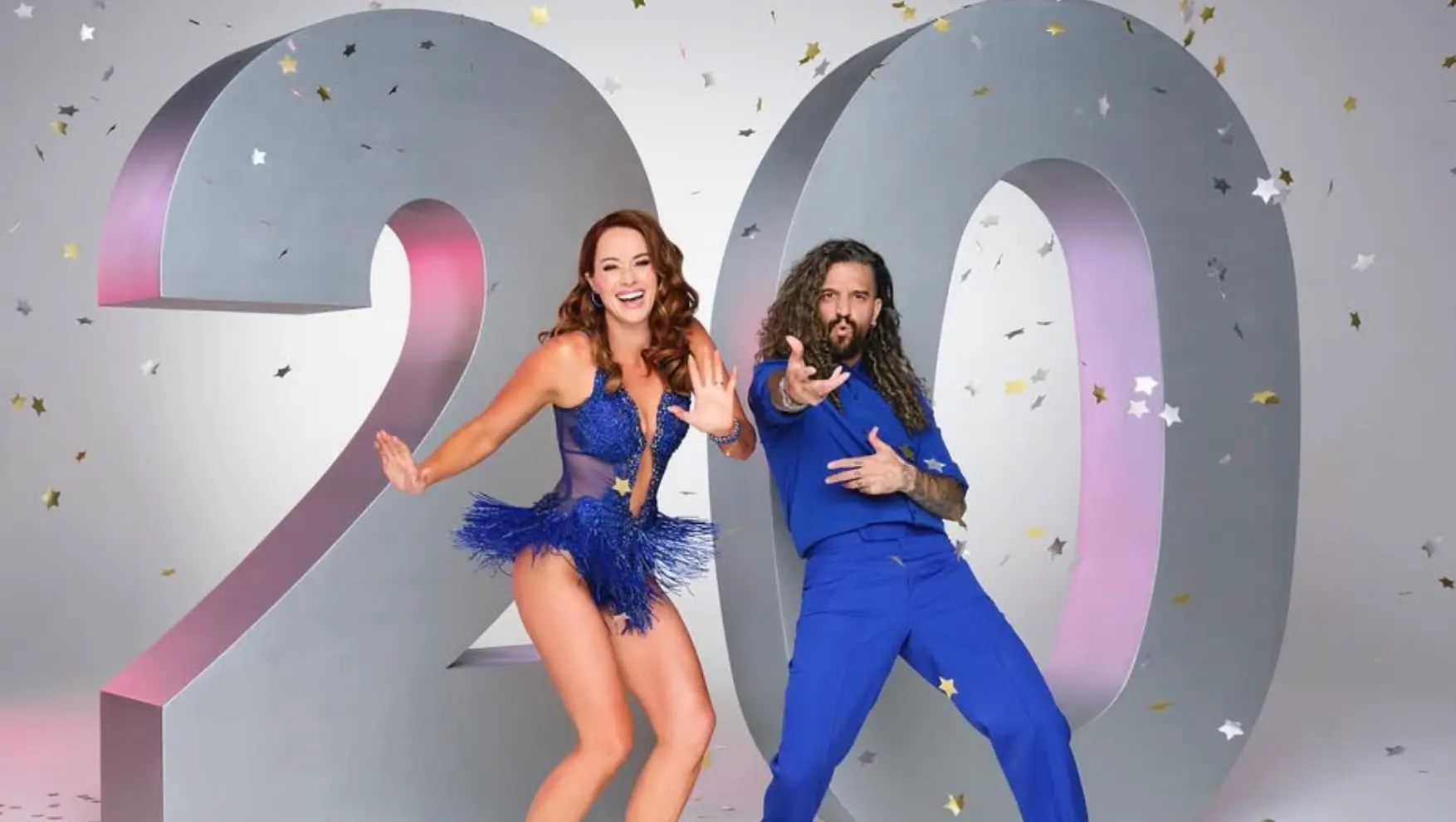
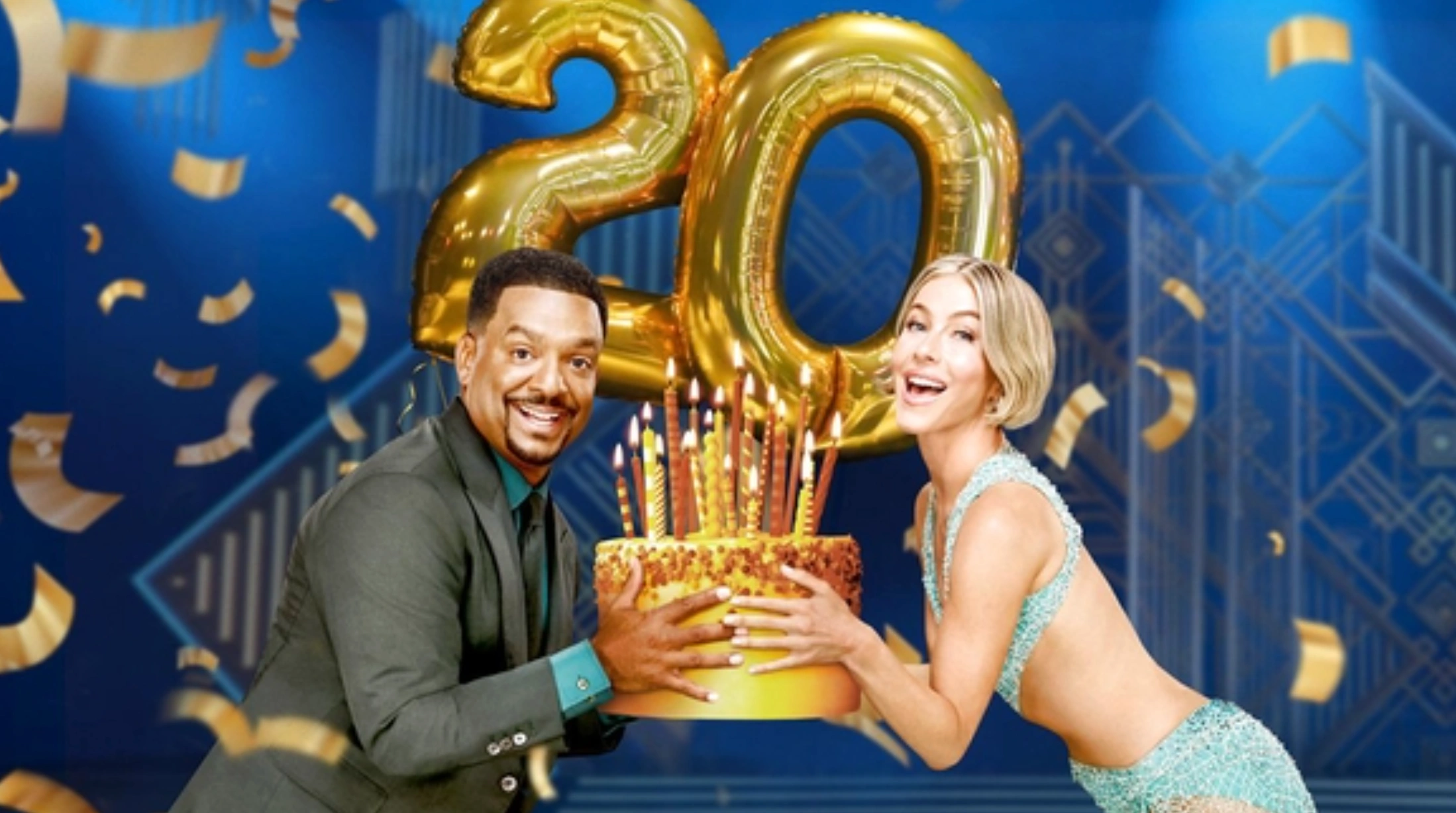
Season 34 showed how Dancing with the Stars could refresh a 20-year-old franchise without discarding the ballroom format that made it recognizable. The 2025 season combined live television, streaming, creator-led casting, social clips, and audience participation, making the show a useful example of brand development through access and experience rather than reinvention. (Northeastern University)
- Dancing with the Stars 2025 reframes a legacy show as a live social media and streaming event.
- The Dancing with the Stars marketing strategy combines casting, distribution, and fandom into one system.
- The format did not radically change; the way it is marketed and experienced did.
At a Glance
- Northeastern reported that Season 34 became the first fall show in decades to increase its audience for five consecutive weeks after the premiere. (Northeastern University)
- Contemporary coverage also tracked a sharp year-over-year increase in opening-night voting, an early sign that participation was growing alongside attention. (King Street Chronicle)
- By the end of the season, ABC said Season 34 averaged 10 million total viewers over 35 days of multiplatform viewing, drew 72 million votes in the finale, and generated nearly half a billion votes across the season. (ABC)
- The show now streams live on ABC and Disney+, with full episodes available the next day on Hulu, which Disney Advertising highlights as “shining” across all three platforms. (Accio) (Disney Advertising)
Multi-Platform Distribution As A Core Growth Engine
One of the biggest shifts in the Dancing with the Stars marketing strategy was the move from a single-network show to a multi-platform live event. Season 34 aired live on ABC and Disney+, with next-day streaming on Hulu and additional clips across social and video platforms. (Accio) The practical brand strategy lesson is consistency: the format can appear in different viewing contexts without changing what the audience recognizes as the core product.
- ABC delivers classic prime-time “appointment viewing” at 8 p.m. ET.
- Disney+ captures younger, streaming-first viewers, including Gen Z fans.
- Hulu provides a next-day window for busy viewers, creating a second wave of engagement.
- Clips and extras on the official YouTube channel and social feeds fill in the gaps between episodes.
Casting As Marketing: “Casting The Audience”
Casting became a central distribution mechanism in Season 34. The lineup combined nostalgic actors, Olympians, reality-TV personalities, and social media creators such as Alix Earle, Robert Irwin, Jen Affleck, and Whitney Leavitt, each arriving with a different audience. (Northeastern University) Deena Katz has described the logic as “casting the audience,” where the ensemble creates multiple entry points into the same show. (Evie Magazine) Other brands can apply the principle more carefully through audience research, testing which communities actually overlap instead of assuming a celebrity following will transfer automatically.
- Influencers and reality stars arrive with built-in social media fandoms.
- Nostalgia picks, such as Elaine Hendrix from “The Parent Trap,” attract older viewers.
- Athletes and creators bring sports and TikTok audiences who might not watch ballroom otherwise.
- The Dancing with the Stars marketing strategy leverages these fanbases to create cross-generational reach.
View this post on Instagram
A post shared by Dancing With The Stars #DWTS (@dancingwiththestars)
Social Media As A Second Stage
Dancing with the Stars treated TikTok and Instagram as a second stage, not only as promotional outlets. Northeastern notes that Season 34 included TikTok Night, featured viral songs, and distributed weekly dances across social platforms so viewers could keep following the show between broadcasts. (Northeastern University) Nativa also describes rehearsals, bloopers, and day-in-the-life material designed for vertical feeds. (Nativa) That is an integrated marketing lesson: the live program creates the event, while social content extends the relationship between episodes.
- TikTok-themed nights are built to generate shareable short-form dances.
- Weekly routines are posted quickly to TikTok and Instagram for rewatching and remixing.
- Behind-the-scenes content turns the learning process into daily entertainment.
- Social content keeps Dancing with the Stars 2025 in feeds all week, not just on Tuesday nights.
Creators And Pros As Built-In Influencers
The Dancing with the Stars marketing strategy has shifted attention from just the celebrities to the professional dancers and younger cast members who behave like creators. Pros such as Rylee Arnold document rehearsals, food runs, and goofy moments on TikTok, and showrunner Conrad Green has said that social media-savvy pros help other contestants reach fans where they already are. (Evie Magazine) The Nativa analysis highlights that younger pros and contestants, especially those active on TikTok, have become key conduits for Gen Z engagement. (Nativa)
- Professional dancers behave like recurring creator characters, not just background partners.
- Contestants with large followings act as amplifiers for the Dancing with the Stars brand.
- Parasocial relationships with pros and influencers keep fans invested across seasons.
- This creator-first approach is a pillar of how the Dancing with the Stars marketing strategy reaches Gen Z.
Fandom, Voting And A Return To Shared Pop Culture
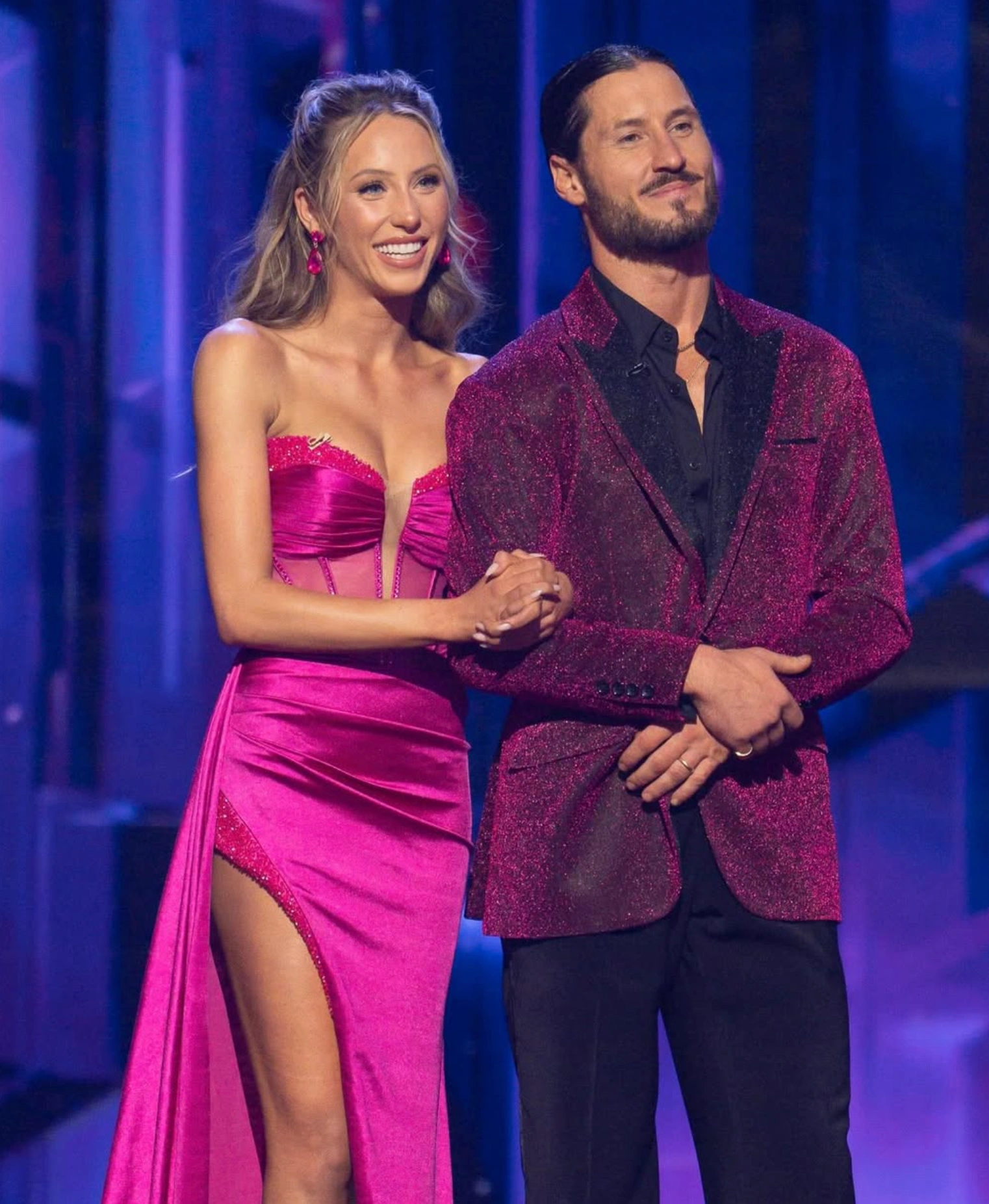
Dancing with the Stars 2025 has become an unlikely symbol of “shared pop culture” in a fragmented streaming world. Evie Magazine argues that the show brings TikTok kids, nostalgia lovers and grandparents back to watching the same thing at the same time, reviving the weekly ritual of live TV plus next-day arguments. (Evie Magazine) King Street Chronicle reports that audience engagement has deepened, with votes surging from 8 million in the Season 33 premiere to 21 million on the opening night of Season 34. (King Street Chronicle)
- Live voting turns viewers into participants, not passive watchers.
- Weekly episodes build anticipation and shared conversation across age groups.
- Fan communities on TikTok and other platforms extend debates and support between episodes.
- High vote counts show that participation is part of the product experience, although votes should not be treated as equivalent to viewers, impressions, or sales.
Demographic Targeting: From Boomers To Gen Z
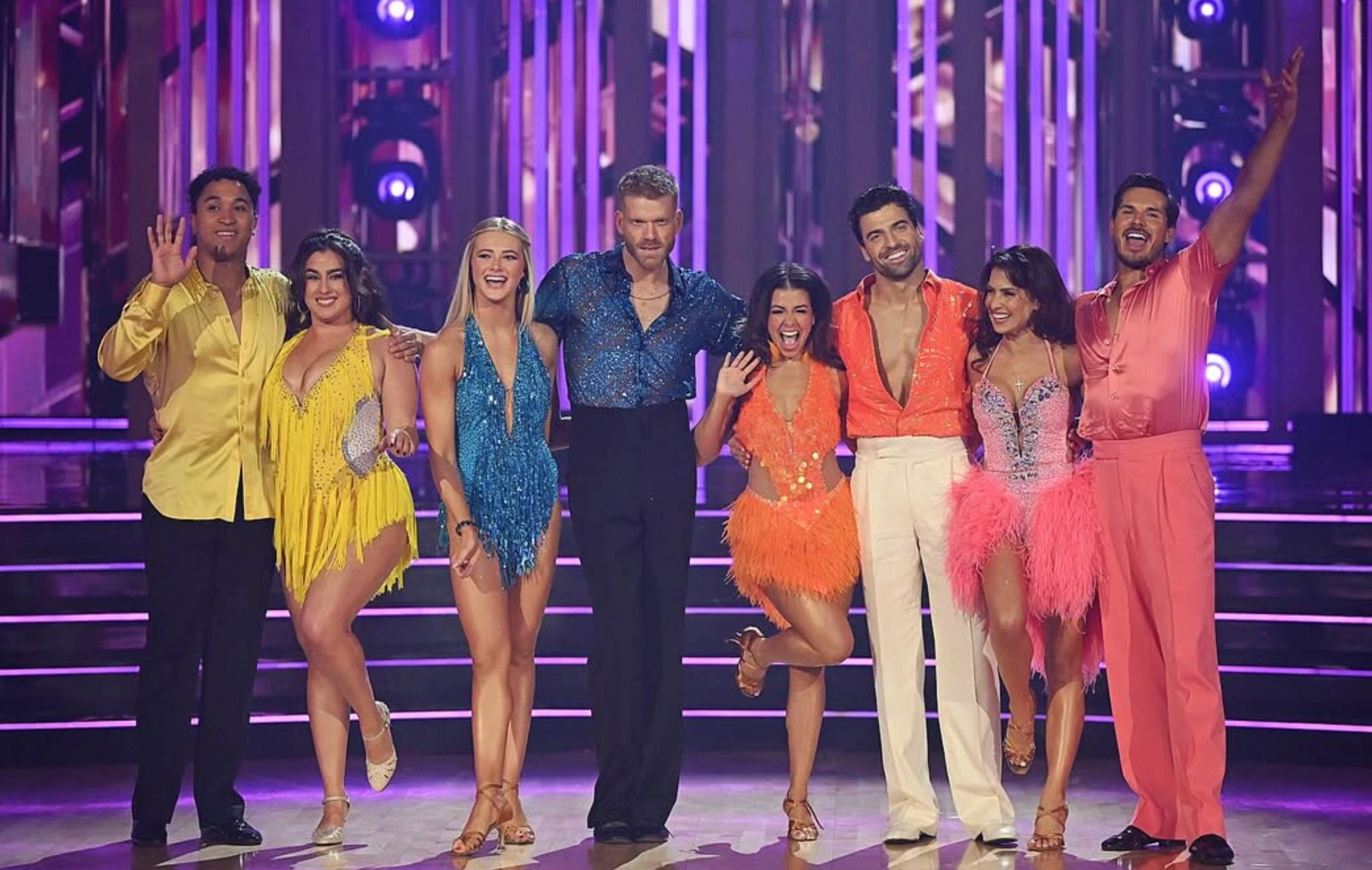
The King Street Chronicle describes the show’s revival through demographic targeting, nostalgia, and digital virality, while Northeastern points to creator casting as an important route to younger viewers. (King Street Chronicle) (Northeastern University) The balance matters: nostalgia marketing can make a legacy property feel familiar, while creator casting gives new audiences a current reason to enter.
- Nostalgia casting appeals to older viewers who remember earlier TV eras.
- Influencers and Olympians attract younger audiences used to creator culture.
- Younger pros like Rylee Arnold make ballroom dancing feel current and accessible.
- The Dancing with the Stars marketing strategy carefully balances tradition with internet-era energy.
Disney Ecosystem And Advertiser Positioning
From a corporate perspective, Dancing with the Stars is a showcase franchise inside Disney’s portfolio. Disney Advertising’s Road to the Upfront messaging highlights that “Dancing with the Stars is shining on ABC, Disney+, and next-day on Hulu,” presenting it alongside live sports and other tentpole events as a driver of fandom and cross-platform reach. (Disney Advertising) Upfront coverage in trade press notes that Disney’s 2024 to 25 ad sales grew about 5 percent, with live, fandom-driven shows and streaming inventory as central pillars. (Variety)
- The franchise fits perfectly into Disney’s story about live, shared experiences in a streaming world.
- Multi-platform distribution gives advertisers flexible reach by age and viewing habits.
- Dancing with the Stars 2025 is packaged as both nostalgia and innovation in Disney’s pitch.
- For advertisers, the show combines live reach with visible fan participation, but voting totals should be evaluated separately from advertising impressions and campaign outcomes.
Retail And Cross-Industry Effects
Accio reported an 82 percent spike in searches for dance-related products during the Season 34 premiere week, including sequined apparel, dance shoes, and fitness gear. (Accio) That correlation is useful as a directional retail signal, but it does not establish that the show directly caused the demand. The more durable lesson is timing: cultural events can create short windows when related products and creative themes become more relevant.
- Premiere-week search interest suggests an opportunity for timely retail activation, not proof of direct sales impact.
- Retailers use DWTS airing patterns to plan promotions and limited drops.
- Brands increasingly align capsule collections and campaigns with theme nights.
- The Dancing with the Stars marketing strategy has become part of a broader live entertainment commerce trend.
Brand Experience: Spectacle, Sets, And Story
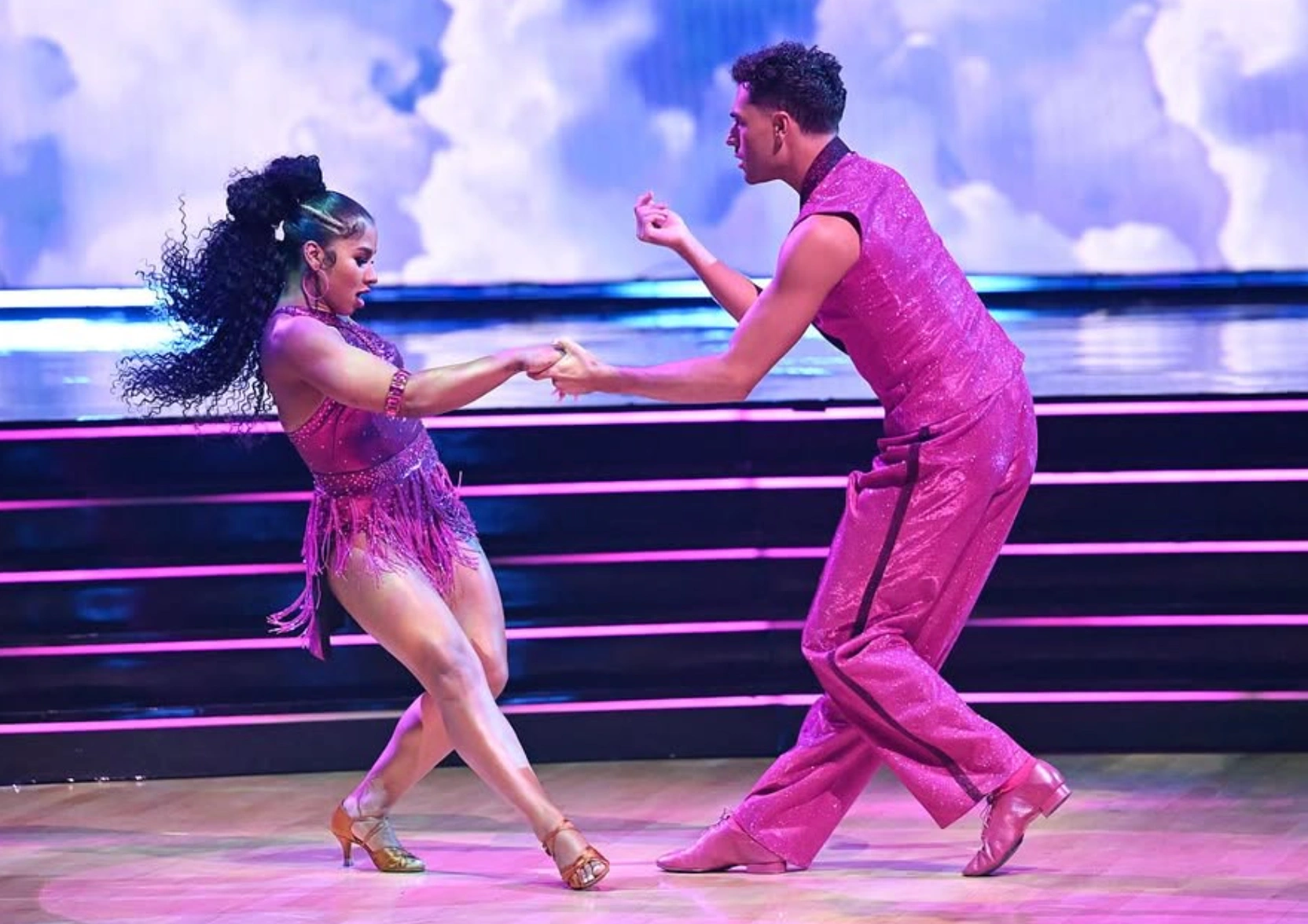
A large part of the show’s brand experience is visual. Architectural Digest’s 2025 feature explains how each dance gets its own miniature world, with sets built and swapped quickly to support the story of the routine. (Architectural Digest) Northeastern adds that social footage exposes more of the learning process behind the finished performance. (Northeastern University) For another brand, the transferable principle is a consistent visual identity with enough flexibility to create distinct moments without losing recognition.
- Carefully crafted sets and lighting make each routine feel like a music video moment.
- Behind-the-scenes footage on social builds emotional investment in those moments.
- The show balances TikTok-friendly spectacle with traditional ballroom discipline.
- This integrated brand experience is a core part of why Dancing with the Stars 2025 feels fresh rather than dated.
Lessons From the Dancing With the Stars Marketing Strategy
The strongest lesson from Season 34 is not that every legacy brand needs creators or TikTok. It is that distribution, casting, participation, and presentation all reinforced the same recognizable entertainment product. For audience-driven businesses, entertainment marketing works best when those pieces support one clear promise rather than operate as separate tactics.
For an entertainment or creator business building in Southern California, a branding agency in Los Angeles can help translate that audience strategy into positioning, identity, digital experience, and campaign execution without copying the show’s specific playbook.
- Modernise where and how people can watch before you throw out the format.
- Cast people your target audience already loves, not only traditional celebrities.
- Design episodes from the ground up with shareable moments and fan interaction.
- Use social and streaming to keep the brand alive between live broadcasts.
FAQ
What is the core Dancing with the Stars marketing strategy right now?
The core Dancing with the Stars marketing strategy is to pair a classic ballroom competition with modern distribution, creator-heavy casting and constant social content so that each season, especially Dancing with the Stars 2025, functions as both live event television and an ongoing social media phenomenon.
How did Dancing with the Stars 2025 grow its audience?
Dancing with the Stars 2025 grew its audience by simulcasting on ABC and Disney+, streaming episodes on Hulu, casting influencers and nostalgia stars, and using TikTok, Instagram and behind-the-scenes content to keep viewers engaged between live shows.
Why is social media so important to the Dancing with the Stars marketing strategy?
Social media is critical because it turns each routine into a short, shareable clip and allows pros and contestants to document the process, which pulls in Gen Z viewers and turns voting and fandom into a continuous loop rather than a once-a-week event.
How does distribution contribute to the Dancing with the Stars marketing strategy?
Distribution is central, since airing live on ABC and Disney+ with next-day streaming on Hulu lets Dancing with the Stars reach traditional TV audiences, streaming-first viewers and on-demand watchers, which maximises fandom and advertiser appeal across demographics.
What can other brands learn from the Dancing with the Stars marketing strategy?
Other brands can learn to modernise access without abandoning their core product, treat casting and partnerships as marketing inputs, design content for the channels where audiences actually participate, and build interaction into the experience. A branding agency can help connect those choices back to one coherent brand rather than a collection of tactics.
If you are shaping an entertainment brand around creators, distribution, and audience participation, discuss the next stage with Brand Vision.