The Jaguar rebrand became a public stress test for a question many leadership teams face quietly: how far can a legacy brand move before audiences stop recognizing it. The controversy did not come from a single logo change. It came from timing, sequencing, and the gap between the new Jaguar story and the product proof most people expect from an automotive nameplate.
For executives, the useful lesson is not whether the campaign was tasteful. It is whether the Jaguar rebrand created clarity or confusion, and what that means for pipeline, pricing power, and long term brand equity. Jaguar chose to polarize. That choice forces a higher standard across every touchpoint, especially the website, retail experience, and post launch communication.
This case study focuses on the mechanics that triggered the backlash, the brand architecture context behind the decision, and a scorecard leaders can use to de risk high visibility brand resets.
The Quick Context: What Really Happened?
Jaguar’s new brand identity rolled out in late 2024 with a philosophy it calls Exuberant Modernism and a return to the founder line, “Copy Nothing.” Jaguar’s own announcement positioned the rebrand as a complete transformation and set a clear timeline for what would come next. (Jaguar Media)
A simple timeline helps separate facts from noise.
- Mid November 2024: Jaguar introduces a new brand world and tees up a public reveal of a new identity system.
- Late November 2024: Coverage accelerates around the new wordmark, new badge, and the decision to lead with brand language before product detail.
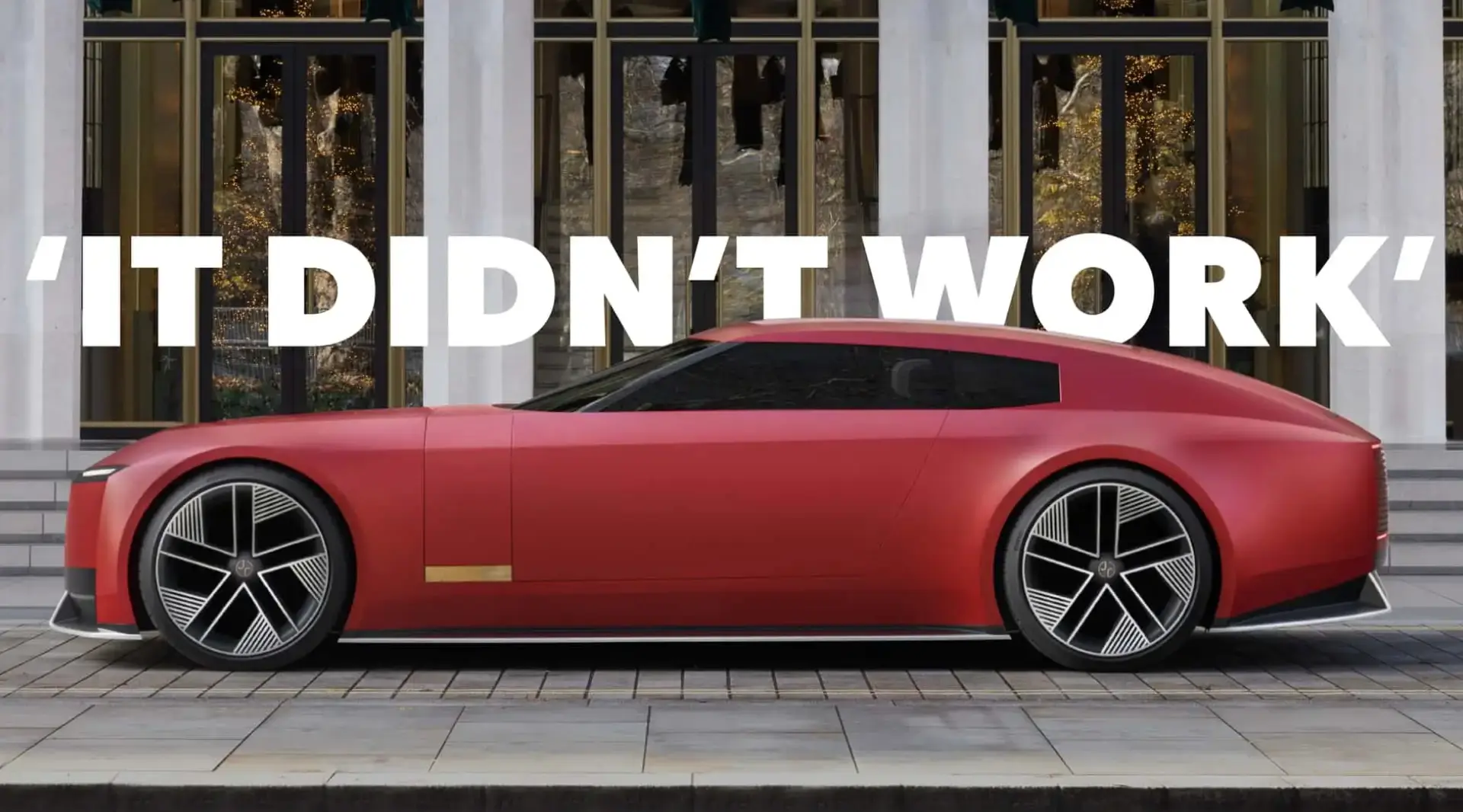
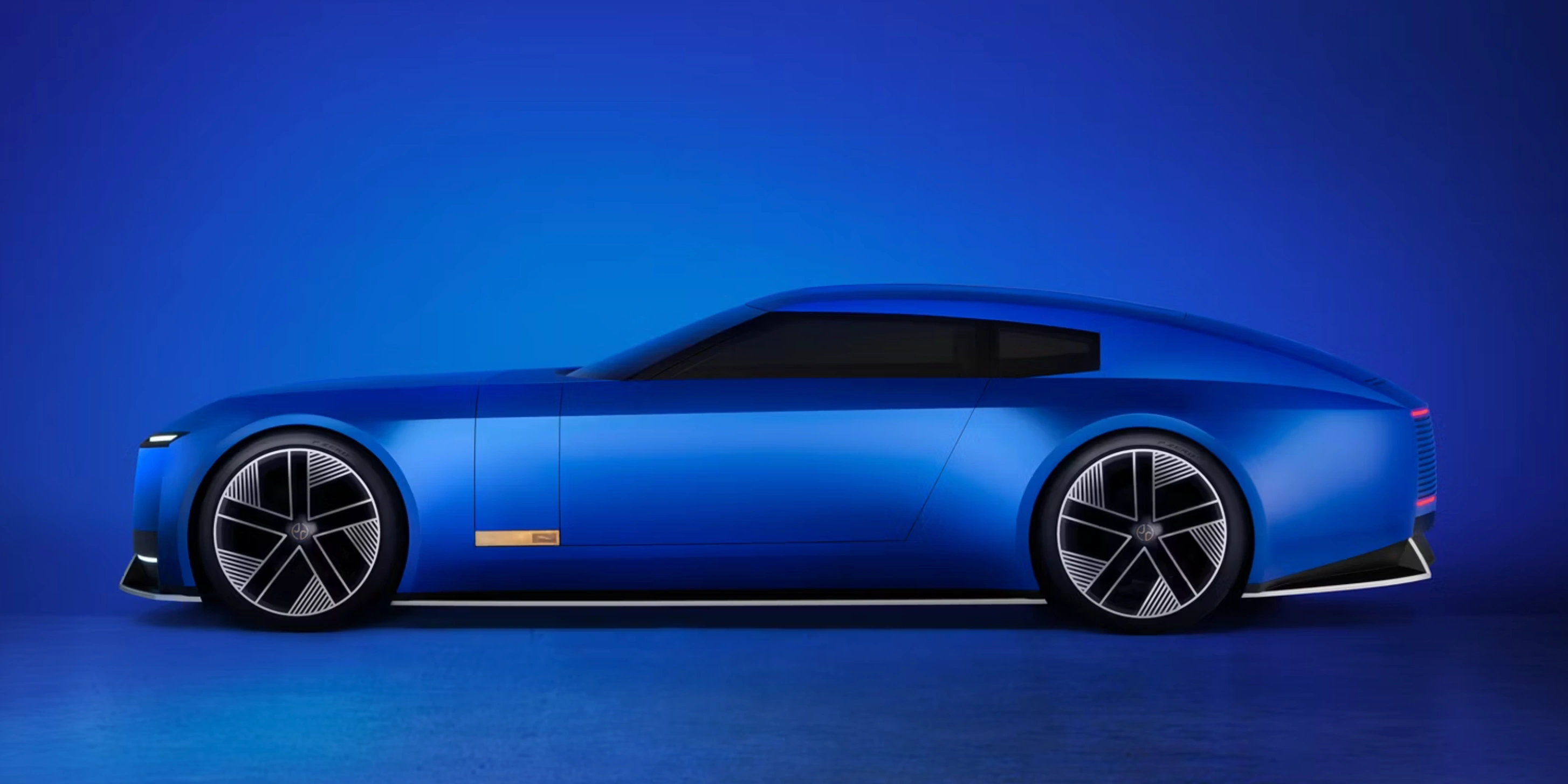
- Early December 2024: Jaguar reveals the Type 00 design vision concept in Miami, giving the rebrand a physical reference point.
- The backlash story locks in: an ad without a car, rapid changes to online presence, and a debate over heritage versus reinvention.
If you strip out the social commentary, the controversy was mechanical. Jaguar launched a new identity and new slogans first, and asked the market to wait for the product payoff.
.webp)
Why Jaguar Needed a Reset: The Business Problem, Not the Discourse
A rebrand at this scale is rarely about aesthetics. It is usually about economics. Jaguar is preparing for a relaunch with an electric lineup and a move upmarket, which creates a structural problem: the brand must feel new enough to justify a new price point, while still feeling like Jaguar.
That is hard to execute when product cadence slows. Car and Driver described the brand’s self induced production pause as part of a larger reset, and the timing matters because it changes how audiences interpret any creative work that follows. (Car and Driver’s reporting on Jaguar’s pause)
This is also a brand architecture issue. When a parent company runs multiple nameplates, each brand needs clearer purpose, clearer audience, and fewer overlapping promises. For many organizations, that starts with decisions about what sits where, how each offer is named, and how each unit earns its own space. A practical overview is in this Brand Vision guide to brand architecture.
For leaders watching from other industries, the transferable point is simple: if the operating model is changing, the brand has to change too. The danger is sequencing. If the brand moves faster than the product, credibility becomes the constraint.
The New Jaguar Brand World, Explained
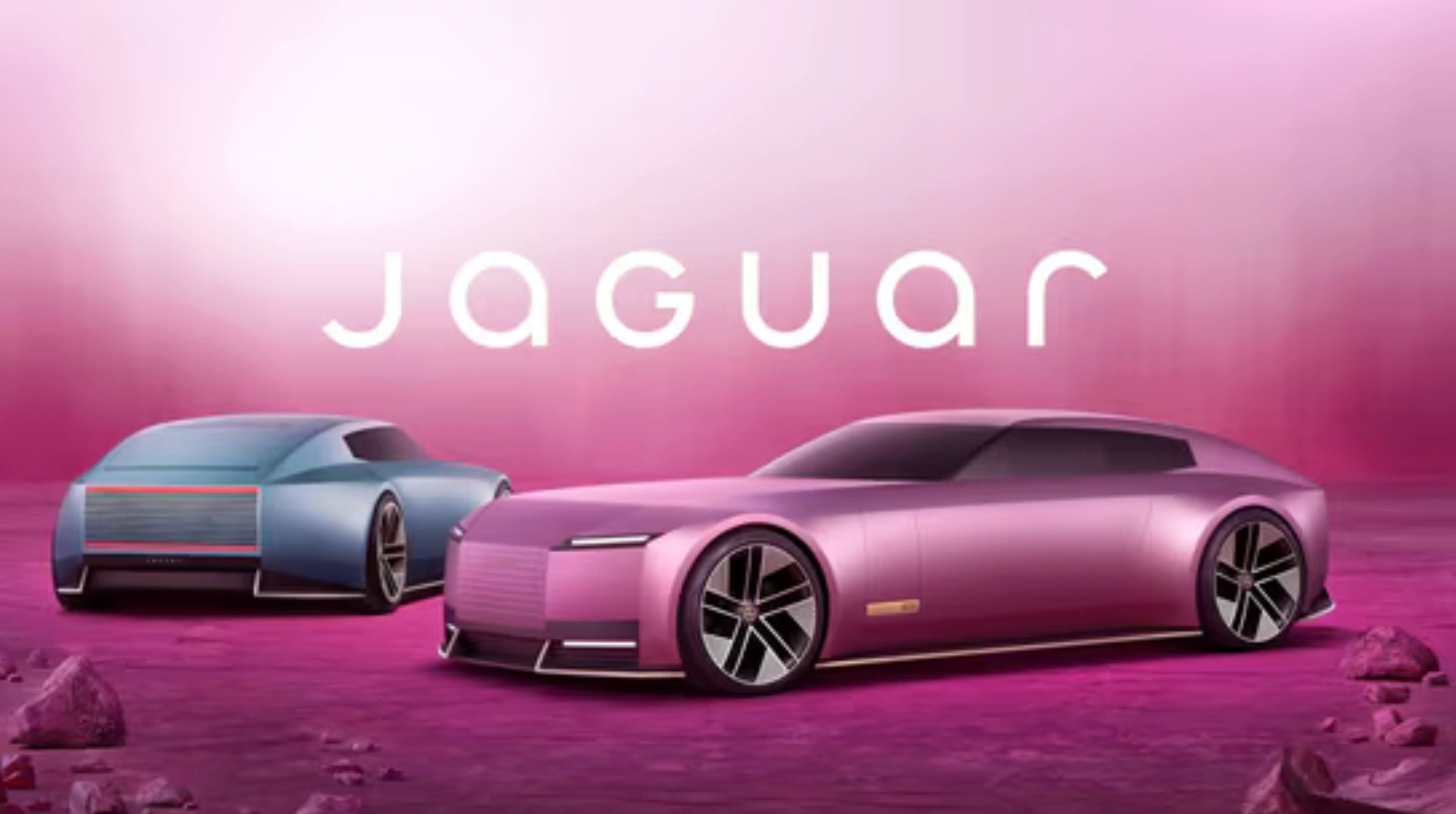
Jaguar anchored the rebrand in a creative philosophy, then wrapped the philosophy in directive language: Copy Nothing, Delete ordinary, and other short imperatives that read as culture statements more than product statements. That was an intentional shift from performance cues to a broader world building approach.
Two strategic choices sit underneath that language.
First, Jaguar chose to treat the brand as an art led world, not a performance led machine. That is visible in the emphasis on colour, typography, and visual codes. It is also visible in the decision to use a fashion like campaign film where the product is implied, not shown.
Second, Jaguar chose to introduce a new mental model before it introduced new product reality. In high consideration categories, that increases perceived risk. People do not only buy a product. They buy the cost of owning it, servicing it, and being seen with it.
This is where brand strategy earns its keep. A strong brand strategy does not only define what you want to be. It defines what audiences will believe now, what they will believe later, and what proof is required at each step.
Inside the Visual Identity System: What Actually Changed
The Jaguar rebrand debate often gets reduced to one question: do you like the logo. That is too narrow. Jaguar introduced a system, and systems behave differently than marks.
Coverage summarized the identity changes as a new monogram badge, a reworked leaper, and a new wordmark that mixes upper and lower case. (Top Gear’s explainer of the identity changes)
The Device Mark
The device mark is the compact symbol designed for small spaces. In automotive, it lives everywhere: steering wheels, wheel caps, app icons, favicons, and key fobs. Small marks carry outsized risk because they are the fastest route to recognition.
For any brand outside automotive, the parallel is clear: your smallest mark is often your most profitable mark. It appears where decisions happen, including checkout, mobile, and saved shortcuts. A strong visual identity defines how that mark behaves in motion, in dark mode, and at tiny sizes.
The Strikethrough
Jaguar’s system uses a strikethrough motif as a design device. This kind of element can unify a broad set of assets, from campaign creative to UI components, because it creates a repeated visual rhythm.
The risk is fatigue. Motifs become noise if they are not governed. They also become brittle if they rely on high contrast and do not translate to accessibility requirements. A team needs rules that cover contrast, spacing, and safe use inside a design system.
The Maker’s Marks
Jaguar introduced makers marks that feel closer to fashion provenance than industrial badging. The intent is clear: to signal artistry and authorship.
This is a classic premium play, but it only holds if the craft is visible in product and service. If the customer experience feels generic, artisanal marks read as costume.
Exuberant Colours
The colour direction is a deliberate departure from conservative luxury cues. It is designed for attention and cultural conversation.
Colour is also one of the strongest memory anchors a brand has. The best systems define a primary palette, a supporting palette, and strict usage rules so teams do not improvise. In practice, this becomes a governance document, not a mood board.
The Leaper and What Was Retired
Even when a brand says it is starting fresh, it rarely throws away every asset. The rebrand reinterpreted familiar cues while asking audiences to learn new ones quickly.
The leadership lesson is to treat heritage as a design input, not a museum. You can simplify a cue, but you should understand what memory structure it carried and what replaces it.
The Launch Mechanics That Lit the Fuse
The most controversial part of the Jaguar rebrand was not the typography. It was the rollout.
AP’s coverage captured the flashpoint: a promotional video with models and slogans, and no car. That decision invited a predictable question about what Jaguar was selling, and it gave critics a simple hook that traveled faster than any nuance. AP coverage of the backlash
From a marketing operations view, three choices amplified risk.
- The campaign launched as an identity first story, not a product first story.
- The brand’s online presence changes were interpreted as a wipe, which can read as erasure rather than evolution.
- The new language was absolute. Delete ordinary is a hard line. It leaves little room for gradual proof.
If you are leading a rebrand, this is where website governance matters. Your site is where audiences go to resolve uncertainty. A strong web design agency plans for that moment with clear navigation, credible proof, and clean conversion paths.
Why the Backlash Was Predictable: A Simple Diagnostic
Controversy often looks emotional on the surface. Underneath, it is usually a mismatch between what people expected and what they got.
Two diagnostics help make that mismatch visible.
Message Product Distance
Message product distance is the gap between the brand promise and the tangible product evidence available at the moment the promise is made. The larger the gap, the more the audience fills in the blanks, often in unhelpful ways.
Jaguar increased message product distance by launching a lifestyle film without product cues, then asking the market to wait for the vehicle reveal. The Type 00 concept later provided a physical anchor, but the initial conversation was already shaped.
Leaders can reduce this distance with proof sequencing. Examples include prototypes, behind the scenes engineering, owner experience previews, or performance benchmarks. The specific proof depends on category. The logic is universal.
Recognition Debt
Recognition debt is what you owe the market when you change the cues people use to find you. If you remove distinctive assets, you must repay that debt with new cues that are easy to learn and consistently deployed.
Jaguar reinterpreted familiar cues and introduced new ones quickly. When audiences cannot attribute what they are seeing, they treat the brand as risk.
Recognition debt shows up immediately in the digital funnel. Brand search, direct traffic, and conversion rates do not only reflect demand. They reflect whether people can identify and trust what they are seeing. That is why a rebrand should be paired with brand research that tests recognition and comprehension before launch.
.webp)
Polarization as Strategy: When It Works, and When It Breaks
Jaguar’s leadership signaled comfort with a divided response. The Guardian captured a view that some may love it now, some may love it later, and some may never love it. (The Guardian on Type 00 and the relaunch)
Polarization can be a valid strategy in two conditions.
First, when the brand is intentionally narrowing its audience to increase willingness to pay. In that model, losing some buyers is acceptable if the remaining buyers value the new proposition more.
Second, when product reality can quickly confirm the new promise. Without product proof, polarization becomes a long holding pattern where attention does not translate into intent.
The failure mode is common. Brands confuse conversation with conversion. High visibility is not the same as high quality demand. When the conversation is driven by confusion, you are not building equity. You are burning attention.
This is where experience design matters. If someone arrives curious, the next step must be decisive. The website, configurator, and lead flow must remove friction. That is the work of a disciplined UI/UX design agency.
What to Watch Next: The Rebrand Is Not the Logo
The Jaguar rebrand will not be judged by the wordmark. It will be judged by the first production vehicle that carries this identity into daily life.
Jaguar positioned the Type 00 concept as a design vision and preview, and it set expectations for an electric four door GT to be revealed in late 2025. (Jaguar’s Type 00 announcement)
Between now and that moment, the brand will be measured on coherence. Leaders should watch for three signals.
- Touchpoint consistency: the same visual system shows up in social, web, retail, and aftersales communications.
- Narrative stability: Copy Nothing and Delete ordinary are translated into product and service specifics, not repeated as slogans.
- Trust maintenance: the brand does not lose clarity in the basics, including ownership support, warranty communication, and service accessibility.
The idea is not to be loud. The idea is to be consistent.

The Scorecard: How to Measure If Jaguar’s Rebrand Worked
A rebrand should be evaluated like a strategy, not like a design review. That requires a scorecard that connects perception to behaviour.
Kantar’s Meaningful, Different, and Salient framework is useful because it connects equity to growth potential, willingness to pay, and future demand. (Kantar’s MDS framework)
Brand Equity Signals
Meaningful: do people believe Jaguar offers a relevant benefit in the new era, not just a new look.
Different: do the new cues create a distinct mental position, or do they blur into modern luxury sameness.
Salient: does Jaguar come to mind at the moment of consideration.
These are not abstract. They can be tracked through brand health surveys and consistent, comparable questions over time.
Distinctive Asset Recognition
Recognition is operational. Track whether audiences can identify Jaguar in low context conditions.
- Can people match the device mark to the brand without the name.
- Can people recognize the wordmark in an app icon or favicon.
- Do people attribute the visual system correctly when it appears in paid media.
If attribution breaks, demand leaks to competitors, even if the campaign is famous.
Demand and Pipeline Proxies
Before the first production vehicle arrives, intent will show up in proxy metrics.
- Qualified brand search growth, including searches that include “electric” and “price.”
- Direct traffic and returning visitors to core pages.
- Configurator completion rate and time to first lead.
- Lead quality, measured by follow up rate, not just form volume.
- Dealer inquiries and waitlist registrations, where applicable.
This is where measurement discipline matters. If your team is running organic growth programs, connect the brand reset to discoverability, not only impressions. A clear internal program and support from SEO services can keep intent capture clean while the brand story evolves.
The Timeline
A practical evaluation cadence keeps teams honest.
- 30 days: recognition and comprehension. Are people confused, curious, or clear.
- 90 days: demand quality. Are you seeing higher intent behaviours, not just traffic.
- 180 days: willingness to pay signals. Are higher price conversations increasing, and is the brand being referenced in premium contexts.
- Post product reveal: conversion rate and pipeline efficiency. Does the new identity reduce friction or add it.
View this post on Instagram
A post shared by Jaguar (@jaguar)
A Practical Playbook for High Risk Rebrands: What Leaders Should Steal
Most leadership teams do not fear rebranding. They fear wasting trust. The safest way to move fast is to be explicit about what must stay stable while other things change.
Before You Change Anything
- Identify your distinctive assets, then decide which will be evolved and which will be protected.
- Write down the customer promises that must remain true on day one of launch.
- Stress test your new identity at tiny sizes, in low contrast, and in motion.
If you need an outside view, this is where a branding agency can provide a short, evidence based audit and reduce internal debate.
Launch Sequencing That Reduces Risk
- Lead with proof, then poetry. Make the product or service reality visible early.
- If you must tease, tease with cues that still feel like you. Do not make audiences learn a new language overnight.
- Plan the first 72 hours: FAQs, newsroom statements, and customer support scripts.
Jaguar’s sequence invited the market to interpret first and understand later. That can work, but the cost is volatility.
Digital Experience and Web Governance
Your website is not a brochure during a rebrand. It is a risk control system.
- Rebuild navigation around jobs, not internal org charts.
- Publish an identity system page that shows what changed and what stayed.
- Ensure accessibility holds under the new palette and typography.
- Set governance rules so every team can ship assets without improvising.
Handling Backlash Without Overcorrecting
Backlash is not always a signal to reverse course. It is a signal to clarify.
- Respond with specifics, not defensiveness. What is changing, why, and what is coming next.
- Do not argue with the internet. Improve the touchpoints that remove uncertainty.
- Maintain cadence. Silence looks like regret. Overposting looks like panic.
What This Means for Brands in 2026
The Jaguar rebrand is controversial because it compresses several difficult moves into one moment: heritage simplification, audience change, and product transition. Many organizations will face similar pressures as business models shift and attention becomes harder to earn.
The main lesson is not that boldness is bad. It is that boldness needs infrastructure. When a brand chooses to polarize, every downstream system must be ready: the website, the content governance, the service experience, and the measurement plan.
If you are planning a rebrand, treat it as a business program, not a design sprint. Align strategy, identity, and digital execution so the story is credible at every step.
Start a conversation with Brand Vision or request a project outline if you need a clear plan, a measured rollout, and a web experience that holds under scrutiny.



%2520(1).png)