A lot of startups believe that by creating a Minimum Viable Product (MVP), they’ve already succeeded. Their product seems to be received well, people are showing interest in it — what else is there to strive for?
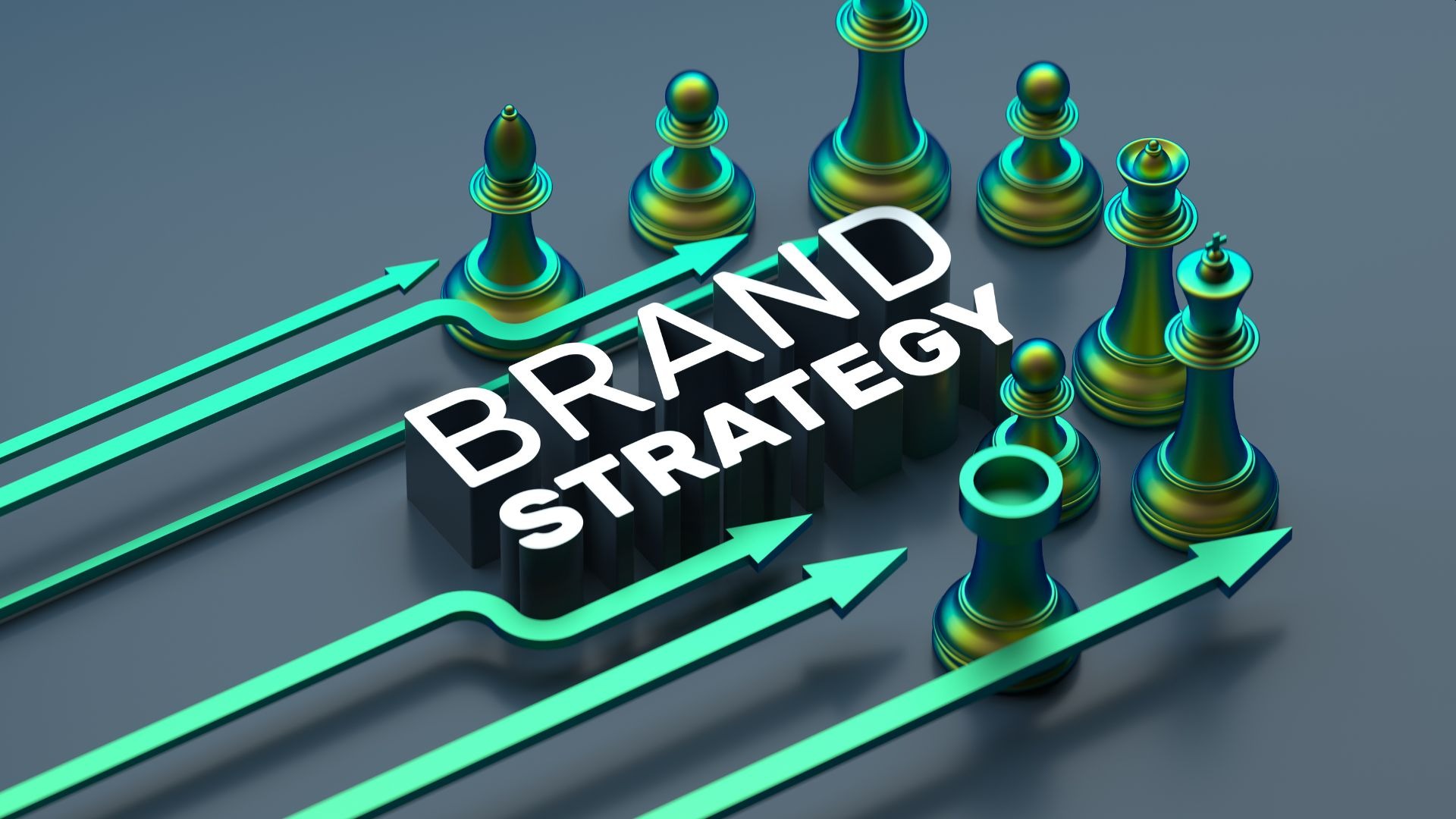
Unfortunately, this is just the beginning of the road, and businesses often fail to grow beyond their initial MVP. The core of the problem lies in their reluctance to acknowledge how important their brand is and invest sufficient time and effort into strengthening it. So, with these hard facts in mind, how can you align product development and brand strategy?
Understanding the Real Purpose of MVP
MVP is a great way to validate your market assumptions and create a product while investing minimal resources into it. It’s a starting point that helps gauge the reaction and establish some basic product functionality. To progress to a leader position, though, you’ll have to consider long-term positioning.
Designing a long-term development plan can help you complete the MVP stage and continue your successful growth. For example, producing a specialized app for your product with Anadea.info can be game-changing, as an increasing number of people rely on mobile applications for purchases, discounts, and order tracking. A strong SaaS product strategy will ensure that every feature and interface decision of your app:
- Enhances user interactions through customization;
- Provides active clients with more opportunities;
- Creates an extra layer of strength around your product.
That will be the first logical step. However, there are some others you’ll need to undertake, and they concern branding and its development.
How to Align Product Development with Brand Strategy
Brand value has always been a key driver of business success. In 2025, the 100 biggest world brands reached the value of over 10 trillion dollars. MVP might have been the starting stage for them all, but it’s smart branding that helped them become what they are.
Hoping to transition from MVP to market leader, too? Then you’ll have to consider the following steps.
Translate Brand Values into Your Product
Determining brand values and philosophy is the first step of branding that companies make. As reality has it, many of them forget all about these values later on: they create MVPs without thinking that there has to be a strong, tangible link between the two.
Here is an example of how translating brand values into a product might work:
- If simplicity is one of your brand’s values, you must ensure that each feature of your product is intuitive and reduces cognitive load on the user.
- If you value speed above everything, you need to meet the needs of your clients as soon as possible, outpacing your competition and making fast service as your core strength.
- If your brand is built on transparency, you must underline it in your product development. Explain everything in simple words so that your users can instantly understand what the product is doing, how it’s doing it, and in what way it affects them.
Your brand values shouldn’t be mere buzzwords. They must have a practical way of application, and each of your products must reflect them. This will help shape client expectations, turning them consistent and specific, while creating a quality-based link between your company and everything it releases.
Align Development Roadmaps with Long-Term Positioning
This step is closely related to the previous one. You must formulate long-term product development plans that align with your brand positioning at all stages.
Ask yourself: what outcomes is your brand supposed to deliver to clients? What do people expect from products associated with you? How do you want them to describe your MVP and whatever else you offer? Make answers to each of these questions a part of your global product strategy, even if it’s just at the MVP stage.
Consider User Trust as an Ultimate Success Metric
Product-market fit means that your product meets the demand and expectations of your target audience. Client retention and revenue growth are the clear indicators of this metric; however, to deserve the status of a market leader, you need to consider it from a more global perspective.
User trust is everything. If people like and respect your brand, they might be tempted to try all the MVPs it produces because:
- They know your products will behave in predictable, welcome ways.
- They are aware that communication will be transparent and effective.
- They know they will get significant value out of your products.
Your MVP might be successful, but if you neglect your brand, your users won’t be able to recognize it. As a result, they won’t be interested in staying with you and tracking what else you can offer, which will hamper your growth. Worse, this might kill your MVP before it properly takes off the ground.
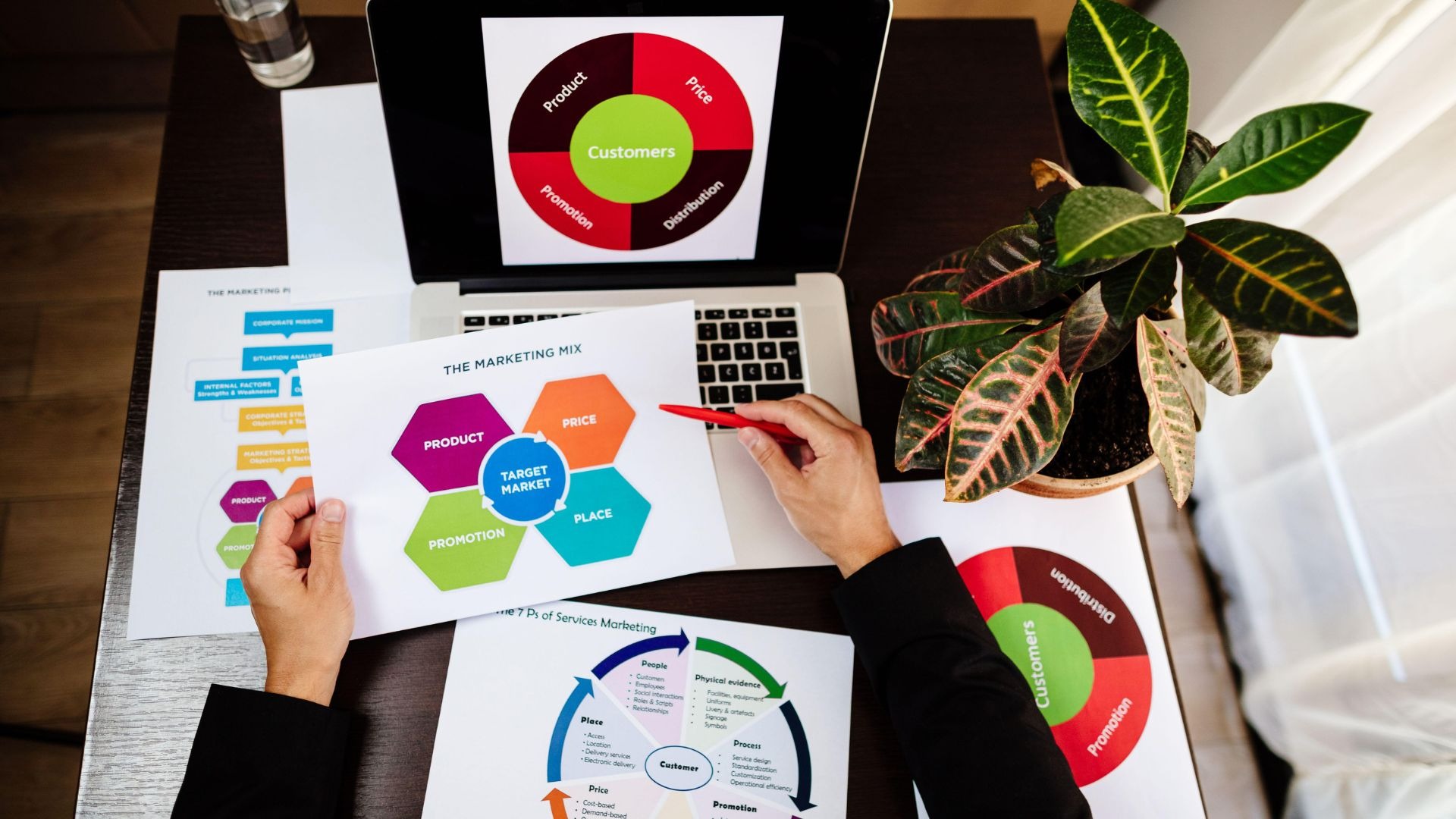
Invest in Product and Brand Development Both
Without doubt, you need to invest in scalable product development to drive sustainable growth and make sure that you can keep meeting the growing needs of your customers. However, it’s essential to focus on your core brand strategy, too.
Creating one great product is not enough to be called a market leader; you must shape a trustworthy brand with clear values and strategies: this will allow drawing attention to your other products and services. Invest in both, and make your products a worthy representation of your brand and vice versa.


%2520(1).png)