
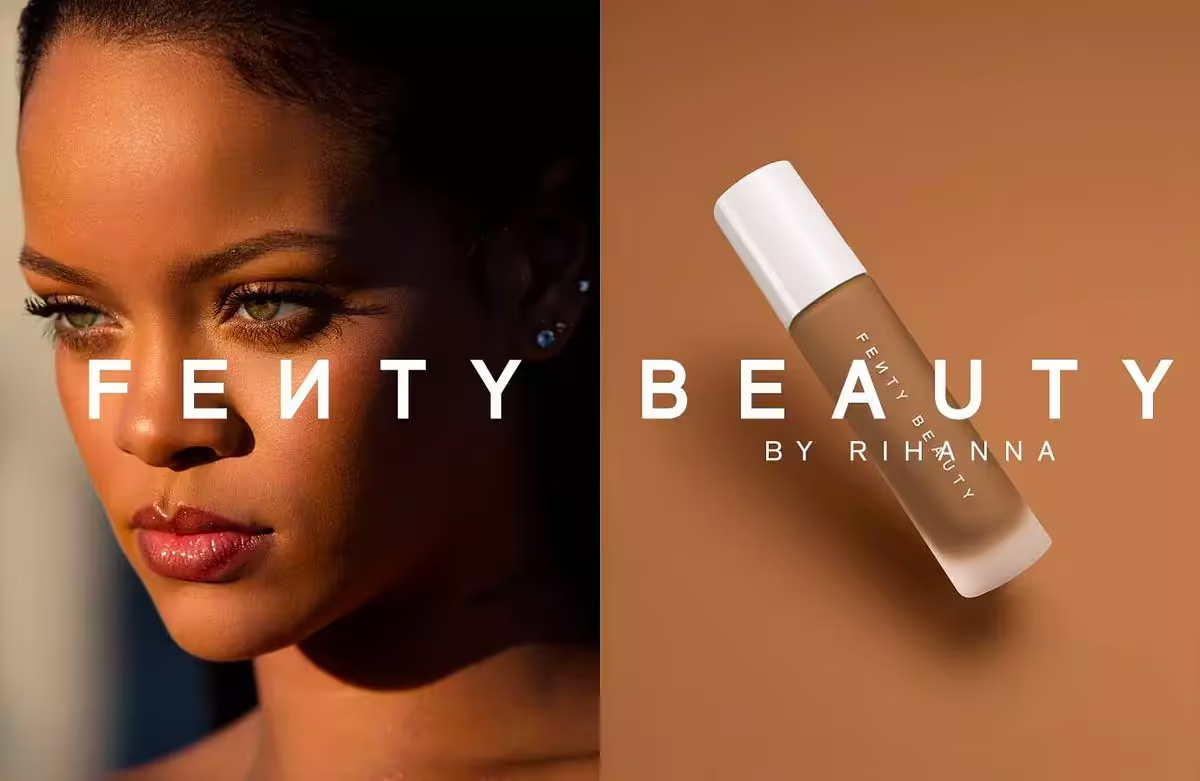
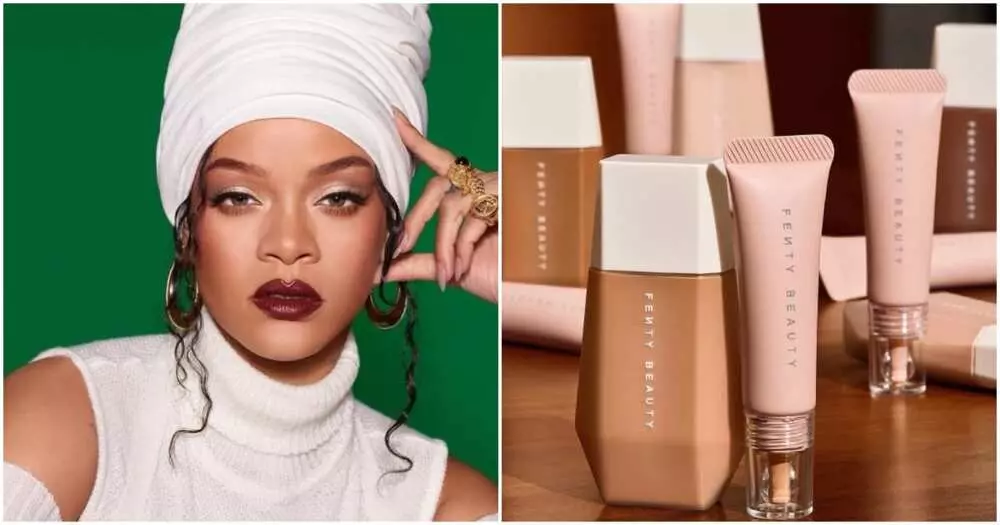
Fenty Beauty launched in September 2017 with a clear proposition: beauty products should work for a much wider range of people than the industry had routinely served. Its Pro Filt'r foundation debuted in 40 shades, alongside a campaign built around representation across skin tones and backgrounds. Other makeup brands already offered broad shade ranges, so the important point is not that Fenty invented the 40-shade foundation. Its impact came from making inclusion central to the product, the launch, and the public story at the same time. TIME later noted that this approach put an unusual level of attention on shade diversity and helped accelerate what became known as the Fenty Effect.
Rihanna's role gave the launch immediate cultural reach, but the brand still needed a system that could work beyond celebrity. Fenty connected product development, distribution, visual presentation, creator content, retail access, and digital tools around one recognizable idea. That is why the brand is useful to study through both Brand Vision's marketing lens and a broader branding lens: its growth came from making the promise visible in the product itself, not from treating inclusion as campaign copy alone.
Why Fenty Beauty's 2017 Launch Mattered
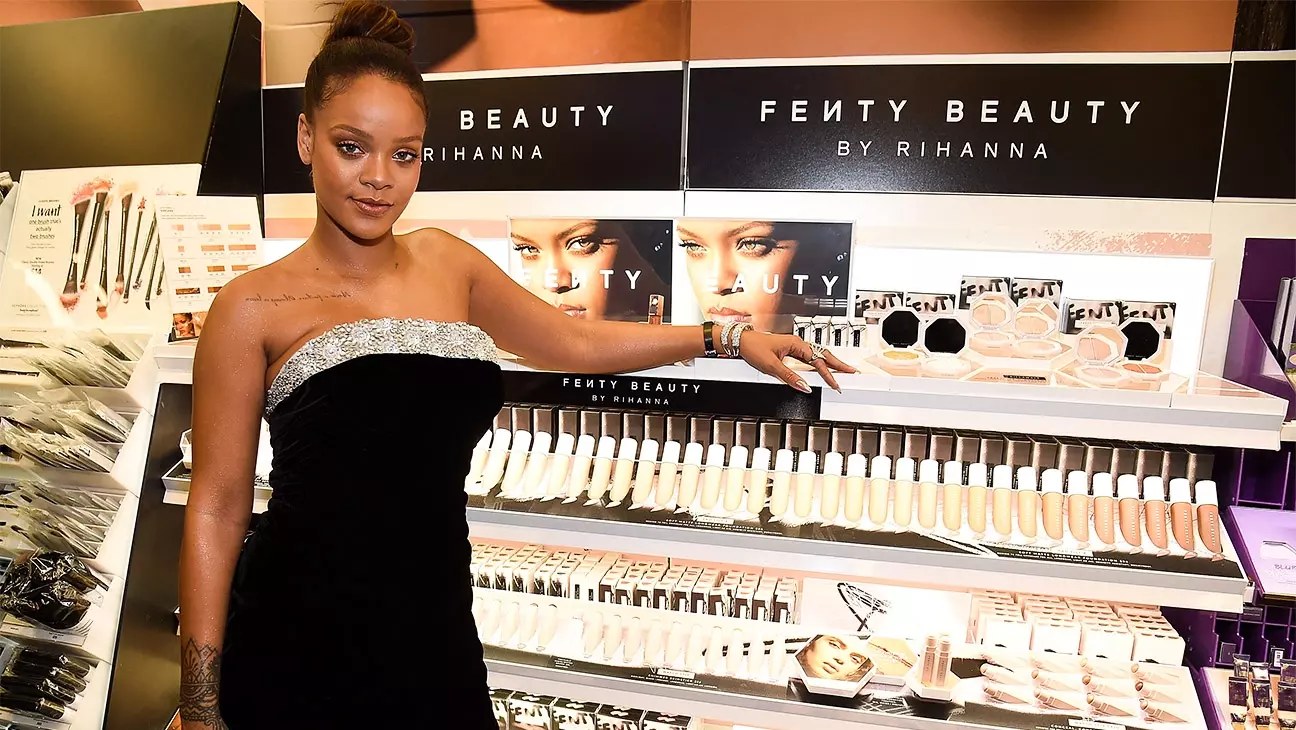
The beauty market was already moving toward broader representation when Fenty arrived, but gaps remained obvious, especially for people who struggled to find complexion products that matched deeper tones or specific undertones. LVMH describes Rihanna's founding vision as creating Fenty Beauty so women everywhere would be included, with an emphasis on traditionally hard-to-match skin tones. The company's current profile still records 40 foundation shades at launch. LVMH's Fenty Beauty profile frames inclusion as part of the brand's identity rather than a temporary launch message.
That distinction matters. A broad shade range alone is a product assortment decision. A broader brand strategy asks whether the product, message, imagery, distribution, and customer experience all support the same promise. Fenty's launch made that connection unusually visible.
Fenty Beauty's Marketing Strategy
Sandy Saputo, who was chief marketing officer at Kendo Brands, described three lessons behind the launch: exclude no one, let values inform the process, and show rather than tell. In her account of the launch, inclusion shaped product development, casting, creative work, and the way the brand entered markets. Saputo's account of the Fenty launch is especially useful because it comes from the team responsible for the work rather than from a later interpretation of the campaign.
Inclusivity as a Product and Brand Decision
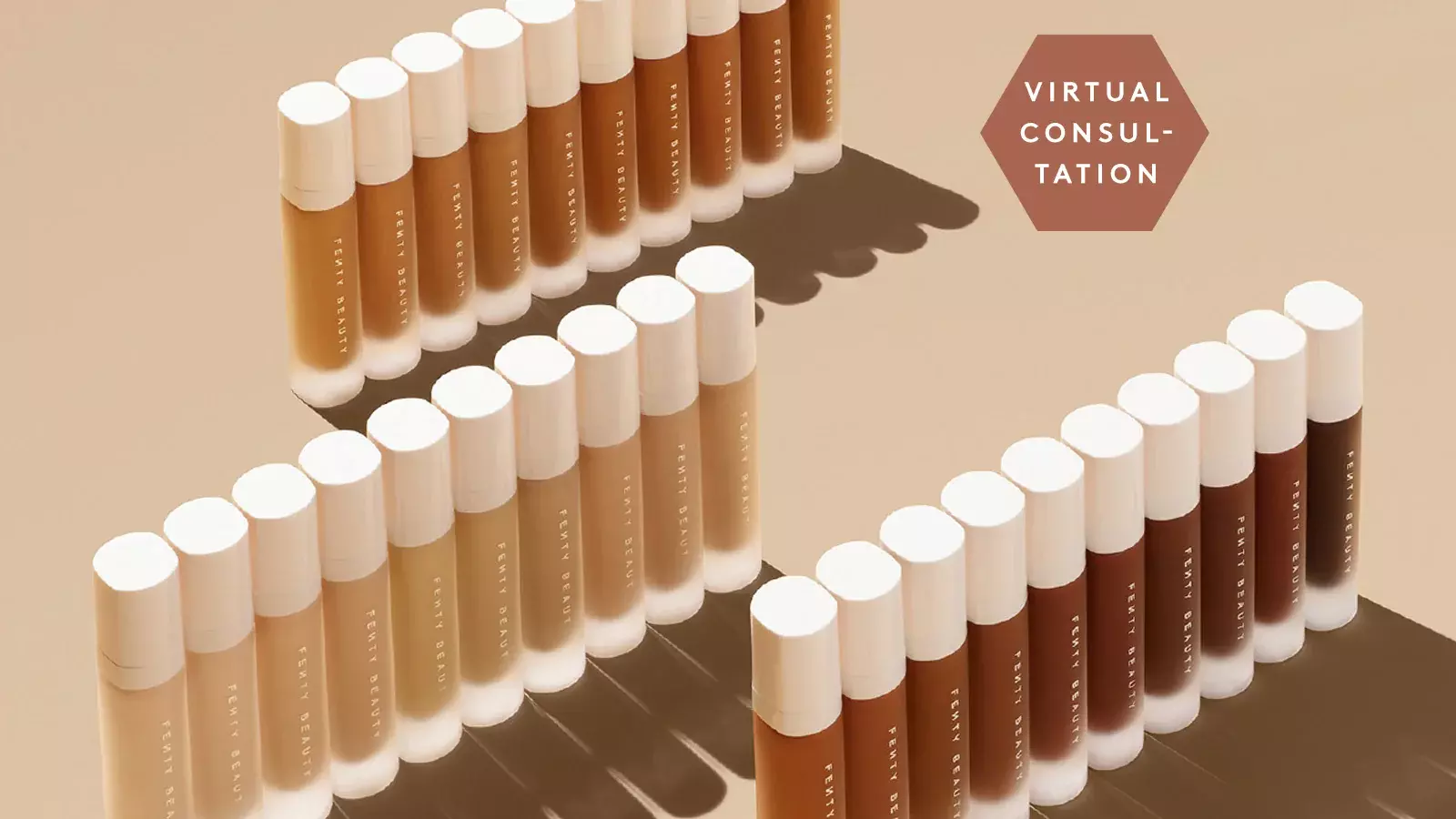
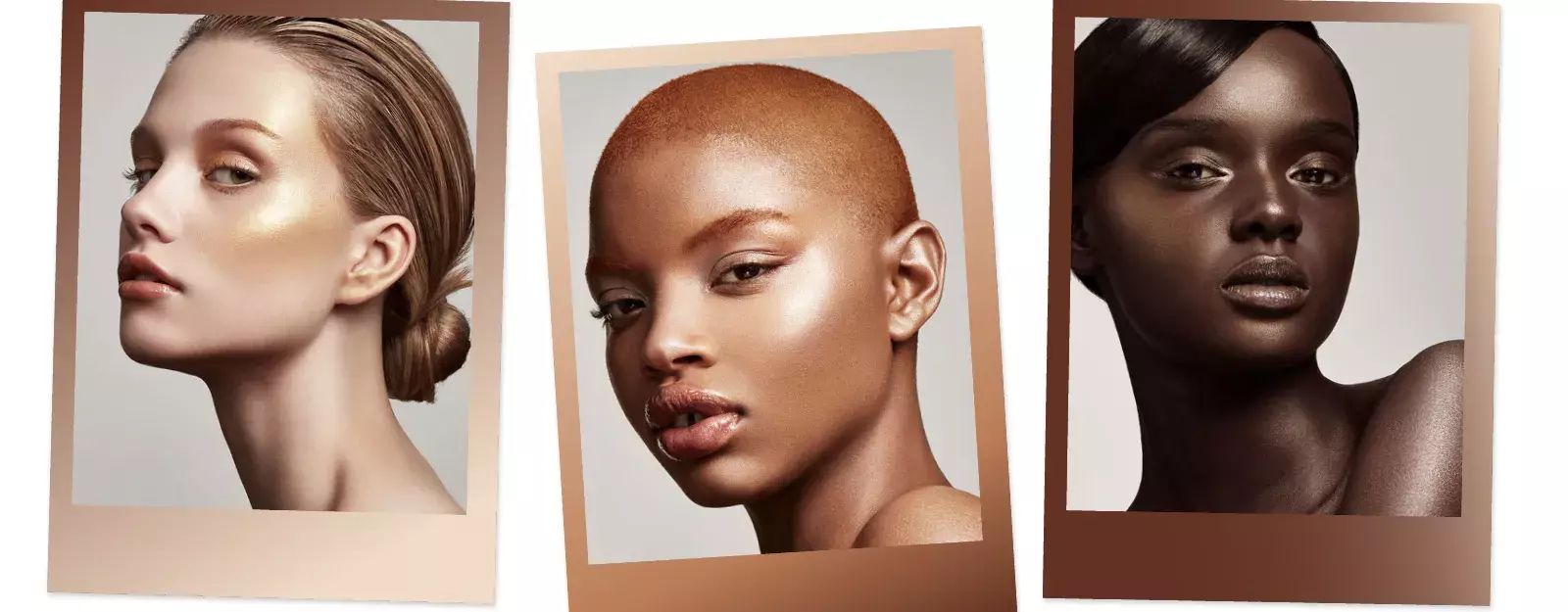
Fenty's 40-shade foundation range gave the promise a concrete proof point. Just as important, the campaign showed people across a wide range of complexions rather than describing the brand as inclusive in abstract terms. Saputo's lesson to "show" rather than simply declare the value helped keep the message tied to visible evidence.
This is where brand research becomes useful for other companies. Inclusion is not achieved by expanding an assortment at random. Teams need to understand which customers are underserved, what trade-offs they currently make, and where an existing category system fails them. Fenty's launch worked because the expanded choice solved a recognizable problem and the creative made that solution easy to see.

Launching with complexion products also made the value proposition unusually easy to demonstrate. Foundation is a category where a mismatch is immediately visible. Fenty therefore put its positioning into a product decision customers could test for themselves, rather than relying on a slogan to carry the entire brand promise.
The Fenty Effect and Industry-Wide Change
The phrase "Fenty Effect" came to describe the pressure on beauty brands to improve shade inclusivity after Fenty's launch. TIME noted that brands such as M.A.C and Make Up For Ever had offered expansive ranges before Fenty, but Fenty's campaign put a new level of public attention on diversity in complexion products. The lesson is therefore less about being first and more about making a category problem impossible to ignore.
Fenty also demonstrated how a consistent visual identity can reinforce a strategic position without turning every campaign into an explanation of the brand. Product photography, casting, packaging, retail presentation, and social content could change while the broader sense of inclusion and modern prestige stayed recognizable.

Social Media and Creator Marketing
Rihanna gave Fenty Beauty a large audience from day one, but the brand did not depend only on celebrity reach. Tutorials, product demonstrations, makeup-artist content, reviews, launch clips, and consumer conversation gave the products many ways to be understood in use. Think with Google later cited Fenty as the biggest makeup-brand launch in YouTube history at the time, illustrating how quickly product education and cultural conversation could reinforce each other.
For beauty brands, creator content is especially useful because it can demonstrate shade, finish, application, and versatility in ways static ads cannot. It also creates a natural form of B2C marketing: consumers can see the product used by people whose needs or preferences resemble their own before making a purchase decision.
For another founder-led beauty example, Brand Vision's breakdown of Rhode's marketing strategy looks at how product scarcity, founder visibility, visual consistency, and social distribution work together in a different beauty brand system.

Accessible Prestige and Product Expansion
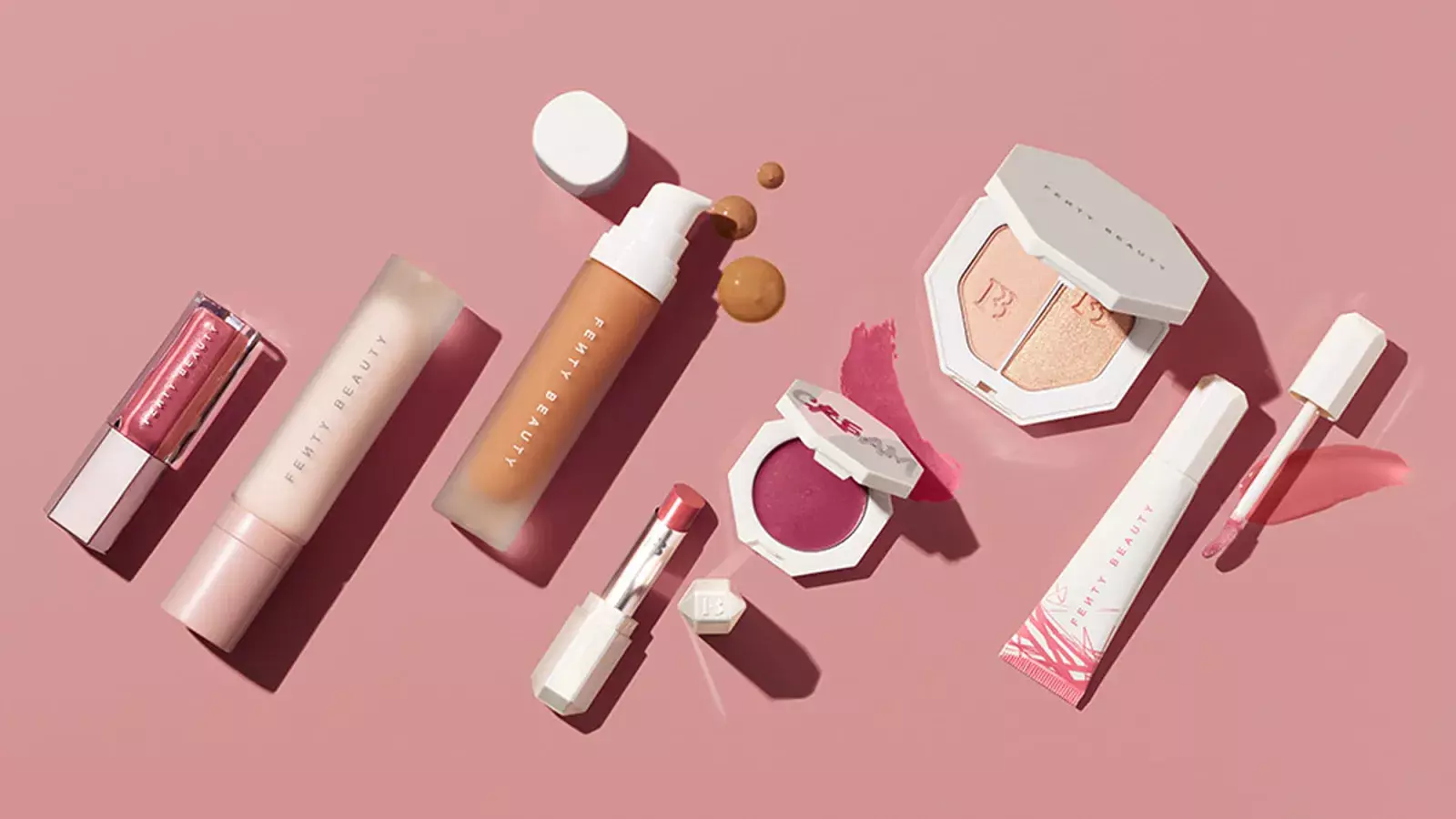
Fenty Beauty built a premium image without making the brand feel culturally distant. The design, launch events, retail environment, and Rihanna's fashion authority supported prestige, while the product story emphasized broad usefulness rather than exclusivity for its own sake. That tension helped the brand feel aspirational and accessible at the same time.
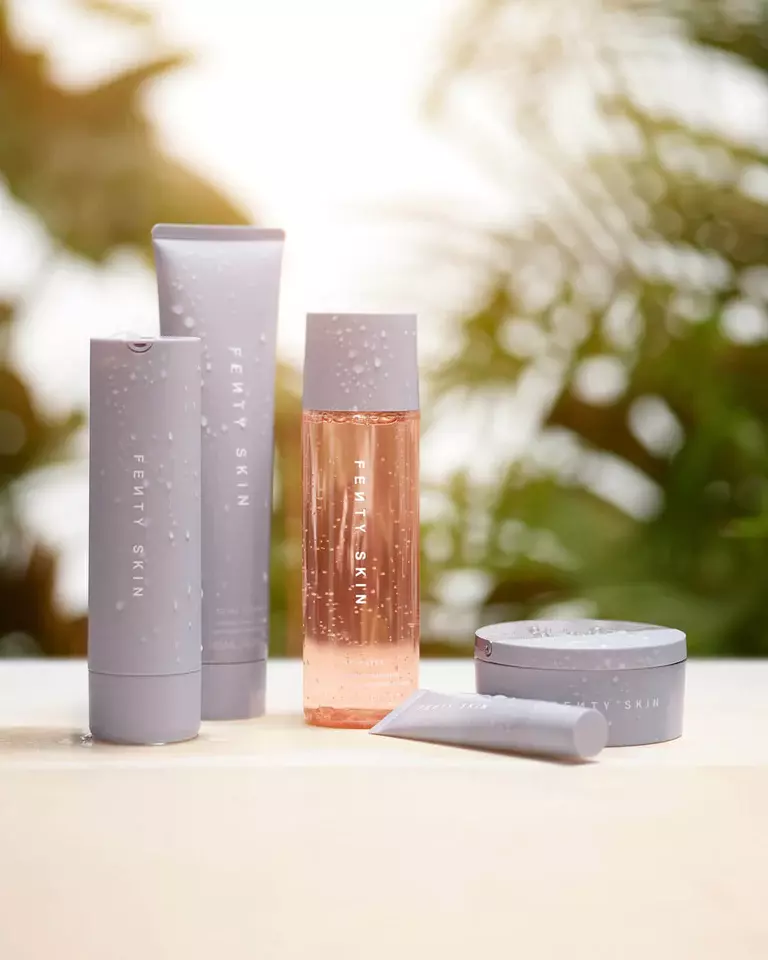
The business later expanded beyond its original makeup range into skincare and fragrance. The useful marketing lesson is that extensions work best when they preserve the brand's central logic. A new category should still feel like a recognizable expression of the same company rather than a disconnected attempt to capture more shelf space.


Global Distribution and Retail Partnerships
Fenty's launch was global from the beginning. Its 2017 launch announcement described a one-day rollout across roughly 1,600 stores in 17 countries. Saputo later wrote that the brand went live in 17 countries at the same hour and was prepared to ship directly to 137 countries. That 137-country figure is best understood as launch-era direct-shipping capability, not as a current store-footprint claim. LVMH's current Fenty profile lists 1,660 points of sale in 17 countries.
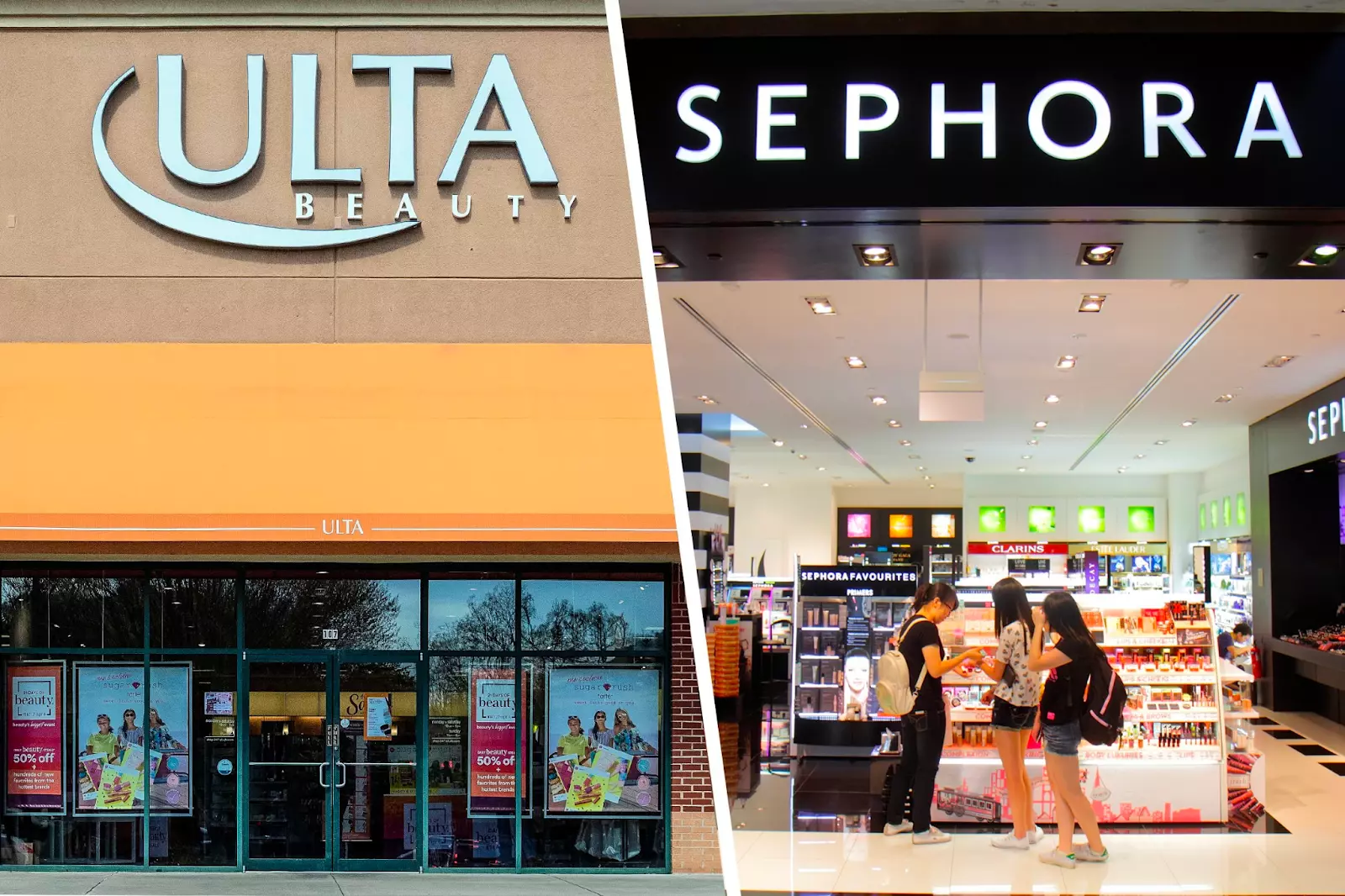
Retail partnerships were part of the marketing system because they affected who could try the products and where the brand could be experienced. Sephora was central to the original launch, and Ulta later added Fenty Beauty to its assortment. Distribution therefore did more than increase availability: physical stores provided product testing, consultation, discovery, and visibility at the moment of purchase.
Technology and the Fenty Shade Finder
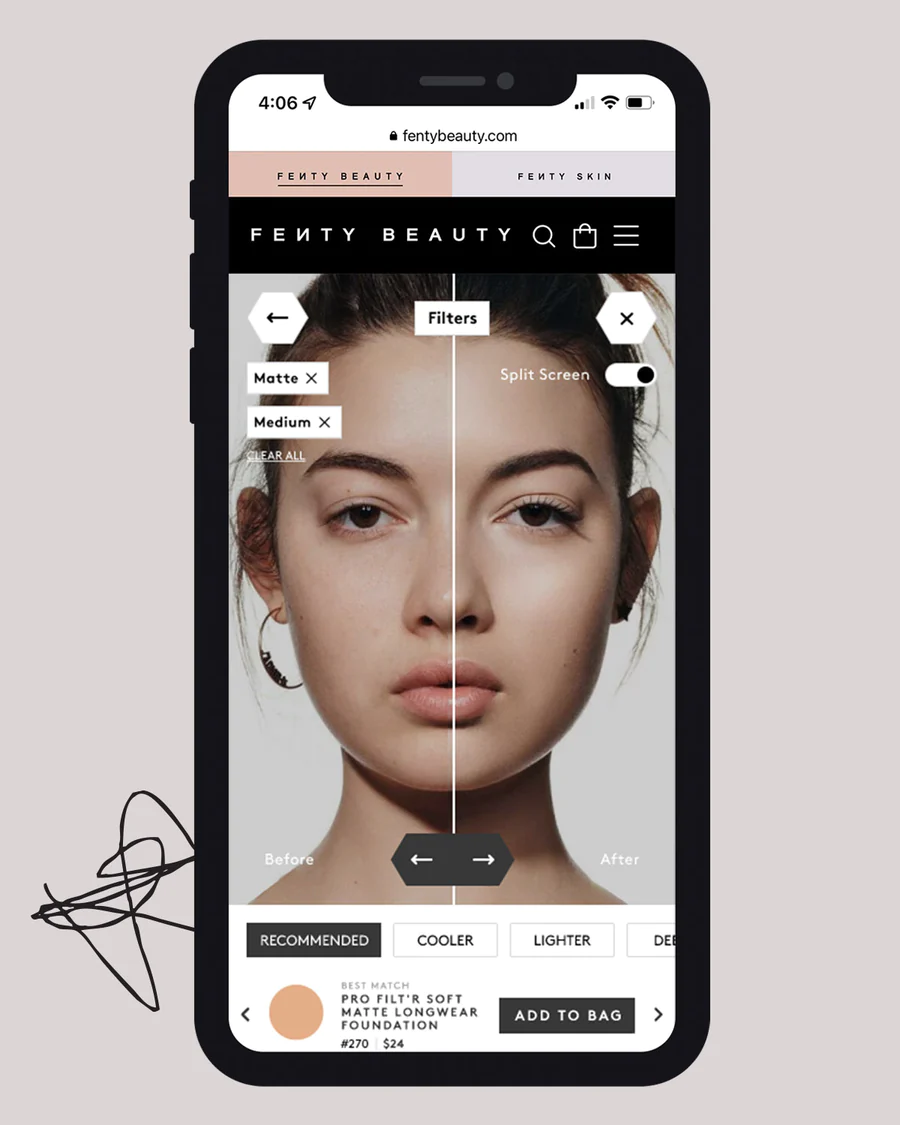
Fenty's current Shade Finder turns the complexion challenge into a digital customer-experience problem. The official tool is mobile-only: shoppers use a phone and selfie camera so the experience can analyze skin tone and suggest foundation matches. Fenty Beauty's Shade Finder also lets users refine the result by undertone.
The value is not that the brand uses technology for its own sake. The tool addresses one of the biggest sources of uncertainty in buying complexion products online. That makes it a useful example of how web design and a strong UI UX design system can support the same promise as the product: help more people find something that works for them with less friction.
Recognition and Long-Term Brand Impact
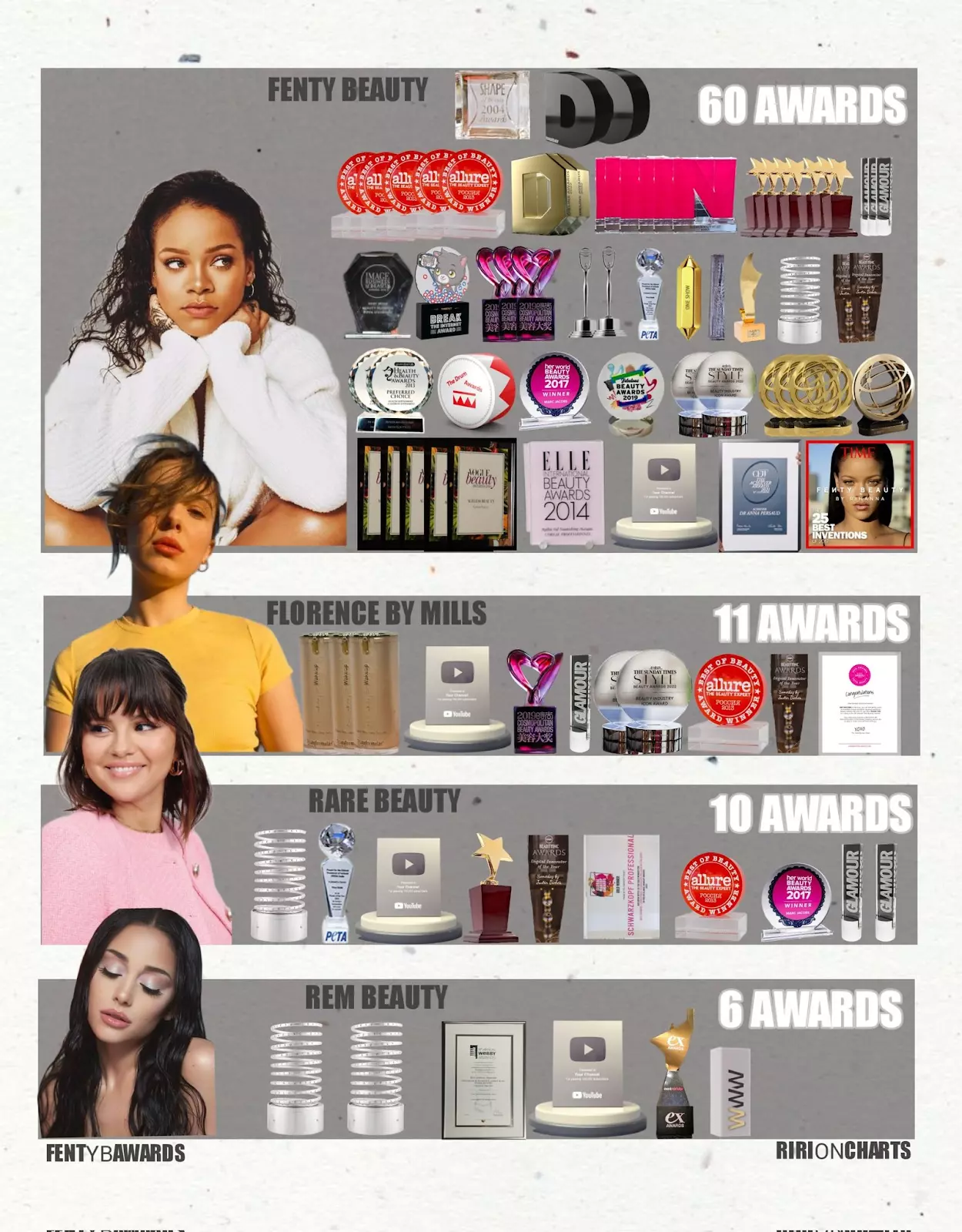
Fenty's long-term significance is easier to see in the category response than in any single award. TIME named Fenty Beauty one of its Genius Companies in 2018 and described how the brand's inclusion-focused launch pushed competitors to widen their own shade offerings. That response is a strong sign that the marketing promise had moved beyond awareness and changed what customers expected from the category.
For founders and marketers, the durable lesson is alignment. Fenty's most effective marketing was backed by a product range, casting choices, global rollout, retail presence, and digital tools that made the brand promise tangible. Celebrity reach accelerated awareness, but the system gave people reasons to believe the message after the launch moment passed.

How Business Owners Can Apply Fenty Beauty's Playbook
Fenty Beauty's rise is a reminder that brand growth is rarely about louder marketing. It is about making a point of view clear enough that product decisions, creative work, distribution, and customer experience reinforce one another.
- Build the version of your niche that serves overlooked customers. Inclusivity is a product, creative, and service decision. Tighten positioning and message first, then let the rest follow through brand strategy.
- Make the product range intentional. Fenty's shade range worked because it solved a real gap with precision. Use brand research to understand which choices customers actually need.
- Use real representation as a creative advantage. Cast, shoot, and write in a way that reflects the audience, then reinforce it with a cohesive visual identity.
- Make the website reduce purchase uncertainty. Product tools and clear journeys can turn interest into confidence. A conversion-focused web design agency and UI UX design agency can help when the site needs to carry more of the selling process.
- Treat distribution as part of marketing. Retail partnerships, pop-ups, and placements shape how a customer experiences the brand. Pressure-test channel choices with a marketing consultation when the trade-offs are unclear.
- Stay discoverable as demand grows. Product pages, retail queries, comparisons, and customer questions can all become search entry points. An experienced SEO agency can help make sure that demand finds the right pages.
More Marketing Strategy Breakdowns



%2520(1).png)






