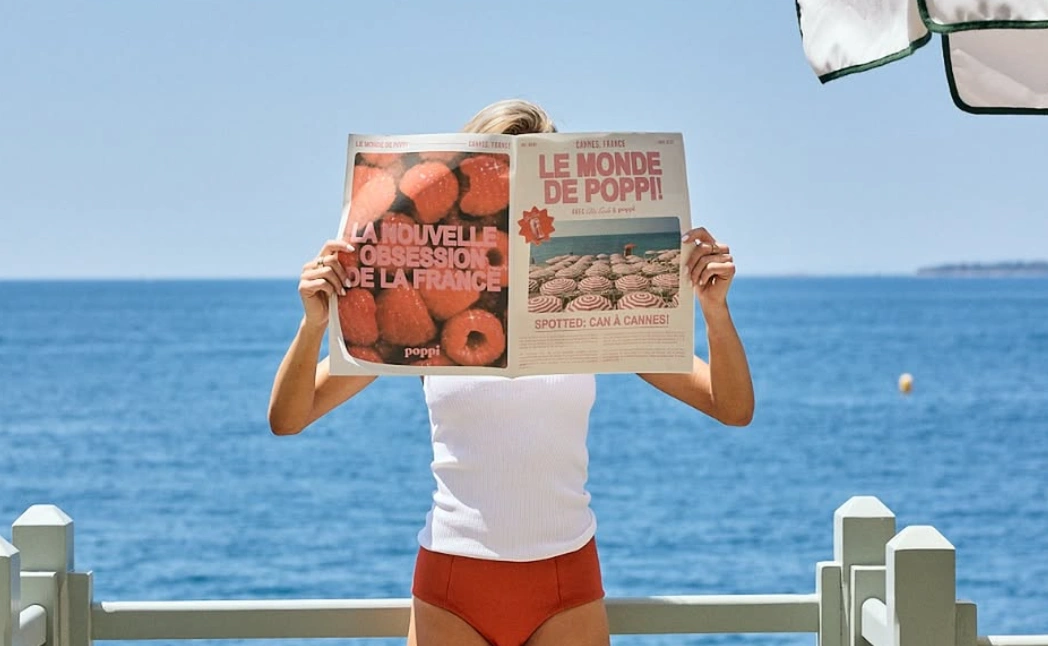
Poppi entered 2025 as more than a prebiotic soda brand. Its growth came from making the product feel native to social feeds, retail shelves, creator culture, and entertainment moments. Bright packaging, a casual voice, and high-visibility partnerships turned a functional beverage into a lifestyle proposition. The strongest part of the Poppi brand strategy is that the same personality appears across product, content, and distribution, while broader branding services show why those touchpoints need to reinforce one another.
- Poppi uses recognizable visual and verbal assets instead of relying only on functional claims.
- Creator partnerships and retail distribution give the brand both cultural reach and everyday availability.
Soda Thoughts and the Vending-Machine Backlash
Poppi returned to the Super Bowl in February 2025 with its “Soda Thoughts” campaign. Poppi’s own launch material named Alix Earle, Jake Shane, and Rob Rausch as featured creators in the 60-second spot. The campaign positioned Poppi as a soda for everyday occasions, supported by a broader creator and social rollout.
The separate pink vending machines seeding program drew backlash after full-size machines were sent to 32 influencers. Critics focused on the extravagance and exclusivity of the stunt. Co-founder Allison Ellsworth responded publicly by asking consumers where they wanted machines placed, but that response should not be treated as proof that the controversy became a successful campaign. The useful lesson is simpler: creator seeding can create attention quickly, and audience reaction can change what the brand itself becomes known for.
Creators at the Center of Poppi’s 2025 Marketing
Creator marketing remained central to Poppi in 2025. The Super Bowl work used Earle, Shane, and Rausch, while Post Malone had joined the company in 2024 as a partner and investor.
Poppi’s approach works because recognizable people are used inside a broader content system rather than as one-off faces. Brand teams building a similar program can use an influencer marketing strategy to define creator fit, disclosure, distribution, and measurement before spending on reach alone.
Packaging and Shelf Strategy: Bright, Bold, and Recognizable
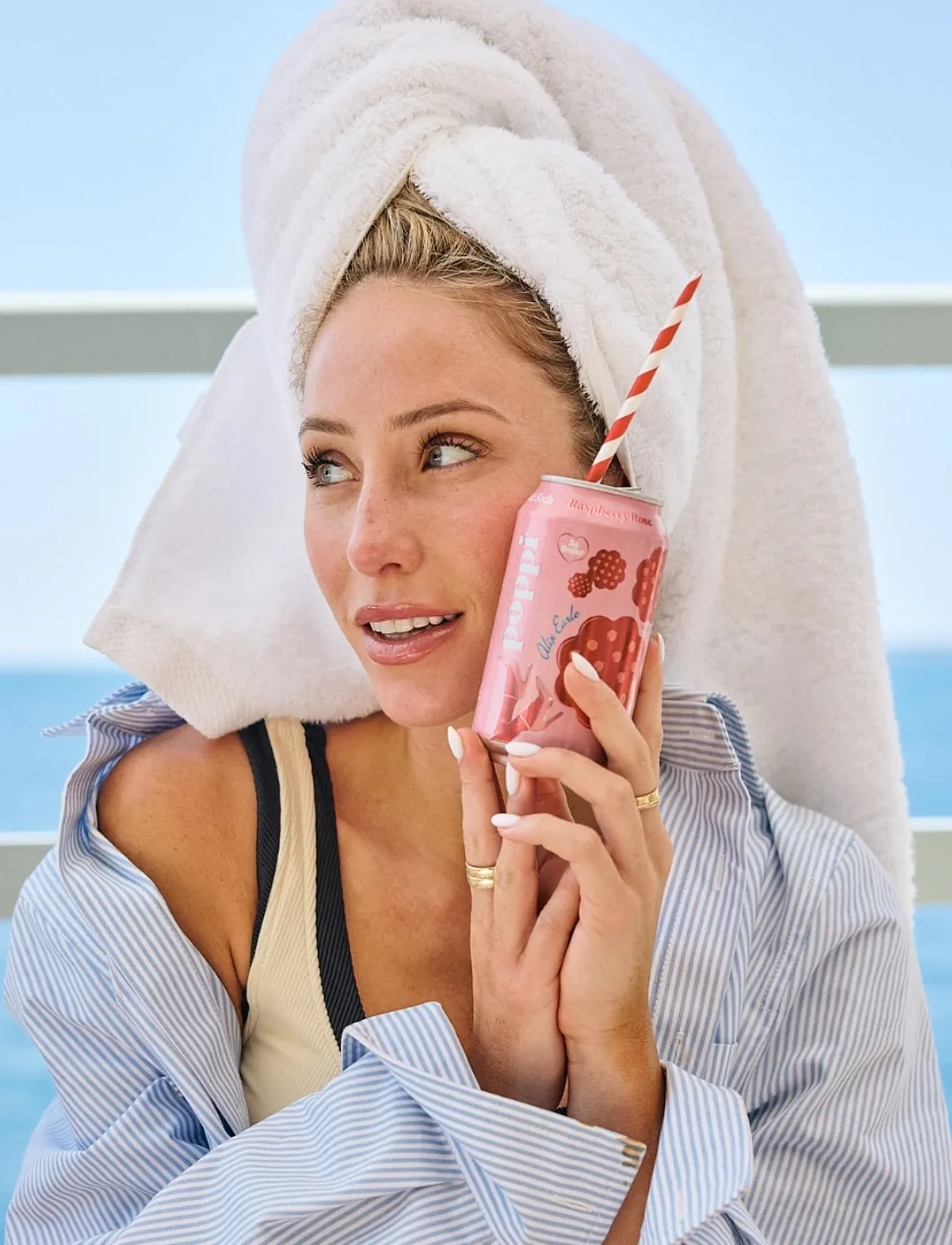
Packaging is one of Poppi’s most consistent brand assets. Bright flavor colors, large typography, and playful copy make cans easy to recognize in a crowded beverage aisle and easy to carry into social content. Older packaging language included phrases such as "Be Gut Happy", while the wider design system focuses on flavor, personality, and visual contrast.
The package therefore does two jobs: it identifies the product in retail and gives campaigns a recognizable object to repeat. That is where visual elements and strong graphic design become commercial tools rather than decoration.
Retail Turns Poppi Into an Everyday Brand
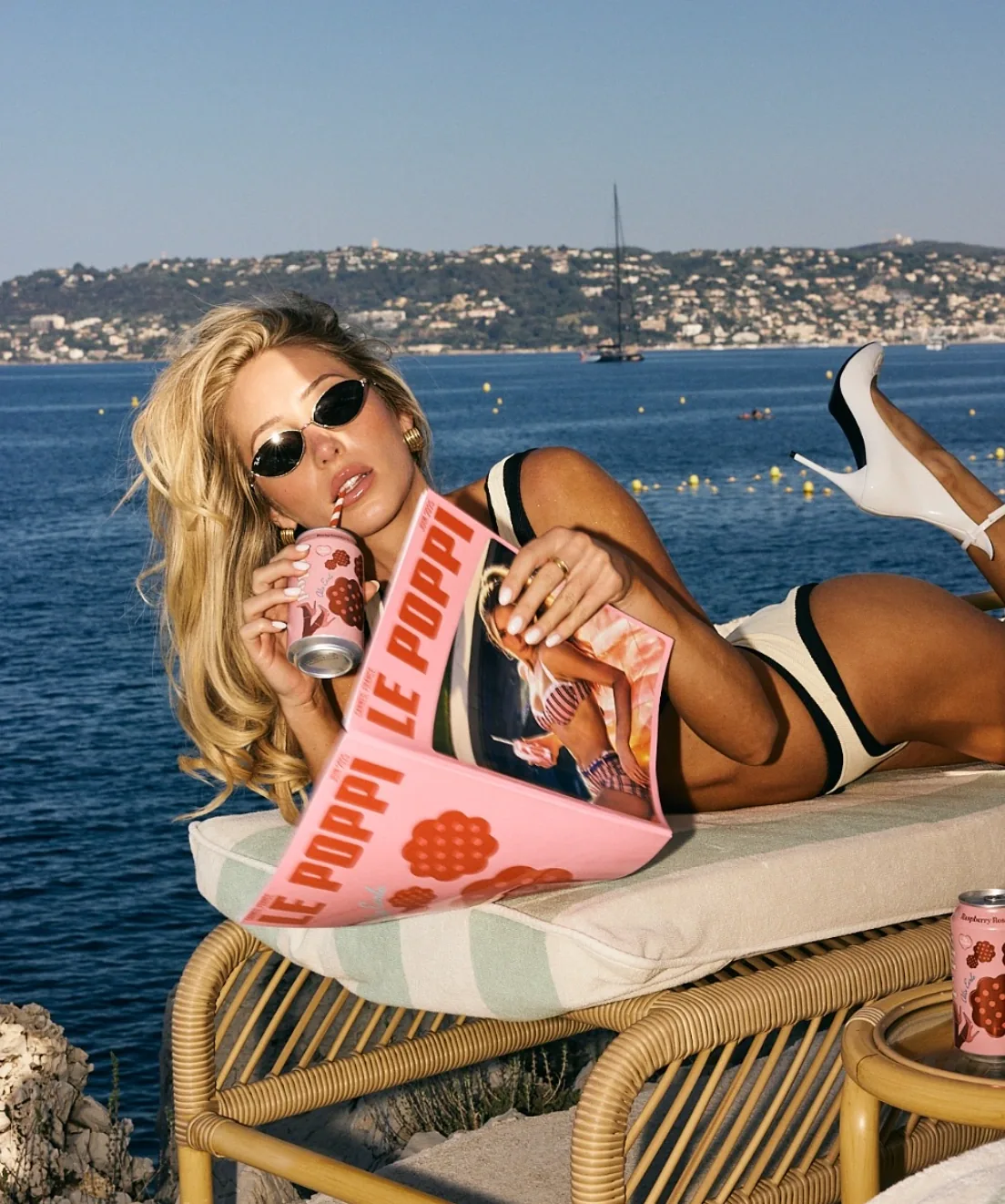
Poppi’s lifestyle positioning would be weaker without broad physical distribution. Target, Walmart, Kroger, Amazon, and Whole Foods have helped place the brand in ordinary shopping routines rather than keeping it inside a direct-to-consumer niche. Retail displays and culture-led campaigns also give the can more chances to be discovered outside a social feed.
For beverage brands, this is a useful food and beverage marketing lesson: awareness, packaging, distribution, and the point of sale need to work together. A campaign can create demand, but the product still needs to be easy to find and recognize.
Creator Content and Product Placement
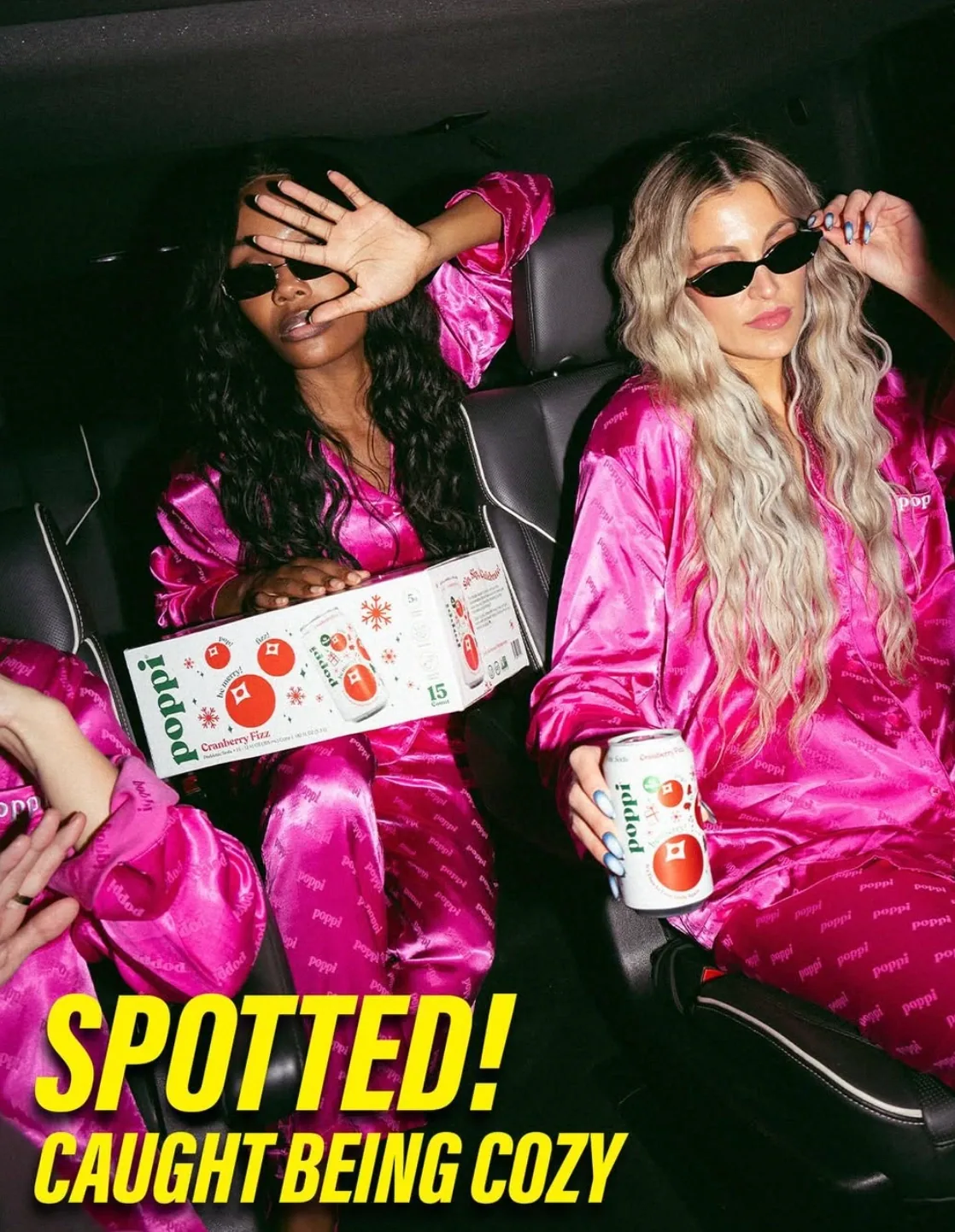
Poppi frequently appears in creator-led lifestyle content, from routines and events to entertainment partnerships. The earlier article described this as “casual saturation,” but it is safer to distinguish documented partnerships from appearances that may simply be organic. What matters strategically is that Poppi’s packaging and tone make the product easy to integrate into content without changing the brand’s look.
An integrated marketing approach helps connect those creator moments to retail, paid media, events, and product launches instead of treating each appearance as an isolated impression.
Flavor and Culture Partnerships as Marketing Moments
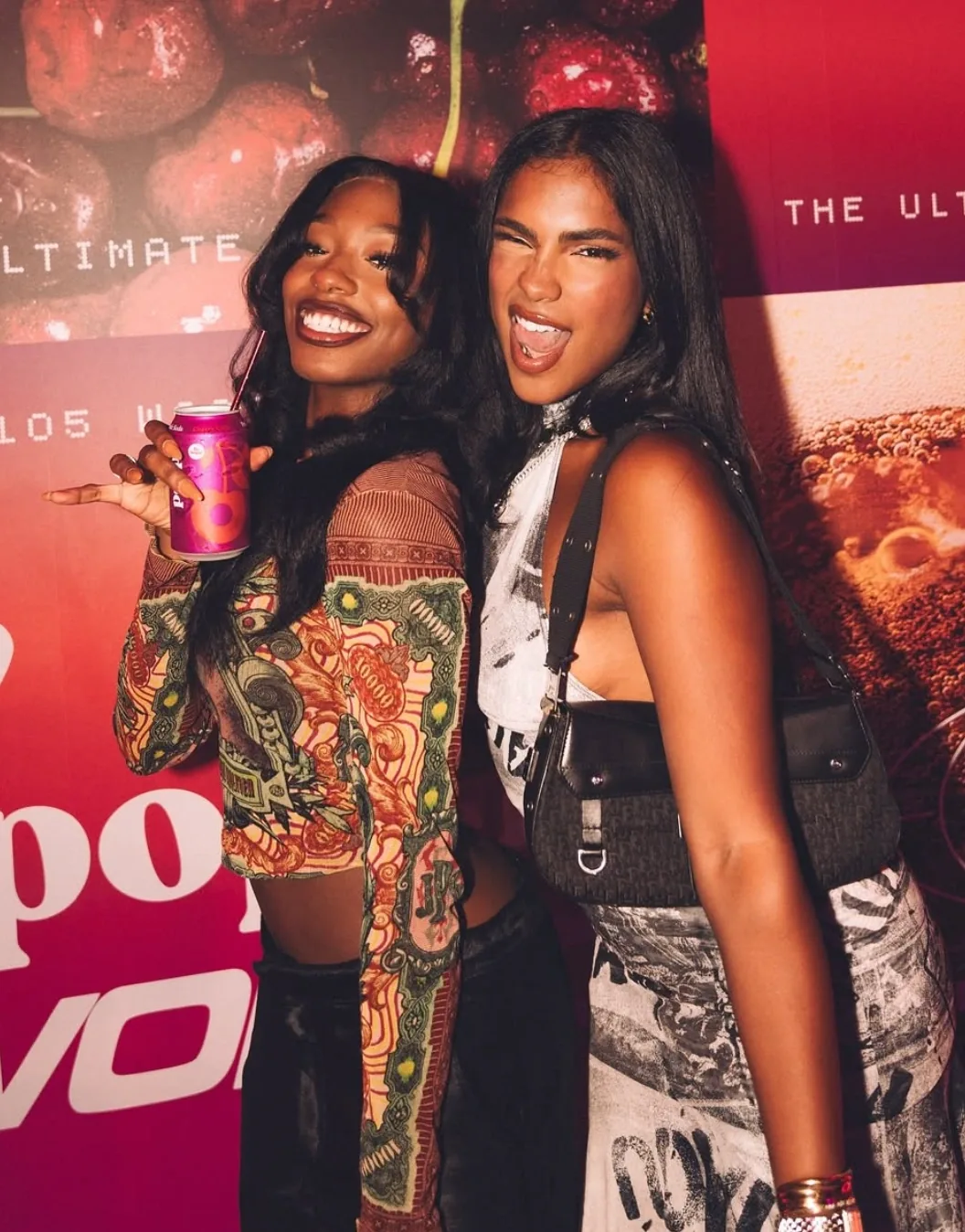
Poppi has repeatedly treated product launches as cultural moments. Cherry Cola debuted around New York Fashion Week in 2024, for example, with a public Poppi World activation. In March 2025, the brand extended that approach through its first movie collaboration, a limited-edition partnership with A Minecraft Movie. Poppi described the collaboration as an extension of Soda Thoughts and a way to show up around another major soda occasion.
- Limited packaging and partnerships create reasons to revisit a familiar product.
- Culture tie-ins can broaden reach when the collaboration still feels consistent with the brand’s visual system.
Post Malone: Partner, Investor, and Custom Product Story
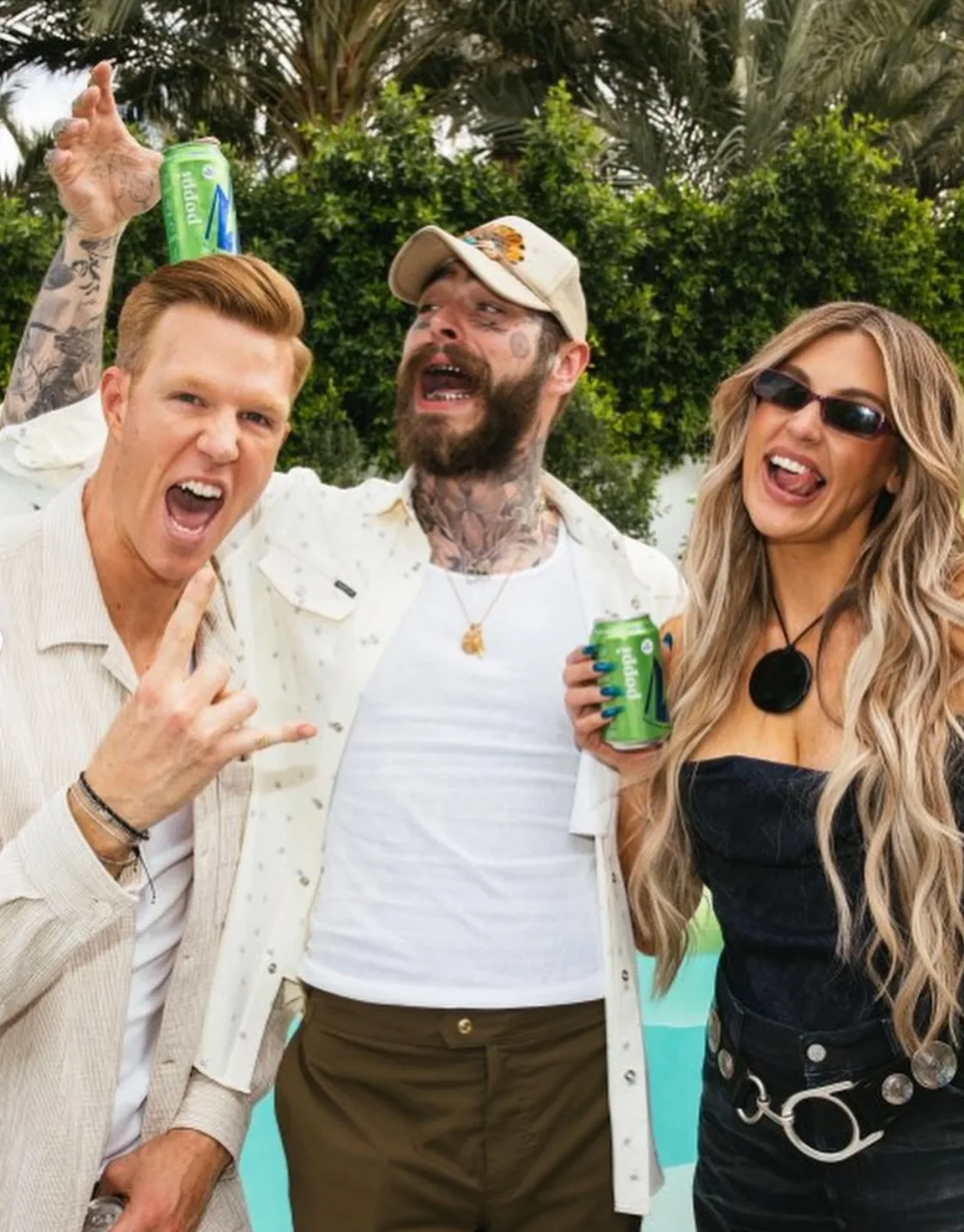
Post Malone’s relationship with Poppi is stronger than a standard paid endorsement. Poppi announced him as a partner and investor in September 2024 and launched a custom Wild Berry can called “Posty’s Soda” through Kroger. The campaign tied his personal shift away from traditional sugary soda to the product story, giving the partnership a clearer narrative than a celebrity cameo alone.
That kind of partnership can be effective when the audience understands why the person fits the product. The original article’s claims that Malone discussed gut health on podcasts or repeatedly promoted Poppi on stage were not well supported, so the repair keeps the documented partnership and drops the speculation.
Lifestyle Positioning, With Health Claims Needing Precision
Poppi has marketed itself as a prebiotic soda and a better-for-you alternative, but health-adjacent language needs precision. Consumer litigation challenged earlier “gut healthy” representations. Settlement materials state that plaintiffs alleged the claims were misleading, while Poppi denied wrongdoing and maintained that its labeling was truthful and accurate. The court did not decide which side was correct on the merits.
For marketers, the lesson is not to make a medical judgment about the product. It is to separate brand positioning from evidence about functional benefits. Structured brand research can help teams understand which messages audiences value, while product and health claims should be supported independently and reviewed with the appropriate expertise.
PepsiCo Acquisition: Poppi’s 2025 Turning Point
The clearest answer to “what came next” arrived in 2025. PepsiCo completed its acquisition of Poppi on May 19 for $1.95 billion, including $300 million in anticipated tax benefits for a net purchase price of $1.65 billion, plus a performance-based earnout. PepsiCo specifically cited Poppi’s growth, consumer engagement, functional positioning, vibrant packaging, social presence, TikTok activity, and influencer partnerships as reasons the brand fit its portfolio.
That transaction makes the original article’s speculation about skincare, energy drinks, and undefined future partnerships unnecessary. Poppi’s next stage is now tied to scaling a brand that already proved it could combine retail distribution with a distinct cultural identity.
What Poppi’s 2025 Marketing Strategy Shows
Poppi’s 2025 marketing is most useful as a case study in coordination. The packaging looks like the social content, creators reinforce the same personality, retail gives campaigns somewhere to convert, and major cultural moments keep the brand visible beyond the beverage aisle. The vending-machine backlash also shows that attention can work against a brand when the execution feels out of step with the audience.
From a branding agency perspective, the transferable lesson is to build a recognizable system before chasing individual tactics. Teams reviewing positioning, creator strategy, or a brand refresh can use a focused marketing consultation to identify which parts of the customer journey need the most work.
FAQ
What defined Poppi’s marketing strategy in 2025?
Poppi combined Super Bowl advertising, creator partnerships, bold packaging, retail distribution, and culture-led collaborations while maintaining a consistent visual and verbal identity.
Who appeared in Poppi’s 2025 Super Bowl campaign?
Poppi’s official Soda Thoughts release named Alix Earle, Jake Shane, and Rob Rausch as the featured creators.
Why did Poppi face backlash over vending machines?
Poppi sent full-size branded vending machines to 32 influencers before the Super Bowl. Critics argued that the stunt felt extravagant and exclusive, and the company responded publicly to the criticism.
Was Post Malone a Poppi partner in 2025?
Yes, but the relationship began earlier. Poppi announced Post Malone as a partner and investor in September 2024 and introduced a custom Wild Berry “Posty’s Soda” can.
What happened to Poppi in 2025?
PepsiCo completed its acquisition of Poppi on May 19, 2025. The transaction was announced at $1.95 billion, including anticipated tax benefits, with a performance-based earnout also included.