Search interest around the most expensive marketing campaigns of 2025 mixes several different kinds of spending: media prices, full campaign budgets, and large campaigns whose totals were never disclosed. This article separates those categories instead of pretending they form one precise ranking. The clearest reported costs came from Super Bowl LIX media and Friend’s New York subway buy, while campaigns from Anthropic, Fanta, Nike, and Coca-Cola were described at scale without comparable public budgets. For a branding agency or marketing agency, the useful lesson is how each investment matched the audience, brand strategy, and moment, not which brand spent the most.
For additional 2025 campaign examples, our fall marketing campaign roundup focuses on creative format and timing rather than spend.
At a glance
- Super Bowl LIX media averaged close to $8 million for a 30-second spot. That is an airtime benchmark, not a complete campaign budget. (CBS MoneyWatch)
- The Verge reported that OpenAI spent about $14 million on its 60-second Super Bowl debut. The article supports the media figure, not a full all-in campaign total that includes every production and extension cost. (The Verge)
- Axios described Anthropic’s “Keep thinking” launch as a multimillion-dollar campaign across film, streaming, print, out-of-home, influencers, and podcasts. It did not publish an exact total. (Axios)
- Friend’s New York subway campaign had a reported spend of more than $1 million. Fanta’s global Halloween campaign was large in scope, but its total budget was not disclosed in the reporting used here. (Business Insider)
1) OpenAI’s Super Bowl Debut: About $14M in Reported Media Spend
OpenAI’s first Super Bowl commercial is the clearest single 2025 example in this list with a reported eight-figure media figure. The Verge reported about $14 million for the 60-second Super Bowl LIX spot. The creative used a pointillist animation to place ChatGPT inside a broader history of human tools and inventions. That $14 million figure should be read as the reported Super Bowl advertising cost, not as a verified all-in budget for production, PR, and every follow-on asset. (The Verge)
- The reported media figure was about $14 million for 60 seconds.
- Production and downstream campaign costs were not separately disclosed in the cited report.
- The strategic lesson is to use expensive reach for a message that can be understood in one viewing.
2) Super Bowl LIX: Close to $8M per 30 Seconds as a Media Benchmark
Super Bowl LIX is better treated as a media-price benchmark than as one campaign. CBS MoneyWatch reported an average close to $8 million for a 30-second spot. Advertisers then had to fund creative, talent, production, PR, digital extensions, and other activation costs on top of that airtime. The number shows why Super Bowl advertising sits at the top end of U.S. mass-reach media, but it does not establish which advertiser had the largest total campaign budget. (CBS MoneyWatch)
- The roughly $8 million figure refers to a 30-second media unit, not the complete campaign.
- Advertisers often added production, talent, teasers, social cutdowns, retail, and PR around the broadcast buy.
- A high-cost media moment is useful only when the brand has a plan to extend the asset beyond the game.
3) Anthropic’s “Keep thinking”: Multimillion-Dollar Campaign, Exact Total Undisclosed
Axios described Anthropic’s first major Claude brand campaign as a multimillion-dollar effort. The 90-second hero film was only one part of the buy: the campaign also ran across sports, Netflix, Hulu, print, out-of-home in a dozen cities, influencers, and podcasts. That makes it a useful example for B2B marketing because a company known for enterprise AI invested in broad consumer awareness. The exact campaign total was not published. (Axios)
- The source supports “multimillion-dollar campaign,” not a specific budget.
- The 90-second film anchored a larger international media system rather than representing the whole spend.
- The campaign used one positioning line across enterprise and consumer-facing channels.
4) Fanta Halloween 2025: Large Global Activation, Budget Undisclosed
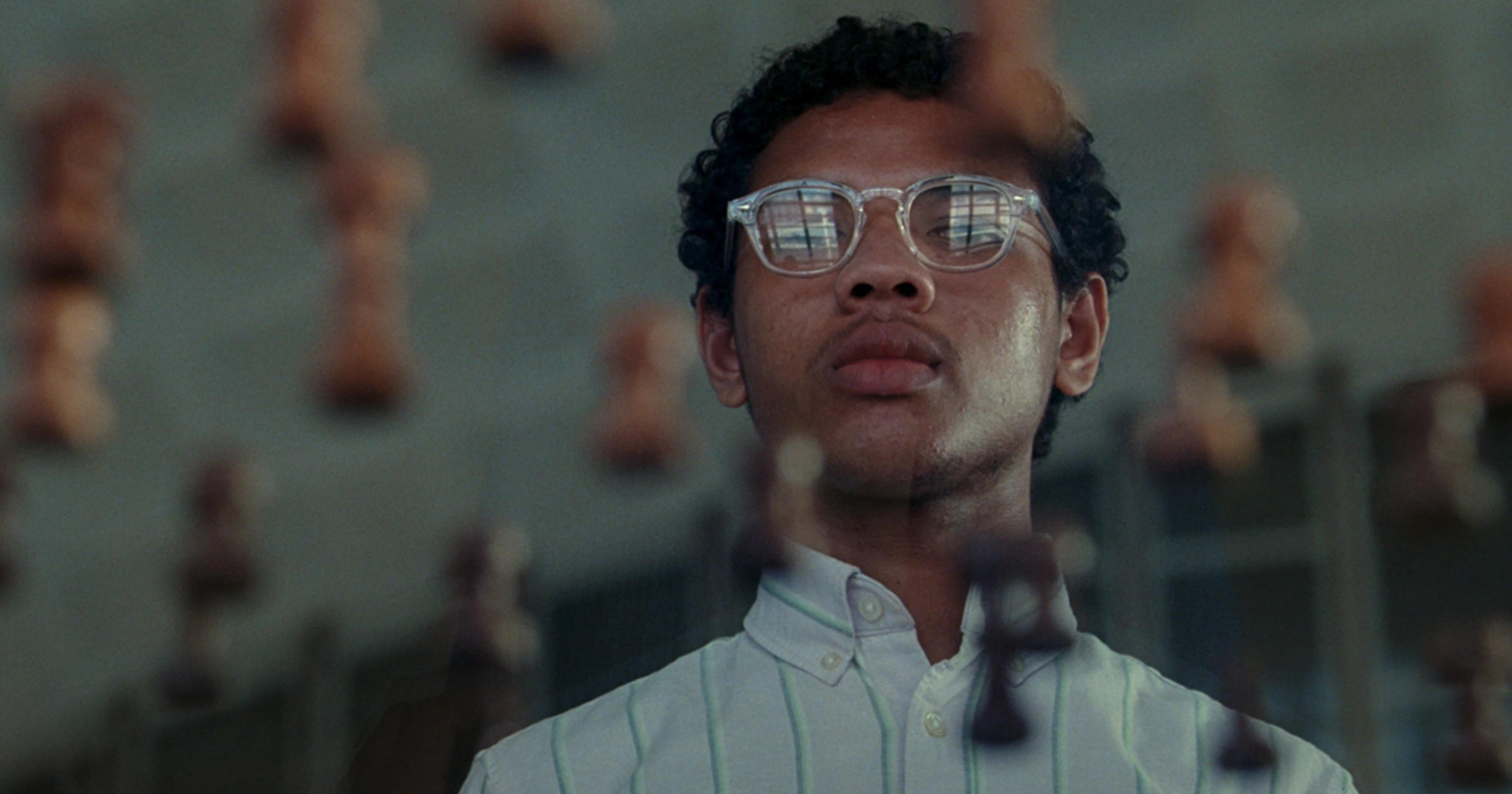
Fanta’s 2025 Halloween campaign was large in scope, but there is no disclosed budget in the source used here. Coca-Cola partnered with Universal Pictures and Blumhouse on horror-character packaging, cinema and retail activations, influencer content, limited products, and the Haunted Fanta Factory in New York. The company later said Fanta Halloween activated in roughly 50 markets. That makes it a useful example of entertainment marketing and food and beverage marketing, but not a campaign that can be ranked by total cost from public evidence. (Business Insider)
- Confirmed scope included licensed horror IP, limited packaging, retail and cinema activations, digital content, and a New York experience.
- The source does not disclose a total spend, so this article does not assign one.
- The strategic lesson is to use one seasonal platform across packaging, retail, media, and physical experience.
5) Nike’s “So Win”: Super Bowl Brand Anthem, Budget Undisclosed
Nike introduced “So Win” during Super Bowl LIX with a 60-second anthem centered on women athletes including Jordan Chiles, Caitlin Clark, Sabrina Ionescu, Sha’Carri Richardson, A’ja Wilson, and Sophia Wilson. The campaign included athlete extensions, still photography, and social content. Its total budget was not disclosed in the cited source, so it should not be called one of the most expensive campaigns as a verified fact. It is included because the campaign shows how a branding platform can extend one message across athlete stories and multiple formats. (Marketing Dive)
- The campaign launched during the Super Bowl and expanded into athlete, photography, and social assets.
- The budget was not disclosed in the cited reporting.
- The useful lesson is message consistency across a large roster of recognizable athletes.

6) Coca-Cola’s Gen Z Global Platform: Budget Undisclosed
Coca-Cola’s “Enjoy the moment” platform launched in North America and then expanded to key global markets with films, talent including Tyla and Lamine Yamal, packaging and retail support, and U.S. sweepstakes activity. Coca-Cola described it as a global campaign, but did not disclose a total budget in the source. The example is relevant to visual identity because one recognizable brand system had to work across markets. For companies planning large U.S. rollouts, U.S. branding and marketing support is most useful when national consistency and local execution are planned together. (Coca-Cola Company)
- The campaign was global in scope, but the source does not provide a comparable all-in spend.
- Its creative system carried the same idea across films, talent, retail, packaging, and regional execution.
- Global scale should not be converted into an invented budget estimate.
7) Friend’s NYC Subway Campaign: More Than $1M in Reported OOH Spend
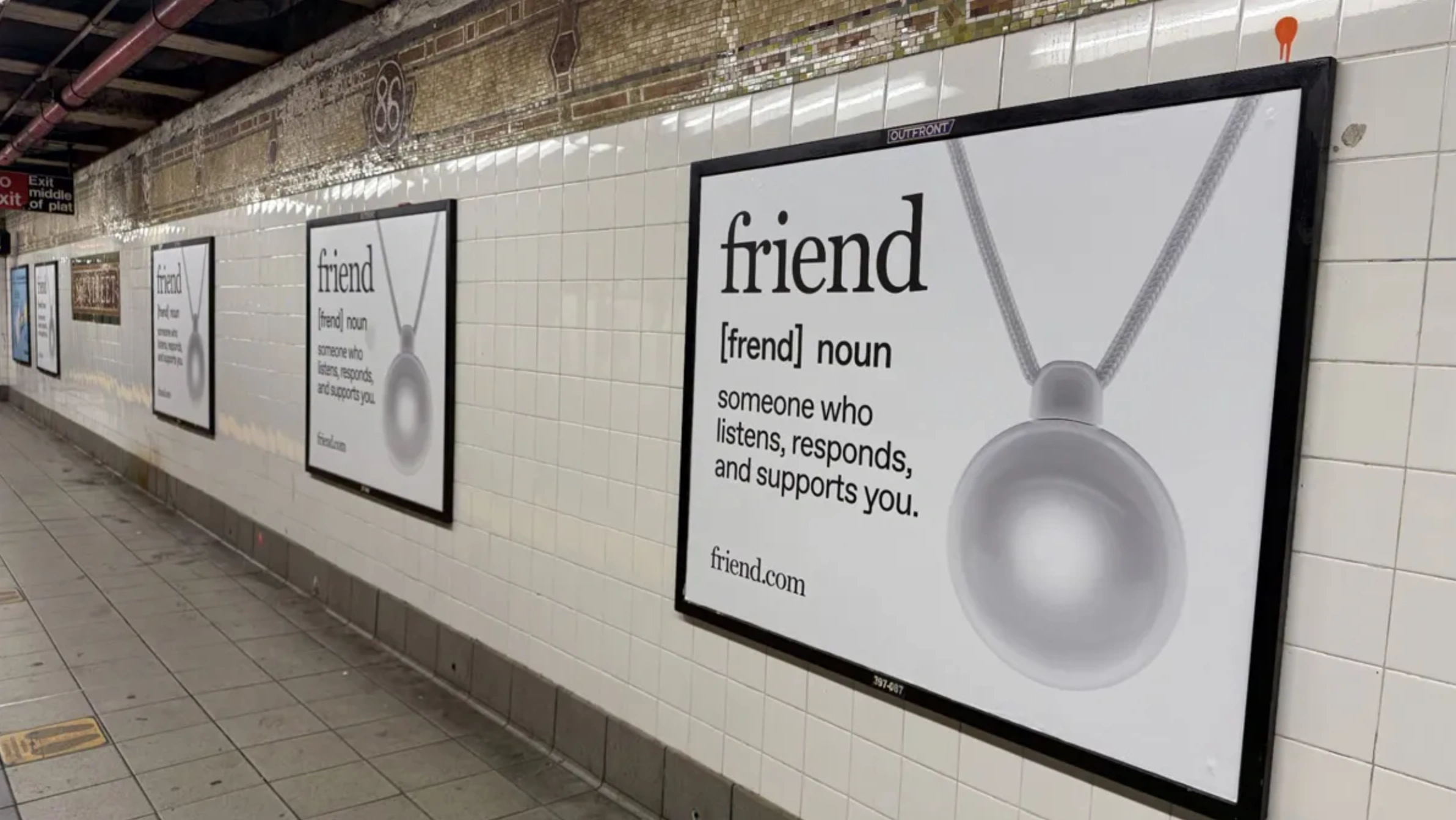
Friend spent more than $1 million on a New York subway campaign with over 11,000 car ads, 1,000 platform posters, and 130 urban panels, according to Business Insider. The campaign drew significant criticism and widespread defacement. Friend’s CEO said traffic and sales increased, but those are company claims rather than independently audited ROI figures. This is a good reason to separate reported spend from marketing performance metrics. (Business Insider)
- The reported out-of-home spend exceeded $1 million.
- The scale of the subway inventory is documented; the campaign’s total all-in cost is not.
- Controversy created attention, but attention and independently verified return on investment are not the same measure.
FAQ
Why does Super Bowl LIX appear in a list about expensive 2025 campaigns?
Because CBS MoneyWatch reported an average close to $8 million for a 30-second spot. That figure is a media-price benchmark, not a full campaign budget for every advertiser.
Was Anthropic’s 90-second film itself a disclosed multimillion-dollar production?
The cited Axios report describes the overall “Keep thinking” campaign as multimillion-dollar. It does not say the film alone cost that amount, so this article treats the figure as a campaign-level descriptor.
Can Fanta, Nike, or Coca-Cola be ranked precisely by 2025 campaign spend?
Not from the sources used here. Their campaigns were large in scope, but comparable total budgets were not disclosed, so they are examples of high-scale campaigns rather than verified positions in a cost ranking.
What should a smaller brand take from these campaigns?
Choose a moment, audience, and measurement plan that fit the business. A single-market activation, creator program, or repeatable video format can be more useful than buying scale the team cannot support.
Does a larger budget make a campaign more valuable?
No. Cost and value are different questions. Reach, brand lift, qualified demand, sales, and long-term reuse need to be measured separately against the campaign’s objective.
The ROI lens
The reliable conclusion is narrower than the original ranking implied. Super Bowl media prices, OpenAI’s reported 60-second buy, Anthropic’s multimillion-dollar campaign descriptor, and Friend’s subway spend give us some real cost anchors. The other examples show scale without comparable disclosed totals. Before approving a large campaign, define the outcome, separate media from production and activation costs, and decide how the work will be measured. A focused marketing consultation can help build that measurement plan before the spend is committed.