The best fall marketing campaigns of 2025 were tied to moments people already understood: September device launches, seasonal menus, fashion collaborations, October deal events, and holiday preparation. The strongest examples made the product or behavior easy to see rather than relying on a slogan alone. From a branding agency and marketing agency perspective, the useful question is how each campaign connected timing, creative, and a clear next action.
At a glance
- Apple and Google made device launches easier to understand by showing camera, display, battery, and AI features in use rather than leaving them as specification lists.
- Meta’s 2025 glasses launches framed AI wearables around practical tasks such as capture, messaging, translation, and short interactions.
- NikeSKIMS and Adidas Originals x Wales Bonner used athletes and sports history to give fashion launches a credible cultural frame.
- Starbucks and Amazon used predictable seasonal timing to turn fall into a repeatable customer behavior, from returning drinks to early holiday shopping.
1) Apple , iPhone 17 launch spots that focus on “everyday upgrades”
Apple’s September iPhone 17 launch centered everyday product improvements such as the Center Stage front camera, a brighter ProMotion display, the 48MP camera system, and all-day battery life. The lesson is straightforward: show how a feature changes a familiar task. Our Apple marketing strategy analysis looks at how that product-led approach fits the wider brand system. (Apple Newsroom)
- Translate technical improvements into situations customers already recognize.
- Use launch videos, retail demonstrations, and product pages to repeat the same proof in different formats.
2) Google , Pixel 10/10 Pro “AI you can see” demos
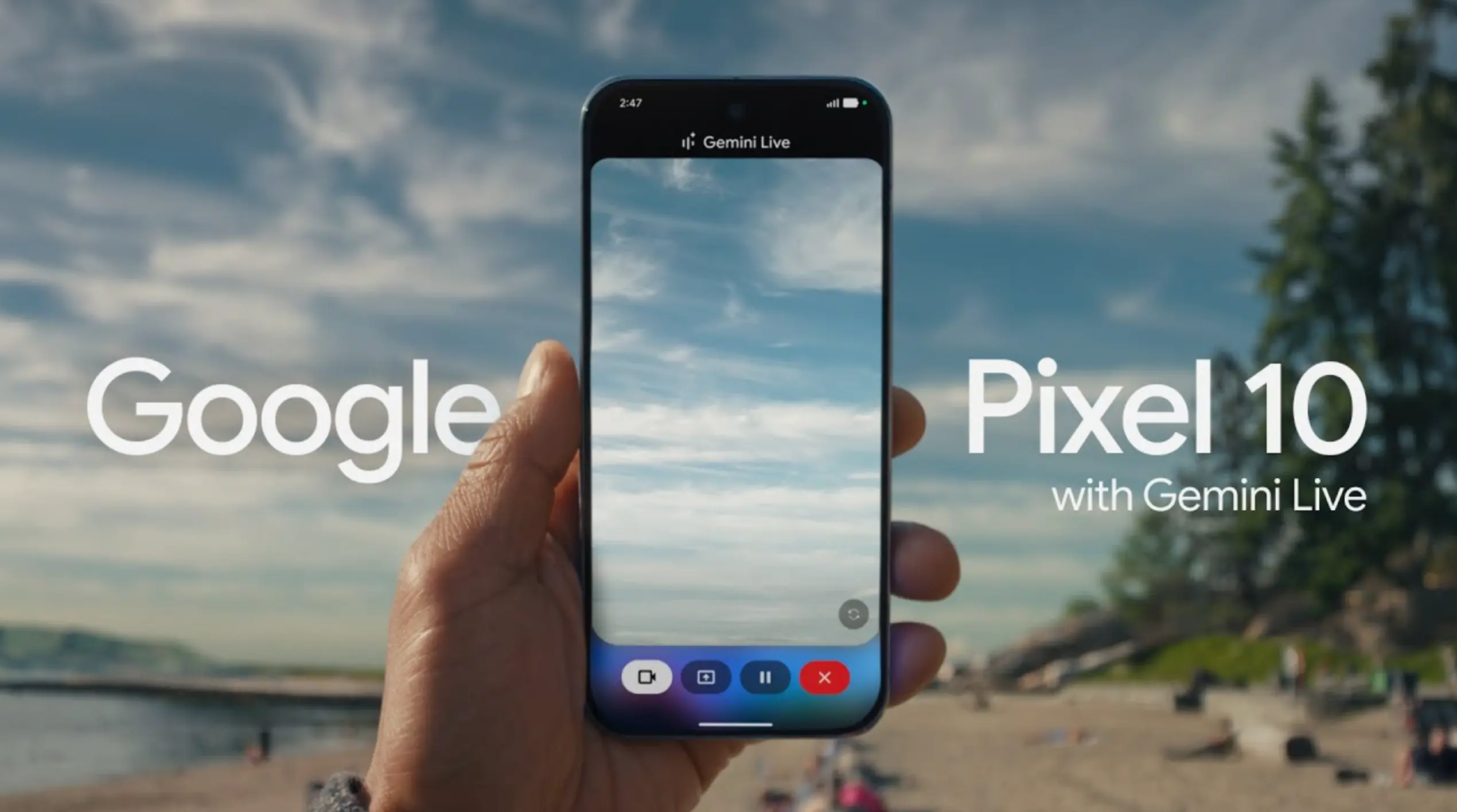
Google’s Pixel 10 launch used demos and product pages to make on-device AI features visible rather than abstract. That matters because new technology is easier to understand when the visual identity and interface give people a concrete action to watch. The same launch lesson applies to product landing-page design: the page should demonstrate the value before asking the visitor to decode it. For technology companies seeking branding support in San Francisco, the practical brief is to connect the launch story with the product experience. (Google Store)
- Demonstrate one difficult task rather than listing every AI capability.
- Carry the same visual proof into short video, retail demonstrations, and the product detail page.
3) Meta , Smart-glasses become a mainstream storyline at Connect
Meta’s September 2025 glasses announcements focused on everyday utility. Ray-Ban Meta Gen 2 added longer battery life and improved video capture, while Meta Ray-Ban Display introduced an in-lens display for messages, photos, translation, navigation, and other short interactions. The marketing value came from demonstrating what the hardware could do in normal situations, not from claiming the category was already mainstream. Our Meta marketing strategy analysis covers the wider platform context. (Meta Connect)
- Pair unfamiliar hardware with a small number of concrete everyday use cases.
- Let demonstrations explain the product before asking audiences to adopt the category story.
4) NikeSKIMS , “Bodies at Work” athlete-led debut
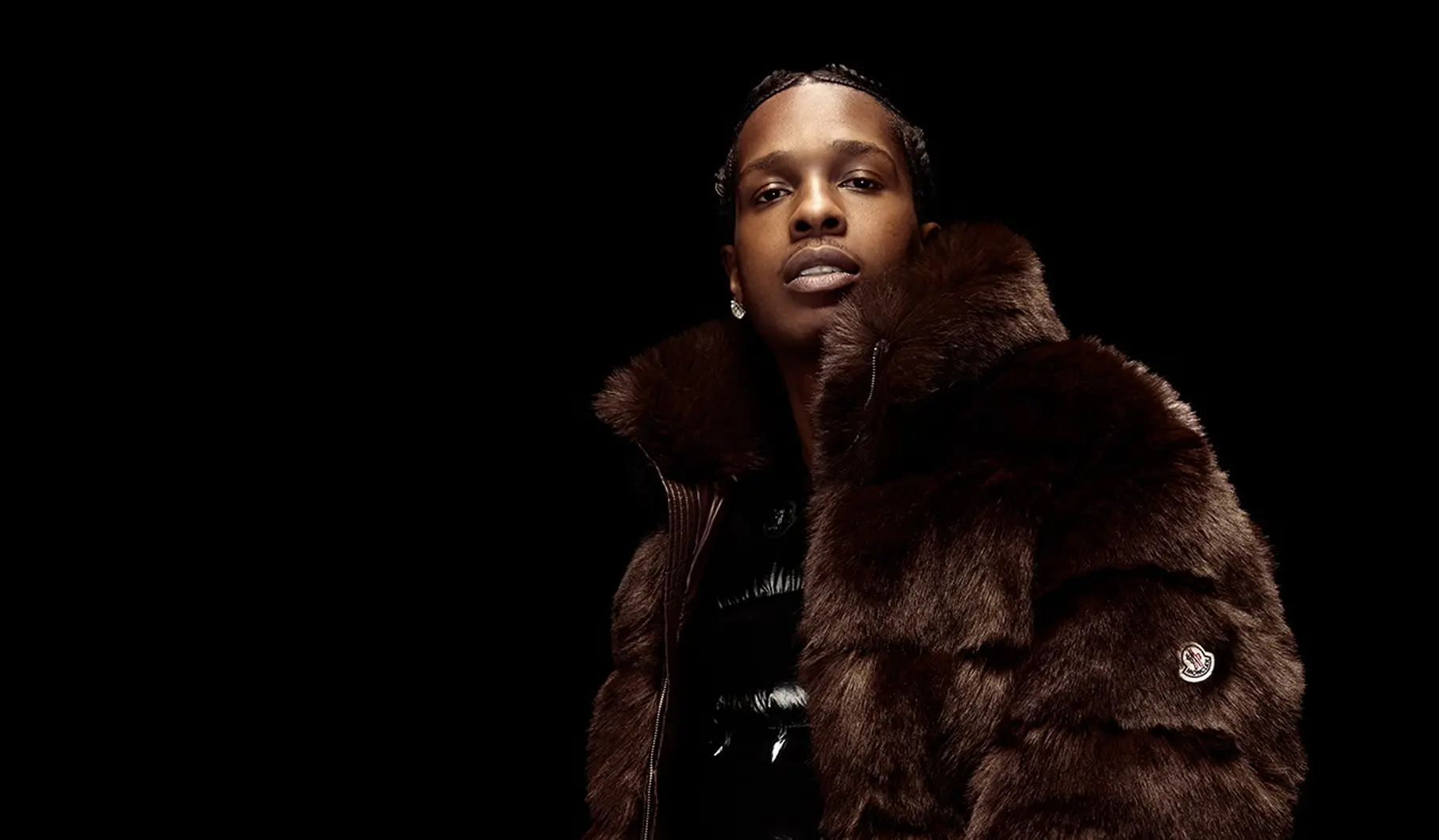
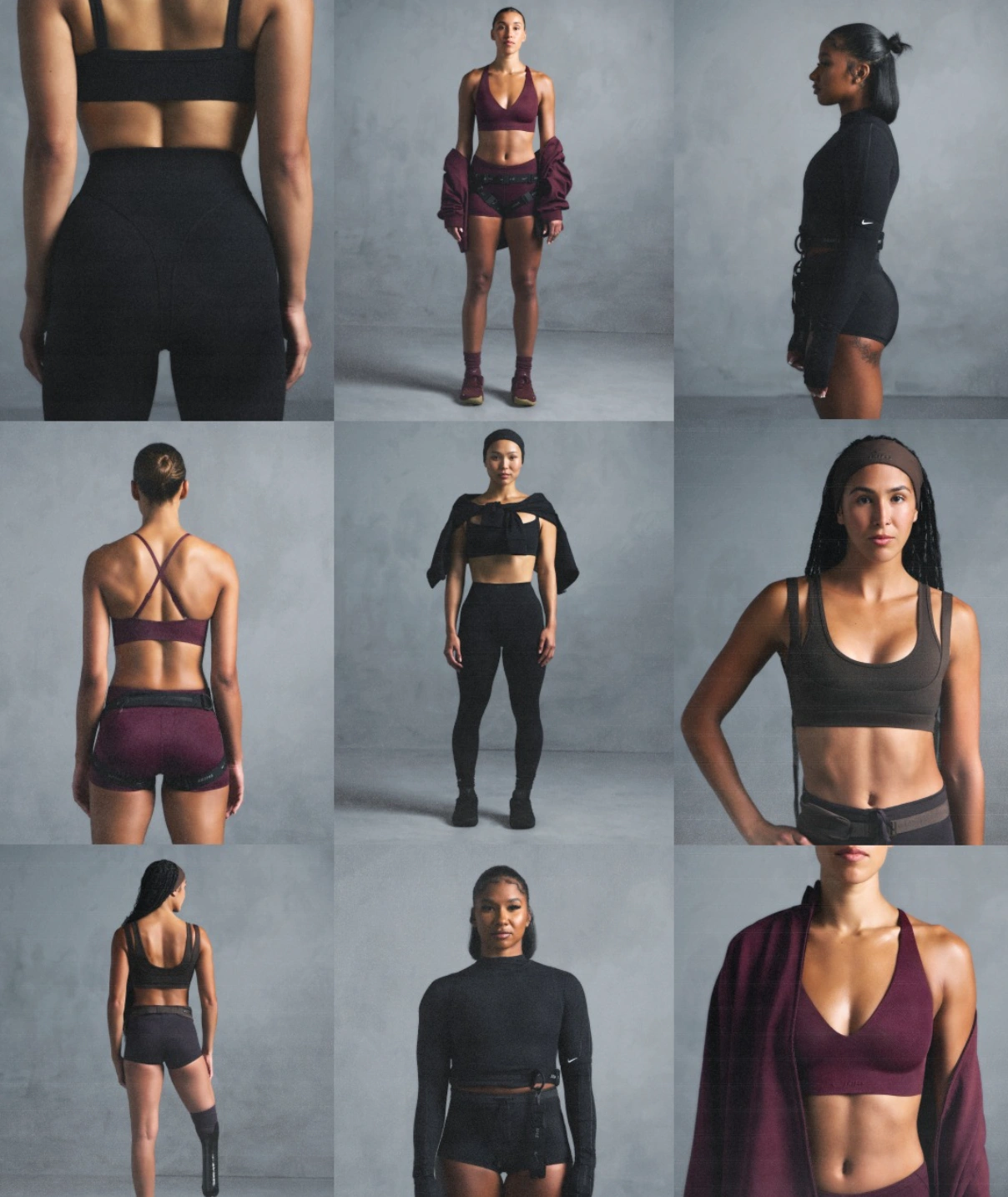
NikeSKIMS launched its first collection with the “Bodies at Work” film and campaign photography featuring more than 50 athletes, including Serena Williams and Sha’Carri Richardson. Nike described the debut as seven collections and 58 silhouettes, with the athlete cast grounding the fashion-performance positioning in people who use the product. The partnership also belongs beside the broader fall brand collaborations of 2025. (Nike Newsroom) (WWD)
- Use people who credibly represent the product’s performance context.
- Make campaign photography and product presentation reinforce the same positioning.
5) Adidas Originals × Wales Bonner, Basketball Heritage Through Kareem Abdul-Jabbar
Adidas Originals and Wales Bonner used basketball history, not football heritage, for their Fall/Winter 2025 Kareem Abdul-Jabbar capsule. The collection referenced Abdul-Jabbar’s long relationship with adidas and his signature sky hook across footwear and apparel. The campaign worked as cultural storytelling because the person, product, and sports history belonged to the same idea. (adidas Newsroom)
- Use a cultural reference only when it has a documented connection to the brand or product.
- Give editorial assets enough context that retailers, press, and creators can tell the same story accurately.
6) Starbucks , Fall 2025 menu drop with cross-channel storytelling
Starbucks brought the Pumpkin Spice Latte and other fall drinks back on August 26, 2025, alongside new seasonal items. The strength of the launch was familiarity: a recurring product became a calendar signal customers already recognized. For food and beverage marketing, that shows how a seasonal product can become a repeatable ritual. In a warmer market, branding support in Miami should adapt the visual and product cues to local behavior rather than importing every cold-weather convention. (Starbucks Stories & News)
- Build the seasonal cue around a product customers can recognize and return to.
- Adapt local creative and merchandising without changing the core seasonal promise.

7) Amazon , Prime Big Deal Days (October) primed the holiday funnel
Amazon positioned Prime Big Deal Days on October 7 and 8, 2025 as the start of holiday shopping, with millions of deals for Prime members across major retail categories. The useful campaign lesson is timing: the event created a defined reason for customers to begin holiday shopping before Black Friday, rather than assuming that October behavior automatically predicted later purchases. (About Amazon)
- Use a dated event to give customers a specific reason to act now.
- Treat early-season activity as its own campaign, not as proof of what customers will do during Black Friday or Cyber Monday.
8) Microsoft , Copilot momentum ahead of Ignite
Microsoft’s fall 2025 product communication kept Copilot embedded in everyday Windows and Microsoft 365 workflows, emphasizing tasks such as finding information, creating content, and working across files rather than presenting AI only as a technical specification. For B2B marketing, the useful approach is to show the workflow and the user benefit, then let buyers evaluate the operational case. (Microsoft Events)
- Demonstrate a real workflow instead of promising vague productivity gains.
- Give buyers enough product detail to assess where the tool fits into existing work.

9) Patagonia , Repair programming keeps mission visible
Patagonia’s Worn Wear content and repair resources kept the company’s durability and repair message visible through practical guidance rather than a one-off seasonal slogan. That makes it a useful fall example even though it is an ongoing program, not a campaign created specifically for autumn. The brand turns its values into something customers can actually do. (Patagonia Stories)
- Turn a brand value into a service, guide, event, or behavior customers can use.
- Keep long-term programs distinct from limited seasonal campaigns when measuring performance.
10) LEGO , Culture crossovers with build-through content
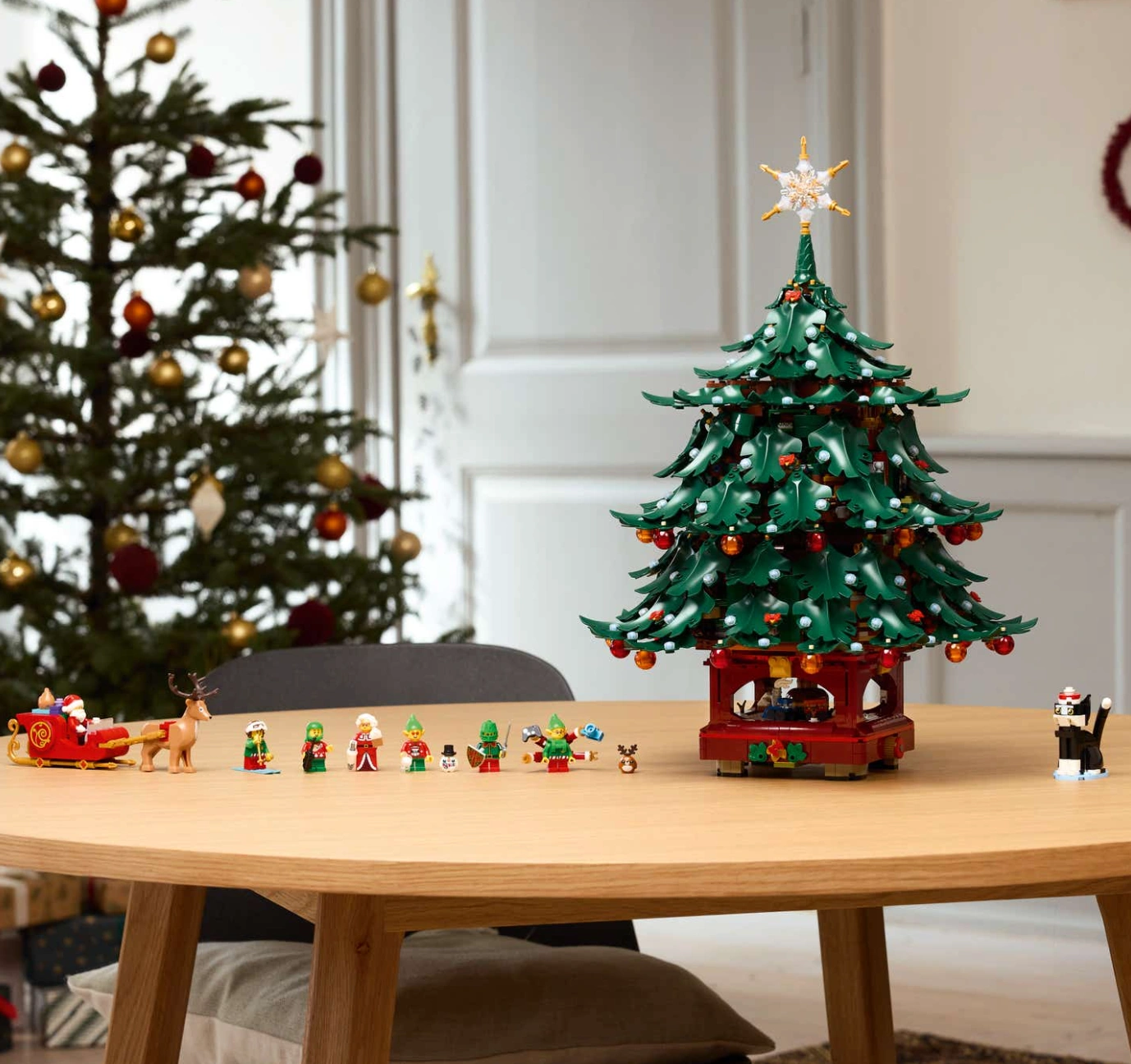
LEGO used September product announcements to begin the transition into holiday building, including the Holiday Express Train and Family Christmas Tree Decoration. The seasonal products gave customers a buildable activity as well as an object to display, which is a natural participation mechanic. The entertainment crossovers elsewhere in LEGO’s catalogue also show how entertainment marketing can move from licensed story worlds into a hands-on product experience. (LEGO Newsroom)
- Design the campaign around an activity customers can complete and share.
- Use seasonal products to bridge fall attention into holiday behavior without claiming every product is a culture crossover.
Patterns behind the best fall marketing campaigns 2025
Across these examples, three patterns appeared repeatedly:
- They gave people something to do (film a moment, attend a clinic, try a feature).
- They supplied a repeatable format (template, challenge, or constraint) so content scaled.
- They launched against moments customers already care about (September phones, October deals, seasonal menus).
Marketing That Defined Fall
A useful fall campaign does not need the scale of Apple, Nike, or Amazon. It needs a clear behavior, an audience reason to care, and creative that matches the moment. Start with real customer moments, keep the execution consistent with your broader branding, and decide what success will mean before launch. If your team needs help connecting those pieces, talk with Brand Vision.