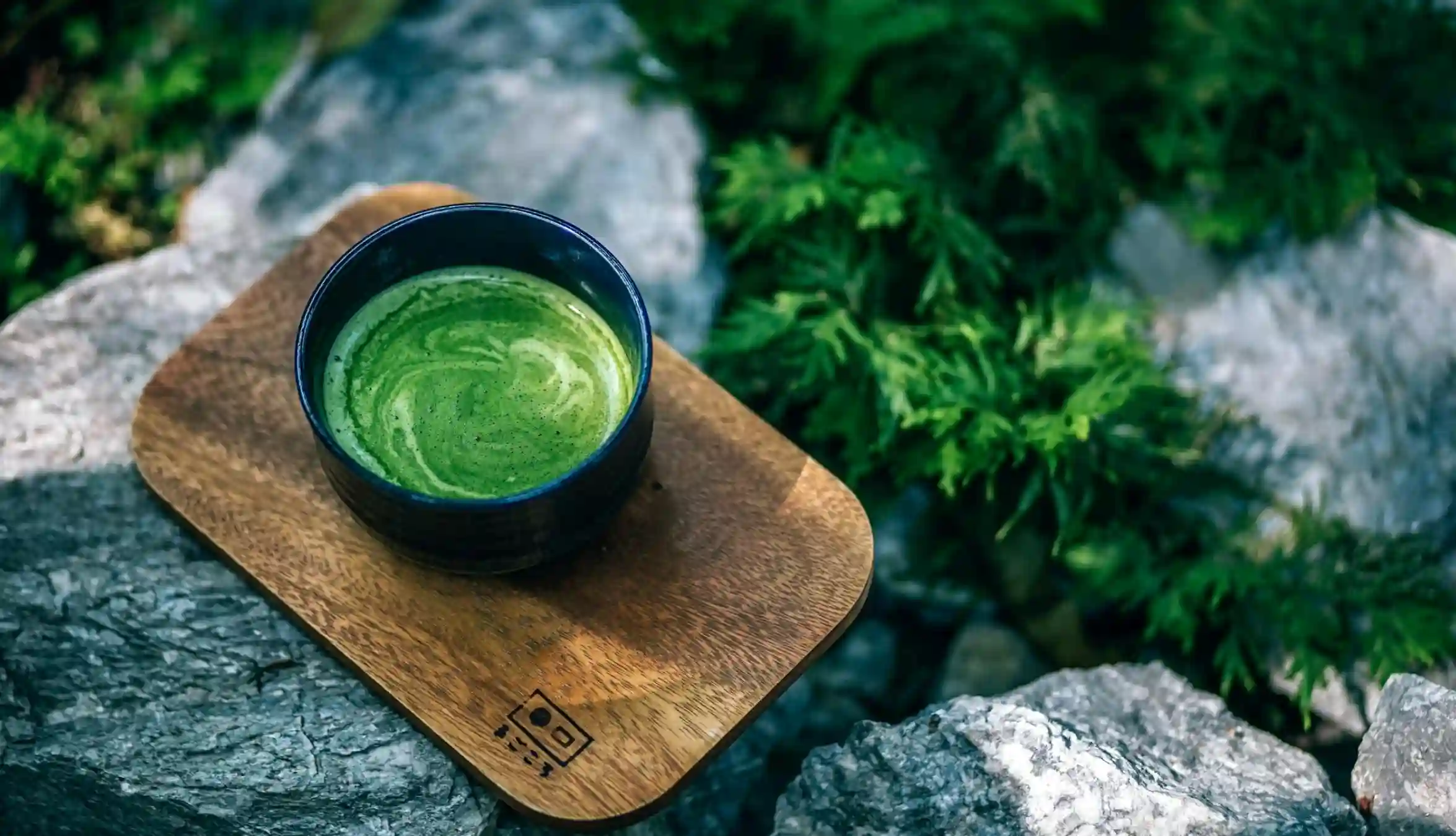
A lot of teams are asking one question in different ways: why is matcha so popular, and why is matcha so popular outside the cafe. The matcha trend is no longer niche. It sits near the top of food trends 2026 because it is easy to recognize, easy to share, and easy to extend into new formats.
For decision makers, the risk is not missing the matcha trend. The risk is copying viral food trends without understanding the mechanism. Matcha marketing works because it compresses meaning into a simple cue. The matcha latte trend is only the most visible expression, and the current matcha shortage shows how fast demand can outpace supply.
When matcha themed launches work, they rarely rely on novelty alone. The matcha brand strategy is specific, the limited edition menu strategy is controlled, and the digital experience reduces hesitation. When matcha flavored launches fail, the failure is usually structural. The signal is unclear, the quality varies, and the product is hard to buy or hard to repeat.
The matcha moment: a flavor behaving like a media channel
One reason why is matcha so popular is that matcha behaves like a media unit. It carries story, status, and taste expectations in a single visual cue. That cue travels across shelves, menus, and feeds faster than most flavour trends and flavor trends.
The matcha trend also has a credible scarcity narrative. Reuters reported record tencha prices and output pressure tied to heat stress in key growing regions. That reality matters when a matcha shortage can disrupt repeat purchase and menu consistency. (Reuters on matcha supply and record tencha prices)
View this post on Instagram
A post shared by Starbucks Canada (@starbuckscanada)
A simple executive lens
Matcha marketing is easier to manage when leaders treat flavor as a channel with a budget, a calendar, and a measurement plan. Use three questions.
- What belief does the product trigger at first glance.
- What action should happen next, from scan to checkout.
- What experience confirms the promise on first use.
Those questions apply to the matcha latte trend, to matcha themed packaged goods, and to any limited edition menu strategy built on food trends 2026. They also apply to the functional beverages trend, where Gen Z drink trends can move demand faster than operations can adjust.
Why matcha wins the internet: colour, contrast, and ritual content
A second reason why is matcha so popular is that the product photographs well. The matcha trend is legible. It has high contrast in a cup, a strong color signature in packaging, and a predictable texture on video. That is part of why matcha marketing scales.
Color is not decoration here. Color is function. Teams that understand colour cues tend to ship cleaner creative systems and clearer merchandising, especially when working across flavour trends and flavor trends. A useful primer is brand color psychology.
The visual proof loop
The matcha latte trend often grows through a proof loop. A photo creates curiosity. A short clip shows texture. A comment thread adds social proof. That proof converts into store requests, menu tests, and matcha flavored product extensions.
This is the difference between viral food trends and durable platforms, and it is why Gen Z drink trends can act as an early signal for what scales. The matcha trend has built in proof assets that work across channels, not just on launch week.
Ritual beats novelty
Many viral food trends are novelty without habit. Matcha marketing works because matcha fits a ritual. It can be a morning routine, a mid day reset, or an afternoon treat. That ritual structure also explains why the matcha trend aligns with the functional beverages trend.
Ritual is also where Gen Z drink trends matter. Drinks are a public signal. A matcha flavored drink is easy to recognize, easy to hold, and easy to share.
Why clean energy language spreads
Another reason why is matcha so popular is the association with energy and focus. Teams should keep claims disciplined, but the consumer association itself is strong. It is one reason the matcha trend is often cited in food trends 2025 recaps.
Search behavior tracks the same signal. Google’s Year in Search 2025 shows how quickly food and drink queries shift in response to social formats. (Google Year in Search 2025)
The 5 part flavor hype engine
Why is matcha so popular as a template for launches. Because the matcha trend follows a repeatable sequence that leaders can use for other flavour trends and flavor trends.
Signal
The signal is what people think they are buying before they taste it. For matcha marketing, the signal is color, naming, and a set of associations that fit the functional beverages trend.
A matcha brand strategy that works makes the signal concrete. It does not rely on vague lifestyle copy. It defines format, taste expectations, and the specific reason the product exists.
Social proof
Social proof is where viral food trends become purchase intent. Matcha marketing has an advantage because creators can show prep, color, and texture in seconds. That is why the matcha latte trend often acts like a built in demo.
When Gen Z drink trends shift, the proof needs to be easy to recreate. Plan for repeatable assets, not one hero video.
Distribution
Distribution is the bridge between interest and availability. The matcha trend grew when it became easy to buy in more places and in more formats.
Distribution is also internal. It is where matcha themed and matcha flavored products show up in onsite navigation, search results, email modules, and seasonal collections. That is where matcha marketing depends on information architecture, not just creative.
Ritual
Ritual is the habit loop. It is why matcha marketing has outlasted many viral food trends. The product fits routines, and routines drive repeat.
This is also where a limited edition menu strategy should be careful. Limited editions work when they add a new choice inside an existing ritual. They fail when they replace the ritual with novelty.
Repeat
Repeat is where the matcha trend becomes durable revenue. Repeat is driven by consistency and by a product ladder that gives people a next option. That ladder should be part of the matcha brand strategy, not an afterthought.
Repeat is also where a matcha shortage becomes expensive. If repeat buyers cannot find the product, they substitute and may not return.
Matcha as a premium cue: scarcity, grade language, and price ladders
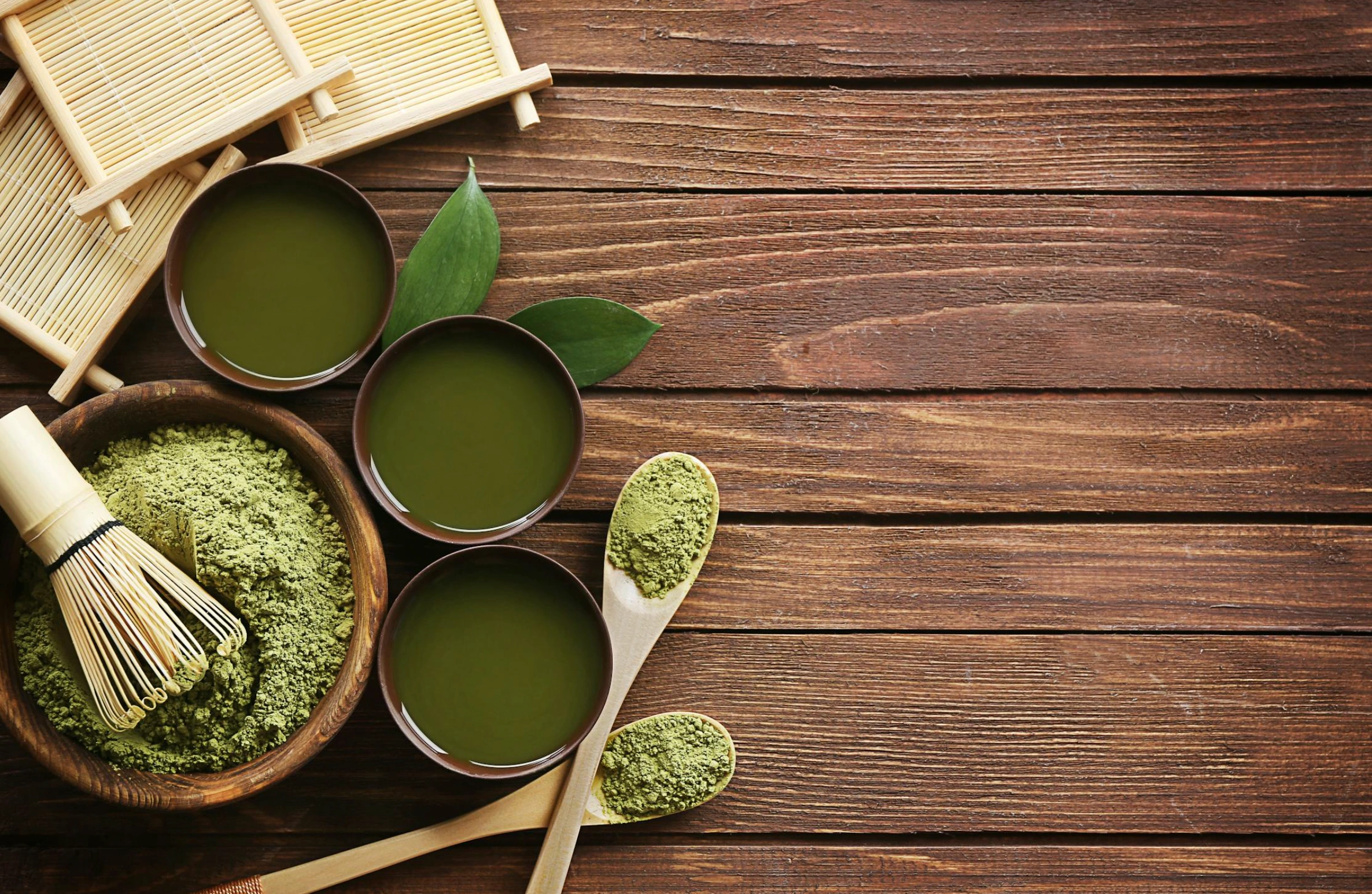
Why is matcha so popular as a premium signal. Because scarcity is believable. The matcha shortage is tied to agricultural realities, not just marketing.
The Guardian reported that production has increased over time, but demand has still strained supply and prompted limits from some sellers. That is the business context behind today’s matcha trend. (The Guardian)
Scarcity that feels honest
Scarcity can build trust or break it. A matcha brand strategy should define what is limited, why it is limited, and how customers will be informed.
A limited edition menu strategy can work well here. It sets expectations early and protects operations when matcha marketing drives demand spikes. It also reduces the risk of promising a matcha flavored hero item that cannot be supplied.
Pricing architecture and margin protection
Matcha marketing often fails in pricing, not creative. The matcha latte trend can hide weak economics because early demand is high. When the initial wave cools, margin problems appear.
A simple ladder for matcha flavoured and matcha flavored offers:
- Entry tier for first time buyers.
- Core tier that you can scale.
- Premium tier with higher perceived craft.
This ladder also keeps a portfolio coherent across flavour trends and flavor trends. It prevents every new variant from becoming a separate product story.
Naming and grade clarity
Matcha marketing works better when language is consistent. A matcha brand strategy should standardize how teams describe quality, bitterness, and prep expectations.
When teams chase viral food trends, naming becomes chaotic. That chaos shows up in customer support and in search. It also weakens the ability to defend a premium position when a matcha shortage forces price adjustments.
Why it escaped the cafe: formats that let matcha travel
Why is matcha so popular across categories. Because the matcha trend is a format, not one drink. That makes it compatible with food trends 2026 and with the functional beverages trend.
Drinks and cafe menus
The matcha latte trend is the default entry point. It is also operationally sensitive. Training, recipe standardization, and prep speed matter.
A limited edition menu strategy for cafes should include:
- One hero drink with a stable recipe.
- One seasonal item that changes on a predictable cadence.
- One upsell that improves margin without adding complexity.
This is matcha marketing as operations. It also reduces risk during a matcha shortage.
Packaged goods and grocery
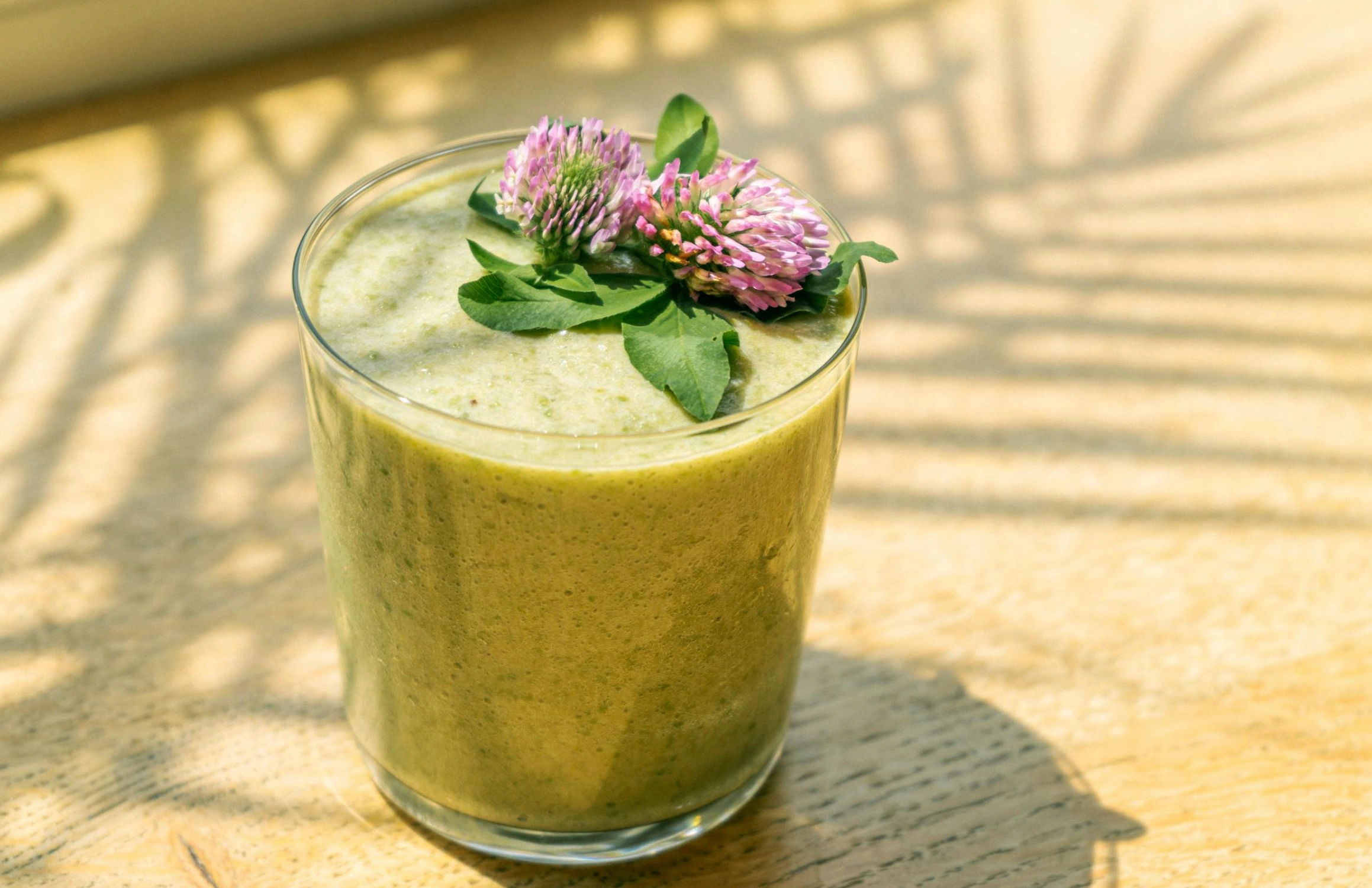
Packaged matcha flavoured products travel because they remove friction. A consumer can try matcha flavored formats without learning to whisk or without needing special tools. That convenience is why the matcha trend shows up in more aisles over time.
Packaging also shapes perception. If your brand is already evolving, align packaging decisions with your broader identity system. (Brand Vision)
Desserts, bakery, and cross-category drops
Desserts are a common carrier for viral food trends because indulgence is forgiving. Matcha flavored desserts also allow for pairing that softens bitterness.
Cross category drops are also common in food trends 2026. The matcha trend is often used as the reference point for these collaborations because the visual cue is stable and recognizable.
The supply problem is part of the story
Why is matcha so popular at the same time as supply tightens. Demand and visibility grow faster than agriculture can scale.
What the data says about supply and pricing
Reuters reported tencha prices rising sharply and farmers facing heat driven yield pressure. That is a practical reason to treat the matcha shortage as a planning constraint, not a footnote. (Reuters)
Fresh Cup reported wholesale matcha sales doubling year over year for at least one distributor, with consumer sales also increasing. That is a direct example of how the matcha trend can stress supply chains. (Fresh Cup)
Operational decisions when supply is volatile
A matcha shortage affects pricing, promotions, and calendars. It also changes what a limited edition menu strategy should look like.
Practical actions:
- Diversify suppliers early.
- Define acceptable quality ranges.
- Create a substitute that serves the same ritual, not just the same ingredient.
Those actions also help teams participate in flavour trends and flavor trends without breaking trust.
Communication that protects trust
The fastest way to damage the matcha trend is to over promise. A matcha brand strategy should include rules for stock messaging, lead times, and substitutions.
Digital channels should be explicit:
- Show inventory status.
- Offer back in stock notifications.
- Recommend an alternative that fits the same use case.
This is matcha marketing hygiene. It also improves conversion during spikes from viral food trends.
The brand risk section: health halos, overclaiming, and taste drift
Why is matcha so popular in wellness adjacent circles. Because it fits a story about better energy. That story helps matcha marketing, but it also increases risk.
Claims discipline for wellness-adjacent products
Describe the experience, not the medicine. A matcha themed product can be framed as calm energy or a smoother routine, without promising outcomes.
A matcha brand strategy should align teams on:
- Approved claim language.
- Required disclaimers where needed.
- Customer support scripts for common questions.
This is especially important in the functional beverages trend, where consumers expect proof and regulators pay attention. The functional beverages trend also amplifies backlash when a matcha shortage leads to ingredient swaps.
Quality drift and customer backlash
As the matcha trend scales, quality drift appears. Brands reduce matcha content, blend aggressively, or change suppliers. Customers notice. That can end the matcha latte trend effect quickly.
A limited edition menu strategy can protect against this by keeping high quality offerings limited while using blended formats for entry tiers. The key is clarity.
Cultural respect and provenance
Matcha has deep roots. A matcha brand strategy should treat provenance with care and avoid borrowed authenticity.
This is also where flavour trends and flavor trends intersect with credibility. The brands that win over time are careful with context and with sourcing language.
Digital and UX: turning matcha interest into checkout
Why is matcha so popular online. Because the matcha trend creates curiosity traffic. Curiosity traffic converts only when the experience is structured.
Landing pages that reduce confusion
Matcha marketing needs a clean path from interest to purchase. Landing pages should answer three questions quickly: what it is, what it tastes like, and how to use it.
This is where web design choices affect revenue. Clear hierarchy, fast load times, and scannable sections reduce bounce during spikes driven by viral food trends. (Web design services)
.webp)
PDP and merchandising cues that convert
A matcha flavored product page should be built for first time buyers. Use structured modules:
- Taste profile and bitterness level.
- Prep instructions with time estimates.
- Pairing suggestions.
- Subscription or bundle options for repeat.
UX details matter. Accessible contrast, clear buttons, and predictable layouts help conversion and reduce support tickets. (UI/UX agency support)
Accessibility, performance, and governance
Food trends 2026 can bring sudden traffic spikes. If the site is slow, attention turns into lost revenue. Performance work, image optimization, and stable templates matter.
Governance matters too. A matcha brand strategy should define who can edit claims, who can change ingredient language, and how matcha marketing pages are reviewed. That keeps the system stable as Gen Z drink trends evolve.
Search is part of this system. Strong internal linking and clear category architecture help pages win intent queries like why is matcha so popular without creating duplicates. (SEO agency)
.webp)
Mini case studies: three ways brands make matcha work
Why is matcha so popular in planning meetings. Because the matcha trend can be executed in multiple ways, depending on constraints.
The cafe operator play
Cafes use the matcha latte trend as a traffic driver, especially when Gen Z drink trends make a format feel current. The best operators use matcha marketing to simplify choice, not complicate it.
A common pattern:
- One hero matcha item.
- One seasonal item inside a limited edition menu strategy.
- One upsell that improves margin without adding prep time.
This pattern adapts during a matcha shortage because it keeps the menu flexible.
The CPG brand extension
Packaged brands use matcha flavoured extensions to borrow the signal. The winners keep format familiar and make usage obvious.
A matcha brand strategy for CPG usually includes:
- Clear on pack usage.
- Taste description that sets expectations.
- A visual system that reads at shelf distance.
This lets brands participate in flavour trends and flavor trends without becoming incoherent.
The mainstream chain seasonal item
Mainstream chains use matcha marketing to make the matcha trend accessible. They bring it into familiar formats, often as a seasonal rotation.
The risk is dilution. If quality is low, the matcha latte trend becomes a short spike. The matcha shortage risk also increases if demand is scaled beyond supply.
The playbook: launch checklist for trend flavours that do not die in 60 days
Why is matcha so popular as a launch model. Because the system is disciplined. The matcha trend rewards teams that plan.
Pre-launch decisions
A pre launch checklist for matcha marketing:
- Define the matcha brand strategy in one sentence.
- Choose a format that supports a repeat ritual.
- Confirm supply and define what happens during a matcha shortage.
- Build a price ladder that protects margin.
- Draft a limited edition menu strategy calendar that operations can sustain.
Also define where the launch sits inside food trends 2026 and inside your broader flavour trends and flavor trends roadmap. If the matcha trend is being used as a functional beverages trend signal, the product needs a daily use case, not just a seasonal spike. Gen Z drink trends will move on quickly if the ritual is not repeatable.
Launch week execution
During launch, matcha marketing should emphasize clarity and proof.
- Show the product being used.
- Make prep instructions simple.
- Monitor onsite behavior, not only social engagement.
When viral food trends drive traffic, reliability becomes part of the offer. Performance and uptime protect revenue and pipeline.
Retention and iteration
Retention is where the matcha trend becomes margin.
- Track repeat rate and reorder timing.
- Track attachment rate to bundles.
- Track quality complaints and substitutions.
Then decide what the next step is. A matcha brand strategy often needs a second tier option, not a second novelty. That is how you extend the matcha latte trend without chasing every new variant.
Teams that want to participate in food trends 2026 should build systems, not stunts. The matcha trend is a strong lens for food trends 2026 because it exposes where operations, design, and measurement break down. It also shows how the functional beverages trend and Gen Z drink trends can shift demand faster than most planning cycles.

%2520(1).png)
.png)