The J.Crew Olympics collaboration 2026 is more than a seasonal capsule. It is a signal that heritage retail can still create urgency, credibility, and new demand without chasing novelty for its own sake. For leaders deciding where to place spend in 2026, this is a clear example of how partnership strategy, creative direction, and ecommerce execution need to move together. This analysis is written through the real brand and growth work we do at Brand Vision, and it’s meant to help founders and marketers translate this campaign into decisions they can actually apply.
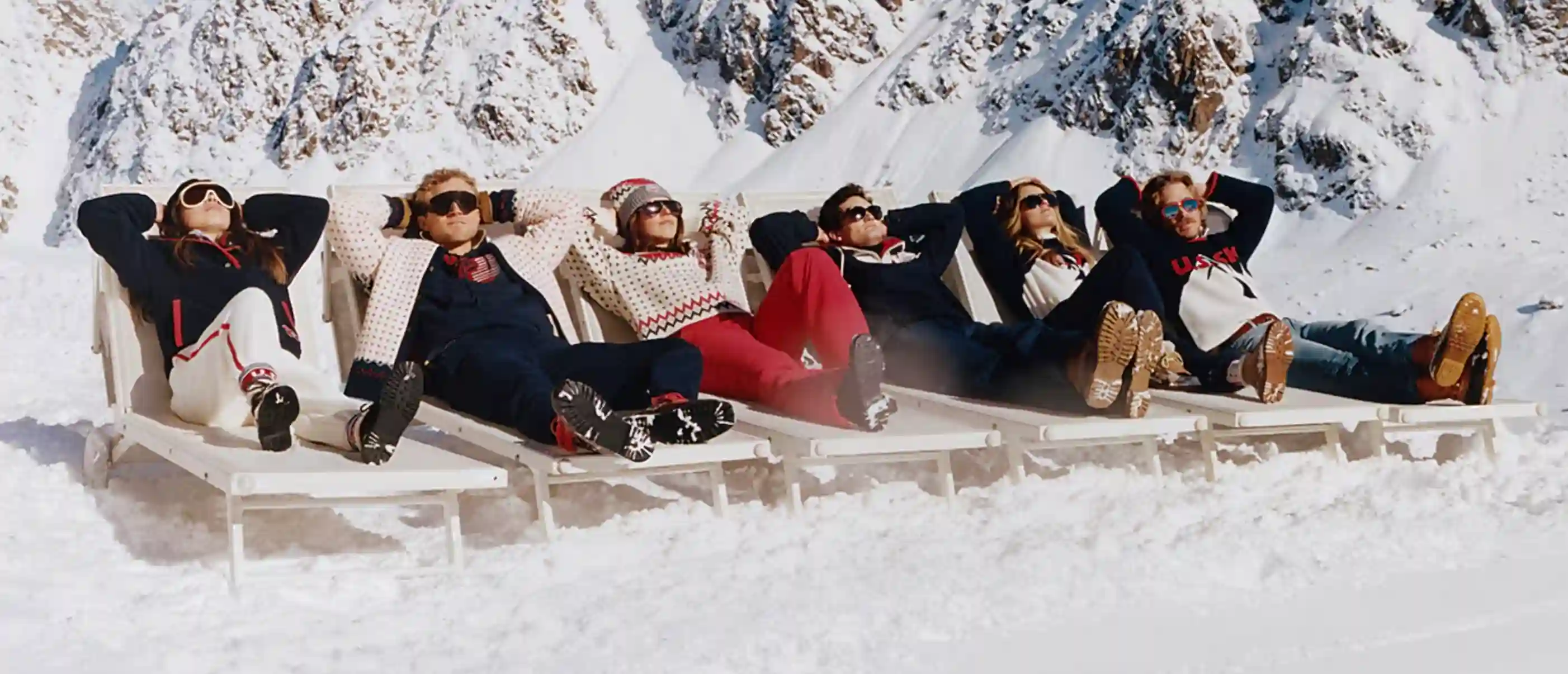
What makes the J.Crew Olympics collaboration 2026 worth studying is not only the clothes. It is the structure behind the J.Crew U.S. Ski & Snowboard collection, the Alpine People campaign story, and the way an athlete-led marketing campaign can feel editorial instead of transactional. The campaign shows how to build a retail brand collaboration strategy that earns attention, captures intent, and converts with fewer moving parts than most launches.
The Fast Snapshot
The J.Crew Olympics collaboration 2026 centres on the J.Crew U.S. Ski & Snowboard collection and the Alpine People campaign, built around a multi-year partnership with U.S. Ski & Snowboard. The collection launches January 8 and is positioned as lifestyle apparel, not competition uniforms. The headline is simple: J.Crew becomes an official lifestyle apparel partner, then uses athletes and retro alpine cues to make that feel believable. Sources include J.Crew, U.S. Ski & Snowboard, and major outlets covering the launch details. (J.Crew campaign hub) (U.S. Ski & Snowboard)
View this post on Instagram
A post shared by J.Crew (@jcrew)
Key facts to keep in view
- The J.Crew U.S. Ski & Snowboard collection is a 26-piece line with winter staples and accessories, positioned for off-slope wear.
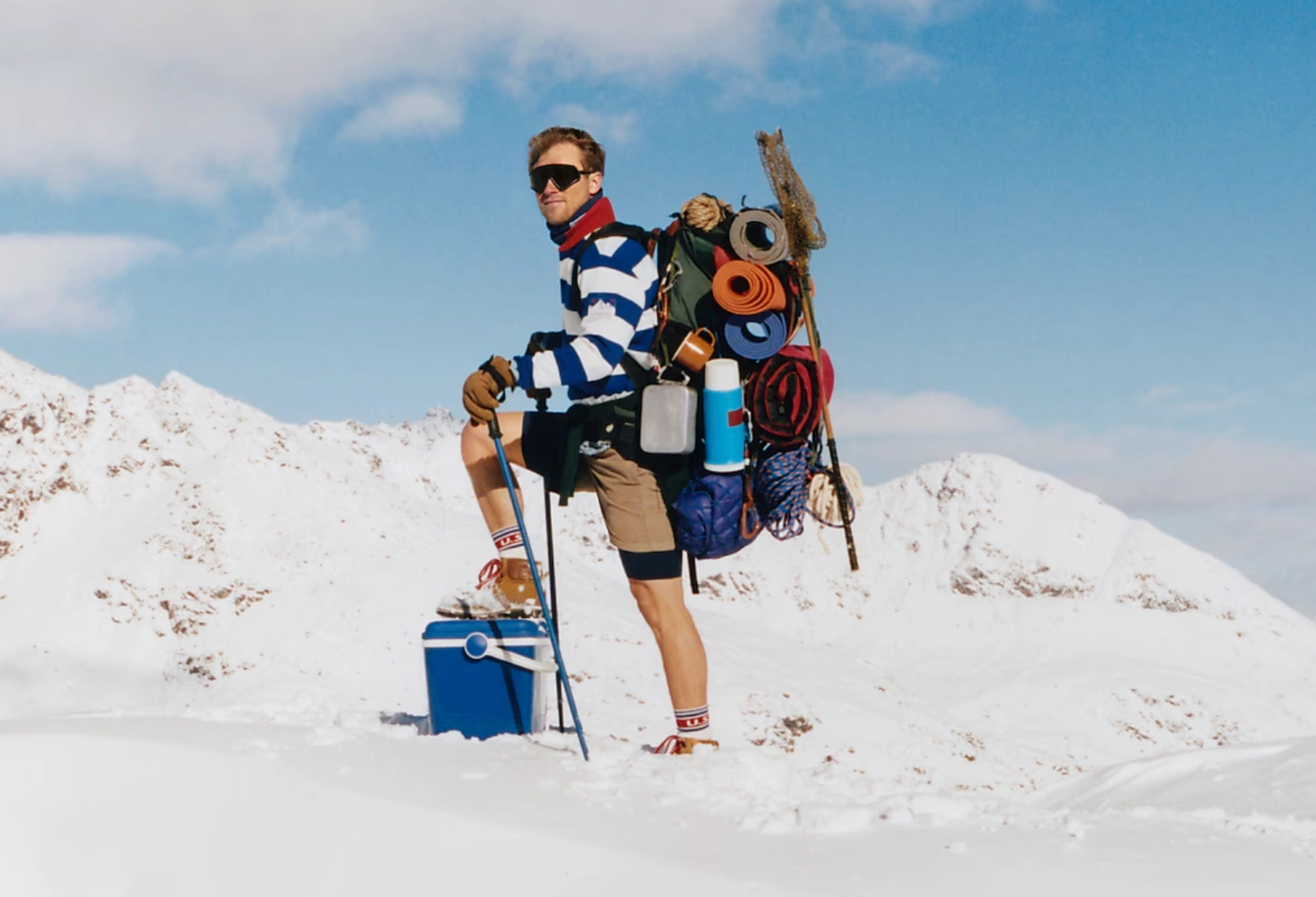
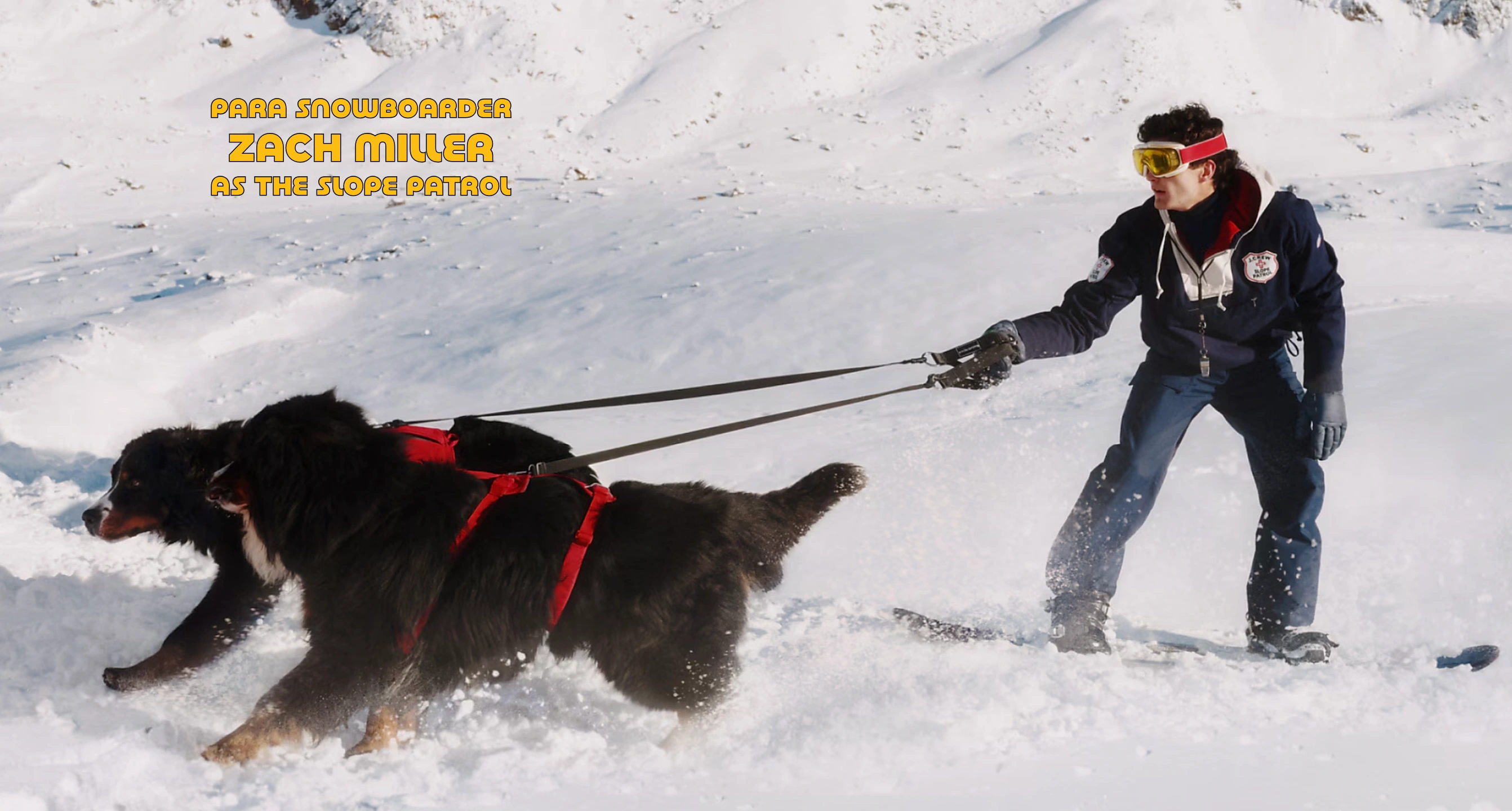
- The Alpine People campaign uses athletes as the face of the story, not just product models.
- The partnership is described as a lifestyle apparel partner relationship, while performance gear remains handled by an on-mountain partner. (AP)
- The marketing opportunity is a retail brand collaboration strategy that blends credibility, culture, and commerce.
For teams building a 2026 launch plan, the takeaway is that the J.Crew Olympics campaign 2026 is a complete system. It has a property, a clear scope, a narrative, and a funnel.
What J.Crew Actually Partnered With
Precision matters here. The J.Crew Olympics collaboration 2026 is not J.Crew dressing an Olympic delegation in official competition uniforms. It is a partnership with U.S. Ski & Snowboard that frames J.Crew as an official lifestyle apparel partner, which means off-slope lifestyle, events, storytelling, and fan-facing moments. (U.S. Ski & Snowboard)
That distinction is useful for any brand planning a retail brand collaboration strategy. It shows how to claim a space around a sport without overpromising what you are delivering. It also keeps the athlete led marketing campaign credible, because the product promise matches the context where athletes actually wear it.
A simple way to frame the partnership model:
- Rights and role: lifestyle apparel partner, not performance supplier
- Audience: fans, skiers, and style buyers who want a winter identity
- Output: capsule product, campaign story, and on-the-ground experiences
- Proof: athletes, events, and first-party content that can be revisited over a season
Why This Partnership Fits J.Crew’s Brand DNA
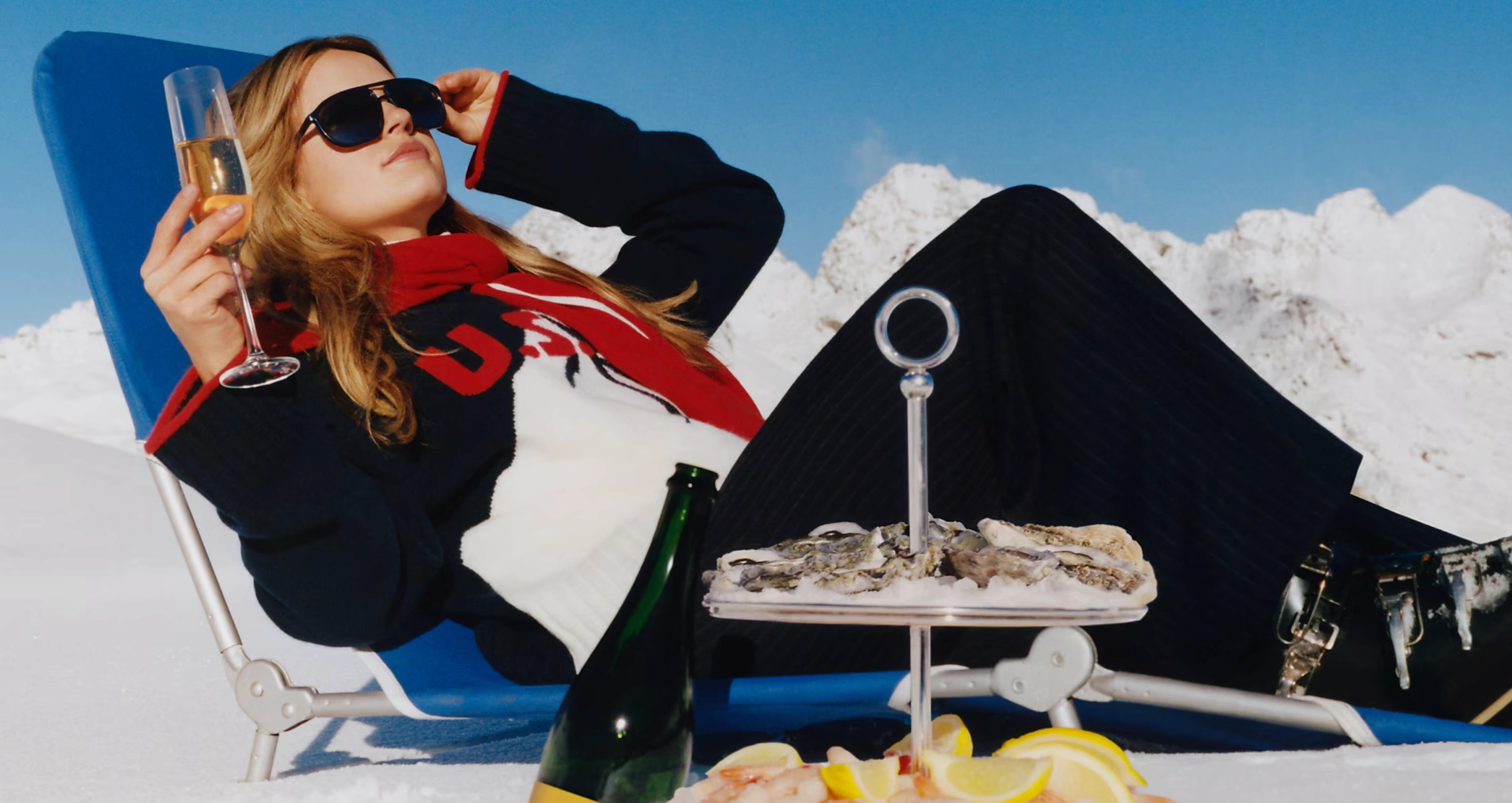
The J.Crew Olympics collaboration 2026 works because it does not force J.Crew into a personality it cannot carry. J.Crew has a long history of selling an American leisure uniform, the kind of wardrobe that signals taste through restraint. Ski culture, especially retro ski culture, is a natural extension of that world.
The J.Crew U.S. Ski & Snowboard collection also solves a common problem for heritage retail. It provides a reason to talk about winter without relying on discounts or generic seasonal messaging. In that sense, the Alpine People campaign is a retail brand collaboration strategy designed to make winter feel owned, not rented.
Why the fit feels believable:
- The aesthetic is preppy and practical, not performance technical.
- The story is anchored in a real community, the U.S. Ski & Snowboard ecosystem. (U.S. Ski & Snowboard)
- The athlete led marketing campaign adds authenticity without demanding that J.Crew pretend it is a performance brand.
For other brands, the lesson is not “pick a famous partner.” The lesson is to pick a partner that strengthens what you already are, then use the partnership to say it with more authority in 2026.
The Campaign Concept Alpine People as a Positioning Device
The Alpine People campaign is not just a name. It is a positioning move that shifts the focus away from “new collection” and toward “new identity.” In practical terms, that gives the J.Crew Olympics campaign 2026 a richer content engine. You can tell stories about people, rituals, places, and preparation, and the clothes become part of that world.
This is where the retail brand collaboration strategy becomes more than a merch drop. A campaign concept like Alpine People helps teams avoid the weakest version of athlete content, which is a product photo plus a logo. Instead, it supports an athlete led marketing campaign that feels like a series, with multiple chapters across the season. (J.Crew campaign hub)
A useful framework to borrow:
- Identity: Who is Alpine People for, and what do they value
- Proof: Which athletes and moments demonstrate that identity
- Commerce: Which items support the identity and are easy to buy
- Continuity: How the story continues after the first launch week
If you are building a J.Crew Olympics campaign 2026-style moment for another category, the core insight is that a strong concept keeps your funnel warm. It gives you a reason to send follow up emails, run paid social, and refresh onsite without making it feel repetitive.
Product Strategy That Serves the Story
The J.Crew U.S. Ski & Snowboard collection is framed as lifestyle first. That choice protects the brand and broadens the market. It also allows the J.Crew ski collection to work in multiple contexts, travel, city winter, and gift buying, which is how capsules scale in real revenue terms.
The collaboration also signals role clarity. Performance gear is still handled through existing technical partners, while J.Crew plays the lifestyle apparel partner role. That is an important detail because it reduces customer confusion and reduces returns caused by mismatched expectations. (AP)
What the assortment logic should do for a 2026 launch:
- Include hero pieces that carry the story, like knits and statement outerwear, then support them with easier add-ons.
- Keep sizing and fit language clear, especially if the vibe is retro and fitted.
- Use limited edition discipline. A capsule should feel edited, not incomplete.
For leaders evaluating a retail brand collaboration strategy, product scope is not only a merchandising decision. It is a marketing decision, because it dictates how many content angles you can create and how much confusion the funnel has to absorb.
Athlete Led Marketing Without Feeling Like a Sponsored Post
The J.Crew Olympics collection uses athletes in a way that can work for brands beyond sport. It treats athletes as cultural proof, not a billboard. That is why the Alpine People campaign feels closer to editorial than to endorsement, and why the athlete led marketing campaign can carry across channels without fatigue. (J.Crew campaign hub)
Athlete casting also supports a clear “why now.” Milano Cortina is a deadline, and athlete stories naturally have deadlines. That gives the J.Crew U.S. Ski & Snowboard collection a narrative arc, training season, competition season, travel, recovery, and celebration.
A checklist for an athlete-led marketing campaign that stays credible:
- Give athletes roles, not just outfits. Ask what they represent inside the story.
- Build content that feels useful, packing lists, routines, and off slope rituals.
- Protect trust with clarity. Say lifestyle apparel partner, not performance gear, when that is the truth. (U.S. Ski & Snowboard)
- Create a repeatable format, so every athlete story looks like part of the same campaign world.
For brands planning a retail brand collaboration strategy in 2026, the key is to think beyond the first week. Athlete content works best when it can be re-cut into multiple formats: email, short video, onsite modules, and in-store storytelling.
Channel Architecture: How This Should Be Activated Across Touchpoints
The J.Crew Olympics campaign 2026 is positioned to win because it can live in more than one place. The J.Crew U.S. Ski & Snowboard collection can be talked about in fashion media, sports media, and retail channels, while the Alpine People campaign provides the creative thread that keeps everything consistent. This is what makes a retail brand collaboration strategy durable.
A practical activation plan for a campaign like this has three phases. Each phase should have a different job, and each channel should have a clear responsibility. That is how you avoid the common problem of content volume without measurable outcomes.
Phase 1: Build anticipation
- PR and earned media to establish what the partnership is
- Teasers that introduce Alpine People campaign characters and themes
- Email capture and waitlist flows on the site
Phase 2: Drive conversion
- Launch week homepage takeover and dedicated landing page
- Athlete led marketing campaign assets that show the items in context
- Store merchandising moments for high intent shoppers
Phase 3: Sustain relevance
- Seasonal edits, travel stories, and athlete updates
- Limited restocks or new colourways, if inventory allows
- Community experiences tied to events
For executives, the point is that a lifestyle apparel partner deal only pays off if you activate it. The J.Crew Olympics campaign 2026 is a reminder that partnerships are not marketing by default. They become marketing when the story and the funnel are designed together.
The Website and Merchandising Layer That Decides Whether It Converts
A partnership can earn attention and still fail commercially if the site does not do its job. In the J.Crew Olympics campaign 2026, the most important work happens after the click, when a shopper decides whether the J.Crew U.S. Ski & Snowboard collection feels coherent and worth the price. That is where the Alpine People campaign must translate into clarity, not just mood.
When we support brands as a web design agency and UX strategy partner, the same pattern shows up repeatedly. Collaboration drops convert best when the page structure is obvious, the story is skimmable, and the path to purchase is frictionless. That is what turns a retail brand collaboration strategy into revenue.
-1.webp)
Landing Page Anatomy for a Collaboration Drop
A strong launch page for a J.Crew ski collection-style collaboration should answer three questions within the first screen: what is this, who is it for, and what should I do next. Shoppers do not need a long essay. They need confident signposting, especially when the campaign has multiple athletes, multiple product categories, and multiple price points.
A conversion-ready structure:
- A short headline that matches search intent, such as J.Crew Olympics campaign 2026, with the campaign name near it
- A one paragraph explanation of the lifestyle apparel partner relationship, so expectations are set
- Shoppable modules grouped by use case, outerwear, knits, accessories, gifting
- A campaign module that introduces the athletes, with links to their stories (J.Crew campaign hub)
- Trust cues that reduce hesitation, shipping, returns, materials, care, and sizing guidance
If you want the Alpine People campaign to feel premium, your product grid needs the same discipline as the creative. Avoid clutter, avoid overlong filters, and make your primary CTA consistent on every section.
Performance, Accessibility, and Governance
The web layer is also where a partnership either scales or creates internal drag. If the launch requires constant manual fixes, it becomes hard to maintain over the season. That is why performance and governance matter, not as technical preferences, but as operational risk control.
A practical governance checklist:
- Page speed and image optimization, so launch traffic does not degrade conversion
- Accessibility basics, clear contrast, readable type, and descriptive alt text for campaign imagery
- Modular components, so the Alpine People campaign can be updated without rebuilding the page
- Analytics tagging consistency, so you can attribute outcomes across the athlete-led marketing campaign
For brands that want to build this capability, the best move is to treat collaboration launches as a repeatable system. A branding agency helps define the story, but the site needs a framework that can carry that story without constant reinvention.
A Practical KPI Stack for Partnership Campaigns
The J.Crew Olympics campaign 2026 is a strong case for measurement discipline. Partnerships create many kinds of value, earned media, brand association, customer acquisition, and higher conversion. If you only track sales, you miss how the J.Crew U.S. Ski & Snowboard collection might be building future demand. If you only track impressions, you miss whether the Alpine People campaign is actually driving intent.
The Awareness to Revenue Ladder
A useful KPI stack for a lifestyle apparel partner launch should be staged. Each stage should have a small number of primary metrics, and teams should know which stage they are optimizing at any moment.
Stage-based metrics:
- Awareness: share of voice, press mentions, and reach
- Engagement: video completion, saves, email sign-ups, athlete content engagement
- Intent: product page views, add to cart rate, store locator usage
- Conversion: conversion rate, AOV, sell-through by category
- Retention: repeat purchase rate, email engagement after launch month
To ground sponsorship strategy decisions, it helps to use established measurement thinking from sports measurement leaders. Nielsen’s 2025 sports reporting and sponsorship measurement perspectives are useful references for how brands approach fan dynamics and investment decisions. (Nielsen Global Sports Report 2025)
A Simple Measurement Model for Sponsorship and Collabs
For most teams, the simplest model is to separate value into three buckets: media value, brand equity, and behaviour. That keeps the scoreboard clear and helps executives understand whether the retail brand collaboration strategy is doing its intended job.
Three-bucket model:
- Media: what attention you earned and what it would cost to buy
- Equity: how the association changed perception, trust, and preference
- Behaviour: what people did, from sign ups to purchases
If your team needs a more complete measurement plan, this is where a disciplined SEO strategy and analytics approach can support demand capture. Partnership campaigns often create long tail searches that last months after launch, including queries for the J.Crew Olympics campaign 2026, the J.Crew U.S. Ski & Snowboard collection, and the Alpine People campaign.
.webp)
Risks and Watch Outs
The J.Crew Olympics campaign 2026 is well built, but no partnership is risk-free. Most failures in this category come from misalignment between message, product, and execution. The retail brand collaboration strategy can be strong and still disappoint if the site underperforms or the audience does not understand the offer.
Key risks to plan for:
- Role confusion: if shoppers think the J.Crew ski collection is performance gear, returns and dissatisfaction rise
- Concept drift: if Alpine People campaign visuals change too often, the story loses coherence
- Inventory mismatch: if hero items sell out instantly without alternatives, the campaign becomes frustrating
- Athlete content fatigue: if every post looks the same, the athlete-led marketing campaign loses value
- Operational friction: if landing pages are hard to update, the partnership cannot sustain across the season
A calm way to de-risk is to run a pre-launch review that includes marketing, ecommerce, creative, and customer service. Partnerships touch every part of the business. Treating the launch as a cross-functional system is the difference between short-term attention and long-term benefit.

What Brands Can Borrow From This in 2026
The J.Crew Olympics campaign 2026 offers a practical playbook that works beyond apparel. It shows how to structure a lifestyle apparel partner relationship, how to build an Alpine People campaign style concept, and how to deliver an athlete-led marketing campaign without making it feel like a paid placement. It also shows how the J.Crew U.S. Ski & Snowboard collection becomes stronger when the website experience is treated as part of the campaign, not an afterthought.
If you are building your own retail brand collaboration strategy in 2026, these are the principles worth copying.
Borrowable lessons:
- Define the role with precision. Lifestyle apparel partner is clear, and clarity protects trust. (U.S. Ski & Snowboard)
- Build a concept that can carry a season. Alpine People campaign-style framing creates continuity.
- Cast for credibility. Athletes should strengthen the story, not just wear the product.
- Design the funnel as carefully as the creative. The site is where attention becomes revenue.
- Measure in stages. Decide whether you are buying awareness, intent, or conversion, then track accordingly. (Nielsen Global Sports Report 2025)
Brand Vision supports brands that want to build this capability with a connected approach to positioning, experience design, and performance. If you are planning a 2026 partnership or collaboration, start with a clear project outline, then build the campaign and the funnel together. Speak with our team and start a conversation, or explore how we approach brand systems as a Brand Vision partner with deep work in branding, web design, and UI UX.

%2520(1).png)
.png)