
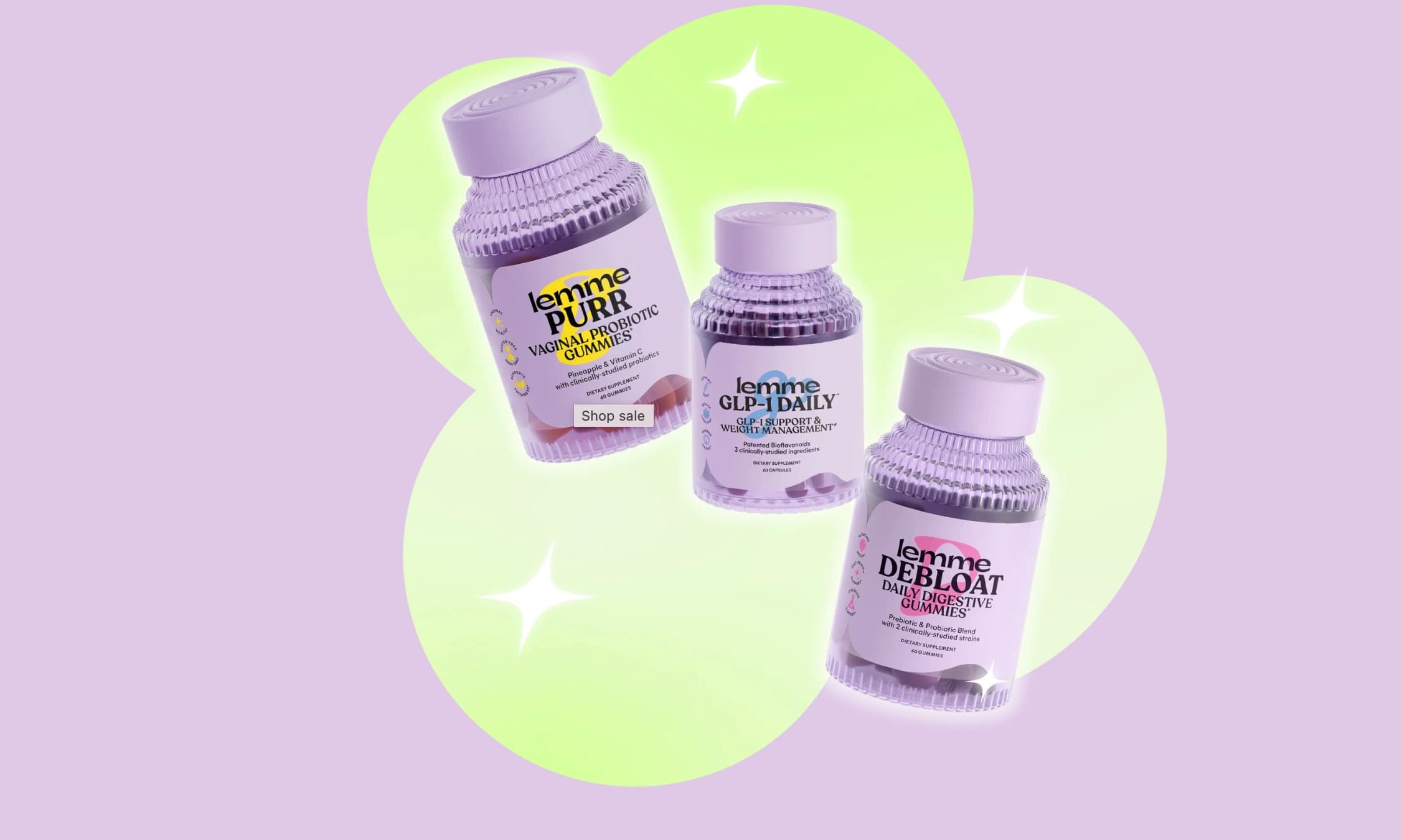
Lemme marketing strategy matters in 2026 because the path from direct to consumer buzz to mass retail has become shorter, more measured, and less forgiving. Lemme moved from a digitally native launch to broad retail access, including a Target expansion reported in early 2024 by Retail Dive and a Walmart rollout beginning January 1, 2026 in just over 2,000 stores nationwide.
At Brand Vision Insights, we look for strategies that survive channel change. The Lemme marketing strategy is useful because it shows how Kourtney Kardashian Lemme marketing can translate into repeatable systems that a non celebrity team can still apply. It also shows where a celebrity wellness brand marketing strategy needs structure, not only reach.
At A Glance
- Lemme brand strategy is benefit first, routine based, and built to read fast on a label and on a phone screen.
- The celebrity wellness brand marketing strategy relies on attention, but it converts through proof patterns that look like trust.
- The supplement brand marketing strategy is omnichannel by design, with an omnichannel strategy (DTC to retail) that keeps the brand coherent across website, creators, and shelf.
- The influencer gifting strategy and the UGC marketing strategy for supplements work together as a production system, not a one off campaign.
- A social commerce strategy supports discovery and impulse, including a TikTok Shop strategy for brands that treat creator video as performance media.
- The Target launch marketing strategy and Walmart retail expansion strategy are distribution moments, and they function as credibility signals for women’s health supplements marketing.
The Market Context: Why Wellness Brands Win on Trust and Convenience
The wellness category is large, competitive, and increasingly shaped by distribution and trust signals. The Global Wellness Institute reported a $6.8 trillion global wellness economy and forecast nearly $9.8 trillion by 2029. That growth raises the opportunity and the noise level in women’s health supplements marketing. Grand View Research estimated the global nutritional supplements market at $485.62 billion in 2024, which is a reminder that brand trust and distribution matter as much as creative.
At the same time, the influencer channel has matured. eMarketer estimated US influencer marketing spending would surpass $10 billion in 2025. A TikTok Shop strategy for brands is now part of the default mix for many teams, especially when a social commerce strategy is central. That sets a baseline reality for any celebrity wellness brand marketing strategy and any supplement brand marketing strategy that depends on creators.
This is where Lemme marketing strategy is instructive. It shows how a social commerce strategy can earn consideration, then how an omnichannel strategy (DTC to retail) can remove purchase barriers. It also shows why the Target launch marketing strategy and Walmart retail expansion strategy matter beyond shelf presence. They are distribution proof.
For teams operating in regulated categories, it helps to treat this as an applied version of health and wellness marketing agency fundamentals. Clarity, proof, and governance are the core levers.

Positioning And Target Audience: Lemme Brand Strategy In Plain Terms
Lemme brand strategy is centered on benefit clarity. The product names and core claims are built to be understood in seconds. That matters because supplements sit in a high skepticism category. If the reader needs a paragraph to decode the offer, they will not purchase, and they will not share.
Kourtney Kardashian Lemme marketing creates built in attention, but attention is not positioning. The positioning is the promise the brand repeats across touchpoints. In the Lemme marketing strategy, the promise is structured around women’s health supplements marketing, routine framing, and a clean and science backed posture the brand emphasizes in its public communications.
A useful way to interpret this celebrity wellness brand marketing strategy is a trust stack:
- Clarity: benefit first naming and plain language claims.
- Consistency: the same story across product, site, creator content, and retail shelf.
- Proof cues: retail distribution, awards, and volume of authentic use content.
- Guardrails: compliance language and claim discipline.
This trust stack is also the backbone of a supplement brand marketing strategy that can scale beyond founder content. It becomes a system other people can repeat, which is the real value in Kourtney Kardashian Lemme marketing.
Product, Packaging, And Naming: How The Offer Sells Before Ads
Lemme’s marketing strategy treats the product as media. Packaging is not only visual identity. It is a conversion surface that has to work in three contexts: on a product detail page, in a creator’s hand on video, and under retail lighting.
This is where Lemme's brand strategy becomes operational. Benefit first naming reduces cognitive load. The design language makes the product easy to spot, which is part of women’s health supplements marketing in a crowded set. It also gives creators a prop that looks familiar on camera, which supports the influencer gifting strategy and the UGC marketing strategy for supplements.
For teams trying to apply a similar supplement brand marketing strategy, the key lesson is to design for scan speed:
- Front label: benefit, form, and usage in plain terms.
- Side panel: ingredients and claims in a structured, readable layout.
- Visual system: color and typography that stays consistent across SKUs.
- Digital parity: the same hierarchy on the PDP as on the label.
In practice, this is where a branding agency and a product team align. The work also benefits from a disciplined brand strategy so the language stays stable as the catalog expands. When the identity system is consistent, the Target launch marketing strategy and Walmart retail expansion strategy do not need reinvention. The brand arrives already formed.
-1.webp)
Channel Sequencing: From DTC To Target To Walmart
The most visible part of Lemme's marketing strategy is distribution, but the more useful part is sequencing. DTC gives control. Retail gives scale. An omnichannel strategy (DTC to retail) has to decide what each channel is for, and what it is not for.
Retail coverage reported Lemme’s Target availability rolling out in late 2023 and early 2024. The brand also announced a Walmart rollout beginning January 1, 2026 in just over 2,000 stores nationwide. Those milestones show a path from selective access to mass access, a familiar pattern in a celebrity wellness brand marketing strategy.
What Each Channel Is For
A practical way to frame the Target launch marketing strategy is validation. Target is a signal that the product can perform under a retailer’s standards and that the brand can support replenishment. For women’s health supplements marketing, that matters because the customer is not only buying a gummy. They are buying a routine.
The Walmart retail expansion strategy is scale, but it also tests discipline. Walmart shoppers are broad. Price sensitivity is higher. Shelf competition is intense. A supplement brand marketing strategy that works in DTC needs stronger clarity and stronger proof at Walmart.
Here is what the omnichannel strategy (DTC to retail) often looks like when it is managed well:
- DTC is the story engine. It owns education, bundles, and first-party retention.
- Target is a distribution bridge. It expands access while keeping a curated feel.
- Walmart is the volume channel. It rewards clear packaging, repeatable benefits, and operational readiness.
The creator program sits across all three. The influencer gifting strategy and the UGC marketing strategy for supplements are not separate from retail. They are part of the retail conversion cycle, and they feed a social commerce strategy that stays measurable.

The Creator Engine: Influencer Gifting Strategy And UGC Marketing Strategy For Supplements
Most commentary on Kourtney Kardashian Lemme marketing stops at creator gifting. That misses the operational reality. An influencer gifting strategy only matters if it turns into a content library the brand can reuse, measure, and govern.
Lemme marketing strategy benefits from founder reach, but it is the repeatable UGC marketing strategy for supplements that sustains volume. Gummies are filmable. They fit into daily routines. They also create a simple show-and-tell moment that works on short-form video.
Three Lanes Of Creator Distribution
A mature creator engine usually has three lanes:
- Seeding lane: product sent to creators to prompt authentic content. This is the core influencer gifting strategy.
- Performance lane: paid amplification of the best content, often through whitelisting or Spark Ads.
- Retail lane: content designed to support a Target launch marketing strategy or Walmart retail expansion strategy with store availability cues.
This is also where social commerce strategy becomes attributable. A TikTok Shop strategy for brands can turn creator video into trackable orders, and it can surface which benefit claims resonate. That feedback matters for Lemme's brand strategy and for any supplement brand marketing strategy.
To keep this ethical and scalable, teams need guardrails. Kourtney Kardashian Lemme marketing cannot rely on vague disclosure. The FTC expects clear disclosures of material relationships, and the brand has to train creators and audit posts. That expectation applies to every TikTok Shop strategy for brands, not only celebrity programs.
Social Content That Educates: Turning Routines Into Repeatable Formats
The Lemme marketing strategy works because the content is rarely only aesthetic. It is instructional. It frames the gummy as part of a routine. That is a direct fit for women’s health supplements marketing, where the consumer is looking for manageable habits.
This education angle also supports a celebrity wellness brand marketing strategy by reducing personality dependence. A routine can be repeated by anyone. That makes the system easier to scale beyond one face, even when Kourtney Kardashian Lemme marketing remains a top of funnel driver.
Content Pillars That Hold Up Over Time
A practical way to structure content pillars inside a social commerce strategy is:
- Routine education: when to take it, how it fits into a day, what to expect.
- Ingredient literacy: plain explanations of what is inside and why it is there.
- Social proof: customer reviews, creator routines, retail sightings.
- Founder voice: selective posts that reinforce brand posture without overexposure.
When the brand executes these pillars, the TikTok Shop strategy for brands becomes more than checkout. It becomes a conversion surface where education and transaction sit together. It also creates a feedback loop for the influencer gifting strategy and the UGC marketing strategy for supplements. The content that performs becomes the content the brand requests more of.
DTC UX And Conversion: What The Site Needs To Do In Supplements
A strong creator engine can drive traffic. It cannot do the last mile work a website must do. Lemme marketing strategy still depends on a conversion experience that reduces friction, answers objections, and supports repeat purchase.
This is where UX becomes part of the supplement brand marketing strategy. The product detail page has to communicate benefit and constraints clearly. It also has to respect performance and accessibility. Slow pages and unclear hierarchy cost revenue, and they also weaken trust in women’s health supplements marketing.
A PDP Checklist For Supplements
A PDP checklist for this category is straightforward:
- Benefit summary at the top, in plain language.
- Clear usage guidance and safety notes.
- Ingredients and substantiation are presented in a structured layout.
- Reviews and UGC are embedded near the claim, not hidden below.
- Disclosure language is placed where it is unavoidable when claims are made.
- Mobile first layout with readable type and strong contrast.
An omnichannel strategy (DTC to retail) adds another layer. The site should not pretend that retail does not exist. It should help the buyer choose a path: buy online, find in store, or subscribe. That makes the Target launch marketing strategy and Walmart retail expansion strategy work harder because the brand’s own site becomes a store locator and a trust hub.
Governance, Performance, And Maintainability
A site that performs in supplements is more than a landing page. It is a governed system. If every new SKU requires bespoke layout work, the team slows down and inconsistencies creep in. A web design agency should treat the PDP and content templates as components, not one time builds. The same is true for information architecture and interaction patterns led by a UI UX design agency.
For growth teams, this also connects directly to the pipeline. Better performance and clearer UX reduce paid waste. Better structure helps organic visibility, which is why many brands pair this work with an SEO agency.
.webp)
Credibility And Compliance: FTC Disclosures, FDA Disclaimers, And Risk Control
Wellness marketing is constrained marketing. Claims have rules. Endorsements have rules. The fastest way to damage trust is to treat compliance as a late-stage legal review.
FTC Disclosure Requirements For Influencers
The FTC provides guidance on endorsements, influencers, and reviews, including disclosure of material connections. This matters for the influencer gifting strategy, the UGC marketing strategy for supplements, and any TikTok Shop strategy for brands that depend on creator commerce.
Supplement Disclaimer Requirements
For supplements, structure and function claims trigger disclaimer requirements. The DSHEA disclaimer language and placement requirements are defined in regulation. This is not legal advice. It is an operational reality for women’s health supplements marketing. Claims discipline protects the brand and protects the customer.
Operational Controls That Scale
A practical compliance playbook that supports a celebrity wellness brand marketing strategy includes: A claims library with approved language for each SKU.
- Creator briefs that include disclosure examples and prohibited claims.
- A review workflow for whitelisted ads and high spend posts.
- A system for updating PDP and retail copy without breaking the visual hierarchy.
When this system exists, the Target launch marketing strategy and Walmart retail expansion strategy become less risky. The brand can scale distribution and content without losing control of language. That is also what makes Kourtney Kardashian Lemme marketing more durable than a headline cycle.
What Brands Can Copy: A 90 Day Plan And KPIs
The replicable part of the Lemme marketing strategy is not celebrity access. It is the operating model. A supplement brand marketing strategy can borrow the system even if the brand has no famous founder.
90 Day Plan
Here is a 90-day plan that matches the underlying mechanics of Lemme brand strategy, the influencer gifting strategy, and the omnichannel strategy (DTC to retail).
Days 1 to 30: Clarify and build the trust stack
- Tighten benefit language and naming so the offer can be read in five seconds.
- Build a PDP template that supports performance, accessibility, and proof cues.
- Define claim guardrails for women’s health supplements marketing and train the team.
- Align brand voice and visual identity so content, site, and packaging match.
Days 31 to 60: Launch the creator production system
- Start an influencer gifting strategy with clear creator selection and tracking.
- Build a UGC marketing strategy for supplements that targets specific routines and objections.
- Test a TikTok Shop strategy for brands with a small SKU set and clear attribution.
- Create a library of top-performing hooks, angles, and formats for reuse.
Days 61 to 90: Expand distribution readiness
- Use the best creator assets to support a Target launch marketing strategy style moment, even if the retailer is different.
- Prepare for a Walmart retail expansion strategy style moment with packaging clarity and inventory discipline.
- Align DTC and retail messaging so the omnichannel strategy (DTC to retail) stays coherent.
KPIs To Track
KPIs that matter in this model are not exotic:
- Conversion rate by landing page and by creator source.
- Repeat purchase rate and subscription attach rate.
- Content efficiency: cost per usable asset and cost per incremental order.
- Retail velocity and in stock rate, when retail data is available.
- Compliance rate: percentage of posts with correct disclosure.
Where To Start If The System Feels Fragmented
Brands that want to tighten the system usually start with a diagnostic. A marketing consultation and audit can identify where the funnel leaks, from creative to PDP to retention, and where the omnichannel strategy (DTC to retail) needs clearer roles.

FAQs About Lemme’s Marketing Strategy
How is Lemme marketing strategy different from other celebrity launches?
Lemme marketing strategy is closer to a system than a one-time announcement. Kourtney Kardashian Lemme marketing starts with reach, but it relies on Lemme brand strategy clarity, the influencer gifting strategy, and repeatable retail moments across an omnichannel strategy (DTC to retail).
What does Lemme brand strategy prioritize?
Lemme brand strategy prioritizes benefit clarity and routine fit. That posture supports women’s health supplements marketing and creates a foundation for a supplement brand marketing strategy that can scale.
Why does a Target launch marketing strategy matter for a DTC brand?
A Target launch marketing strategy is a credibility and access event. It reduces friction for buyers who prefer retail and adds proof cues that support a celebrity wellness brand marketing strategy.
What changes when a brand moves to Walmart?
A Walmart retail expansion strategy increases scale, but it also increases scrutiny. It rewards clear packaging, disciplined claims, and strong in-stock execution across an omnichannel strategy (DTC to retail).
How should brands use a social commerce strategy in supplements?
A social commerce strategy should blend education and conversion. A TikTok Shop strategy for brands works best when the content answers objections and the PDP supports fast decision-making.
Is influencer gifting strategy still effective in 2026?
An influencer gifting strategy can be effective when it is run as a system. It needs tracking, reuse, and governance, and it should feed a UGC marketing strategy for supplements rather than random posts.
Closing Thoughts
The headline story of Lemme's marketing strategy is distribution. The deeper story is operational coherence. Lemme brand strategy, Kourtney Kardashian Lemme marketing, and the broader celebrity wellness brand marketing strategy only work at scale when the product, content, site, and compliance system stay aligned.
For teams building a supplement brand marketing strategy or refining a social commerce strategy, the practical lesson is simple. Treat marketing as a system that can survive new channels, new retailers, and new scrutiny. That is what makes an omnichannel strategy (DTC to retail) durable.
Start a conversation with Brand Vision about brand, UX, and growth systems that hold up under scale. If you want a related lens on founder-led wellness ecosystems, see our breakdown of the Poosh marketing strategy.



%2520(1).png)