
The Poosh marketing strategy matters because it shows a modern path from attention to revenue that does not rely on constant paid media spend. It is a media-led growth model built for an environment where algorithms shift, ad costs fluctuate, and audiences treat trust as a scarce resource.
For leaders building a content business, a consumer brand, or a founder-led platform, Poosh is a useful case study in cross-channel marketing. The system connects editorial, commerce, partnerships, and campaigns with a consistent tone and clear conversion paths. It is less about individual posts and more about an operating model.
At a Glance: The Poosh Marketing Strategy
- Poosh is a wellness blog with an editorial point of view that is designed to sell without feeling like a catalog. The brand leads with content, then routes interest into products, partners, and events.
- The baseline monetization layer is performance-driven. Poosh discloses that it can receive compensation from affiliate relationships and promotional campaigns featured on its site. (Poosh Affiliate Disclosure)
- The commerce layer is positioned as curation. Poosh frames certain items as vetted and approved by its team, which turns product discovery into a continuation of editorial. (Poosh Approved Products)
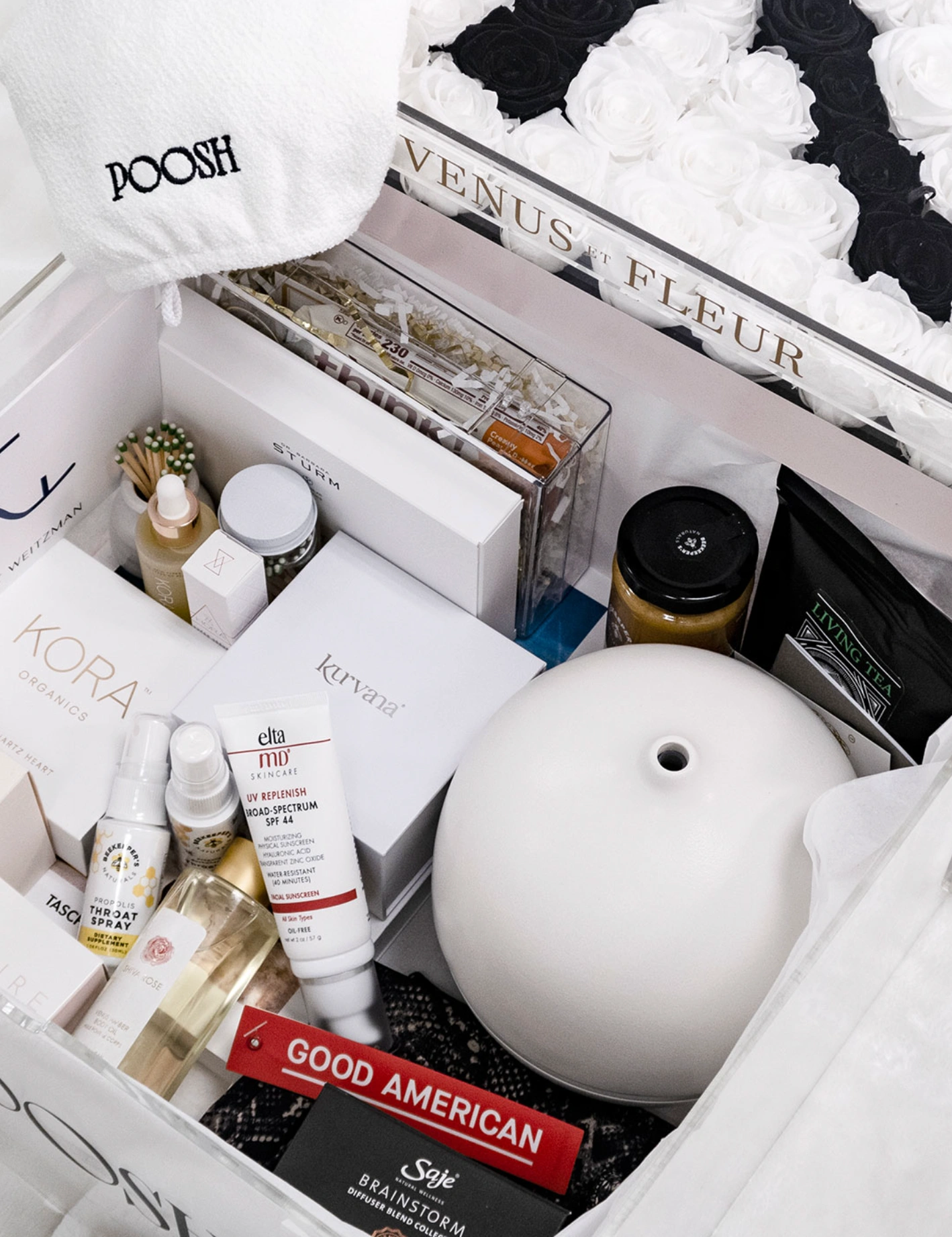
- The campaign layer creates moments that partners want to join. Camp Poosh is a clear example of experiential marketing used as a content engine, a partnership platform, and a community signal. (Our Camp Poosh 2025 Photo Diary)
- The transferable lesson is structural: build a repeatable content to commerce loop, then scale distribution through cross-channel marketing and consistent governance.
What Poosh Is and Why It Holds Attention
Poosh is often described as a wellness brand, but its core product is media. It publishes content that looks and behaves like a modern lifestyle magazine, then monetizes the attention through commerce and partnerships. This is the heart of the Poosh marketing strategy: editorial as the top of funnel, with buying opportunities integrated into the reading experience.
The strength is not just the topic. Many companies can publish wellness content. Poosh holds attention because it treats content as packaging. Headlines, formats, and recurring series make the wellness blog feel familiar, easy to skim, and easy to share.
A useful way to understand Poosh is as a system with three layers:
- Editorial that earns attention
- Distribution that amplifies attention through cross-channel marketing
- Monetization that captures demand through commerce and partnerships
A Founder-Led Editorial Brand, Not a Product Brand
Founder-led media brands usually win on coherence. The voice is consistent because the point of view is consistent. Poosh does not need to compete on category breadth. It needs to feel like one editorial desk that knows what it is doing.
This is where comparable case studies help. Brands like Goop built similar content and commerce patterns, with a founder-led narrative anchoring the ecosystem. Inside The Goop Empire shows how wellness media can become a durable business when the editorial layer stays disciplined.
The Job It Does for the Audience
The Poosh marketing strategy solves two audience jobs at once:
- Save time. Curate what to try, what to buy, what to do.
- Reduce risk. Provide cues that choices are informed, not random.
This job framing matters for any company building cross-channel marketing. If the audience cannot articulate the value in one sentence, distribution becomes expensive and retention becomes fragile.
How Poosh Makes Money: Affiliate Marketing, Sponsorships, and Commerce
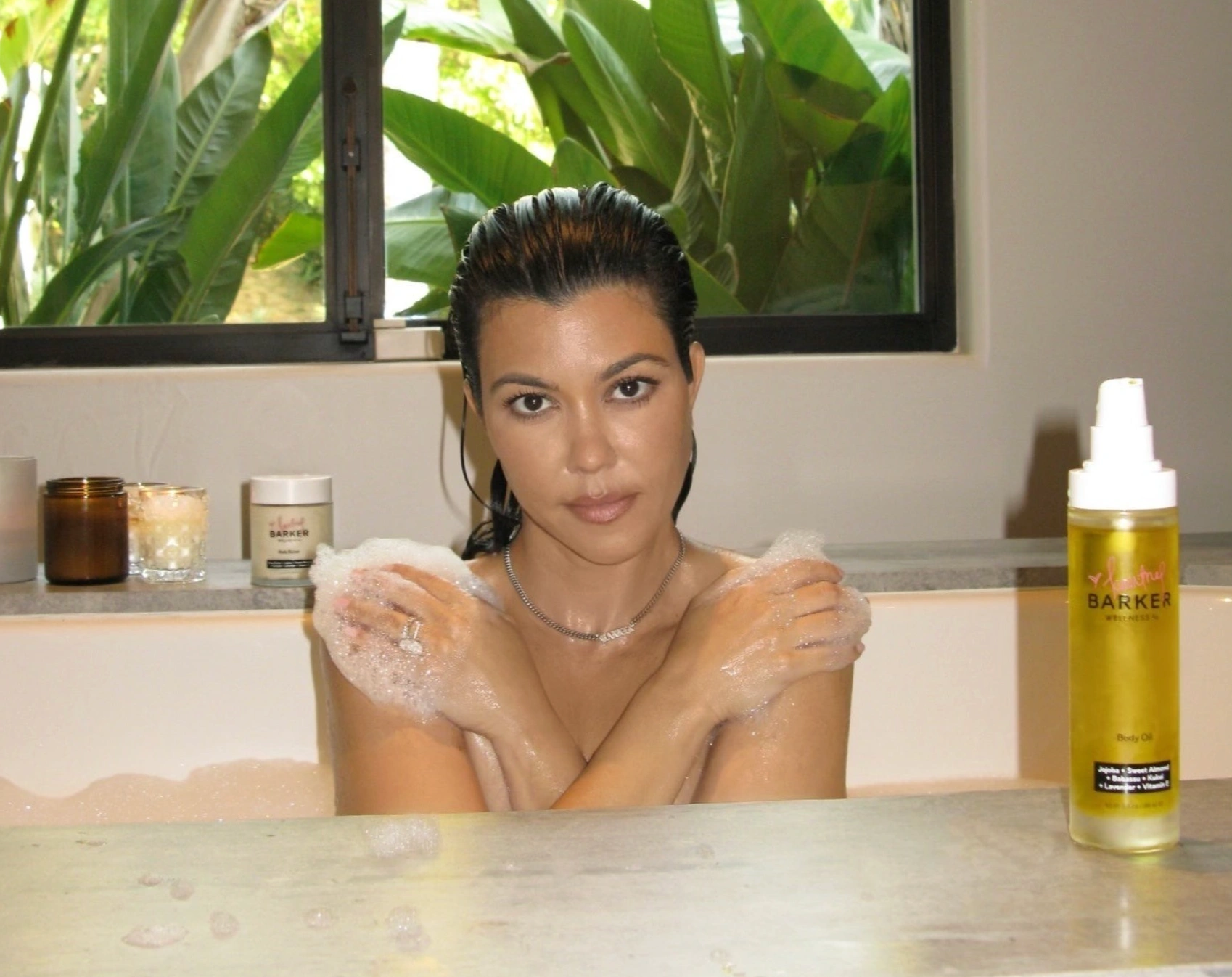
A modern wellness blog needs more than pageviews. The Poosh marketing strategy shows a diversified mix that aligns with how digital media monetizes today: performance-based affiliate marketing, paid brand partnerships, and a commerce layer that can compound over time.
This is also where compliance and trust become operational requirements, not just legal footnotes. The more a content brand monetizes, the more it needs clean labeling and governance.
Affiliate Marketing as the Baseline Monetization Layer
Poosh states that it can receive monetary and other compensation from affiliate relationships and promotional campaigns featured on its site. That disclosure matters because it clarifies the business model in plain terms. (Poosh Affiliate Disclosure)
This approach sits inside a larger market trend. The Performance Marketing Association reports U.S. affiliate marketing spending rising from $9.1B in 2021 to $13.62B in 2024. That growth signals why affiliate marketing has become a default layer for publisher monetization. (PMA Performance Marketing Industry Study 2025)
For operators, the strategic point is simple: affiliate marketing works best when content is built around intent. A wellness blog post that answers a specific question can convert without heavy sales copy, as long as product selection and UX are strong.
Sponsorships, Partnerships, and Paid Integrations
Affiliate marketing is usually the floor. Sponsorships are where revenue can step up, especially when the brand can offer:
- Credible audience fit
- Repeatable campaign formats
- Clear reporting and brand safety
Industry budgets reinforce this direction. IAB projects U.S. creator economy ad spend reaching $37B in 2025, with strong year-over-year growth. That spend reflects how brands increasingly buy attention through creators and publisher-like platforms. (IAB 2025 Creator Economy Ad Spend and Strategy Report)
The operational lesson is to treat partnerships as products. Standardize the inventory: newsletter placements, sponsored series, event participation, and commerce bundles.
Commerce as a Curated Extension of Editorial
Poosh positions commerce as selection, not volume. Its shop framing emphasizes vetted picks and a stamp of approval. (Poosh Approved Product)
This matters because commerce can fail when it feels bolted on. In a wellness blog, readers do not want to be sold a random product feed. They want continuity between what they read and what they can buy. That is a design and UX requirement as much as a merchandising choice.
A short compliance note belongs here, too. When monetization is tied to endorsements, disclosures must be clear and visible. FTC guidance for social media influencers is a practical baseline for teams managing sponsored content and affiliate relationships. (FTC Disclosures 101 for Social Media Influencers)

Positioning and Brand System: Wellness Without the Noise
Wellness is crowded. Most brands compete by escalating claims or chasing micro-trends. The Poosh marketing strategy takes a calmer route: consistent packaging, consistent voice, and a steady emphasis on routine. That helps the brand feel stable even when topics change.
The takeaway is not aesthetic. It is governance. A brand system reduces friction across cross-channel marketing because every channel can reuse the same building blocks without re-litigating tone and format.
Voice and Visual Consistency
Consistency is a performance strategy. It reduces production overhead and makes content recognizable at a glance. In a cross-channel marketing stack, recognition is what turns impressions into repeated attention.
If your organization is still debating how content should sound, it is usually a positioning problem. That is a brand strategy problem, not a copywriting problem. A clear positioning document and messaging rules are often the fastest route to a scalable content engine. If you need to formalize that foundation, start with a structured brand strategy agency approach that defines audience, proof, and voice.
Trust Cues and Disclosure Discipline
In content commerce, trust is fragile. Once readers feel manipulated, conversion drops and retention weakens. The Poosh marketing strategy protects trust with visible disclosure language and predictable patterns.
For decision-makers, this is governance work:
- Standard disclosure placement across the site
- Clear labeling for partnerships
- A consistent review process for claims and product language
- A documented approval flow that does not slow production
The Content Engine: Pillars, Cadence, and Editorial Packaging
The most instructive part of the Poosh marketing strategy is that it treats content as a system, not as a calendar. A wellness blog wins when it has clear pillars, repeatable formats, and a cadence that trains the audience to return.
Content Pillars That Scale
The highest-performing content engines usually rely on a few stable pillars. They are broad enough to produce many angles, but narrow enough to create topical authority.
For a wellness blog, typical scalable pillars include:
- Food and recipes
- Routines and habit building
- Product recommendations and comparisons
- Interviews and founder or expert perspectives
- Seasonal guides tied to cultural moments
This pillar approach is not limited to consumer content. B2B leaders can apply the same logic. Replace recipes with playbooks, products with software stacks, and routines with operational systems.
Packaging That Travels Across Channels
Cross-channel marketing works when the same core idea can travel in multiple formats:
- A long-form article becomes a carousel, a short video, and a newsletter module
- A product roundup becomes a short checklist and a landing page
- An event becomes a recap post, partner features, and social highlights
Poosh’s strength is that its formats are predictable. That predictability makes repurposing easier and makes production more efficient.
Evergreen Search Architecture
Search is still a stabilizer for publisher-led brands. When social distribution fluctuates, evergreen pages can continue to bring in new readers.
To make a wellness blog durable, the site must support:
- Clean information architecture
- Logical internal linking between related topics
- Fast load times and mobile-first layouts
- Structured templates that keep content scannable
These are outcomes of deliberate site work. If your content is strong but the site is slow or confusing, the bottleneck is experience design. That is where a web design agency and a senior content team need to work together as one system.

Cross-Channel Marketing and Retention: Social, Email, and Owned Traffic
The Poosh marketing strategy is a cross-channel marketing system that uses each channel for a specific job. Social captures attention. Email retains it. The website converts it. Partnerships and campaigns add bursts of reach and authority.
Channel Roles and Content Recycling
Cross-channel marketing fails when every channel is treated the same. A more effective model is role-based:
- Social is discovery and proof
- Email is relationship and repeat attention
- The site is depth and conversion
- Events are community and partner value
This role separation makes measurement easier. It also improves production discipline because each asset is built with a destination in mind.
Email as the Owned Retention Spine
Email behaves like a subscription, even when the content is free. It creates a predictable touchpoint that is not controlled by a platform algorithm.
For leaders, email is also the simplest way to build a first-party relationship. It supports:
- Segmentation by interest
- Repeat traffic to evergreen content
- Launch support for products and campaigns
Retention is not only a consumer concept. B2B teams can use the same approach to keep prospects warm between sales cycles and to reduce reliance on paid retargeting.
SEO and Technical Performance as a Growth Stabilizer
The most overlooked part of cross-channel marketing is technical stability. When content is monetized, the site becomes the revenue system. That raises the bar for performance, accessibility, and maintainability.
If you want content pages to rank and convert, they need strong search foundations. That includes technical SEO, internal linking, and clean templates. Teams that treat this as a dedicated discipline usually work faster and make fewer compromises. A focused SEO agency partner can help connect content strategy to measurable organic growth without turning the site into an experiment.
.webp)
The Marketplace Layer: Product Curation, UX, and Conversion Paths
Commerce inside a wellness blog only works when the experience feels deliberate. The Poosh marketing strategy treats commerce as an extension of editorial. That means the marketplace layer has to behave like part of the publication, not a separate store.
This is where many content-to-commerce programs break down. The audience is willing to buy, but the site experience adds friction.
UX Decisions That Reduce Friction
UX is not decoration in a commerce-led content model. It is the conversion engine. Strong marketplace UX typically includes:
- Clear category structure and filtering
- Fast page performance on mobile
- Product detail pages that answer common questions
- Trust cues near the buy decision, including shipping and return clarity
- Accessible design patterns that do not hide key actions
If your internal team is not structured to handle this, bring in a UI UX design agency that can map the journey from content to checkout and remove the high-friction steps.
Conversion Paths from Article to Product
A wellness blog has several natural conversion paths. The key is to keep them intentional and consistent.
Common patterns that convert without heavy sales copy:
- “What we use” modules embedded inside relevant articles
- Themed product collections tied to seasonal guides
- Event-related bundles and partner features
- Recap posts that link to the products shown in content
The Poosh marketing strategy relies on continuity. Readers should feel that the product is the next logical step after the content, not an interruption.
Governance: Labeling, Accessibility, and Maintainability
When commerce and content merge, governance becomes a growth constraint or a growth advantage.
A practical governance checklist:
- Standard templates for affiliate disclosures and sponsored labels
- A QA step for accessibility and mobile readability
- A content operations process for updating product links and out-of-stock items
- Clear ownership between editorial, partnerships, and web teams
This is also where industry specialization can help. A team running a wellness blog will face category-specific compliance and trust concerns. If your organization needs a full-funnel approach that covers content, partnerships, and site performance, a dedicated health and wellness marketing agency partner can help align the marketing system with the brand’s risk profile and growth goals.
Campaign Playbook #1: Camp Poosh and Experiential Partner Marketing
Experiential campaigns are often treated as brand theater. Camp Poosh shows a more structured approach: experience as a content factory, partnership platform, and community signal.
For marketers, the point is not the theme. The point is the mechanism. Camp Poosh creates a concentrated moment that generates assets across channels and makes partners part of the story. (Our Camp Poosh 2025 Photo Diary)
What Camp Poosh Is Designed to Do
A campaign like Camp Poosh typically aims to deliver multiple outcomes at once:
- Produce high-volume content quickly
- Strengthen brand perception through experience design
- Create partner inventory that can be sold or renewed
- Give the audience a reason to follow closely during a short window
This is cross-channel marketing at event scale. The experience generates content that can live for months across social, email, and the site.
Why It Works as a Partner Platform
Partners do not only buy impressions. They buy context. Experiential marketing creates context that is hard to replicate in a standard ad placement.
What makes this model attractive to partners:
- Physical integration into an environment
- Natural product demonstration moments
- High-signal photography and video opportunities
- Post-event content that extends the life of the partnership
How to Replicate the Structure at Smaller Scale
Most teams do not have an event budget. The structure is still replicable.
A smaller-scale version of this Poosh marketing strategy campaign:
- Pick one theme and one core audience segment.
- Build a single landing page that acts as the campaign hub.
- Create 6 to 10 reusable content modules: short videos, checklists, product picks, and recap posts.
- Offer partners clear inventory: one email feature, one social series, one long-form integration.
- Measure outcomes that matter: list growth, assisted conversions, and partner renewals.
Campaign Playbook #2: Giveaways That Build List Growth and Social Proof
Giveaways can be a blunt tool. They attract low-intent entrants when they are poorly designed. In a cleaner version of the Poosh marketing strategy, giveaways are used as a structured exchange: value in return for attention, email permission, and social momentum.
The Mechanics That Make Giveaways Work
A giveaway works best when it is treated like a product launch, not a raffle.
Key mechanics:
- A prize that aligns with the editorial promise of the wellness blog
- A clear entry flow that prioritizes email signup and preference capture
- Partner participation that expands distribution
- A follow-up sequence that converts entrants into ongoing readers
If you do not have an email onboarding sequence, the giveaway becomes a one-time spike. The point is retention.
Measurement and Risk Controls
Giveaways also create operational risks: fraud, low-quality signups, and brand dilution.
A practical measurement and control set:
- Track email opt-in rate, confirmation rate, and unsubscribe rate after the campaign
- Segment giveaway entrants separately until engagement is proven
- Monitor traffic quality and conversion behavior over 30 days
- Document rules, disclosure language, and partner responsibilities
This is where a structured marketing consultation and audit can be useful. It clarifies what is working, what is inflating vanity metrics, and what needs governance before scale.
-1.webp)
Campaign Playbook #3: Virtual Programming That Extends the Brand
Virtual programming is often dismissed as content. It is better understood as an experience layer that builds habit. In the Poosh marketing strategy, virtual events behave like a subscription mechanic without requiring a paid membership.
Poosh has run scheduled wellness programming that creates appointment viewing and reusable content assets. (Poosh Your Wellness 2022)
Virtual as a Conversion and Retention Tool
Virtual programming supports three strategic goals:
- Retention: it gives the audience a reason to return at a specific time
- Conversion: it creates a natural moment for product tie-ins and partner integrations
- Content efficiency: one event can generate dozens of clips and follow-up posts
For any brand, the value is not the livestream itself. The value is the content library and the behavior change it encourages.
A Lightweight Production Model
A virtual program does not need complex production. It needs clear structure.
A simple model:
- One host with a consistent format
- One segment that teaches something tangible in 10 to 15 minutes
- One partner integration that fits the segment, clearly labeled
- A landing page that captures email signups and houses the replay
- A post-event email that routes viewers into related content and product recommendations
Key Takeaways for Marketers: A Repeatable Framework
The Poosh marketing strategy is a useful template because it connects content, distribution, and monetization without turning everything into an ad. It is a media operating model that can be applied outside wellness.
The Media to Commerce Loop
A repeatable version of the system looks like this:
- Publish content that answers a specific intent.
- Distribute it through cross-channel marketing with clear channel roles.
- Route readers to a curated commerce layer with strong UX.
- Reinforce trust with disclosure discipline and consistent voice.
- Create campaigns that generate partner value and reusable assets.
- Use email as the retention spine to stabilize the system.
If you are building this from scratch, treat the website as the product. Strong content with weak UX will not convert. Strong commerce with weak editorial will not earn trust.
A Practical 90-Day Build Plan
Weeks 1 to 2: Foundation
- Define the 3 to 5 content pillars and the audience job each pillar serves
- Write the positioning and voice rules
- Map the core conversion paths from content to commerce
Weeks 3 to 6: Build
- Publish 10 to 15 evergreen articles tied to real search intent
- Create repeatable templates for product modules and disclosures
- Set up email capture points and a simple onboarding sequence
Weeks 7 to 10: Distribution and Retention
- Assign channel roles and repurpose content intentionally
- Create an editorial calendar that prioritizes reuse and consistency
- Launch one partner-friendly content series with defined inventory
Weeks 11 to 13: Campaign
- Run one campaign that creates a moment: a mini event, a giveaway, or a virtual program
- Measure list growth, content engagement, assisted conversions, and partner outcomes
- Document what worked, then standardize it
If you want support building this as an integrated system, start with Brand Vision for strategy, creative, and execution support that treats content, UX, and performance as one connected model.
FAQ
What is the core Poosh marketing strategy?
The Poosh marketing strategy is content-led growth. It uses a wellness blog as the top of funnel, then monetizes through affiliate marketing, partnerships, and curated commerce.
How does Poosh use cross-channel marketing?
Poosh uses cross-channel marketing by assigning roles to each channel. Social drives discovery, email supports retention, and the website converts interest through content depth and product pathways.
Is Poosh mainly a media brand or a product brand?
Poosh operates primarily as a media brand with a commerce layer. The editorial engine is the entry point, and products are presented as curated extensions of the content experience.
How does affiliate marketing fit into the Poosh model?
Affiliate marketing provides a performance-based monetization layer. Poosh discloses that it can receive compensation from affiliate relationships and promotional campaigns featured on its site. (Poosh Affiliate Disclosure)
What makes Poosh campaigns like Camp Poosh effective?
They create a high-density content moment, expand partner inventory, and strengthen community signals. The event generates assets that can be distributed across channels long after the experience ends.
What should brands copy from the Poosh marketing strategy, and what should they avoid?
Copy the structure: content pillars, cross-channel marketing roles, an owned retention channel, and strong governance. Avoid copying tactics without the operational foundation, especially around disclosure, UX, and partner management.

%2520(1).png)
.png)