How Celebrities Market Themselves: A Guide To Personal Branding
Updated on
Published on
Celebrities market themselves in a way most businesses can learn from because they operate under constant scrutiny, compressed attention spans, and public feedback loops that never stop. The winning ones do not rely on viral luck. They build a personal branding system that makes their identity easy to recognise, easy to talk about, and easy to buy into.
This matters for decision makers because the same forces shaping celebrity personal branding are shaping every category. Search is more fragmented, distribution is more pay-to-play, and trust is harder to earn. When celebrities market themselves well, they show how to connect brand story, product, and reputation into one consistent signal that customers and audiences can repeat.
If you are shaping a founder brand, an executive presence, or a company narrative, the mechanics are the same. Clear positioning. Proof people can cite. A product or offer that turns attention into value. That is personal branding in practice, not as a slogan.
For brands building durable identity systems, this is where strategy, design, and user experience meet. That is also where a branding agency can support the work with structure, governance, and clarity, not just visuals.

The Celebrity Personal Brand Framework: Positioning, Proof, And Product
When celebrities market themselves, most of what you see is surface. The deeper system is simple. A celebrity personal brand holds together when positioning tells people what you stand for, proof makes it believable, and product turns attention into something real. Remove any one of the three and the system gets fragile.
Positioning: The One Sentence Promise
Positioning is the fastest answer to, “What do I get when I follow this person?” It is not a biography. It is a promise. Celebrities market themselves by making that promise consistent across interviews, posts, partnerships, and creative choices.
In personal branding, positioning becomes stronger when it has constraints. One primary identity. One primary audience. A few repeatable themes.
Key checks:
- Can someone describe your celebrity personal brand in one sentence
- Does that sentence stay true across years and formats
- Does it help people decide what you are not
Proof: The Receipts People Remember
Proof is what makes a personal branding promise feel earned. Celebrities market themselves by turning proof into moments that stick, like performances, launches, public decisions, measurable wins, or visible craft. Proof works best when it is specific, not emotional.
For a founder or executive, proof can be case results, customer outcomes, patents, product quality, hiring standards, or published thinking. If you want proof to land, it needs a clear home, which is why many teams invest in a fast, structured site built by a web design agency that can present proof without clutter.
Key checks:
- Are you showing proof or implying it
- Is proof easy to find in under 30 seconds
- Can others reference it without explanation
-1.webp)
Product: Where Attention Turns Into Revenue
The product is the conversion layer. Celebrities market themselves by giving their audience something to do next: buy, subscribe, attend, watch, join, or advocate. Even when the “product” is a film or tour, the brand is built through the business model around it.
This is where personal branding becomes measurable. If attention does not convert into repeatable value, you are building visibility without equity.
Key checks:
- Is there a clear offer connected to your identity
- Does the offer reinforce your positioning
- Do you have a plan for retention, not just launch
Choose A Lane: Identity, Audience, And Cultural Role
Celebrity personal branding is rarely broad. It is usually a sharp lane that scales through repetition. When celebrities market themselves, they pick a cultural role people understand, then keep delivering on it until it becomes shorthand.
Define Your Signature Traits
The first job of personal branding is recognisability. Not just visually, but behaviourally. Your traits should show up in how you speak, what you choose, and what you avoid. If your brand can be anyone, it will be remembered as no one.
Write three traits that you want people to associate with you, then test them against your last 20 public outputs. If the traits do not show up, the brand is aspirational, not real.
Practical outputs:
- A short bio that matches how you actually behave
- A set of phrases you repeat and phrases you avoid
- A visual system that makes you recognisable across channels
Choose Your Primary Audience And Secondary Audience
Celebrities market themselves to a core audience first, then let broader audiences come later. Personal branding grows faster when you prioritise one group’s needs and language. The secondary audience should be compatible, not contradictory.
Ask:
- Who benefits most from following you
- What do they want more of: entertainment, reassurance, skill, aspiration
- What do they distrust and how do you avoid triggering it
For B2B leaders, this is close to defining an ideal customer profile. It is also where brand strategy work can clarify your role in the market so your content and offers align.
Set Your Boundaries So The Brand Stays Coherent
Boundaries are a hidden driver of celebrity personal branding. When celebrities market themselves long term, they protect coherence. They choose what stays private, what stays consistent, and what never becomes content.
Boundaries help with:
- Reputation risk
- Audience trust
- Decision speed on partnerships
Build Narrative Equity: Storytelling That Repeats Without Feeling Repetitive
The best personal branding does not chase novelty every day. It builds narrative equity, meaning people can retell your story in a few lines and still get it right. Celebrities market themselves by repeating a small set of stories through different angles.
The Origin Story
Origin stories work because they explain why you exist. They do not need to be dramatic. They need to be consistent and specific. The best origin stories connect to current behaviour.
Use this structure:
- What you saw that others ignored
- The constraint you worked within
- The decision that set your lane
The Values Story
Values are only useful when they show up as choices. Celebrities market themselves by making their values observable. That might be who they work with, what they build, and what they walk away from.
A values story should answer:
- What you refuse to compromise
- What you optimise for, even if it costs you
- What standard you hold yourself to
The Future Story
The future story creates momentum without hype. It signals where you are going and what kind of support you want from your audience. In personal branding, the future story is a promise of trajectory.
Write it as:
- The problem you want to solve next
- The capability you are building
- The proof you will deliver
Turn Platforms Into A System: Content, Community, And Distribution
Celebrities market themselves across platforms, but the top performers treat platforms as roles, not as identity. Personal branding becomes easier when each platform has a job.
Your Content Pillars
Most celebrity personal branding rests on three to five content pillars. One is the craft. One is the lifestyle or personality layer. One is behind the scenes or in the process. When celebrities market themselves, they keep these pillars steady so followers know what they will get.
Common pillar set:
- Proof of work
- Personal taste and curation
- Community interaction
- Partnerships and products
- Values and causes, used selectively
Your Community Rituals
Rituals are repeatable moments that train the audience to show up. Celebrities market themselves by building rituals that feel familiar: recurring formats, signature phrases, consistent release timing, and predictable engagement.
Examples of rituals:
- Weekly Q and A or prompts
- Recurring content series
- Launch countdown patterns
- Community challenges tied to a product
Your Distribution Mix
Distribution is what separates a strong personal brand from a popular account. Celebrities market themselves through a mix of organic, collaborations, and earned media, with paid support when needed.
Distribution moves to plan:
- Collaboration strategy with aligned peers
- Media placements that reinforce your positioning
- Search friendly assets, like interview pages and press hubs
- Email or SMS for direct reach
Own Or Rent Attention: Media Moves Celebrities Use To Control The Message
A modern celebrity personal brand is partly a media company. When celebrities market themselves, they reduce dependence on any single platform by building owned channels and reusable assets.
Owned Channels
Owned channels are where personal branding becomes durable. A website, newsletter, podcast feed, or community space is a place your brand can live without algorithm risk. For business leaders, this is where a UI UX design agency can help translate identity into an experience that communicates trust and clarity.
Owned channel essentials:
- A homepage that explains your lane in one screen
- A proof page with outcomes, press, or milestones
- A clear next step, such as subscribe, book, or buy
Earned Media
Earned media is not only about reach. It is about third party validation. Celebrities market themselves by choosing interviews and formats that reinforce their narrative.
Tactics:
- Pick fewer, higher-quality appearances
- Bring one repeatable idea to each interview
- Leave with a quote people can share
Paid Support Without Looking Like An Ad
Paid support works when it strengthens what is already resonating. The trap is using paid spend to force a story that does not fit your personal branding. For brands, paid is best used to amplify proof and conversion assets, not to invent identity.
A good paid test:
- Promote one piece of proof
- Promote one clear offer
- Measure retention and repeat engagement, not only clicks

Reputation Engineering: Trust, Transparency, And Disclosure
Personal branding is not only storytelling. It is trust management. Celebrities market themselves in an environment where audiences assume sponsorships, incentives, and narratives. The brands that last are transparent and consistent.
Disclosure Is Part Of Brand Safety
Disclosure is not optional. It is a credibility signal. In the U.S., the Federal Trade Commission updated and maintains guidance on endorsements and disclosures, including influencer marketing expectations (FTC). In Canada, Ad Standards also provides influencer disclosure guidance (Ad Standards).
If your audience senses hidden incentives, personal branding trust declines fast.
Simple disclosure rules:
- Disclose early, not buried
- Use clear language, not vague tags
- Match disclosure to the format and platform
Consistency Beats Over-Sharing
Celebrities market themselves without sharing everything. Oversharing can create short-term attention but long-term volatility. Personal branding works when you deliver consistent signals that match your identity.
Consistency cues:
- Repeat your lane in different words
- Keep partnerships aligned
- Avoid sudden pivots without explanation
A Simple Risk Checklist
Before a partnership, post, or public stance:
- Does this fit my positioning
- Will this confuse my core audience
- Is the incentive clear and disclosed
- Can I defend this choice in one sentence
- Does this raise legal or regulatory risk
Product And Business Extensions: When A Personal Brand Becomes A Company
Many celebrity personal branding stories now include consumer products, services, and acquisitions. The pattern is predictable. Celebrities market themselves by launching products that match their identity, then using distribution and community to scale.
Why Some Celebrity Brands Scale
Successful celebrity brands usually have:
- A clear product market fit tied to the celebrity’s identity
- A distribution engine beyond one platform
- Operational partners who can execute
- A consistent narrative that survives press cycles
This is why some celebrity personal brand ventures look like sustainable companies while others feel like short term merch.
How Launch Strategy Shapes Credibility
Launch strategy matters more than hype. A controlled launch, clear promise, and visible product quality create credibility. When celebrities market themselves well, the product experience matches the public story.
Launch moves:
- Pop-ups and limited drops to create feedback loops
- Creator seeding that is disclosed and consistent
- Retail partnerships that extend reach without diluting the brand
What To Measure After Launch
Personal branding becomes measurable when you track:
- Repeat purchase or repeat engagement
- Customer sentiment and review patterns
- Organic search demand for the brand and product
- Conversion rate from owned channels
Examples Of Celebrity Personal Branding In Action
These real-life examples are useful to show the mechanics of personal branding in action. Each of these cases highlights how celebrities market themselves through positioning, proof, and product, with decisions that compound over time.
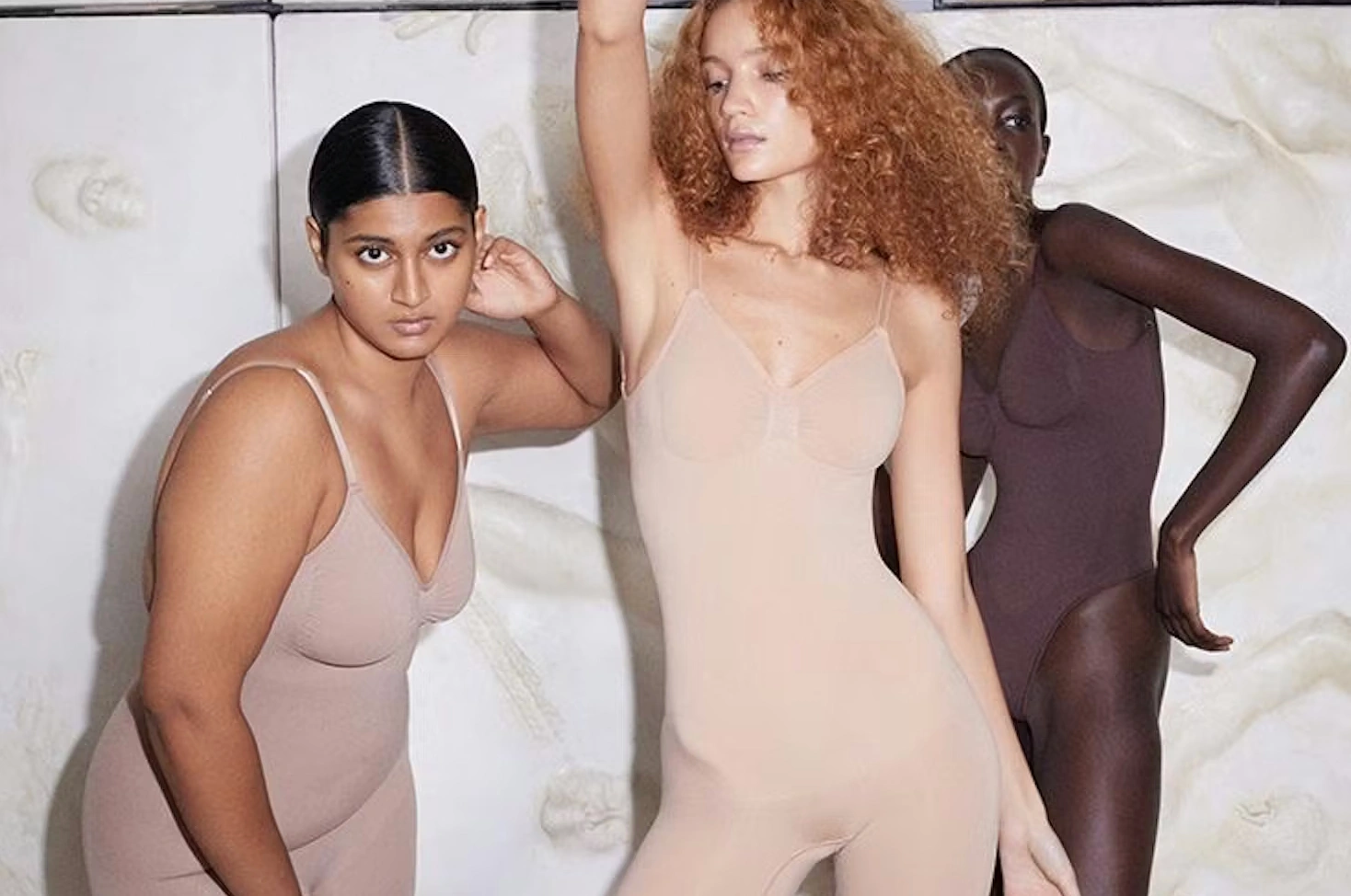
Kim Kardashian And SKIMS: Retail And Scale
Kim Kardashian’s personal branding has consistently centred on shaping taste, product curation, and direct-to-consumer momentum. SKIMS has moved beyond social buzz into scale signals like fundraising and reported valuation milestones. Reuters reported SKIMS raised capital at a $5 billion valuation in November 2025 (Reuters).
What the mechanics look like:
- Positioning: modern essentials with a tight aesthetic language
- Proof: scale signals through funding and expansion headlines
- Product: clear hero categories that are easy to understand and buy
Rihanna And Fenty Beauty: Inclusion Plus Distribution
Rihanna’s celebrity personal brand has long balanced creative authority with business credibility. In late 2025, Reuters reported LVMH was exploring a sale of its stake and noted Fenty Beauty generated roughly $450 million in net sales in 2024, with a potential valuation range discussed by sources (Reuters).
Why this is a useful personal branding model:
- Positioning: inclusivity as product design, not just messaging
- Proof: measurable sales scale and distribution reach
- Product: extensions across beauty categories without losing coherence
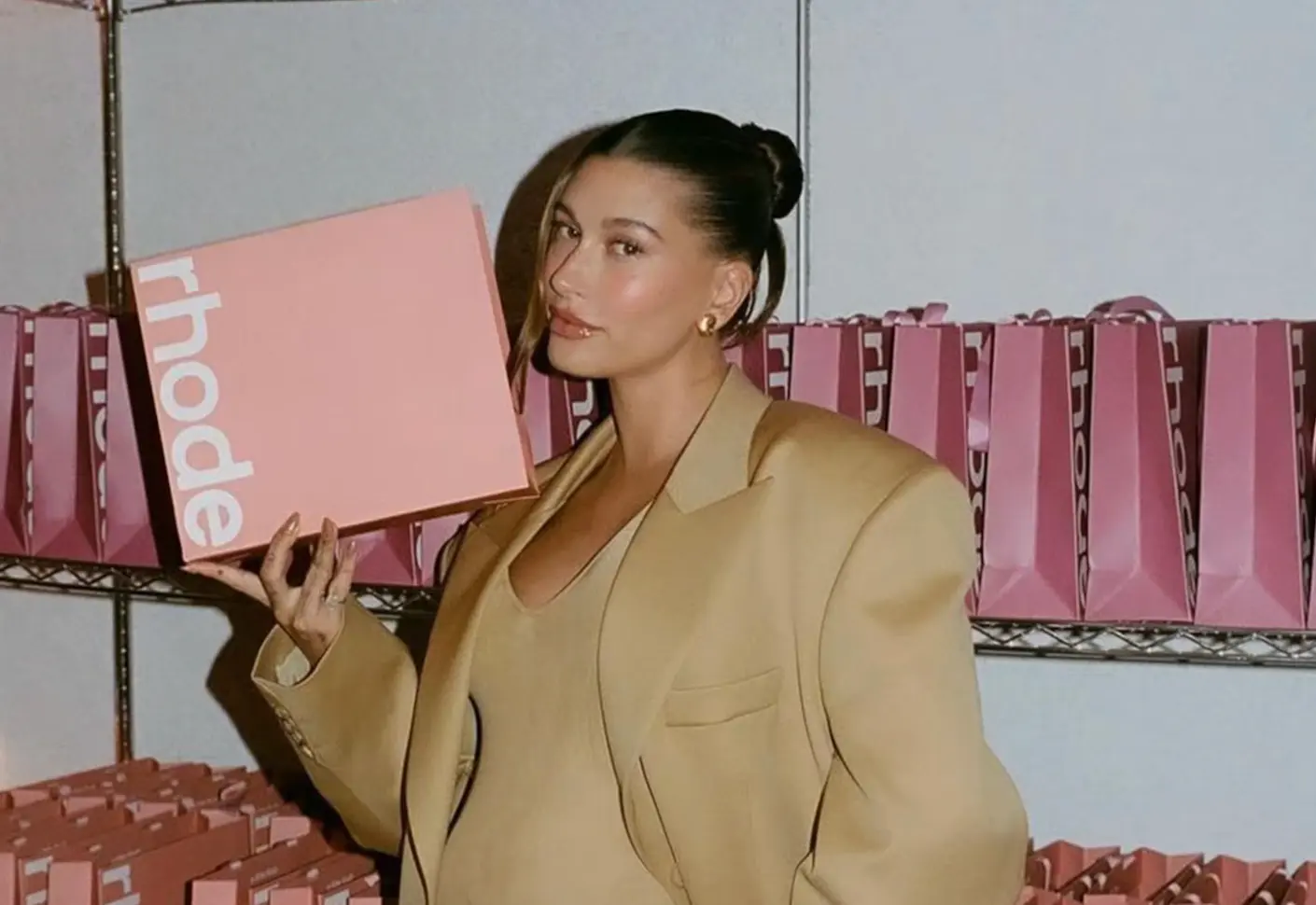
Hailey Bieber And Rhode: Community To Acquisition
Hailey Bieber’s Rhode shows a modern path from creator attention to brand equity. Reuters reported e.l.f. Beauty acquired Rhode in a deal valued at $1 billion, with a consideration structure and an earnout, and described Rhode’s popularity as driven by social presence (Reuters).
What this shows about celebrities marketing themselves:
- Positioning: a clean, consistent aesthetic that is easy to repeat
- Proof: product hits that spread through the community
- Product: a focused line that scales before it over-expands
Taylor Swift: Direct To Fan Flywheel
Taylor Swift’s personal branding system is a masterclass in narrative continuity and direct audience connection. Pollstar estimated The Eras Tour set records, with estimates exceeding $2 billion and over 10 million tickets (Pollstar).
Why it matters for business leaders:
- Positioning: a clear promise around storytelling and fan experience
- Proof: measurable demand, sales, and attendance
- Product: a flywheel across releases, tours, and content assets
Ryan Reynolds: Persona As Performance Marketing
Ryan Reynolds is a case where personality becomes a channel strategy. Reuters reported T-Mobile agreed to buy Mint Mobile in a deal valued at $1.35 billion and referenced Reynolds’ involvement (Reuters). The useful lesson is not the celebrity. It is the clarity of voice and consistent creative style across brand touchpoints.
Mechanics worth noting:
- Positioning: humour plus value, repeated consistently
- Proof: business outcomes tied to the brand story
- Product: a simple offer that the persona can explain in seconds
A Cautionary Pattern: When Product And Persona Drift
Not every celebrity's personal brand scales cleanly. When product positioning does not match what the audience expects, the brand can feel like a licensing move rather than a credible extension. This is why celebrities market themselves most successfully when product and persona reinforce each other instead of pulling apart.
Common failure triggers:
- Luxury pricing with mass audience expectations
- Too many categories too quickly
- Partnerships that confuse the lane
- Over-reliance on hype rather than product quality
How Leaders Can Apply Celebrity Branding Without Copying Celebrity Culture
You do not need fame to benefit from the mechanics. You need clarity, repetition, and proof. If you lead a company, personal branding becomes a trust shortcut when it is disciplined.
Founder Branding For B2B And Professional Services
A founder brand can reduce perceived risk for buyers, especially in complex services. It should be calm, specific, and consistent. For teams selling expertise, a B2B marketing agency can align narrative, proof, and conversion paths so the founder's presence supports the pipeline without turning into personal theatre.
Action steps:
- Pick one topic lane tied to your company’s differentiation
- Publish proof-based thinking, not motivational content
- Make the next step obvious: subscribe, book, request a brief
Executive Presence That Feels Human
Executives often default to vague updates. Personal branding improves when you show decisions, trade-offs, and principles. This builds trust without oversharing.
Practical formats:
- Decision memos turned into short posts
- Lessons from projects, framed as patterns
- Thoughtful commentary on industry shifts with clear boundaries
Thought Leadership That Converts
Thought leadership converts when it helps someone decide. Your content should reduce ambiguity, not increase it. Use clear frameworks, definitions, and checklists. Pair that with fast site performance, clear architecture, and accessible design. That is where strong search engine optimization and a reliable website experience work together to support credibility and conversion.
.webp)
Your Website As The Brand Hub: UX, Speed, And Proof
Even the strongest personal brand becomes fragile if your digital home is unclear. Celebrities market themselves through platforms, but durable brands still need a hub that you control.
Structure The Story
Your website should answer, in order:
- Who you help
- What you do
- Proof that you do it well
- The next step
This is information architecture, not decoration. It is also where Brand Vision approaches brand experience as a system, connecting story, design, and performance.
Design For Trust Signals
Trust signals are not a badge wall. They are clarity cues:
- Clear service descriptions
- Case outcomes that are specific
- Testimonials with context
- Press, speaking, or credentials that are easy to scan
This is the practical layer of visual identity and UX working together.
Governance And Maintenance
Celebrity personal branding works because it is managed. The same applies to leaders. Set rules for:
- Who publishes what and when
- How you approve partnerships and announcements
- How you maintain accuracy across pages
- How you update proof, like case results and credentials
A Simple Personal Branding Scorecard
Use this scorecard to evaluate your personal branding system. Celebrities market themselves well when most of these land at a high level.
Score 1 to 5 for each:
- Positioning clarity: can someone describe your lane in one sentence
- Proof accessibility: can proof be found in under 30 seconds
- Narrative consistency: do your stories repeat cleanly across channels
- Platform roles: does each channel have a job, not just content
- Offer clarity: is there a clear next step tied to your identity
- Trust hygiene: disclosures and boundaries are clear
- Website experience: fast, accessible, and easy to navigate
If your score is low in proof or website experience, start there. Most personal branding problems are not content problems. They are clarity and structure problems.
If you want a practical plan that connects brand story, website experience, and conversion, start with a marketing consultation and request a project outline.
Built For The Spotlight, Built For The Real World
Celebrities market themselves with discipline because attention is fragile and trust is expensive. The strongest personal branding systems are not built on constant reinvention. They are built on clear positioning, proof people can repeat, and products or offers that feel like a natural extension of the story. When those three elements stay aligned, the brand holds up through new platforms, new headlines, and new business moves.
For founders and leadership teams, the takeaway is practical. You do not need a celebrity scale to apply celebrity personal branding mechanics. You need clarity, consistent signals, and a digital home that makes your credibility easy to understand. That is where Brand Vision comes in. We connect strategy, design, and performance so your story reads clearly, your proof is easy to find, and your website supports pipeline, not just visibility. If you want a personal brand and a company brand that work together, start a conversation with our team.
FAQ
How do celebrities market themselves without going viral every week?
They rely on a repeatable personal branding system: one clear lane, consistent storytelling, and proof that reinforces the promise.
What is the simplest personal branding framework to follow?
Positioning, proof, and product. Define what you stand for, show evidence, then give people a clear next step.
Do founders need to share personal life content to build a strong brand?
No. Share decisions, standards, and outcomes. Boundaries keep personal branding credible and sustainable.
How do you handle sponsorships without losing trust?
Disclose clearly and early, and only choose partnerships that match your positioning and audience expectations.
What should a personal brand website include?
A one sentence promise, visible proof, and a clear action like subscribe, book, or request an outline, all presented through a fast, accessible UX.