The launch of the new Sidekick mechanic is an interesting turning point for Fortnite. Optimistically, it brings a new layer of personalization for the game played by around 1.5 million players every single day. On the other hand, Epic Games have prompted some questions about the effect on player experience and the long-term identity of the game.
Personal customization and the companion system
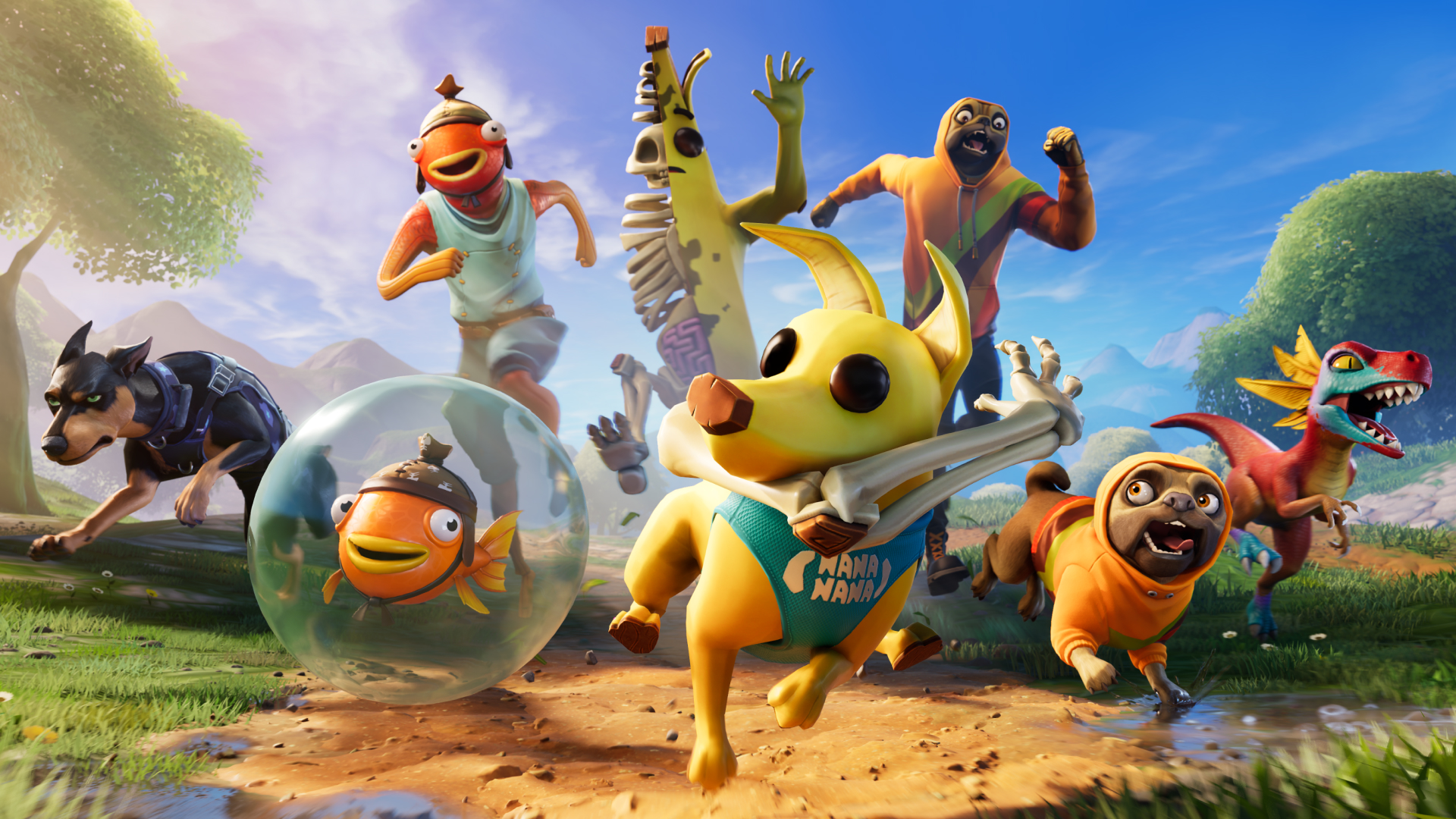
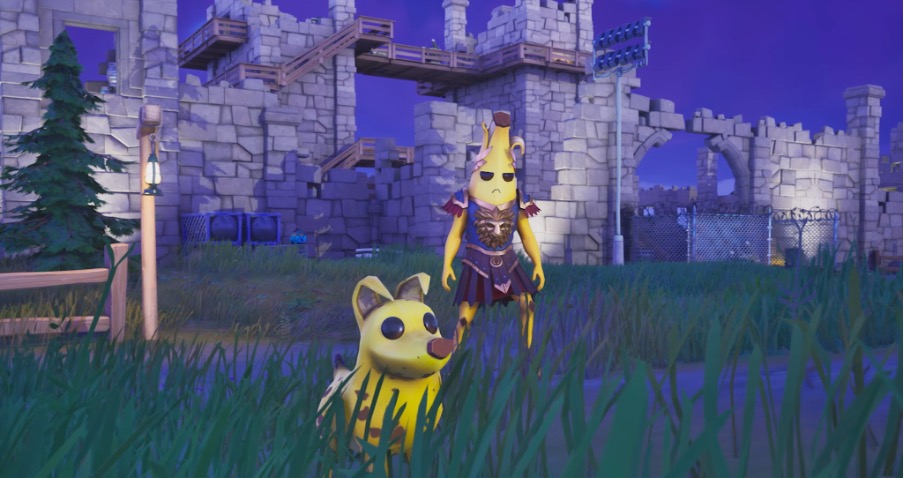
The introduction of Sidekicks—small companions that follow players through various modes—is intended to give Fortnite a more personal tone. Players can design their Sidekick by choosing fur color, ear shape, and size. The fact that these choices can’t be changed once selected has sparked much debate. So too has the price – some Sidekicks, like Raptor and Spike, cost 1,200 V-Bucks and others are priced at 1,500 (around $10-$14). But the existence of many Fortnite accounts for sale on digital marketplaces shows how invested players are in building and trading their in-game identities; the Sidekick system could tap into that sense of ownership.
Impact on gameplay
From a pure gameplay perspective, Sidekicks don’t alter core combat or survival mechanics. They don’t boost stats or offer tactical benefits. But their presence could shape player behavior. Having a companion introduces an identity element to teams and communities, perhaps shifting Fortnite toward a more expressive and social environment. That may not change who wins a battle, but it might change what the game feels like. There will be some players who enjoy expressing personality through a creature.
Monetization and community
Once you finalize your Sidekick’s appearance, you can’t modify its key features without buying a new one. Many players see this as a monetization trap rather than a creative choice.
Reddit and social media have been filled with frustration. Epic Games may be risking alienating its core player base by locking personalization behind repeated payments. A top-voted post on the FortNiteBR subreddit concludes, “idk, this feels kinda dumb.”
Epic seemed somewhat defensive in their announcement, as if anticipating the backlash. They said that players can purchase a Sidekick multiple times and customize them differently, as if to argue this was what players would want, but they’ll know that Fortnite fans would prefer to customize the same Sidekick repeatedly.
While Fortnite has long been known for premium skins, the idea of permanent cosmetic locks feels different – it touches the concept of ownership inside a live-service game. As IGN reported, one player called the Sidekick announcement the “death” of reasonable monetization. In contrast to when Epic released Wraps and allowed them to be used on any weapon, the new customizations are locked. The reason? According to this player: “greed.”
Another poster asked why Epic is locking cosmetic options when players have “200 loadout slots” and countless skins because players love customization so much. The commenter asked the developer to “please reconsider”.
Epic are polling players
Epic Games have issued a player survey asking players about the Sidekicks. They’ve asked about how users feel about the need to rebuy each creature to customize. This has offered fans hope that they are indeed reconsidering.
One question asked how players feel about Sidekicks in general; another asks if they knew that Sidekicks have features that can only be customized once. The answers could persuade Epic to make Sidekicks more aligned to other customizable features.
Potential pluses
Despite the backlash, there are arguably reasons to view the Sidekicks positively.
- It may improve player retention, giving users another thing to enjoy beyond their character.
- It could strengthen emotional connection by linking players to a companion that reflects their identity.
- It opens creative doors for future updates, like special missions or evolutions tied to each Sidekick species. (Again, there may be concerns about monetization.)
Not everyone has taken the new feature badly. GamesRadar writer Iain Wilson called Sidekicks “your little customizable pals” and an upgrade on the Fortnite Pets launched in 2018.
Combat or collectibles?
If pricing stays steep, players may view Sidekicks as another paywall rather than a feature to properly enjoy. And if customization stays too rigid, the idea of “permanent choice” could feel more like punishment than play.
There’s also a cultural risk. Fortnite’s popularity lies in fast movement, building, and pure combat tension. If too much attention is placed on cosmetics and collectibles, that core energy might fade under the weight of branding.
Advocates will argue that the Sidekick mechanic doesn’t rewrite Fortnite’s foundation. The gameplay loop of building, shooting, and surviving remains intact. It will probably change the emotional tone – how the game is experienced. The companions have been introduced for more of a sense of identity and visual storytelling (and, as many are arguing, money). The shift could prove more significant than any weapon rework or map update.
Last word
If Epic Games manages the balance between creativity and cost, the new system could become another of Fortnite’s strengths. But if the balance tips too far toward monetization, it risks becoming a symbol of commercial excess.

%2520(1).png)