

In the ever-evolving fashion industry, few brands have managed to create a lasting impression as successfully as Crocs. Since its inception in 2002, Crocs has become a global phenomenon, recognized for its distinctive clog-style shoes made from the innovative Croslite material. The brand's journey from a niche product for boaters to a household name embraced by a diverse customer base is a testament to its strategic use of the 4 P's of marketing: product, price, place, and promotion. This blog explores how Crocs has mastered these marketing principles to establish itself as a unique and enduring presence in the competitive footwear market.
At Brand Vision, we spend a lot of time studying the brands that stay culturally relevant without losing their core identity. This Crocs breakdown is meant to turn their marketing strategy into clear, practical decisions you can apply to your own brand in 2026, whether you are refining your product, tightening your positioning, or making your campaigns easier to remember.
Origin of Crocs:
In the dynamic world of fashion, Crocs marketing strategy has managed to stay relevant and successful since its founding in 2002. In the footwear industry, Crocs has become a household name thanks to their distinctive and instantly recognizable clog-style shoes made from a proprietary foam material called Croslite.
The journey of Crocs began with three friends: Lyndon "Duke" Hanson, Scott Seamans, and George Boedecker Jr., who were avid boaters frustrated with the lack of comfortable and slip-resistant footwear options. During a demonstration of a slip-resistant clog made by Foam Creations, the trio sensed a business opportunity. With the purchase of the business, they obtained the sole ownership of Croslite, the company's patented foam resin. Armed with this innovative material, they created Crocs and introduced it to the market.

Expanding the Product Line
Originally intended as boat shoes, Crocs quickly became well-known for their distinctive style and unmatched comfort. Their lightweight and durable construction won over customers from various walks of life, including nurses, parents, and celebrities. Due to the brand's emphasis on comfort and functionality as well as its extensive colour and pattern selection, which allowed customers to express their individual styles, Crocs became a well-known and fashionable footwear brand.
The company's product line expanded along with its popularity, thanks to the genius crocs marketing strategy behind it. Going beyond the well-known clogs to include sandals, sneakers, and even heels. By diversifying, Crocs was able to serve a larger customer base and maintain its leadership position in the industry. Even with early doubts, Crocs succeeded in carving out a place for themselves in the market and came to represent comfort and uniqueness.

Embracing Uniqueness
The unique style of Crocs shoes is a big reason for the company's success. Often considered "ugly" or unconventional, Crocs have created a dedicated fan base that embraces their unique aesthetic. Instead of redesigning to fit conventional standards, the brand focused on those who accepted and celebrated their uniqueness. This approach not only highlights the practicality of their shoes but also makes a bold statement about individuality and self-expression.
Personalization
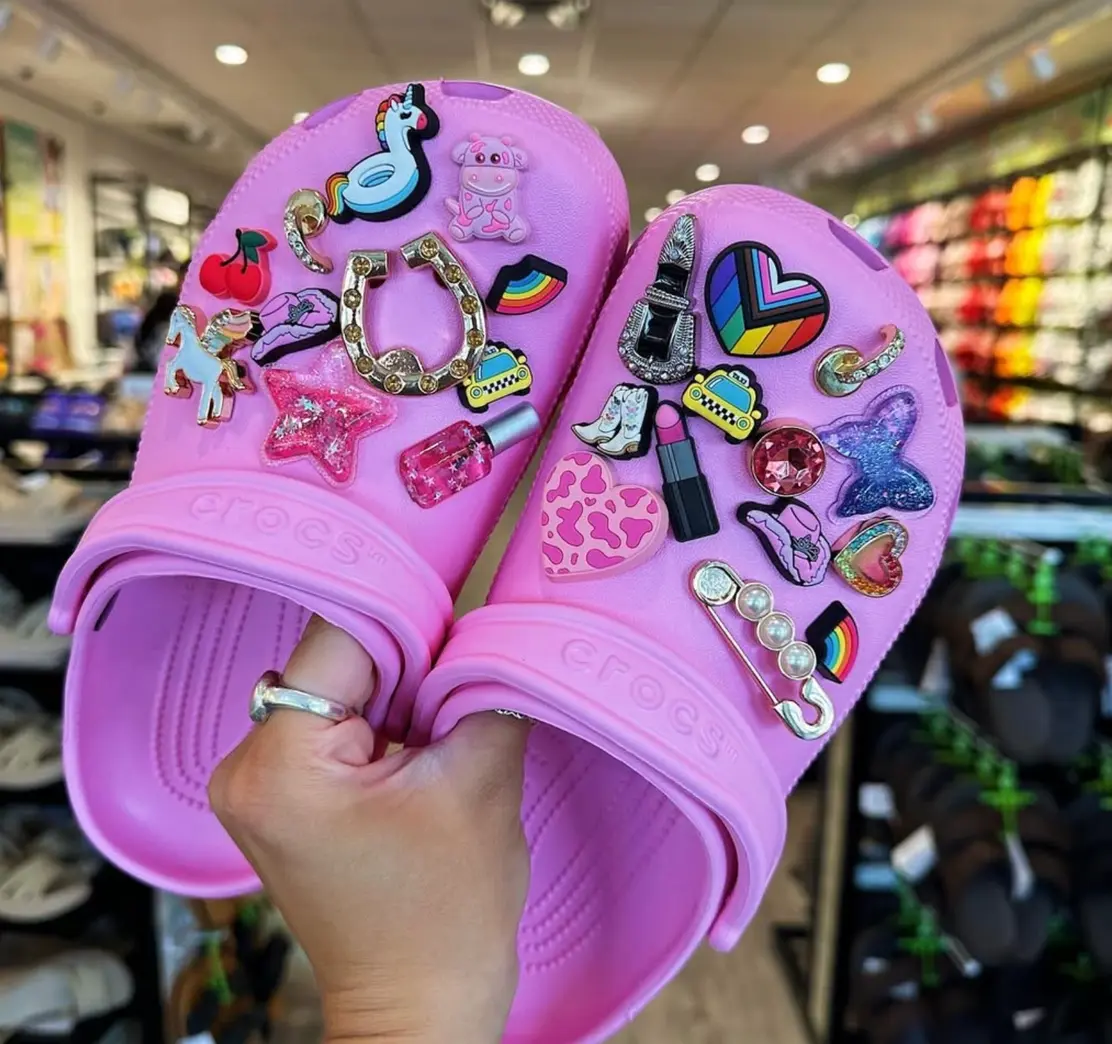
One of the standout elements of Crocs' business strategy is personalization. By offering a variety of colours and styles, Crocs enables customers to express their individuality through their footwear. To enhance this personal touch, Crocs introduced Jibbitz, small charms that can be attached to the holes in their shoes, allowing for further customization. This innovation led to a notable increase in revenue, with a 124% growth from 2006 to 2007. Additionally, Crocs launched the "Crocs Nautical" collection, featuring interchangeable straps that let customers mix and match colours and patterns. These personalization options not only make Crocs more appealing to individual tastes but also boost customer satisfaction and encourage repeat purchases.
Strategic Collaborations
Crocs has established itself as a trendy and sought-after brand through strategic collaborations with high-profile celebrities and well-known companies. By partnering with iconic names such as Disney, NBA, NHL, Marvel, Nickelodeon, and Warner Brothers, Crocs has created unique collections that appeal to a wide audience. The brand has also tapped into the influence of major celebrities like Justin Bieber, Drew Barrymore, Priyanka Chopra Jonas, and Lil Nas X, who not only endorse but actively wear and promote Crocs. These collaborations have generated significant buzz and positioned Crocs as a fun, playful, and desirable brand. Additionally, partnerships with designers like Balenciaga have elevated Crocs in the fashion world, creating exclusive and highly coveted items. By concentrating on both micro-influencers and big names, Crocs has successfully attracted new customers and enhanced its reputation, making it a standout brand in the market.

Mastering the 4 P's of Marketing
Product: Diverse, Comfortable, and Innovative Footwear
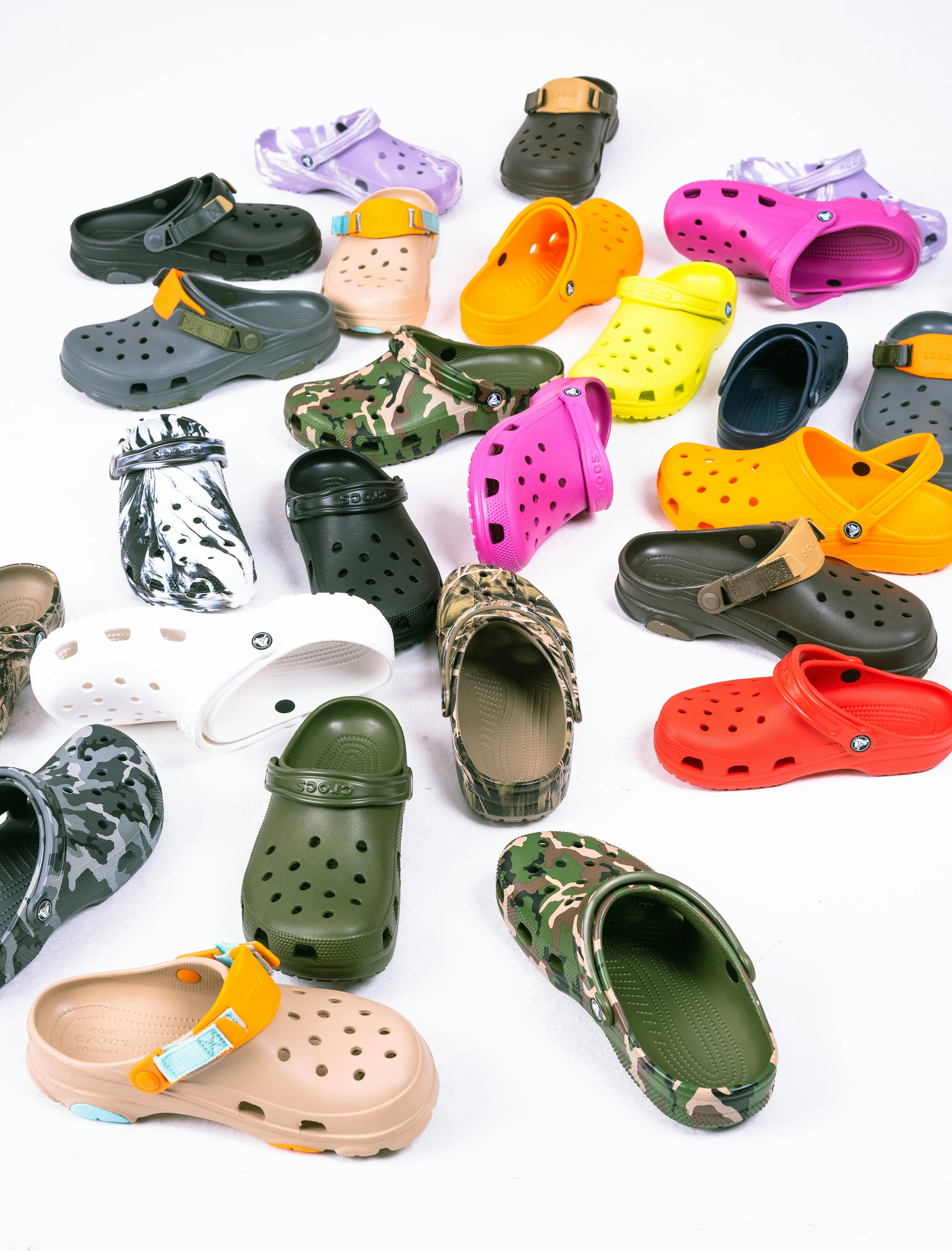
Crocs provides a large selection of footwear items for kids, women, and men. Their signature product, the classic clog, is renowned for its distinctive design and comfort. The clogs are made from Croslite, a proprietary material that ensures lightweight, odour-resistant, and shock-absorbing qualities. To cater to various tastes and needs, Crocs has expanded its product line to include sandals, flip-flops, sneakers, boots, and shoes with heels. They also feature the YOU by Crocs line, targeting women aged 25-50 with fashionable yet comfortable options. Additionally, the Ocean Minded line focuses on outdoor activities with products like hiking boots and water sports shoes. To enhance personalization, Crocs offers Jibbitz charms, allowing customers to customize their footwear with fun figures and shapes.
Price: Affordable Quality
Crocs adopts a mid-range pricing strategy, aiming to be "affordable but not cheap." Prices range from $30 for regular clogs to around $80 for more specialized footwear. This strategy positions Crocs as a quality brand accessible to the middle class, emphasizing value for money through the comfort and durability of their products. Although price discounts are not common, Crocs frequently runs seasonal sales and promotions to attract price-conscious consumers and boost sales, reinforcing their value proposition without compromising their brand image.
Place: A Comprehensive Global Presence
Crocs utilizes a multi-channel distribution strategy to reach their customers worldwide. Their products are available through a network of wholesalers, accounting for 52% of their sales in 2023, in shoe stores and sporting goods stores. Additionally, Crocs has a robust online presence and operates its retail stores, contributing 48% of its sales. This diverse distribution network ensures that Crocs products are easily accessible to consumers, whether they prefer shopping online or in physical stores.
Promotion: Building a Positive Brand Image
Crocs' promotional efforts focus on building long-lasting relationships with customers and maintaining a positive brand image. Their marketing strategies include advertising on television and in magazines, leveraging social media for engagement, and encouraging user-generated content. Limited-edition designs that are in high demand are produced through collaborations with artists, celebrities, and other brands. In addition, Crocs makes investments in content marketing, creating videos, blog articles, and style guides to inform and amuse their audience. To further strengthen its brand reputation and promote a favourable public perception, Crocs also emphasizes its CSR initiatives, such as sustainability programs and crisis donations.
By effectively implementing the 4 P's of marketing: product, price, place, and promotion, Crocs has successfully positioned itself as a unique and desirable brand in the competitive footwear market.
In the dynamic world of fashion, Crocs has managed to stay relevant and successful since its founding in 2002. Their distinctive clog-style shoes made from the innovative Croslite material have become a household name. From its humble beginnings with three friends aiming to create comfortable boat shoes, Crocs has expanded its product line to include a diverse range of footwear, from sandals to heels, catering to all genders and ages. The brand's mid-range pricing strategy ensures affordability while maintaining quality, and its multi-channel distribution network makes Crocs accessible globally.
Crocs' promotional efforts focus on building a positive brand image and fostering long-lasting customer relationships. Crocs marketing is a strategic use of social media, content marketing, and high-profile collaborations has generated significant buzz and positioned Crocs as both a practical and fashionable choice. By mastering the 4 P's of marketing: product, price, place, and promotion, Crocs has carved out a unique space in the footwear market, embodying comfort, innovation, and individuality.
Find Similar Reads on More of Your Favourite Brands
What Business Owners Can Learn From Crocs and Apply in 2026
Crocs is proof that you do not need universal approval to win. You need a clear point of view, a product experience people actually love, and a story that gives customers permission to express themselves. In 2026, the brands that grow are usually the ones that make choices easier for buyers, then repeat those choices consistently across product, messaging, and channels. Crocs did that by leaning into comfort and uniqueness, making personalization feel fun, and using collaborations as a spotlight rather than a crutch.
If you want to apply these lessons to your own brand, here is a practical way to translate the Crocs playbook into moves that compound over time:
- Build a brand identity people can describe in one sentence and make sure your visuals support it, from palette to typography to product photography. If that needs a refresh, start with a clear branding agency partner and a tighter brand strategy foundation.
- Make the buying experience feel effortless so attention does not get wasted. Your website should load fast, read clearly on mobile, and guide users to the next step with zero friction. That is where a strong web design agency and a focused UI UX design agency approach can directly improve conversion.
- Turn differentiation into a system, not a one off campaign. Crocs wins because the product, the message, and the distribution all reinforce the same idea. If you need a clear outside view on what to fix first, a marketing consultation can help you prioritize the moves that matter most.
- Use personalization as a repeat purchase engine. Crocs did not just sell clogs, they sold self expression through add ons and limited drops. If your brand has add ons, bundles, or upgrades, make them obvious and easy to explore inside the site experience.
- Treat visibility like an asset you build every month. A recognizable brand still needs consistent discovery, especially in crowded categories. That is where a long term SEO strategy supports sustainable traffic, not just spikes.



%2520(1).png)