Miu Miu’s marketing strategy in 2025 is a case study in focus. The brand built a recognizable visual world, repeated a relatively tight set of products and styling codes, and extended that world through film, literature, sport, celebrity casting, and social conversation. The important point is not that one aesthetic single-handedly caused growth. It is that product, presentation, cultural programming, and distribution reinforced one another while Miu Miu was already gaining strong commercial momentum.
For marketers, the transferable lesson is coherence. A distinctive brand strategy works best when the visual system, hero products, partnerships, and cultural activity all support the same idea instead of competing for attention.
At a glance
- Miu Miu retail sales rose 93% in full-year 2024, then 49% in H1 2025, 41% over the first nine months of 2025, and 29% in Q3 2025, all at constant currency in Prada Group reporting (Prada Group FY2024) (Prada Group H1 2025) (Prada Group 9M 2025).
- Reuters also documented strong H1 2025 momentum while the Prada brand was softer, reinforcing Miu Miu’s growing importance inside the group. (Reuters)
- AP reported that Miu Miu nearly doubled retail sales in 2024 as the broader luxury market slowed. (AP News)
- Lyst ranked Miu Miu first in Q1 and Q3 2024, showing strong shopper interest and product heat before the 2025 growth period. (Lyst Index)
Brand positioning: clever, irreverent femininity
Miu Miu is positioned as more playful, intimate, and deliberately unsettled than Prada. The Guardian described the brand’s appeal through its distinctive, irreverent style and its ability to turn unconventional combinations into recognizable fashion codes. (The Guardian) That positioning gives the brand a personality rather than a generic luxury promise.
For other companies, the lesson is not to imitate Miu Miu’s “girlhood” references. It is to define a point of view precise enough that customers can recognize the brand from styling, product choices, casting, and tone before they see the logo. Structured brand research can help separate a durable audience truth from a temporary aesthetic trend.
- Miu Miu uses tension between polish and disruption as a recurring code.
- The brand’s femininity is presented as multifaceted rather than idealized.
- A clear point of view gives campaigns and products a common frame.
The Miu Miu aesthetic: recognizable styling codes
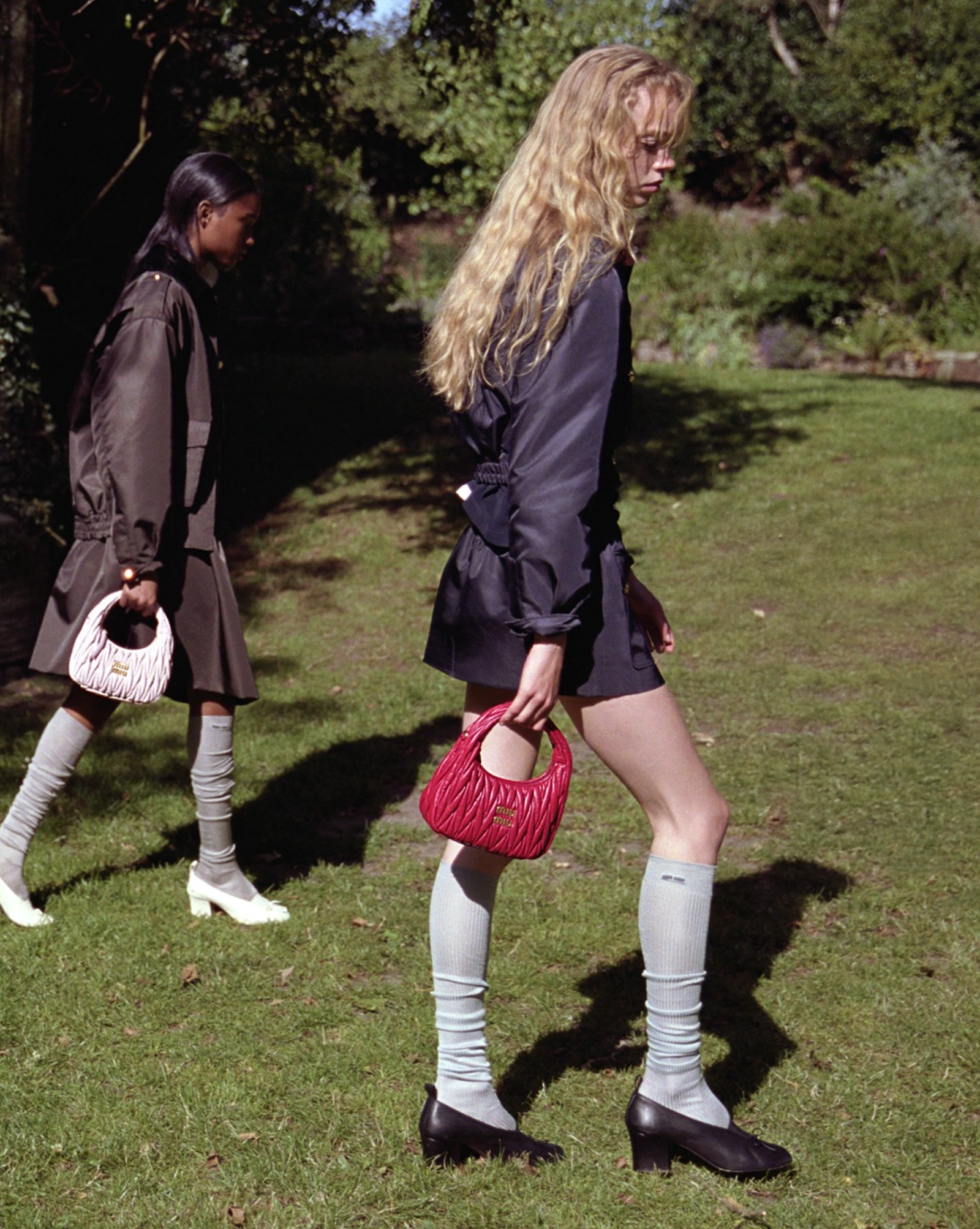
Miu Miu’s recent aesthetic is built from recurring contrasts: school-uniform references, micro skirts, cropped knits, exposed waistbands, ballet flats, aprons, tailoring, and deliberately unusual layering. The Guardian connected this irreverent styling with the brand’s visibility during a difficult period for luxury. (The Guardian)
Those choices also create a strong visual identity. The value is not that every customer dresses head to toe in the runway look. It is that the proportions, colors, shoes, bags, and styling combinations are distinctive enough to circulate in editorials, street style, and social references.
- Repeated styling codes improve recognition across campaigns and seasons.
- The look can be referenced or adapted by consumers without requiring a visible logo.
- Distinctiveness matters more than trying to appeal to every aesthetic at once.
Runway strategy: timing and styling create a launch moment
Miu Miu’s runway shows have become high-attention moments in the fashion calendar, with Lotta Volkova’s styling frequently discussed as part of the brand’s broader image. Vogue Business included Miu Miu among the fashion moments that generated significant conversation in 2024. (Vogue Business)
The useful point is not that a late Paris Fashion Week slot automatically guarantees attention. The runway works because it concentrates the brand’s codes into one highly visible presentation that editors, buyers, creators, and customers can then interpret across other channels.
Miu Miu staples keep the product story recognizable
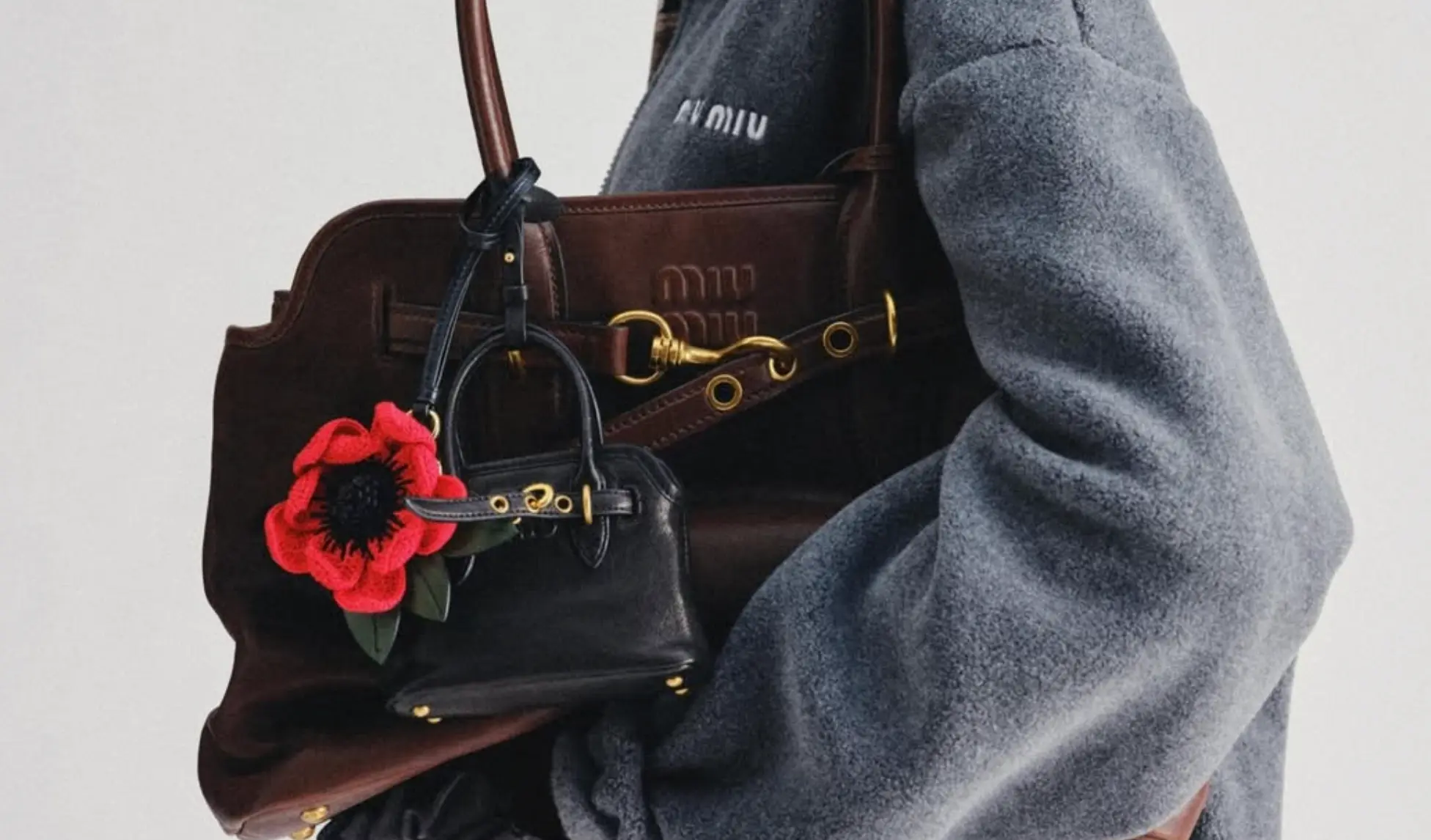
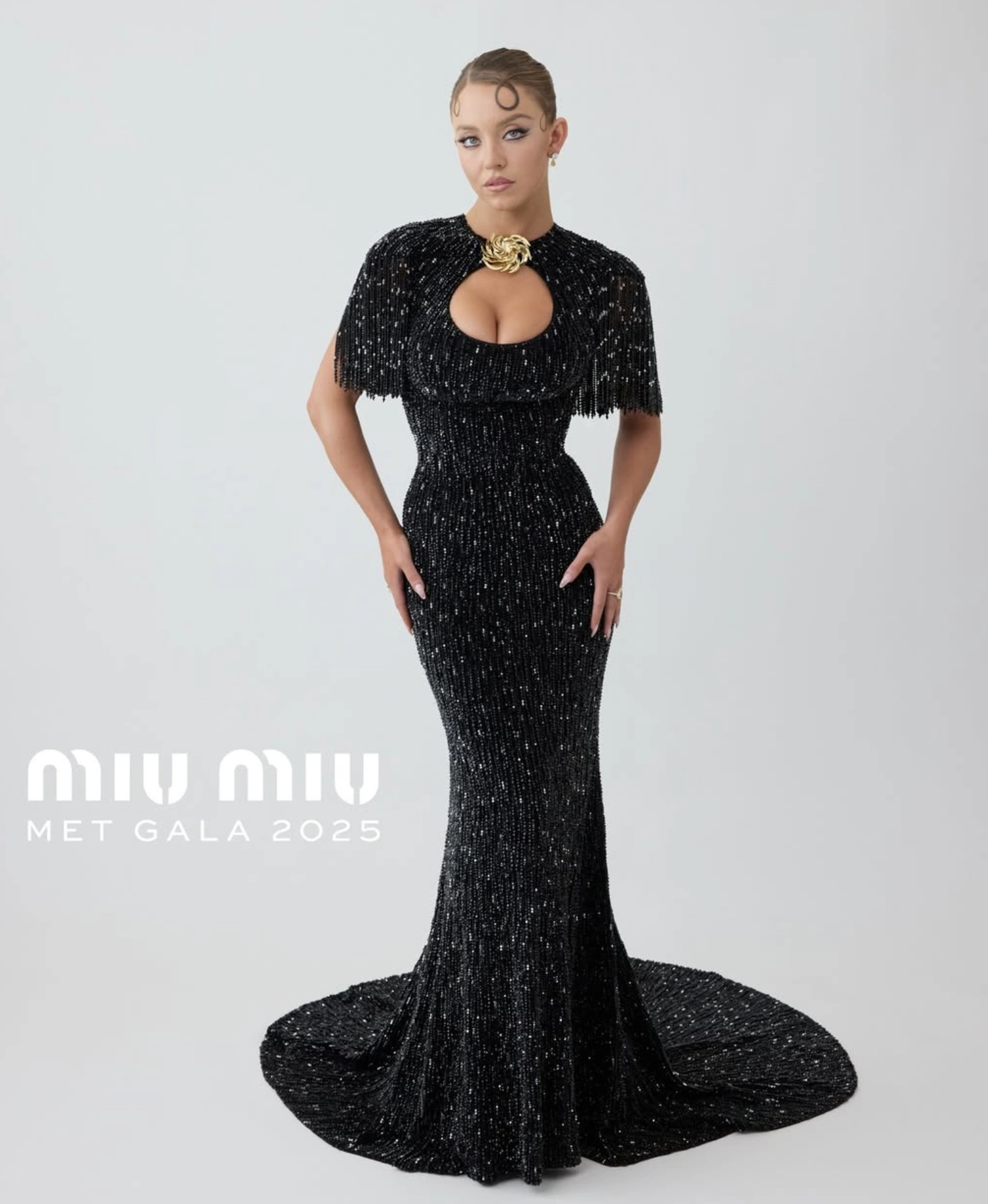
Behind the editorial imagery, Miu Miu repeats recognizable products across seasons. The Wander and Arcadie bags, ballet flats, mini skirts, cropped shirts, knits, and logo-waistband pieces give the brand a product vocabulary customers can identify. Miu Miu’s own Wander campaign is one example of how a leather-goods line receives dedicated storytelling. (Miu Miu Wander) The Guardian also highlighted bags, ballet flats, and other repeat products in its reporting on the brand’s rise. (The Guardian)
The original article also pointed to the grey Miu Miu fleece sweatshirt. Rather than claiming that “everyone” was wearing one, it is safer to treat the item as another example of how everyday wardrobe pieces can carry the same recognizable styling system.
- Hero products give the brand repeatable commercial anchors.
- Bags and shoes are especially visible in street style and editorial coverage.
- Repetition creates continuity while seasonal styling changes around the products.
Sport and sneakers: Miu Miu x New Balance with Coco Gauff
Miu Miu branding also moved into sport through its ongoing New Balance collaboration with Coco Gauff. Vogue covered the project as a fashion-performance crossover, while Miu Miu’s own project page describes co-branded versions of Gauff’s Coco CG2 tennis shoe and off-court 530 SL styles. (Vogue, Miu Miu) The collection became available from September 10, 2025 for a limited period.
This is a useful B2C marketing example because the collaboration reaches consumers through both performance sport and lifestyle fashion without requiring Miu Miu to abandon its existing codes.
View this post on Instagram
A post shared by Miu Miu (@miumiu)
Cultural vehicles: Women’s Tales and film
Since 2011, Women’s Tales has given Miu Miu a long-running cultural platform built around films commissioned from female directors. By late 2025, the archive had reached episode #30, while Miu Miu now describes the project as more than 30 episodes and the longest-running commissioning platform for female-led short films. (Miu Miu)
The program gives clothing a role inside narrative work instead of presenting every appearance as a conventional product campaign. That association between fashion and female authorship is reinforced through premieres, screenings, and related events.
- Women’s Tales gives the brand a recurring cultural format rather than a one-off sponsorship.
- The project connects Miu Miu with filmmakers and cinema audiences between fashion seasons.
- Its value is cultural continuity, not a directly measurable claim that every film drives sales.
Literary Club and broader worldbuilding
The Miu Miu Literary Club extends the same approach into books and ideas. The inaugural “Writing Life” event in Milan revisited work by Sibilla Aleramo and Alba De Céspedes through conversations, performances, and readings. (Miu Miu Literary Club) In 2025, “A Woman’s Education” continued the format around education, gender, and social expectations. (Miu Miu Literary Club 2025)
Film coverage reinforces the same worldbuilding strategy. Vanity Fair documented a Tales & Tellers event with filmmakers and performers connected to Women’s Tales. (Vanity Fair) Vogue Business has likewise used Miu Miu as an example of a luxury label investing in film beyond standard red-carpet sponsorship. (Vogue Business)
Social media and the “Miu Miu girl”
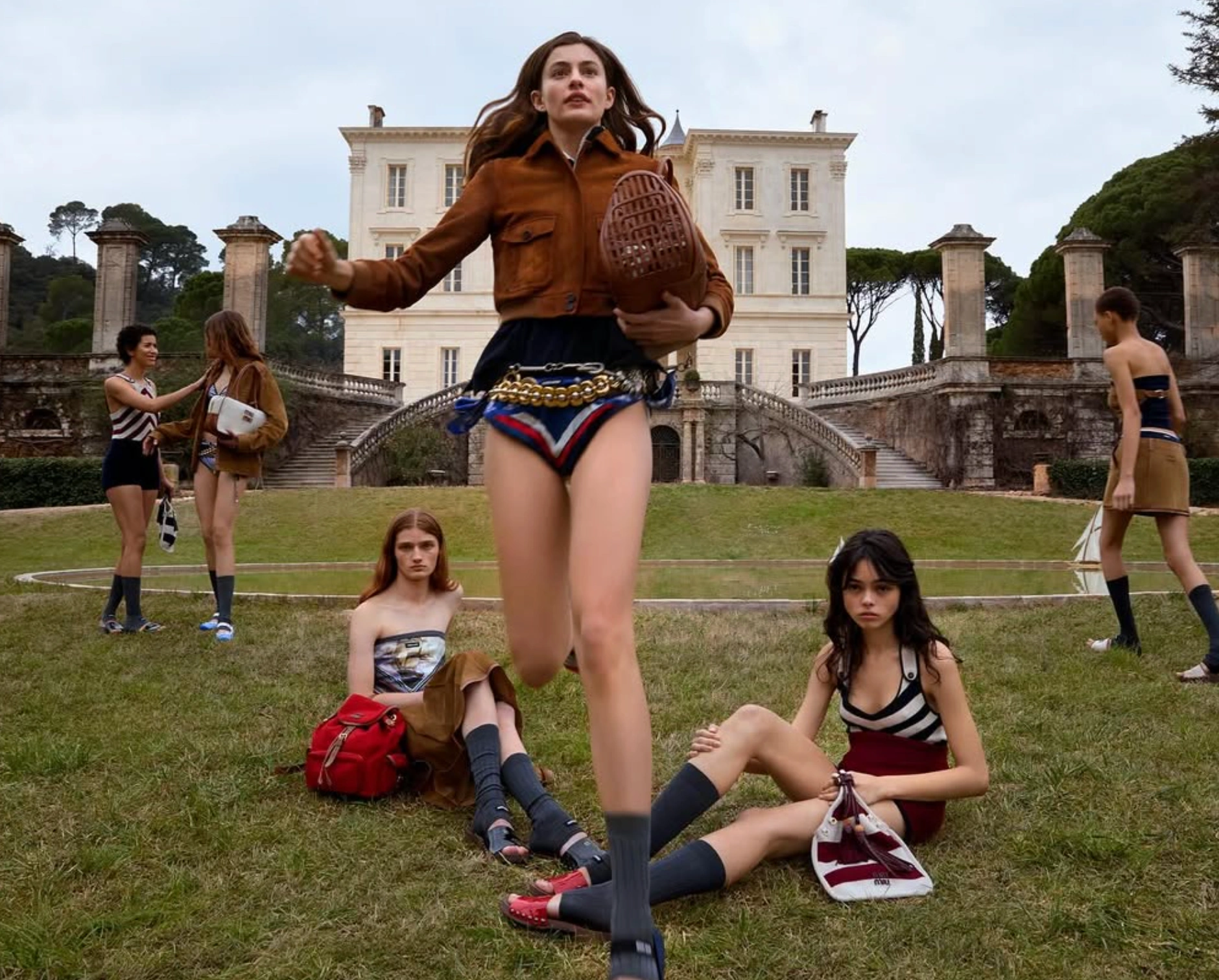
Fashion writers have described the “Miu Miu girl” as a recognizable online archetype, and the brand’s styling is frequently referenced through moodboards, outfit recreations, and adjacent trends. The Guardian noted how the look could be approximated through vintage and high-street pieces, which helps explain why the aesthetic travels beyond customers buying the exact runway outfit. (The Guardian)
That circulation is useful earned visibility, but it should not be treated as proof that social virality caused retail growth. Social attention, product demand, store expansion, assortment, pricing, and cultural relevance can move together without allowing one factor to be isolated from public data.
Financial results: strong growth, with the period clearly defined
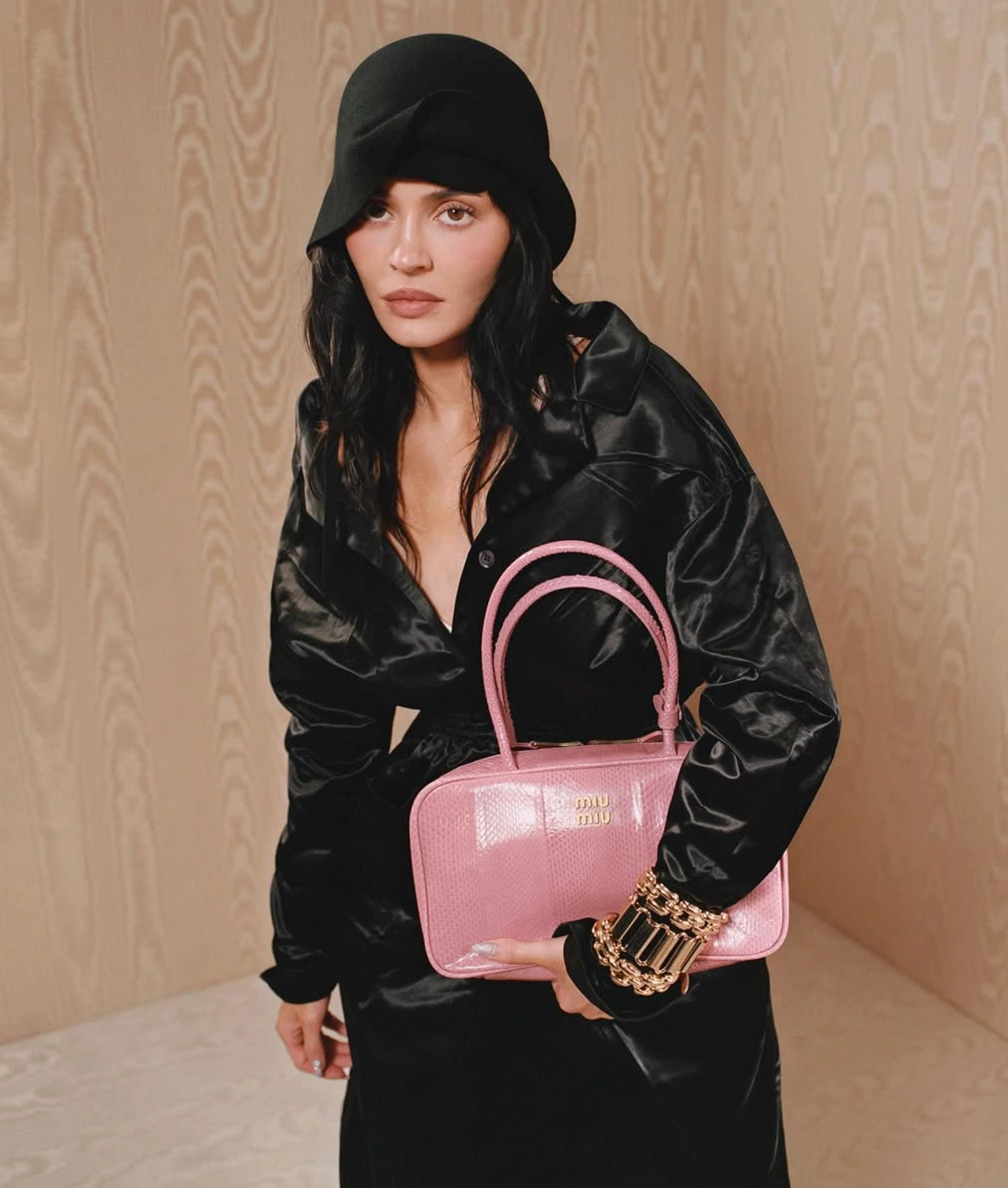
Prada Group reported Miu Miu retail sales growth of 93% for full-year 2024. In H1 2025, retail sales were up 49% year over year, and by the first nine months of 2025 growth was 41%, with Q3 itself at 29% against an exceptionally strong prior-year comparison. Those are retail-sales growth rates at constant currency, not group revenue growth and not interchangeable periods.
The October 2025 Prada Group release said Miu Miu’s nine-month growth was broad across categories and geographies and referred to the brand’s “captivating aesthetics.” (Prada Group 9M 2025) Reuters separately covered Miu Miu’s strong first-half contribution while the Prada brand contracted. (Reuters) AP contextualized the 2025 performance against the 93% retail growth achieved in 2024. (AP News)
These results support the conclusion that Miu Miu was a major growth driver for Prada Group. They do not isolate marketing as the cause. Product desirability, distribution, retail expansion, creative direction, pricing, and cultural activity are all part of the picture.
Lessons from Miu Miu’s marketing strategy
Miu Miu shows what can happen when product, aesthetics, and cultural activity reinforce the same identity. For marketers, the useful lesson is to choose a distinct point of view, repeat recognizable assets, and give the audience several ways to enter the brand world. The existing brand identity link remains relevant here because identity is broader than a logo. It includes the patterns that make campaigns, collaborations, products, and experiences feel related.
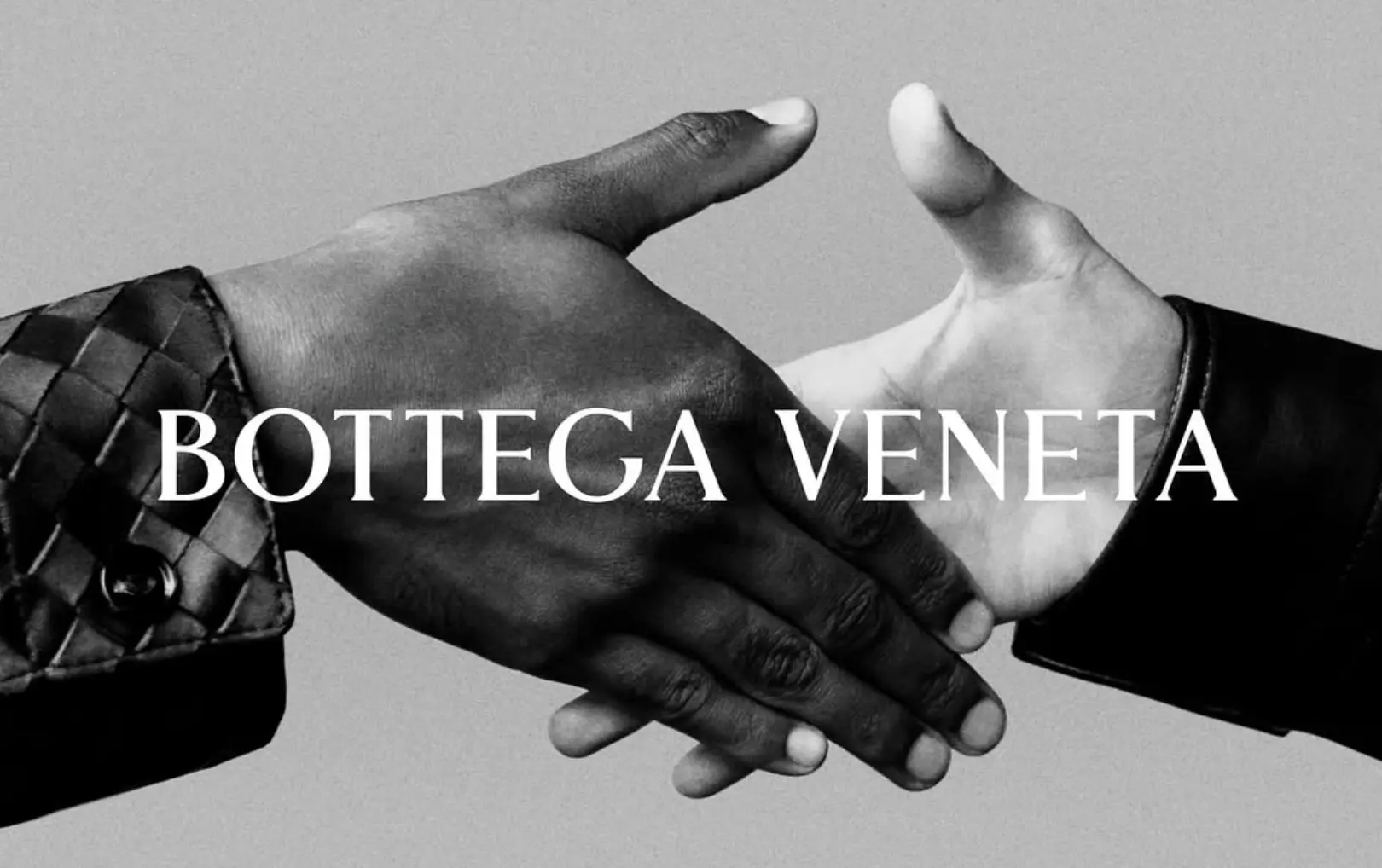
That same distinction appears in Brand Vision’s analysis of Bottega Veneta’s marketing strategy, where a very different luxury aesthetic still depends on consistency between product and brand codes. A branding agency can help define those systems without copying the surface style of either label.
FAQ
What is the core marketing strategy of Miu Miu?
Miu Miu combines a recognizable aesthetic, repeat hero products, carefully styled campaigns, collaborations, and long-running cultural projects. The strength comes from those elements reinforcing one another rather than from any single channel.
Why was Miu Miu’s 2025 performance significant?
After 93% retail-sales growth in 2024, Miu Miu still grew 49% in H1 2025 and 41% over the first nine months, despite difficult comparison periods. That made it an important growth contributor within Prada Group.
What is the Miu Miu aesthetic in simple terms?
It mixes preppy and school-uniform references with unusual proportions, visible underlayers, ballet flats, tailoring, and deliberately unexpected styling. The specific products change, but the tension between polished and disruptive elements stays recognizable.
A focused world travels further
Miu Miu’s 2025 story is less about one viral trend than about a brand world that stays recognizable across runway, products, sport, film, literature, retail, and social media. The financial growth is real; the exact contribution of each marketing activity is not publicly separable. That distinction makes the case more useful, because it points marketers back to the system rather than one tactic.
If your brand needs a clearer system connecting positioning, visual identity, products, and cultural expression, talk with Brand Vision about the next step.