Apple rarely leads with a dense list of specifications. Its marketing usually starts with a simple human benefit, then lets product design, retail, services, and partnerships reinforce the same promise. That approach was still visible across Apple’s 2025 launches. For anyone studying Apple’s marketing strategy, the useful pattern is consistency: product proof supports the message, privacy supports trust, and distribution makes the experience easier to buy into. That is also why Apple remains a useful reference point for any branding agency thinking about how strategy should carry across every customer touchpoint.
This article uses Apple’s 2025 activity as the evidence base, then translates those lessons into decisions businesses can apply in 2026. From a marketing agency perspective, the transferable ideas are positioning, product demonstration, retail experience, launch cadence, and the way multiple channels reinforce one another. Brand Vision did not create Apple’s campaigns; the value here is in analyzing what the public strategy makes visible.
At a glance
- Apple reported fiscal Q3 2025 revenue of $94.0 billion, up 10% year over year, with Services at an all-time high (Apple Newsroom).
- Apple Intelligence positioned privacy as part of the product promise through on-device processing and Private Cloud Compute (Apple Newsroom).
- Retail supported the brand through Today at Apple, specialist guidance, and online shopping assistance (Today at Apple).
- Trade-in and financing options reduced purchase friction without turning the core brand message into a discount story (Apple Trade In).
- Sports programming such as Sunday Night Soccer on MLS Season Pass and Friday Night Baseball created recurring attention between hardware launches (Apple TV+ Sports).
1) Brand DNA that still sells, from “1984” to Think Different
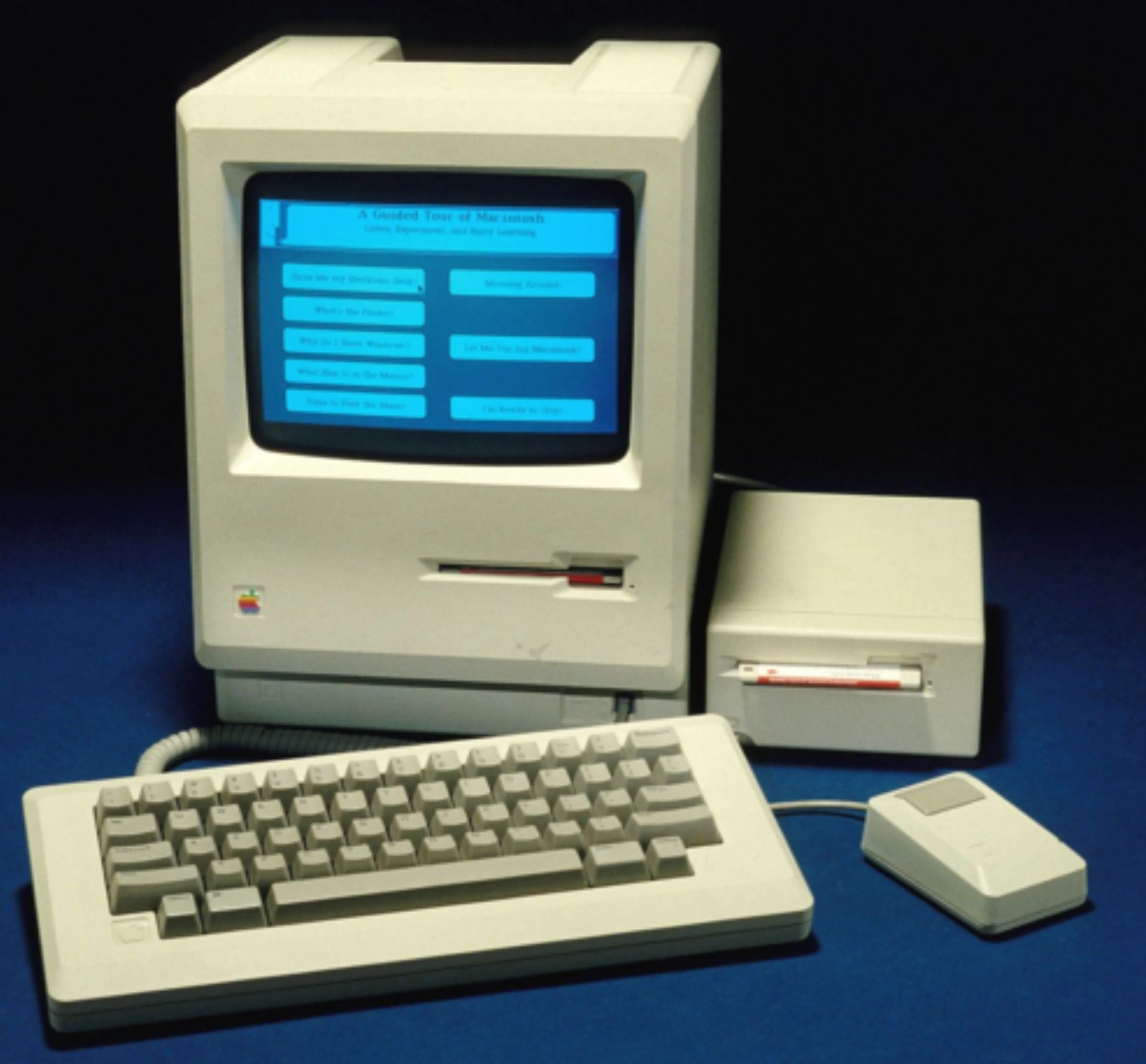
Apple built meaning before market share. “1984” made the computer a symbol rather than a spec sheet, and “Think Different” re-anchored the brand around creativity so later drops already had a story to step into. That identity still guides Apple marketing today, which is why new categories can launch with instant clarity and confidence (SSRN).
- “1984” premiered during Super Bowl XVIII and reframed the Mac as liberation.
- “Think Different” in 1997 reset the voice around creative misfits and purpose.
- Lesson that powers Apple’s marketing strategy: lead with meaning, then deliver.
2) Product as hero, story as wrapper
Apple lets the device demonstrate the claim, then wraps that proof in a simple idea people can remember. The decade-long “Shot on iPhone” platform turned customer-created imagery into part of the media system, while launch films and product demonstrations made features easier to understand. For teams working in technology marketing, the lesson is not to copy Apple’s aesthetic. It is to make the product benefit visible enough that the story feels earned (Adweek).
- “Shot on iPhone” compiles social proof at billboard scale.
- “Shot on iPhone” won the 2025 Creative Effectiveness Grand Prix and turned users into the media. (Cannes Lions)
- Show first, tell second, then let the ecosystem echo it.
3) Privacy as promise, not just a feature
Privacy has become a recurring part of Apple’s product language. Apple Intelligence reinforced that position with on-device processing and Private Cloud Compute for requests that require larger models. Apple says data handled through Private Cloud Compute is not stored or made accessible to Apple and is used only to fulfill the request. The marketing lesson is that a technical capability becomes easier to communicate when it connects to an established brand promise (Apple Security).
- Clear positioning keeps complex ideas simple to accept.
- Feature names describe benefits people can feel in daily use.
- Trust lowers the barrier to trying new on-device intelligence.
4) The ecosystem flywheel and Services as amplifier
The message does not end at the ad. Devices connect customers to Services, and Services give Apple more reasons to stay present between hardware purchases across TV+, Music, Arcade, iCloud, Fitness, and News. Apple’s fiscal Q3 2025 results showed Services at an all-time revenue high, which makes the ecosystem an important part of the company’s commercial story even though the earnings release does not attribute that record to any single marketing tactic (Apple Newsroom).
- Services revenue reached an all-time high in the June quarter. (Apple Newsroom)
- Apple One keeps households inside the loop with a single bill.
- The flywheel compounds attention into revenue.
5) Retail as media: stores, sessions, and live video
Apple treats retail as part of the brand experience, not just a checkout channel. Today at Apple turns stores into learning spaces, Personal Setup extends support after purchase, and Shop with a Specialist over Video gives customers a guided, one-way video session online. Together, those touchpoints keep product education close to the moment of purchase (Today at Apple).
- Architecture, programming, and staff turn demos into decisions.
- Video shopping answers fit, color, and setup questions in real time.
- Post-purchase setup extends the experience beyond the checkout.
6) Distribution is marketing: trade-in, carrier credits, Tap to Pay
Apple uses distribution and purchase tools to reduce friction around a premium-priced product. Trade-in can lower the effective upgrade cost, carrier offers can support major iPhone launches, and Tap to Pay on iPhone expands how merchants can accept contactless payments without separate payment hardware. The broader marketing lesson is that access, financing, and setup can influence the customer experience even when they are not part of the advertising idea (Apple Trade In).
- Back to School bundles target students without blanket discounts.
- Installments through partners live inside Apple Pay for simplicity.
- Tap to Pay turns iPhone into a payment terminal for small sellers.

7) Weekly tentpoles that keep attention warm
Live sports gave Apple recurring programming moments between hardware launches. In 2025, MLS Season Pass introduced Sunday Night Soccer as a featured weekly match, while Friday Night Baseball continued to create a regular sports rhythm inside Apple TV. That cadence gives Apple predictable opportunities to promote subscriptions, devices, and related programming without waiting for a product keynote (Apple Newsroom; Apple TV+ Sports).
- Soccer on Sundays and baseball on Fridays set a weekly cadence.
- Cross-promotion puts offers where fans already watch.
- Selected sports programming gives Apple TV+ subscribers recurring reasons to return between major releases.

8) Developer trust as quiet marketing
Developer economics and platform rules also shape how attractive the ecosystem is to builders. Apple’s App Store Small Business Program offers qualifying developers a reduced 15% commission on paid apps and in-app purchases, while qualifying auto-renewing subscriptions also receive a lower commission after the first year. Those policies sit alongside tools, review processes, and privacy information that developers and customers have to navigate (App Store Small Business Program).
- Reduced commission programs can make the platform more attractive to qualifying developers.
- Privacy information gives customers another signal to consider on App Store product pages.
- A strong developer ecosystem gives Apple more apps and services to support the value of its devices.
9) Education pipeline that starts habits early
Education is another place where Apple combines product distribution with learning support. Apple School Manager, Apple Teacher, and education-focused resources help schools deploy devices and help educators learn the platform. From a marketing perspective, that creates familiarity through use rather than relying only on advertising (Apple Education).
- Deployment at scale is admin-friendly with managed accounts.
- Free professional learning keeps teachers confident.
- Creative and classroom workflows build familiarity with Apple tools over time.
10) B2B that sells outcomes, not hype
In enterprise, Apple positions its business offer around deployment, device management, support, security, and employee workflows rather than consumer-style product hype. Apple Business Essentials bundles device management, support, and storage for small and midsize organizations, while customer stories help show how products fit into real operations. That evidence-led approach is relevant to B2B marketing, where multiple stakeholders often need proof before a purchase is approved (Apple Business Essentials).
- One subscription covers MDM, support, and iCloud storage.
- Business Manager centralizes rollout and control.
- Case studies translate brand promise into operational wins.
The 2025 scorecard
The financial results do not prove that any one marketing tactic caused Apple’s performance, but they show the scale of the ecosystem the strategy supports. For fiscal Q3 2025, Apple reported a June-quarter revenue record and an all-time high for Services revenue. (Apple Newsroom)
- Q3 FY2025 revenue was 94.0 billion dollars, up ten percent year over year; Services hit a record. (Apple Newsroom)
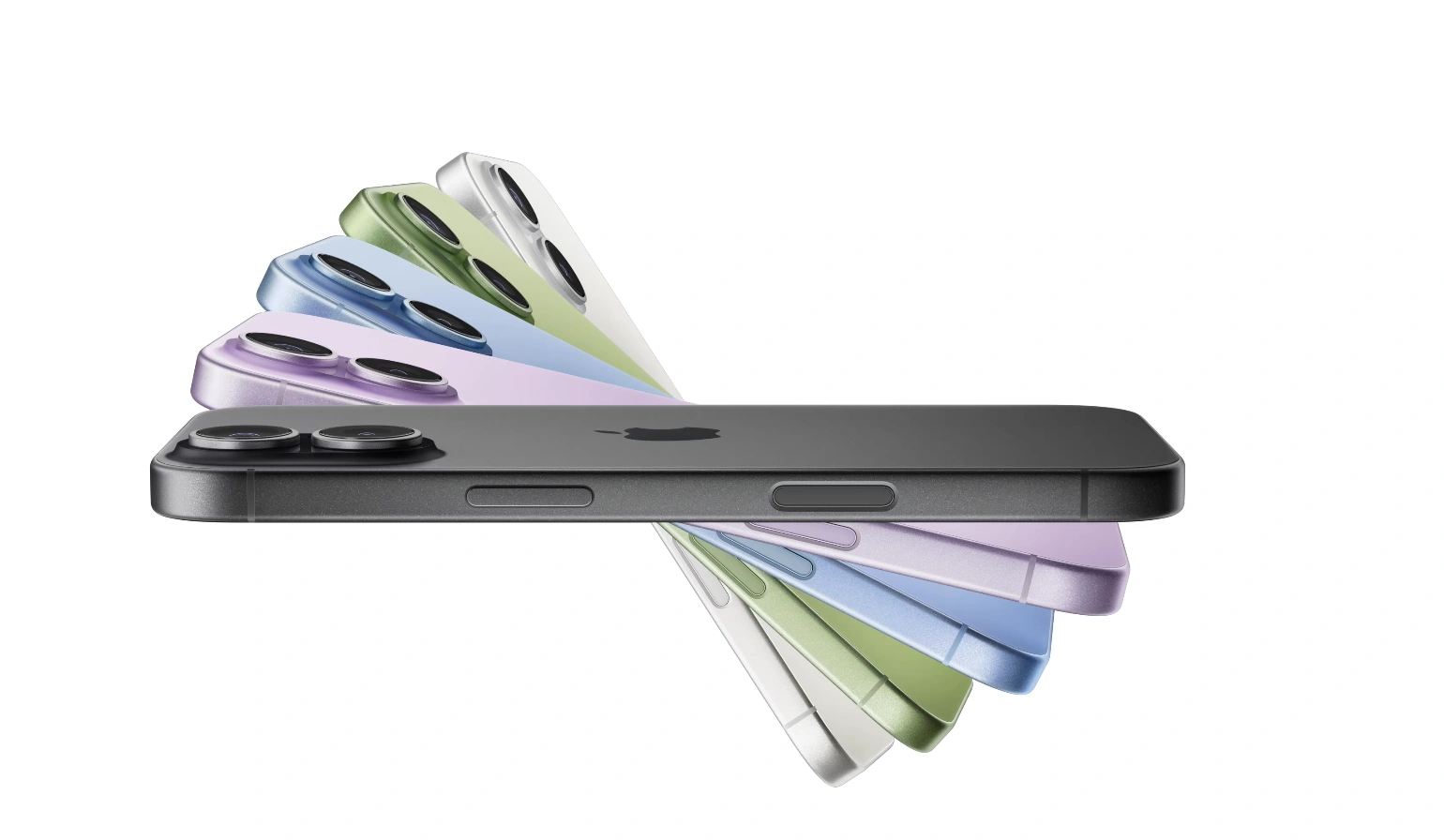
- iPhone 17 went on sale in September 2025, extending Apple’s launch calendar into the fall. (Investor’s Business Daily)
- Takeaway: the flywheel still spins because product, privacy, and placement reinforce one another.
FAQ
What is Apple’s marketing strategy?
Make the product the hero, turn privacy into a promise, and use the ecosystem so every launch ripples across services, retail, and partners.
What changed in Apple’s marketing strategy 2025?
Apple Intelligence made the privacy story concrete with Private Cloud Compute, while Sunday Night Soccer added a weekly broadcast ritual for the brand.
Does Apple rely on heavy discounts to drive demand?
No, it uses targeted promotions like trade-in, education bundles, and carrier credits that keep the brand premium.
How does retail fit into Apple marketing today?
Stores behave like media with Today at Apple sessions, live video consults, and high-profile reopenings that turn launches into community events.
Why is privacy important to Apple’s marketing?
Privacy gives Apple a consistent way to explain product design choices, especially around Apple Intelligence, on-device processing, and Private Cloud Compute.
How Business Owners Can Apply Apple’s Strategy In 2026
Apple’s marketing is useful to study because the message, product proof, retail experience, and ecosystem generally reinforce one another. Businesses do not need Apple’s scale to borrow that discipline. For companies planning growth across U.S. markets, U.S. branding and marketing support is most useful when positioning, launch planning, web experience, and acquisition channels are treated as one system rather than separate projects.
If you’re building that kind of brand system, focus on a few moves that compound rather than chasing short spikes. Strong brand strategy and clear visual identity help people recognize the promise, while high-performance web design services make the experience easier to understand after the click. When discoverability matters, a steady SEO strategy can support demand without relying only on paid distribution.
Actionable takeaways you can apply this quarter
- Build a sharper narrative, then express it consistently across your site, product pages, email flows, and social, starting with your branding foundation.
- Turn proof into the hero. Use demos, customer examples, and before-and-after stories, then make sure the post-click experience is supported by strong UI/UX design.
- Remove friction without cheapening the offer. Improve checkout clarity, onboarding, and support through better website design and development services.
- Make distribution part of marketing. Pair partnerships and offers with smarter acquisition and retention loops through search engine optimization.
- Audit your whole system, not just ads. A focused marketing consultation can reveal where your story breaks between awareness and purchase.
The Final Word
From “1984” to privacy-focused AI, Apple’s channels and products have changed more than its underlying marketing discipline. The 2025 playbook shows the value of product proof, a recognizable promise, recurring customer experiences, and distribution that supports the positioning. Those are the parts worth carrying into 2026. Brand Vision’s role is not to copy Apple, but to help businesses build a system that is equally clear about what the brand promises and how customers experience it.