The best Halloween campaigns of 2025 used more than seasonal visuals. They gave people products to collect, places to visit, menus to try, or digital tools to use. From horror-IP packaging and limited menus to pop-ups, retail environments, and virtual try-on, these campaigns show how brands can make a short seasonal window feel larger without pretending every activation produced a measurable sales lift. This retrospective focuses on the campaign mechanics that were publicly documented in 2025.
At a glance
- Global brand moment: Fanta partnered with Universal/Blumhouse to put horror icons on collectible cans and cinema activations worldwide (The Coca-Cola Company).
- QSR showpiece: Burger King launched a Monster Menu with iconic-monster twists on favorites for October (Burger King Newsroom).
- Packaged-goods buzz: Heinz debuted “Mayo Halloween” in Brazil with classic-horror creative and a jet-black mayonnaise made with black garlic (LBBOnline).
- Beverage shelf theater: Bacardí rolled out a limited Skeleton Bottle and high-impact Halloween activations (PR Newswire).
- Retail engine: Spirit Halloween expected to open 1,500+ seasonal locations and promoted its seasonal costume and decor assortment (Spirit Halloween Press Room).
1) Fanta x Universal/Blumhouse: horror icons on cans
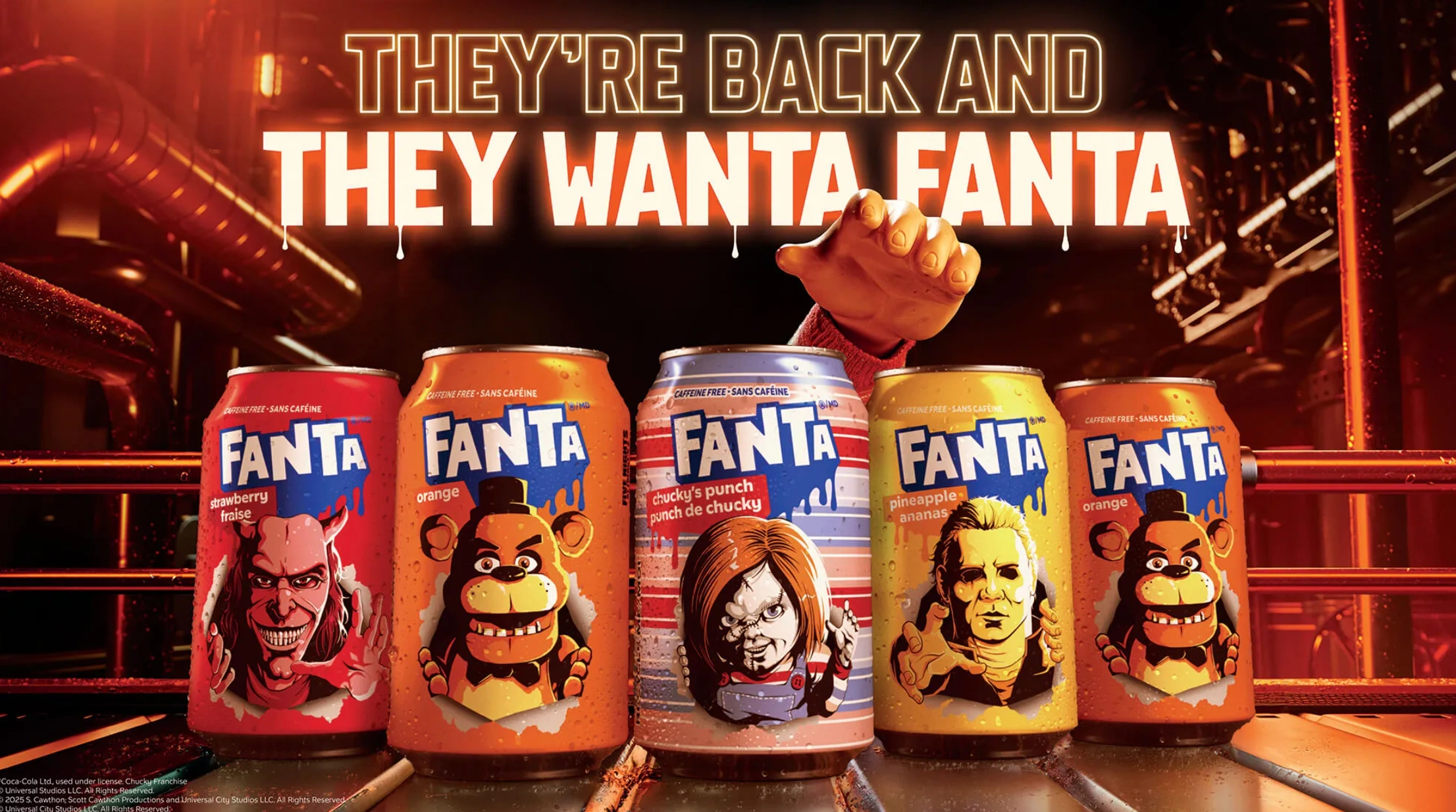
Fanta partnered with Universal Pictures and Blumhouse for a global campaign that placed horror characters across limited-edition packaging, retail and cinema experiences, QR-led digital content, and influencer-driven social activity. That breadth made the packaging work as both product and media. For marketers, the lesson is how campaign graphics can carry one recognizable idea across physical and digital touchpoints without requiring every market to invent a separate seasonal identity (The Coca-Cola Company).
- Collectible packaging and entertainment tie-ins gave the campaign several reasons to be noticed beyond a standard seasonal label change.
- A consistent visual system helped the campaign remain recognizable across markets and channels.
2) Burger King: the Monster Menu
Burger King launched its first Monster Menu at participating U.S. restaurants on September 30, 2025, turning familiar menu items into monster-themed limited editions. The strength of the idea was operational: the product names, food styling, packaging, restaurant experience, and promotional creative could all reinforce the same seasonal concept. It is a useful food and beverage marketing example because the menu itself carried much of the campaign story (Burger King Newsroom).
- A themed product system gives social, restaurant, and promotional channels a shared creative device.
- A limited seasonal window creates a clear reason to communicate now, without requiring claims about incremental sales.
3) Heinz Brazil: “Mayo Halloween”
Heinz Brazil launched a jet-black “Mayo Halloween” made with black garlic and paired the product with classic horror styling. The campaign worked because the product itself carried the seasonal idea, giving retail, PR, and social content a concrete object to show. For B2C marketing, that is a useful reminder that a limited product can become the creative platform rather than merely appearing inside an ad (LBBOnline).
- A visually distinctive product can create additional editorial and social angles around the launch.
- The black-and-white horror treatment gave the seasonal design a coherent point of view.
4) Bacardí: skeleton bottle and high-impact activations
Bacardí introduced a limited-edition Skeleton Bottle and paired it with Halloween cocktail recipes and event-driven activations. The collectible bottle gave bars and home displays a visible seasonal object, while cocktail recipes and events gave the campaign additional content formats. The activations extended the packaging idea into in-person experiences. A strong CPG example among the best Halloween campaigns of 2025 for linking packaging, on-premise, and social video (PR Newswire).
- Limited-edition packaging + recipes = turnkey content.
- Event footprint seeds premium photo/video.
5) Dunkin: menu drop, bucket merch, and a spider onesie
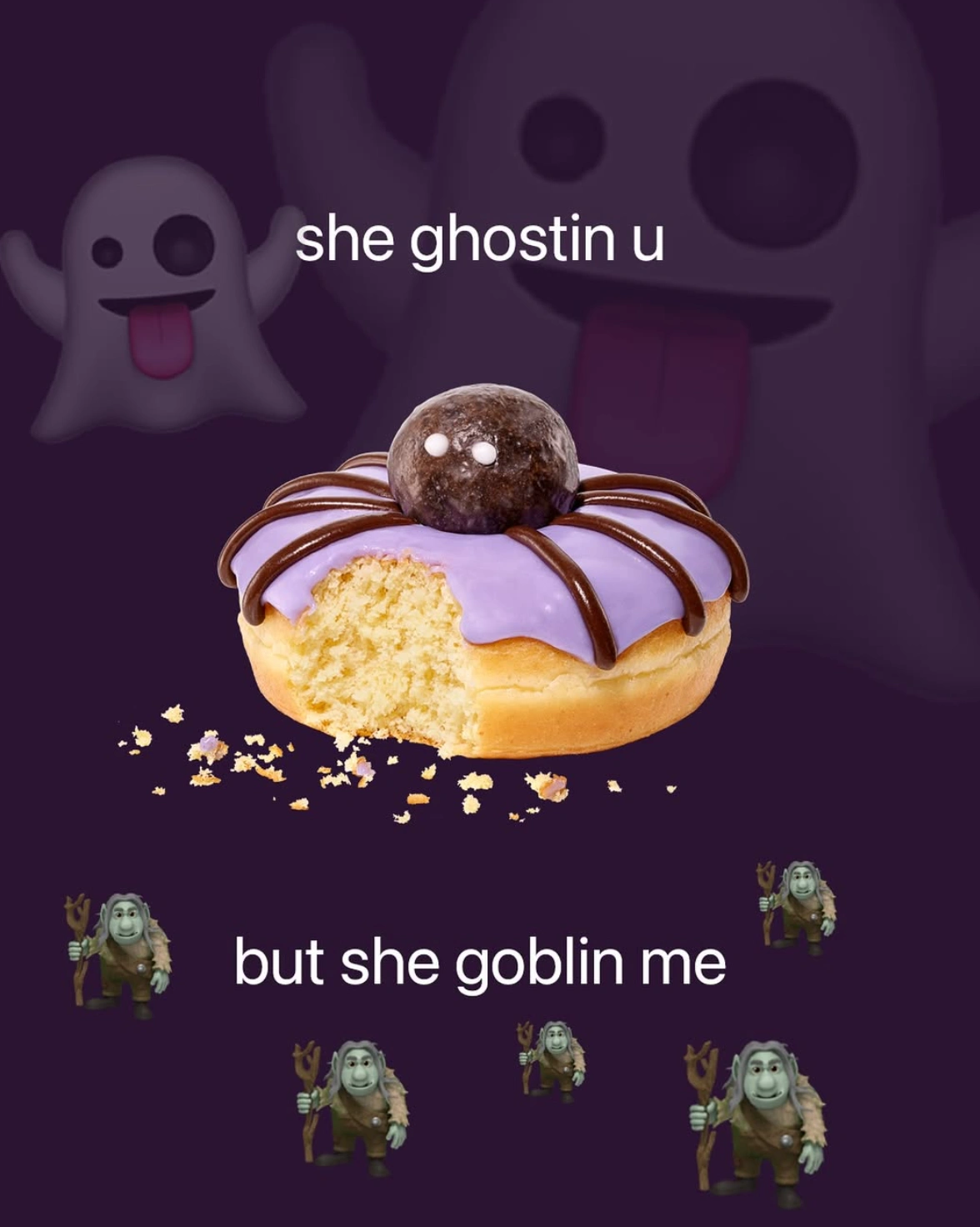
Dunkin’s Halloween push mixed a new Candy Bar Signature Latte with returning favorites like the Spider Donut and a refreshed Munchkins Bucket design. The brand extended the universe with playful merch, including a Spider Donut onesie and plush items. The October 15 launch left just over two weeks before Halloween for the menu and merchandise rollout. It is a useful example of combining food, packaging, and merchandise under one seasonal system (People).
- Food + collectible bucket = trick-or-treat utility.
- Merch makes the menu newsworthy beyond food media.
6) Haribo: Sour Sodas pop-up in the “Sourest City”
Haribo premiered Sour Sodas gummies with a Halloween-timed pop-up in Houston, declared the “Sourest City in America” based on sales data. The Houston pop-up offered the first 1,000 guests an early taste before a broader release had been confirmed. That made the event a controlled launch moment with a clear local hook. It is better understood as a sampling and awareness tactic than as proof that the pop-up measured demand or functioned as formal product research (Allrecipes).
- A city-specific launch can give local media and creators a concrete event to cover.
- Limited early access creates a distinct launch window while broader availability is still pending.
7) HI-CHEW: House of Mystery flavor hunt
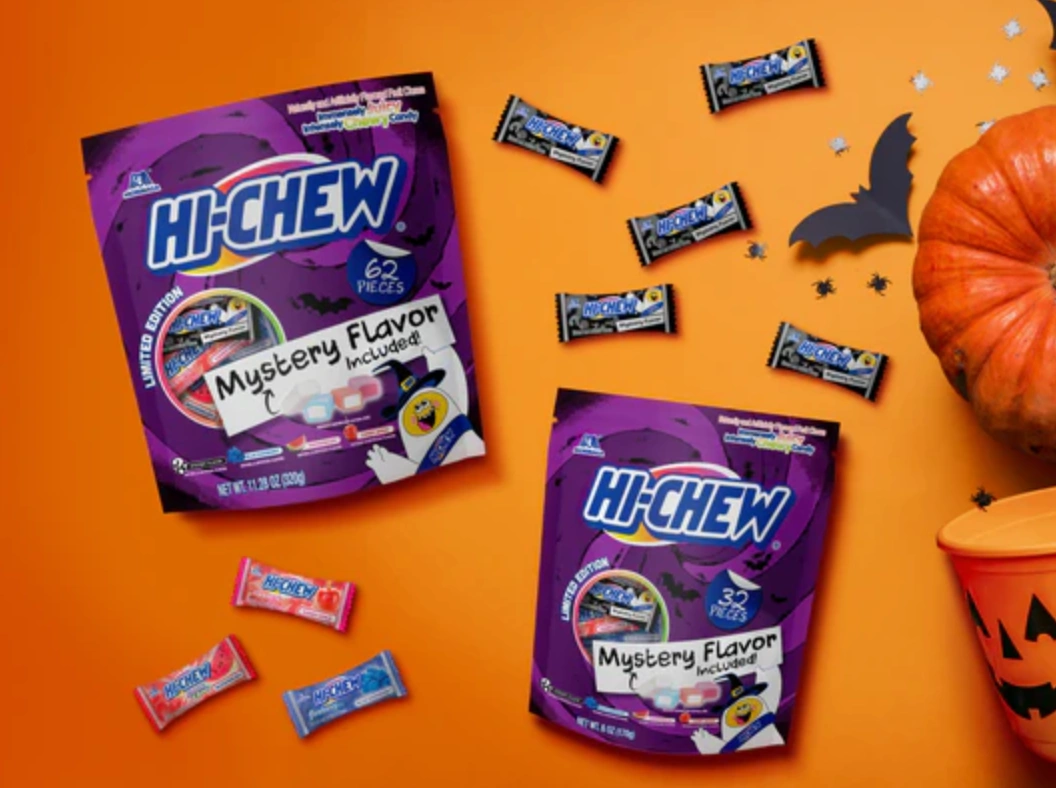
HI-CHEW staged its House of Mystery at Irvine Spectrum from October 24 to 26 around a limited Mystery Mix and a flavor-guessing challenge that culminated in a Halloween-day reveal. The mechanic connected an in-person event with an online guessing game, giving the campaign multiple scheduled content moments. For a regional brand planning an activation with a Los Angeles branding agency, the useful lesson is to make location, product, and participation support the same idea rather than adding geography as decoration (PR Newswire).
- The mystery mechanic created several planned beats: launch, event participation, guessing, and reveal.
- The limited mix gave the guessing game a tangible product anchor.
8) Spirit Halloween: 1,500+ stores and trend-setting PR
Spirit Halloween expected to open more than 1,500 seasonal locations across North America in 2025, turning the physical store network into the campaign platform itself. Its Madison Scare Park in-store experience, costume assortments, decor, and local store openings created many repeatable media angles. The scale is documented; a specific 50,000-person 2025 hiring figure is not supported by the cited opening release, so that claim has been removed (Spirit Halloween Press Room).
- A large seasonal store network creates repeatable local openings and in-store stories for earned media.
- Costume and decor assortments give seasonal editors concrete products and themes to cover.
9) LEGO: seasonal sets and Brick-or-Treat
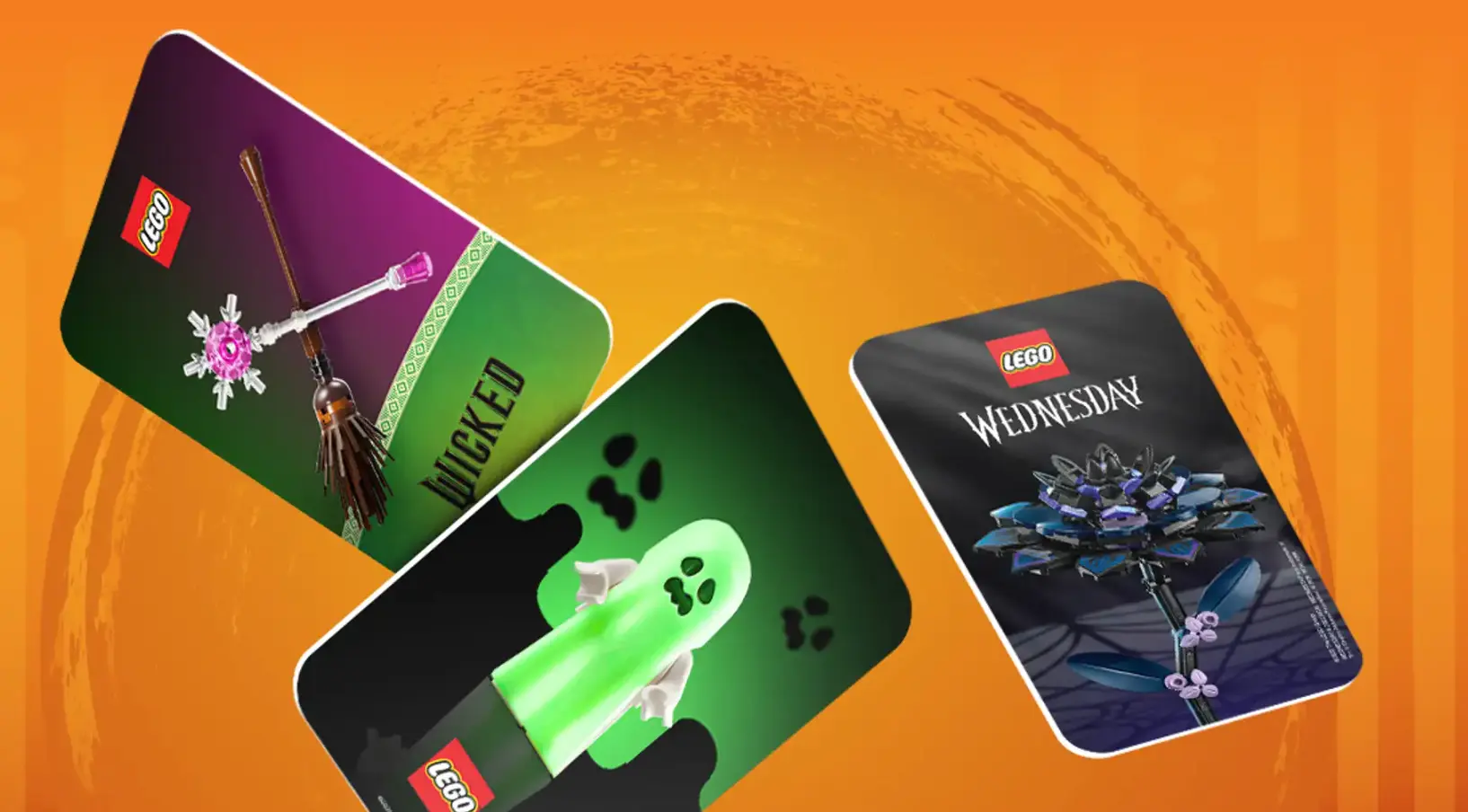
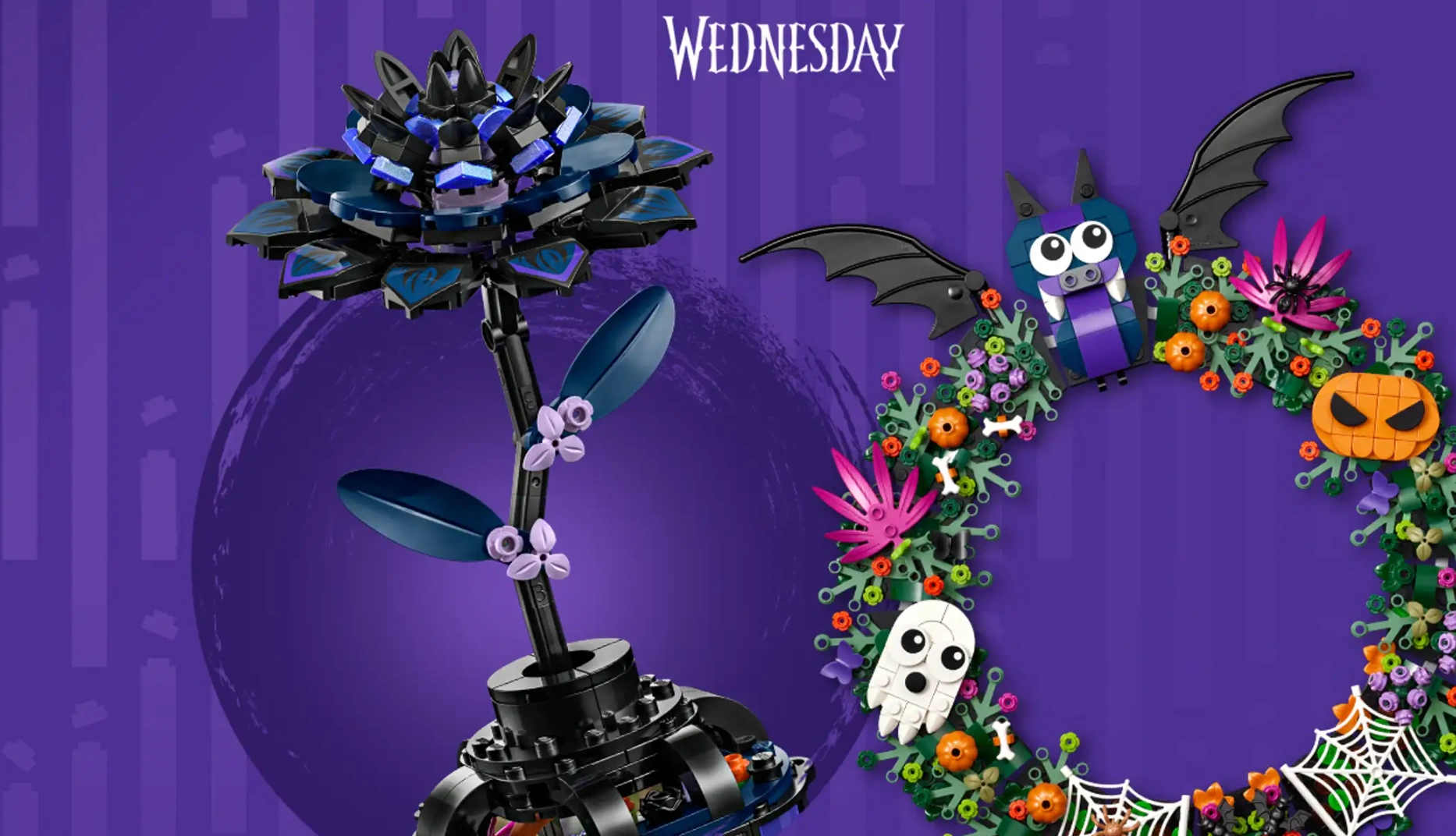
LEGO connected seasonal products with the Brick-or-Treat Monster Party at LEGOLAND California, which ran on select dates from September 20 through November 1, 2025. The result was a useful bridge between retail products and an in-person destination experience. In travel and hospitality marketing, this is the stronger lesson: seasonal programming can extend a brand world into a visitable experience (The Brick Fan; LEGOLAND California).
- Product reveals create an earlier planning window, while the park event gives families a physical seasonal experience.
- Seasonal SKUs diversify gift and décor ideas.
10) IKEA: KUSTFYR decor collection
IKEA brought back its KUSTFYR Halloween collection in 2025 with decor, lighting, textiles, bags, and party accessories across a coordinated seasonal system. Rather than assuming specific basket effects, the clearer marketing lesson is consistency: one visual identity can make many small products read as a single campaign at shelf, online, and in editorial imagery (IKEA).
- A range of accessible price points gave shoppers multiple entry points into the collection.
- Distinctive seasonal products gave editors and shoppers clear hero items to feature.
11) Maybelline: try-on-if-you-dare beauty hub
Maybelline used a centralized Halloween makeup hub with tutorials, product links, and virtual try-on. The value is functional as well as editorial: the content helps shoppers move from inspiration toward a product choice. Good web design and UI UX matter in this kind of seasonal experience because the tutorial, try-on tool, and shopping path need to feel connected. The source supports the feature set, but not a claim that AR increased time on site (Maybelline).
- Tutorials and virtual try-on give shoppers more information before choosing a look.
- A persistent seasonal hub can connect inspiration content with relevant product paths.
12) Dunkin (merch spotlight): the Munchkins Bucket returns
This second Dunkin section is a merch spotlight rather than a separate campaign. The returning Halloween Munchkins Bucket used Spider Donut-themed artwork, linking a functional take-home item to the same character system featured in the menu and merchandise. Treating it as a sub-campaign keeps the list honest while showing how one seasonal asset can move across food, packaging, and merchandise (Allrecipes).
- Functional merch extends the brand into neighborhoods.
- Cross-promo between bucket art and hero donut keeps the story tight.
Related Readings:
FAQ
What made these Halloween campaigns notable in 2025?
They used clear seasonal ideas across tangible products, retail environments, events, or digital tools. The list highlights documented execution rather than claiming a single comparable performance metric across all brands.
Which campaign had the widest global footprint?
Fanta’s partnership was explicitly described by The Coca-Cola Company as global, spanning packaging, retail, real-world experiences, digital content, and social activity.
Which activation best blended physical and digital?
HI-CHEW connected an Irvine pop-up with an online flavor-guessing game and Halloween-day reveal, creating a documented bridge between physical participation and digital follow-up.
What retail presence set the tone for Halloween campaigns 2025?
Spirit Halloween’s 1,500-plus expected locations and immersive in-store experience gave the brand a large physical footprint across North America.
Marketing Excitement for Halloween
The strongest pattern across these 2025 Halloween campaigns was participation. Packaging became collectible, menus became seasonal worlds, pop-ups gave product launches a place, and digital tools helped shoppers act on inspiration. From an agency perspective, the reusable lesson is to choose one seasonal idea and make product, creative, channel, and customer experience reinforce it. Businesses that need help turning that idea into a consistent system can work with a branding agency or start with a focused marketing consultation to clarify the campaign structure before production begins.