Video has become one of the most influential communication tools for modern businesses. From promotional campaigns to educational content, brands increasingly rely on video to connect with their audiences. However, the impact of video depends largely on how it is edited. Using the right tools — including a dependable mkv video editor helps creators produce high-quality visuals that reflect professionalism and consistency. For those exploring editing options for MKV files, this overview of MKV video editors offers valuable insights into working with this widely used format.
How Editing Influences Brand Perception
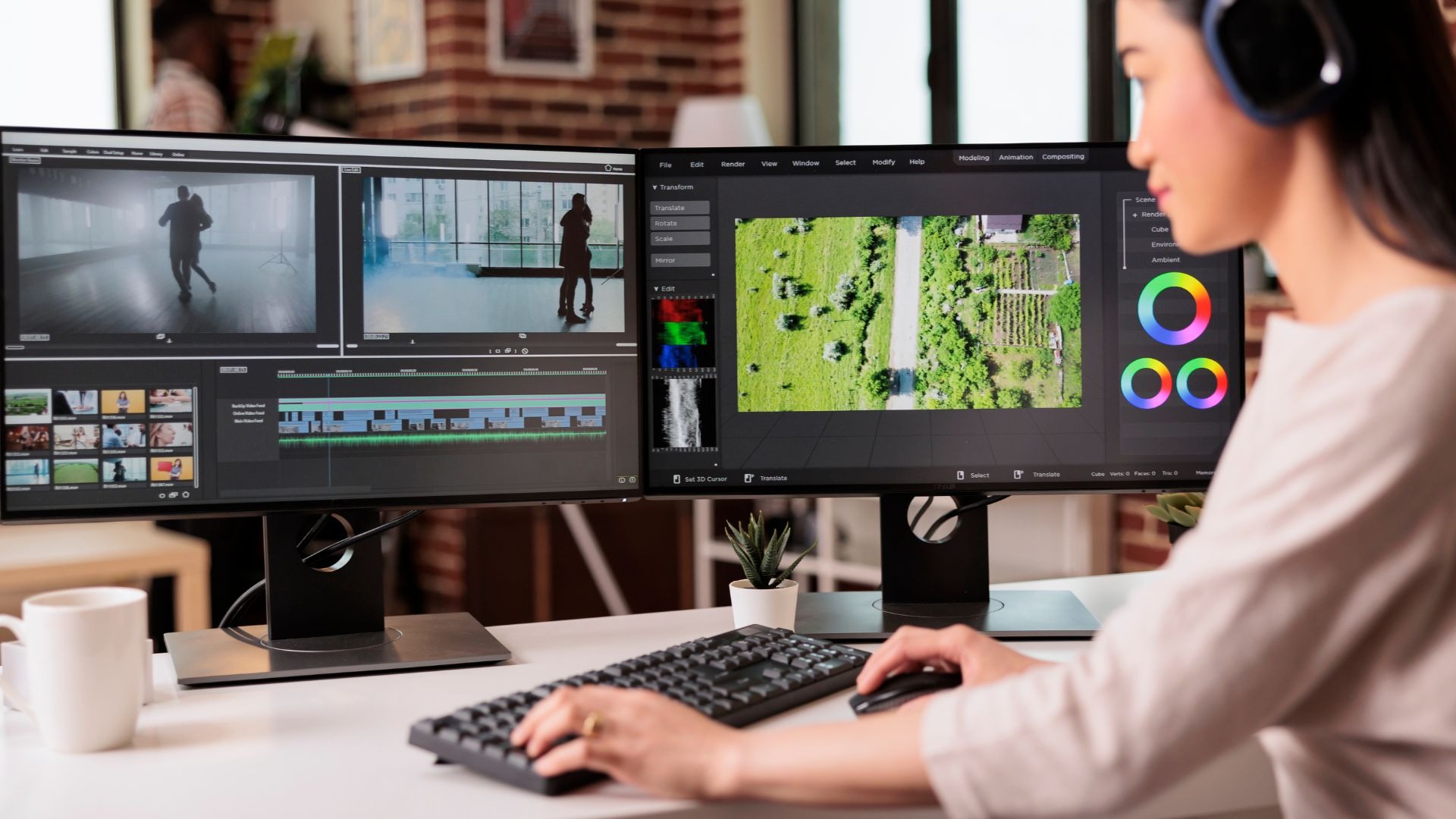
Editing determines how a message is delivered, not just what is shown. The pace of a video, the timing of cuts, the clarity of audio, and the visual flow all affect how viewers interpret a brand. Videos that feel disorganized or poorly structured can reduce trust, even if the product or service itself is strong. In contrast, well-edited content creates a sense of reliability and competence.
Brand perception is often shaped within the first few seconds of viewing. Clean transitions, balanced sound, and cohesive visuals help establish credibility quickly. Through editing, brands can highlight key moments, guide viewer attention, and create emotional responses that support their overall identity.
Maintaining Consistent Brand Messaging
Consistency is one of the foundations of effective branding. When videos follow a recognizable style — similar color tones, fonts, pacing, and visual elements — audiences begin to associate that look and feel with the brand. Editing is the process that ensures this consistency across all video content.
Handling different video formats is a common challenge in maintaining uniform quality. MKV files are frequently used for high-resolution video because they support multiple audio tracks and subtitles. A capable mkv video editor allows creators to work with these files efficiently, making it easier to preserve quality while aligning videos with established brand guidelines.
Improving Engagement Through Thoughtful Editing
Audience engagement is directly influenced by editing choices. Videos that move too slowly or feel cluttered often lose viewers early. Effective editing removes unnecessary elements, strengthens storytelling, and keeps the content focused. Strategic use of visuals, text overlays, and sound design encourages viewers to stay engaged and absorb the message.
Marketing studies frequently highlight that video content with clear structure and strong visual flow performs better in terms of retention and recall. Educational platforms and editorial resources such as HubSpot and Wistia emphasize that editing plays a key role in transforming raw footage into compelling brand communication.
Adapting Content for Multiple Channels
Brands rarely rely on a single platform to share video content. Websites, social media networks, email campaigns, and online presentations all require different formats and lengths. Editing makes it possible to adapt a single video concept into multiple versions without losing its core message.
This flexibility is especially important for companies that regularly update content or repurpose existing footage. A streamlined editing process helps ensure that every version remains consistent, professional, and aligned with brand values.
Conclusion
Video editing is a strategic asset for any brand using visual content to communicate. It shapes perception, strengthens messaging, and supports long-term brand recognition. By using the right editing tools and focusing on consistency and quality, businesses can create videos that not only look professional but also leave a lasting impression on their audience.


%2520(1).png)