
Sweat and Tonic is a useful 2026 case because it treats boutique fitness as a broader wellness experience rather than a schedule of classes. Its marketing system connects positioning, service design, programming, search, community, and physical space in ways that give customers multiple reasons to return.
At Brand Vision, we look at brand moves through an operating lens: what the positioning asks the business to deliver, where the customer journey creates friction, and which channels support the model. This breakdown applies that lens to the Sweat and Tonic marketing strategy. For more analysis, explore Brand Vision insights or learn about the studio behind it at Brand Vision.
The One Sentence Strategy
Sweat and Tonic’s strategy is simple to say and hard to execute: build a premium “third place” wellness ecosystem that turns workouts into identity and repeatable rituals, then use experience design and community-led growth strategy to keep people coming back.
This is why the Sweat and Tonic brand strategy travels beyond fitness. It is a boutique wellness brand model built around bundling, retention, and referrals. In practice, the Sweat and Tonic marketing strategy relies on clear positioning, a product ladder, and a service experience that customers can understand and share.
Why This Works in 2026
Wellness spending and behaviour remain important consumer themes in 2026, with younger consumers placing particular value on wellness across fitness, recovery, appearance, and everyday routines. McKinsey’s research provides useful context for that broader shift. (McKinsey Future of Wellness)
The Sweat and Tonic marketing strategy fits that reality because it reduces friction. It packages movement, recovery, social time, and workspace into a single habit loop. That is why a Toronto boutique fitness brand can feel like a club, a routine, and a social node at the same time.
What To Copy Versus What To Admire
Most teams admire the visuals and copy the aesthetic. The better move is to copy the system. The Sweat and Tonic brand strategy is built on a wellness hub business model, a boutique fitness marketing strategy that protects premium perception, and a fitness studio retention strategy that does not depend on constant discounting.
If you are building wellness brand marketing in any category, the portable pieces are the product ladder, the rituals, the community programming, and the conversion path. Those are the levers that make premium gym marketing sustainable.
At a Glance: The Sweat and Tonic Marketing Strategy
- Positioning: Sweat and Tonic positioning is premium, social, and convenience led, with flexible entry points that keep the top of funnel wide.
- Ecosystem model: Sweat, Recover, Connect is the offer, not the tagline. Fitness, recovery, workspace, cafe, and retail work as one boutique wellness brand.
- Channels: The channel stack maps to fitness studio social media strategy plus search intent capture, supported by SEO and reviews. Benchmarks show Instagram and Google Search or SEO as top channels in fitness and wellness. (Mindbody 2025 State of the Industry Report PDF)
- Retention: Community-led growth is treated as operations, not a vibe. Rituals, recognition, and programming give the studio repeatable levers to measure against attendance and churn.
- Expansion: New neighbourhoods and new concepts, including REFORMD Lagree, are used as controlled growth plays that protect the core Sweat and Tonic brand strategy.
- What to learn: Experience design can support acquisition, retention, and sharing when the physical and digital journeys reinforce the same promise.
The Brand Model: Sweat, Recover, Connect as the Product
The Sweat and Tonic marketing strategy starts with product design. Sweat, Recover, Connect is a bundled value proposition that makes the brand feel bigger than “a gym.” It is a wellness hub business model that turns a single class into an entry point for a broader routine.
This structure reduces reliance on a single class modality and gives members more reasons to use the brand across a week. Whether that improves retention or revenue should be measured by service mix, attendance, repeat visits, and member economics rather than assumed from the bundle itself.
The Wellness Hub Business Model Explained
Sweat and Tonic presents “fitness” as a menu of modalities and “wellness” as an attached recovery ecosystem. Their own brand pages describe weekly programming volume and the mix of class types across locations, including yoga, Pilates, HIIT, strength, and ride. (Sweat and Tonic homepage)
The takeaway for boutique fitness marketing strategy is not “add more.” It is “bundle with intention.” A wellness hub business model can turn a transactional class into a recurring routine by giving members multiple reasons to stay on-site, return, and bring someone with them.
Bundling as a Value and Revenue-Mix Move
Bundling changes how customers compare value. A class-only customer and a member who also uses recovery, workspace, or other services may behave differently, but the financial effect depends on actual usage, pricing, and cost-to-serve.
This is where wellness brand marketing becomes an economics question. Multiple services can create more revenue opportunities per member, but teams still need to test utilization, margin, and retention rather than assume that longer dwell time automatically creates better economics.
Where Service Design Shows Up
Service design is the invisible structure behind the visible experience. It is the way scheduling, check-in, studio flow, locker rooms, and post class recovery are coordinated so the day feels smooth. This is why experience design is not separate from marketing.
If your team is building a service business with a physical footprint, this is where a UI UX design agency mindset becomes relevant. The digital journey and the physical journey must align, or your experiential marketing in fitness breaks at the point of booking.
Positioning: Premium, But Still Accessible
Sweat and Tonic positioning is premium, but it is not exclusionary. That is the tension it manages well. The Sweat and Tonic marketing strategy protects a high-end club feeling while keeping enough entry points for new customers to try, then repeat.
This matters because premium gym marketing can fail if it narrows the funnel too early. The better approach is to keep the door open, then use experience and community led growth strategy to earn the upgrade.
Flexible Entry Points Without Discounting the Brand
The Sweat and Tonic brand strategy offers multiple ways to start, including drop-ins, packs, and memberships. That supports a boutique fitness marketing strategy that can serve different commitment levels without changing the core experience.
For operators, this is a pricing lesson as much as a marketing lesson. “Accessible” does not mean “cheap.” It means clear pathways. It means you can trial without friction, then move into a rhythm that supports a fitness studio retention strategy.
The “Third Place” Layer
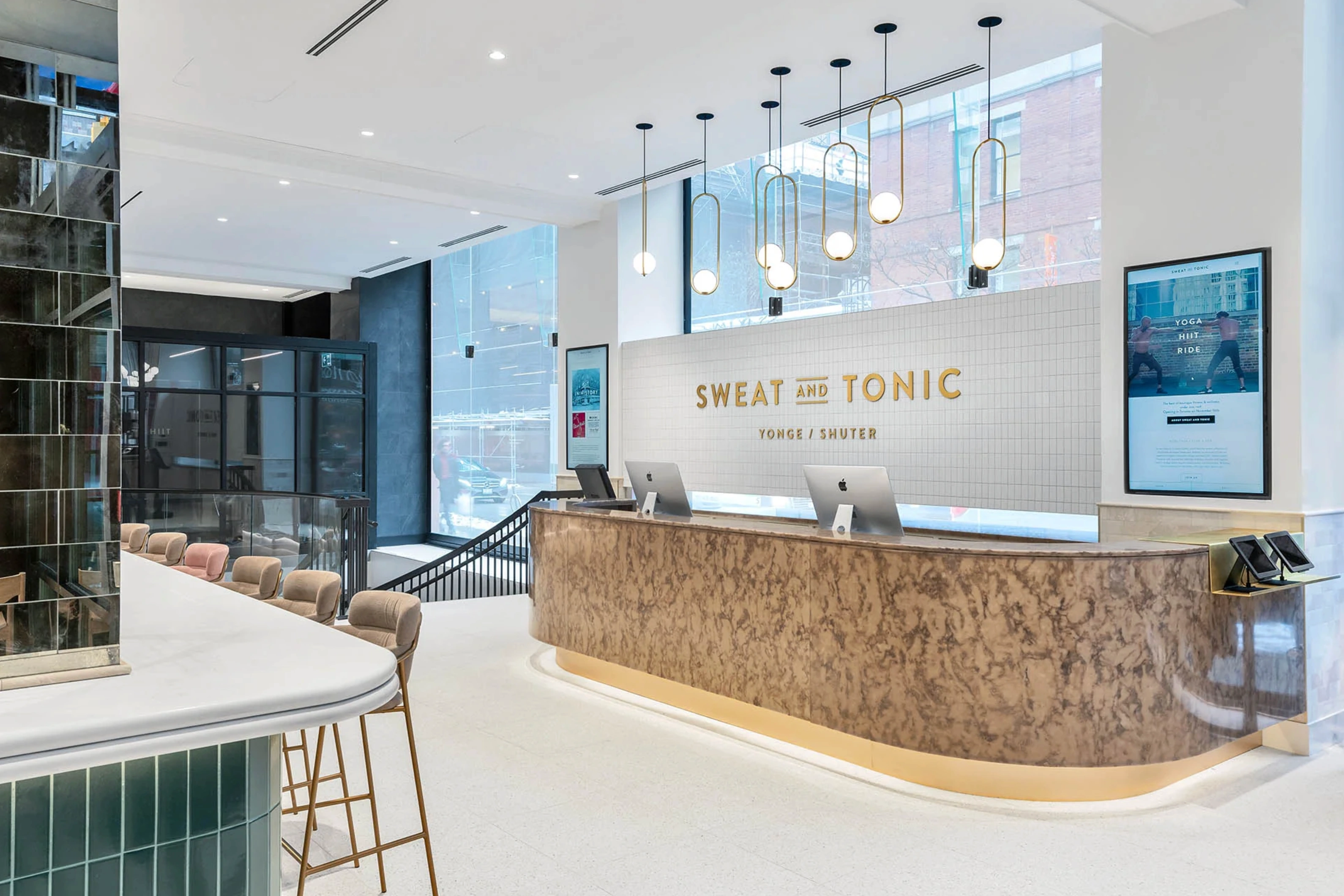
The third place is not your home or your office. It is where you go to feel part of something. Sweat and Tonic positioning benefits from acting like a third place in a wellness context, especially at its larger Well location where programming and amenities extend the visit. (Toronto Life)
That third-place layer pushes the Sweat and Tonic marketing strategy beyond workouts. Longer visits, social interaction, and repeat rituals can support member attachment, but their effect on churn has to be measured rather than inferred from atmosphere alone.
Pricing Psychology for Boutique
Premium only works when it feels justified. Sweat and Tonic positioning is supported by cues that signal quality and consistency, and by an ecosystem that makes the cost feel like “access” rather than “a single class.”
This is a common pattern in wellness brand marketing. When the brand offers multiple use cases, price is judged against the whole routine. That is why a wellness hub business model can protect premium gym marketing even when competition increases.
Experience Design as Marketing
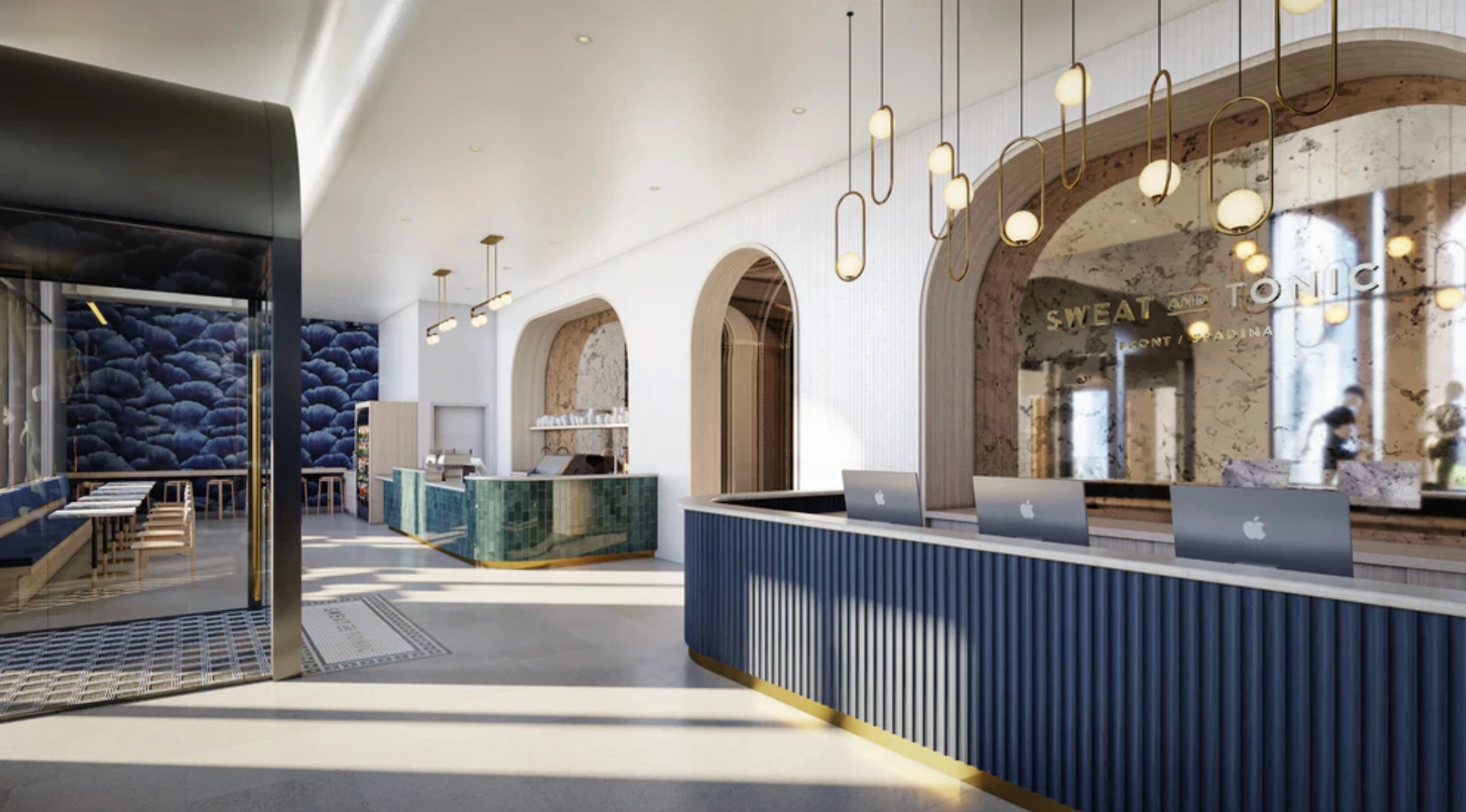
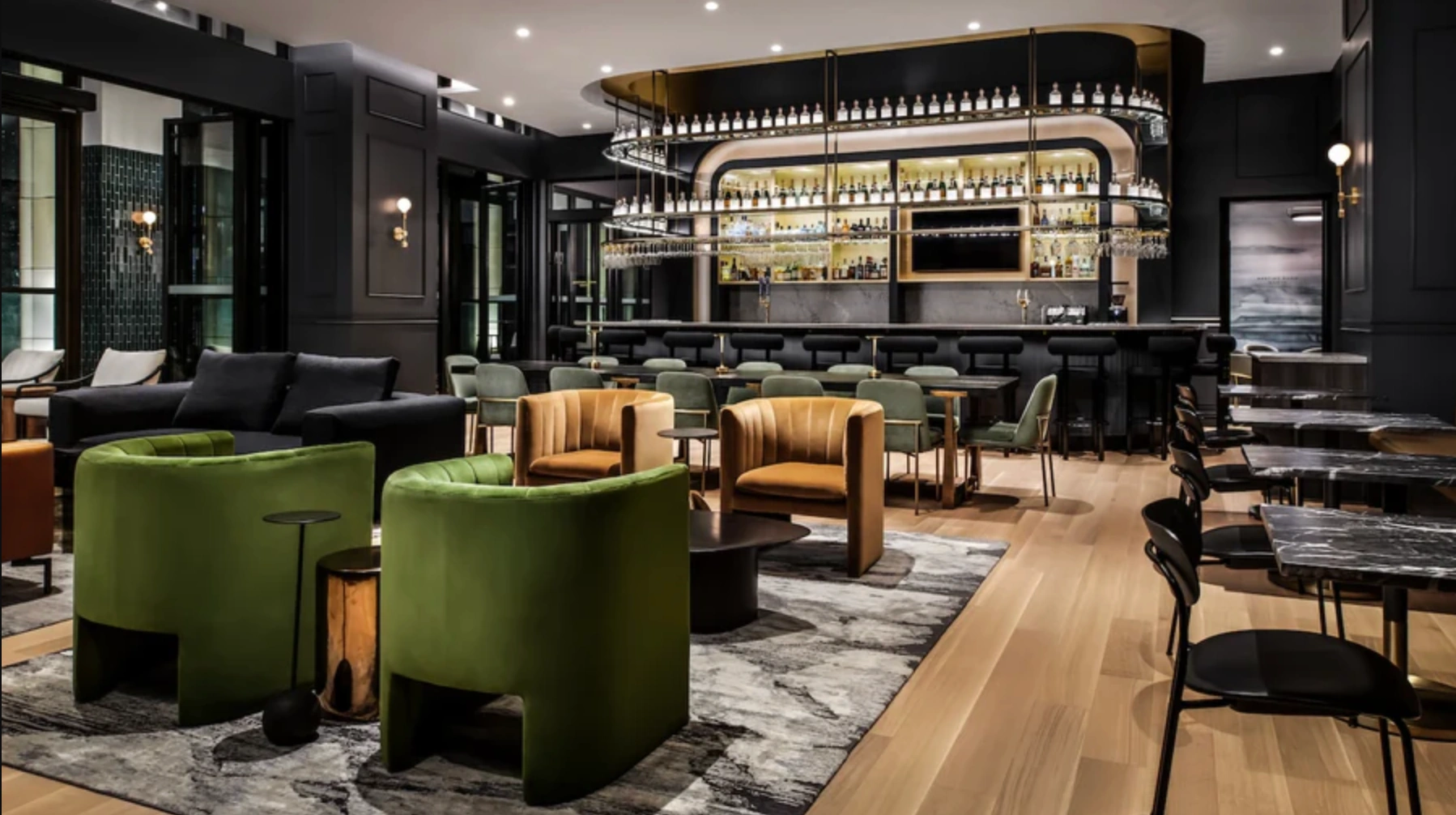
A useful way to understand the Sweat and Tonic marketing strategy is to treat the space as a marketing surface. The environment supports product trial, social content, referrals, and repeat routines, but it works alongside pricing, programming, booking UX, and service delivery rather than replacing them.
That makes this a clear example of experiential marketing in fitness. The experience can generate content and referrals when members find moments worth sharing, but those outcomes should be measured rather than treated as automatic.
The Space as the Ad
Toronto Life’s reporting on the Well location highlights scale, tech, and the broader wellness set-up, including immersive elements and expanded amenities. (Toronto Life)
From a boutique fitness marketing strategy standpoint, the lesson is not “build big.” It is “design the moments people remember.” A premium environment gives customers a reason to post, a reason to bring a friend, and a reason to make it part of their identity.
Rituals That Create Repeat Visits
Retention is rarely a single tactic. It is a loop. Rituals can be as simple as a consistent class time, a post class recovery routine, or a familiar flow through the space. When those rituals are easy, people repeat them.
This is why fitness studio retention strategy overlaps with service design. Rituals can reduce decision effort and make a routine easier to repeat; teams can test whether those patterns correlate with attendance, satisfaction, and retention.
The Digital Journey That Protects the IRL Moment
In fitness, the booking path must be fast, clear, and mobile friendly. The brand experience often begins on a phone, not at the front desk. That is why a strong web and scheduling journey is part of wellness brand marketing.
For service brands looking to improve conversion, this is where a web design agency approach matters. Booking friction is revenue friction. It is also trust friction, which undermines Sweat and Tonic positioning cues you are trying to protect.
Community as the Retention Engine
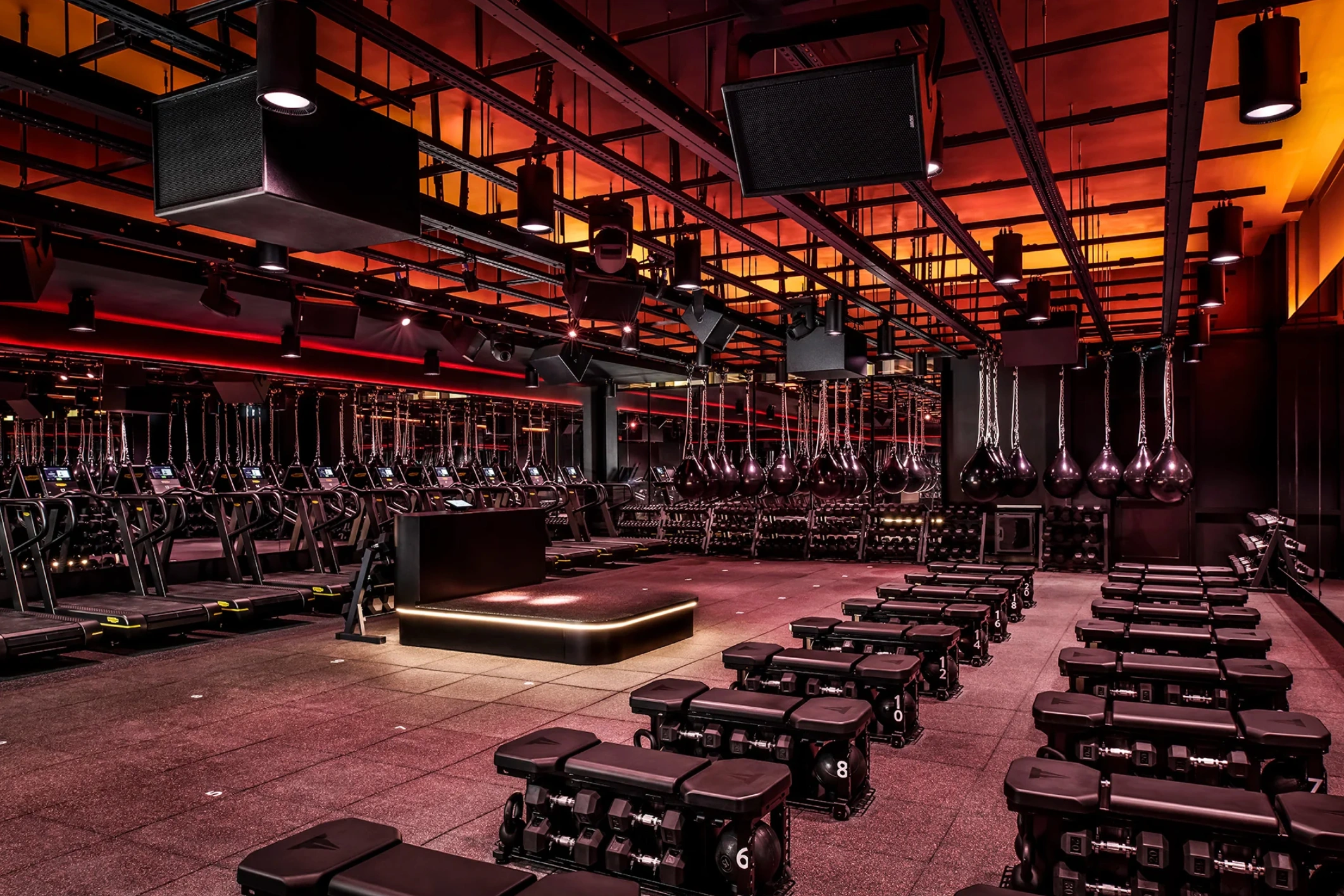
It is easy to say “community.” It is harder to operationalise it. Sweat and Tonic uses programming, recognition, social rituals, and shared spaces as repeatable community inputs that can be measured against attendance, referrals, and retention.
In a category where churn can be costly, community is one lever among several. Its value is strongest when member participation, referrals, and repeat attendance can be connected to cohort behaviour rather than assumed from sentiment alone. A useful contrast is the Peloton marketing strategy, where community and programming support repeat use inside a subscription-led digital and hardware model.
Belonging as the Product Feature
Belonging can be treated as a product-design goal rather than a slogan. Studios can test it through attendance patterns, member feedback, referrals, and participation in recurring programs instead of assuming that feeling known automatically increases visits or referrals.
This is especially relevant for a Toronto boutique fitness brand competing in a dense market. In crowded categories, features converge. Belonging does not.
Programming That Supports Repeat Visits
Retention systems do not need to rely on loyalty points alone. Signature formats, consistent schedules, and events can make the next visit easier to plan and give members recurring reasons to participate.
For boutique fitness marketing strategy, this is a reminder to design programming as a calendar, not a menu. A calendar creates momentum. It also gives people a reason to return this week, not “sometime.”
Referrals as a System, Not Hope
Referrals are often treated as luck. In stronger systems, referrals are designed. That design comes from shareable moments, easy guest passes, and social proof inside the space.
This is where experiential marketing in fitness becomes practical. Your best content is often created by your members. Your job is to build the environment and the prompts that make it natural.
The Channel Mix That Fits Fitness in 2026
Fitness marketing in 2026 is shaped by two realities. First, social platforms drive discovery and desire. Second, search captures intent, especially when someone is ready to book, compare, or find a location. The Sweat and Tonic marketing strategy aligns with that blend.
Mindbody’s 2025 fitness and wellness channel effectiveness data is useful context. In that report, Instagram ranks highest, with Google Search or SEO also cited as a top channel. Word of mouth remains a major driver as well. (Mindbody 2025 State of the Industry Report)
Social as Discovery, Search as Intent
A smart fitness studio social media strategy does not just post aesthetics. It moves people toward action. In practice, it should make it simple to understand the offer, find the schedule, and book fast.
Search plays a different role. People often search when they are ready to compare studios, check schedules, or find a nearby location. That is why boutique wellness operators should treat search visibility as a core asset. The existing SEO agency layer supports broader search strategy, while a local SEO agency can focus specifically on Maps visibility, location pages, reviews, and consistent business information across markets.
The Booking Path From Scroll to Studio
The conversion path in this category is short. It is often: see content, check schedule, book, show up, buy again. The weakest point is usually the second step. If schedule and booking are not obvious, desire leaks.
This is why the Sweat and Tonic marketing strategy places so much weight on clarity and consistency. It is also why experience design and the digital journey must stay aligned. A premium gym marketing story cannot end with a confusing checkout.
What Most Studios Miss About SEO
Studios often think SEO is slow and social is fast. The better view is that SEO is intent capture and trust. It shows up when someone is deciding, comparing, or looking for a specific location. That is not slow. That is valuable.
In practical terms, boutique fitness marketing strategy should coordinate social and search rather than treat them as interchangeable. Social can create awareness and consideration; search captures people who already have a query, location, or booking need. The mix becomes more efficient only when teams measure how those channels contribute to actual visits and revenue.
Expansion Without Dilution: New Concepts and New Neighbourhoods
Expansion is where boutique brands can lose clarity. Before adding a new neighbourhood, modality, or sister concept, brand research can help separate the associations customers see as core from the ones that can flex. Sweat and Tonic’s expansion is useful because the new concepts still point back to wellness, experience, and community.
This is a key lesson for any premium brand: expand where the brand story makes sense, and build extensions that feel like a natural next chapter. That is how you protect Sweat and Tonic positioning while scaling.
The Well and the Yorkville Expansion
Location is a marketing decision. It signals who the brand is for and how the space is expected to be used. The Well reinforces the third-place layer through broader amenities, while Sweat and Tonic has also announced Yorkville as another Toronto location in its expansion. (Toronto Life)
For a Toronto boutique fitness brand, neighbourhood choice can shape foot traffic, convenience, and brand perception. For multi-location operators applying a similar model nationally, Canadian branding support can help keep positioning, local pages, and campaign governance consistent while each market retains relevant local detail.
REFORMD as a Modality Wedge
REFORMD Lagree is an example of extension without breaking the brand. It adds a modality with a strong following, but it stays consistent with the environment and standards. Public announcements and trade coverage also provide capacity indicators that suggest scale. (Newswire)
This is also a partnership story, which connects to fitness brand partnerships as a growth lever. Done well, partnerships expand audience without forcing a rebrand. Done poorly, they dilute the core Sweat and Tonic brand strategy.
What the Los Angeles Sister Brand Adds
Sweat and Tonic describes Silver Springs, a Los Angeles yoga and Pilates studio opened in 2023, as its first international sister location rather than a Sweat and Tonic-branded club. That distinction matters: the expansion signal comes from a related concept in another market, not from copying the Toronto format directly. (Sweat and Tonic About)
For wellness brand marketing, expansion can also create new storytelling material, but the commercial effect still depends on market fit and execution. For wellness operators adapting a comparable premium concept to South Florida, a Miami branding agency can help localize positioning and launch materials without implying that Sweat and Tonic operates there.
What the Numbers Suggest
Sweat and Tonic’s public footprint shows scale, but public sources do not reveal full studio economics. Its own site documents a broad programming mix and multiple Toronto wellness offerings, while third-party reporting describes the scale of The Well location. (Sweat and Tonic homepage)
For broader context, the global wellness economy has grown substantially and forecasts point to continued category expansion. (Global Wellness Institute monitor) Canadian data also provides context for participation in in-person recreation. (Statistics Canada) Those macro signals describe the category, not Sweat and Tonic’s own future performance.
Demand Signals and Capacity
Capacity matters in boutique. If you do not have enough stations and enough class times, marketing cannot fix it. Public statements around classes per week and daily attendance offer a directional sense of scale, even if exact internal performance is not public. (Newswire release on REFORMD)
The strategic lesson is to measure your own capacity constraints with honesty. A boutique fitness marketing strategy should be built around what the operation can deliver consistently.
Macro Context for Wellness Spend
Wellness is not a niche category anymore. It is a major consumer spending lane, and it is being shaped by younger consumers who treat wellness as a daily practice.
That context helps explain why a boutique wellness brand that combines fitness and recovery can feel timely. It also explains why experiential marketing in fitness is more effective when it is paired with a real system for retention and referrals.
What To Measure in Your Own Business
If you want to apply the Sweat and Tonic marketing strategy to your own brand, focus on a small set of metrics that map to the system.
- First-visit conversion: trial to second visit within 14 days
- Repeat rate: visits per member per month
- Mix shift: how many customers add a second service category
- Referral rate: percent of new customers who come via word of mouth
- Search capture: local rankings for high intent terms tied to your offer
These are the metrics that support fitness studio retention strategy and community led growth strategy without requiring constant paid spend.
Key Lessons for Founders and Marketers
The Sweat and Tonic marketing strategy is not a list of tactics. It is a designed system. If you are building a boutique wellness brand, the most useful approach is to copy the structure, then express it in your own category language.
The Playbook in 7 Moves
- Define Sweat and Tonic positioning style clarity for your own brand: premium, but with wide entry points.
- Build a wellness hub business model that adds at least one “before or after” service to your core offer.
- Design rituals that make repeat attendance feel automatic. That is fitness studio retention strategy in practice.
- Treat your space as experiential marketing in fitness, even if you are not a fitness business. Make it shareable and memorable.
- Run fitness studio social media strategy as a conversion tool, not just a brand moodboard.
- Make search a core channel. If you want predictable discovery, work with an SEO agency and build the technical foundation properly.
- Use fitness brand partnerships only when they expand audience while preserving identity.
How To Apply This Outside Fitness
This system works for clinics, hospitality groups, premium retail, and other in-person services. The pattern is the same.
- Package multiple needs into one visit, like a wellness hub business model.
- Use service design to reduce friction and protect premium perception.
- Treat community led growth strategy as programming and operations, not marketing copy.
- Build a conversion path that is mobile friendly, fast, and clear. A web design agency can make that journey feel simple and credible.
- Clarify brand foundations with a branding agency that can translate positioning into visual identity, messaging, and consistency.
When to Bring in Specialist Support
If retention is soft, the conversion path is unclear, or the brand story does not match the experience, the underlying issue may sit across product, service design, positioning, or channel execution rather than in one campaign.
This is where the studio perspective matters. A strong boutique fitness marketing strategy is often a mix of brand strategy, experience design, and performance fundamentals. If you want to build that system with rigor, start with a clear audit and a practical plan.
A Calm Closing Note for Operators Building the Next Category
Sweat and Tonic is a helpful reminder that marketing is not separate from product. The useful lesson is the coordination between the experience, rituals, booking journey, search visibility, and community programming, then measuring which parts actually support repeat participation.
If you are building a premium service brand and want the system, not just the surface, start a conversation with our Toronto marketing agency team or speak with Brand Vision about a scoped plan.