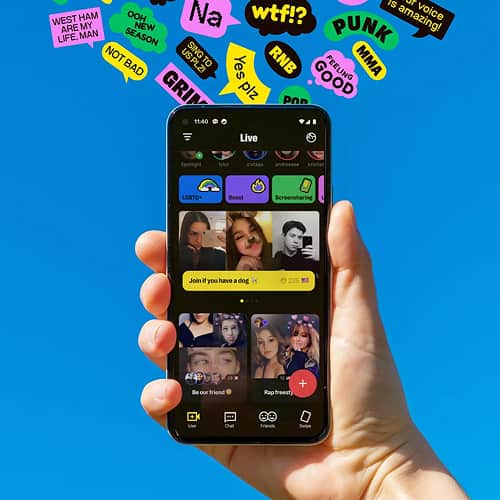

TikTok and Instagram are search and recommendation environments as well as social feeds. People use them to look for tutorials, products, places, reviews, and answers, so a broader SEO strategy should account for how content is described and discovered inside social platforms. The practical goal is not to guarantee a ranking. It is to make each post easier to understand by the platform and more useful to the people searching for that topic.
At a glance
- TikTok says recommendation systems use signals including user interactions, content information, and user information. Search-oriented captions and clearly described topics can help TikTok understand what a post is about, but no single keyword placement guarantees distribution (TikTok Help Center).
- Instagram discovery differs across Feed, Reels, Explore, and other surfaces. Shares and sends can matter for distribution, but they should be treated as one family of engagement signals rather than a universal ranking formula (Business Insider).
- Eligible public Instagram professional content can appear in external search results, and Google now provides Search Console reporting for Instagram and TikTok content that receives Google Search traffic (Forbes) (Social Media Today).
- Accessibility features such as alt text and captions should be used for people first. They can also make the subject of a post clearer, but they should not be described as proven ranking shortcuts.
- TikTok Creator Search Insights exposes trending searches and gaps for keyword-first content planning (TikTok Help Center).
Social search is the front door
TikTok and Instagram have become meaningful discovery channels for recipes, how-tos, products, and local recommendations. That makes query research useful, but social search should complement a search-led content strategy rather than replace web search or site content. Build posts around a specific question, answer it clearly, and use natural language in the caption and visible creative so people can quickly tell whether the post matches their intent. (TechCrunch) (Business Insider).
- Use the language your audience actually uses, then answer the query directly in the post rather than repeating it mechanically.
- Favour answer-first hooks like how to, best, near me, fix, and compare.
- Create useful assets people may choose to save or send, without treating shares as a guaranteed ranking lever.
TikTok ranking foundations you can control
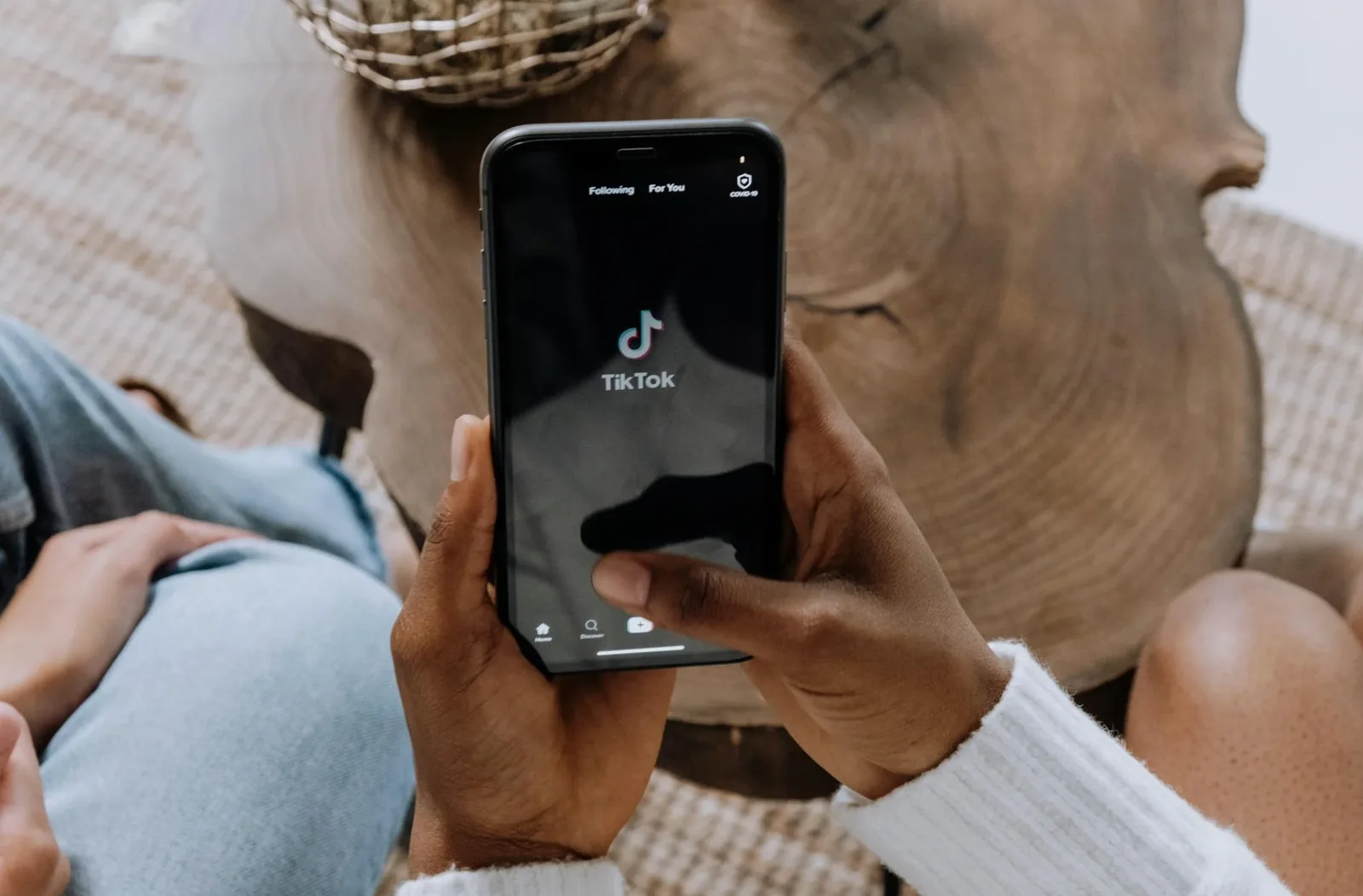
TikTok says its recommendation systems consider user interactions, content information, and user information. Creator Search Insights can surface topics people are searching for and content gaps worth exploring. Use that information to choose subjects and phrasing, then make the video useful enough to earn attention on its own. (TikTok Help Center).
- Use Creator Search Insights to identify demand, then write a clear answer in language that sounds natural on camera and on screen.
- Choose sounds and hashtags that match the query, not generic trend bait.
- Review retention and engagement to see whether the opening actually holds attention; revise the hook based on observed performance rather than a fixed three-second formula.
TikTok captions, overlays, and voice: your keyword trifecta
TikTok captions can provide context around a video, while on-screen text and spoken language help viewers understand the topic. Aligning those elements can make a post clearer, but there is no need to force an exact keyword into every field. Keep hashtags relevant to the actual subject and use the caption to explain the answer rather than to create a keyword list. (Hootsuite)
- For local topics such as “best ramen in Toronto,” use the place and category only when they are genuinely part of the answer. That same discipline supports restaurant marketing without turning every caption into a list of local keywords.
- Use a title card with the same wording users will scan and recall.
- Treat the rest of the caption as context, not a keyword dump.

TikTok structure that supports watchability
Retention, completion, rewatches, and other engagement metrics can help you evaluate whether a video holds attention, but they are not a guaranteed route to search ranking. Remove unnecessary setup, deliver the promised answer early, and structure the rest so viewers can follow the explanation without waiting for an artificial payoff. (Hootsuite) (Swydo).
- Promise the outcome in second one, deliver step one by second three.
- Use chapter stamps or on-screen checkmarks so viewers feel progress.
- End on a compact recap users will want to save or DM.
TikTok series, Playlists, and comment replies
Related videos can make a topic easier to explore from one profile. TikTok Playlists can group public videos into a series, but TikTok notes that the feature is not available everywhere. Replying to comments with video is another practical way to answer follow-up questions. TikTok also launched a Q&A feature historically, but creators should check current account availability instead of assuming every older feature remains universal. (TikTok Help Center) (TikTok Newsroom)
- Name playlists with the head term first, then a benefit, like Toronto ramen guide.
- Pin a comment with the target phrase and invite follow-up questions you can answer by video.
- Build a small group of useful answers around the same topic when the questions genuinely justify separate posts.

Instagram discovery is surface-specific
Instagram does not use one ranking formula everywhere. Feed, Reels, Explore, Stories, and recommendations are different surfaces with different contexts. Saves, shares, sends, viewing behavior, relationships, and content information can all matter, but no single field should be treated as a universal ranking switch. (Instagram Blog) (Business Insider)
- Use the profile name and bio to describe the account clearly when a category, specialty, or location is genuinely important to the audience.
- Write captions in the exact phrasing people search.
- Use precise location tags when relevance is local.
Instagram captions, locations, and accessible media
Use captions to explain the topic and location tags when place is genuinely relevant. Alt text has an accessibility purpose: it helps people using assistive technology understand an image. It can describe the subject accurately, but it should not be sold as a proven Instagram or Google ranking factor. Meta’s location features can also make public content easier to explore by place. (Instagram Help) (Meta Newsroom).
- Add human alt text that names the subject and context without stuffing.
- Tag the venue, neighbourhood, or city when it adds relevance. For businesses serving a defined area, pair social content with a broader local SEO plan rather than expecting an Instagram location tag to carry the whole search strategy.
- Design covers with 4 to 7 words that match the query.

Design content people may want to share in DMs
A DM share is a real act of recommendation between users, and Instagram leadership has emphasized sends as an important behavior for creators to watch. That does not mean every post should force a “send this” CTA. Checklists, maps, comparisons, and concise how-tos are naturally shareable when they solve a useful problem. (Business Insider).
- Add a micro-CTA: Save this for later or Send to someone moving to Toronto.
- Put the key answer on slide one so it still works when screenshotted.
- Pin a comment with a second share-worthy angle to spark threads.
Prioritize original Instagram content
Instagram changed recommendations to give more opportunity to original creators and to replace reposts with original content in recommendations when it can identify the source. Meta has continued emphasizing original recommendations, so first-party work remains the safer default for brands and creators. (The Verge)
- Use Collabs to put one post on two audiences at once.
- Avoid watermarks and obvious reposts; add material value if you reference others.
- Credit collaborators inside the caption with a specific role to strengthen trust.
External search: social posts can receive Google traffic
Eligible public content from Instagram and TikTok can appear in Google Search. Instagram’s 2025 indexing change applies to qualifying public professional accounts and can be controlled through account privacy settings; it should not be described as universal indexing of every account or post. In 2026, Google also introduced Search Console platform properties that report search queries, clicks, impressions, and individual Instagram or TikTok posts receiving Google traffic. (Forbes) (Social Media Today). (Google Search Central)
- Review evergreen posts for accurate, descriptive captions. Use alt text for accessibility rather than treating it as a Google ranking tactic.
- Add city names to local posts so they can rank outside the app.
- Where Search Console platform properties are available, use their query and post reports instead of relying only on manual site searches. If a social post drives site traffic, make sure the destination follows clear landing-page design principles.

Accessibility comes first
Alt text, captions, readable contrast, and accurate transcripts help more people use social content. TikTok has added accessibility features including AI-generated alt text for photos, while Instagram provides alternative-text controls for images. Use these features because they improve access. Any discovery benefit should be treated as secondary and uncertain rather than promised as a ranking boost. (Instagram Help) (The Verge).
- Always turn on captions for speech; fix mistranscriptions of key terms.
- Keep colour contrast strong on text overlays; avoid text-heavy slides.
- Describe charts and diagrams in alt text for carousels.
Insider creative frameworks that earn ranking signals
Rely less on rigid “algorithm hacks” and more on repeatable formats that make useful information easy to consume, save, or share.
- Hook-solve-loop: Promise the outcome in the first line, deliver step one immediately, and loop a final visual detail to nudge rewatches.
- Series spine: Use consistent cover language for a series that answers related questions. If TikTok Playlists are available on the account, use them to group related public videos; otherwise keep the series easy to find through titles, pinned posts, and profile organization.
- Reply engine: Turn useful comments into follow-up videos when the answer deserves its own post. TikTok documents reply-with-video, while its older Q&A launch page shows how the platform has experimented with question tools over time. (TikTok Newsroom)
Account architecture that helps you rank
Small structural tweaks compound visibility over time.
- Name field clarity: Use a category or specialty in the Instagram name field when it helps people understand the account, for example Brand Vision | Toronto web design. (Instagram Help).
- Pinned posts: Pin your top answer posts so newcomers see the best proof first.
- Highlights as FAQs: On Instagram, turn recurring questions into Highlights titled with the query.
Cross-platform flywheel
Start with a TikTok search phrase, build the video around that wording, then adapt it to an Instagram Reel and carousel with the same headline and caption. Encourage DM shares with saveable assets and answer spinoff questions with comment replies and stitched clips. Finish by posting a short summary thread on LinkedIn or X that drives people back to the original Reel.
- Repurpose intent, not just footage; keep the keyword phrasing consistent.
- Localise by city and neighbourhood only where relevant to the business and the actual content.
- Refresh winners with new hooks and B-roll every few weeks.
A seven-day launch plan
A seven-day sprint can help a team test one search-intent cluster without pretending one week is enough to “rank” an account.
- Day 1 pick a demand phrase from Creator Search Insights and outline a three-step answer.
- Day 2 film a TikTok that makes the topic clear in the opening and on screen.
- Day 3 write a natural-language caption that answers the topic and add only relevant hashtags.
- Day 4 adapt as an Instagram Reel with a keyworded cover, caption, and location tag.
- Day 5 publish a carousel with a checklist; add accurate alt text.
- Day 6 reply with a TikTok video to a useful question and add it to a Playlist only if that feature is available on the account.
- Day 7 audit saves, shares, and early retention; iterate the hook and the first line of the caption.
FAQ
What matters most for TikTok search discovery?
Start with a useful topic people actually search for, describe it clearly, and make the video satisfying to watch. TikTok uses multiple recommendation signals, so there is no single keyword formula.
How long should TikTok captions be for search?
Longer captions are possible, but length is not the objective. Use enough natural language to explain the post and avoid keyword stuffing.
Which Instagram signals can I influence?
You can improve the clarity and usefulness of the content, encourage genuine saves or shares, use relevant profile and caption language, and publish original work. Alt text should be written for accessibility, not as a ranking trick.
Do hashtags still matter on TikTok and Instagram?
Hashtags can help describe a topic or category, but they are only one piece of discovery. Use relevant tags rather than large generic bundles.
Can Instagram and TikTok posts appear on Google?
Yes, eligible social posts can receive Google Search traffic. Google now supports Search Console platform properties for Instagram and TikTok, while Instagram’s external indexing still depends on account eligibility and privacy settings.
The practical takeaway
Social search works best when content answers a real question clearly, uses language the audience understands, and sends people to a useful next step. Treat TikTok and Instagram as part of the discovery journey, not as channels where a checklist can guarantee rankings.
For Canadian teams connecting social discovery to a broader website and search strategy, Brand Vision provides branding support in Canada. Brand Vision’s branding agency also connects content, positioning, and digital experience; if the social-to-site journey needs work, you can discuss content and website strategy with the team.