Thanksgiving has always been a feedback loop between culture and commerce. Department stores staged spectacles to open the season, food brands taught the menu Americans still cook, media cemented the holiday’s look, and retailers engineered the year’s biggest shopping rituals. Below is an expanded tour of American Thanksgiving marketing throughout history that shows the persistent American Thanksgiving impact on what we watch, eat, and buy.
At a Glance
- Parades set the seasonal clock: Macy’s 1924 parade turned Thanksgiving into retail’s “lights on,” shaping American Thanksgiving marketing throughout history.
- Rockwell’s “Freedom from Want” gave ads a visual grammar, amplifying the American Thanksgiving impact with the big-table scene brands still copy.
- Food marketers standardized the menu: Ocean Spray, Campbell’s, and others taught sides via recipes and POS, locking tradition to brands.
- Butterball’s Talk-Line turned help into media, proving service can be a perennial Thanksgiving headline.
- Black Friday reframed gridlock into profit with doorbusters, later spawning Cyber Monday and week-long promos.
- Grocer circulars evolved into loyalty apps and shoppable planning, merging deals with recipes.
- Social video and Friendsgiving expanded the brief beyond one day to a month of cozy, how-to content.
- Post-2020 retail stretched the window and added purpose messaging, balancing value and values.
- Cranberry cooperatives show farm-to-icon storytelling that reinforces authenticity and seasonality.
1920s-1940s: Parades invent the season opener
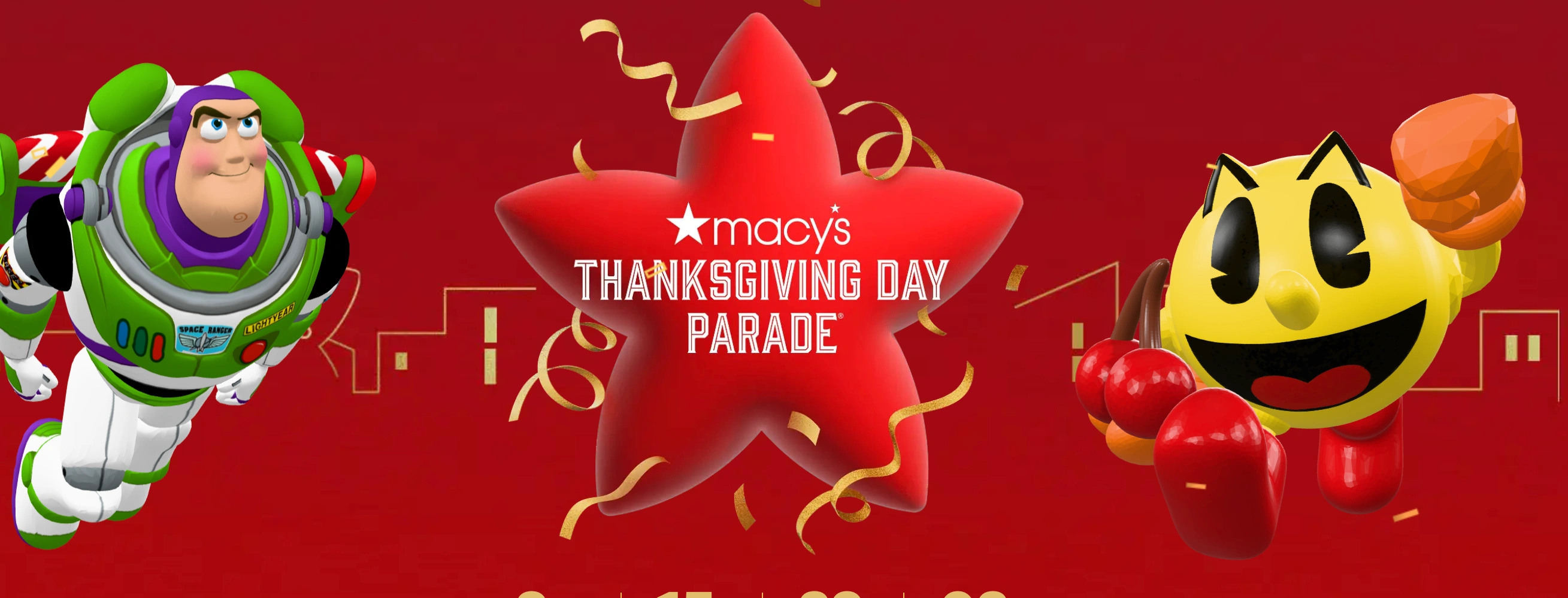
Macy’s launched its first Thanksgiving parade in 1924 to funnel crowds to its Herald Square flagship, then introduced giant helium balloons in 1927, replacing zoo animals and creating an instantly photographable tradition. Radio, then television in the 1940s–50s, amplified the parade’s reach, turning it into a national “lights on” for holiday shopping. The strategy was simple and enduring, a free citywide show that converted into traffic and mail-order sales. (Macy’s Parade History).
- Tactic: stage a civic ritual that cues “shopping season starts now.”
- Legacy: the parade becomes the seasonal clock brands program against.
1940s: Thanksgiving gets its visual grammar
Norman Rockwell’s “Freedom from Want” (1943) gave advertisers a shared iconography: the big table, white tablecloth, smiling elders, the turkey reveal. Published in The Saturday Evening Post, the image was part of Rockwell’s wartime “Four Freedoms,” but its composition became the shorthand for comfort and abundance that brands reuse every November. Creative teams still cite museum notes and reproductions to match framing, posture, and palette, demonstrating how one painting shaped commercial storytelling (Museum of Fine Arts, Boston).
- Tactic: borrow a beloved civic image to signal warmth without words.
- Legacy: a single composition becomes the look of Thanksgiving advertising.
.webp)
1930s-1960s: Food marketers standardize the menu
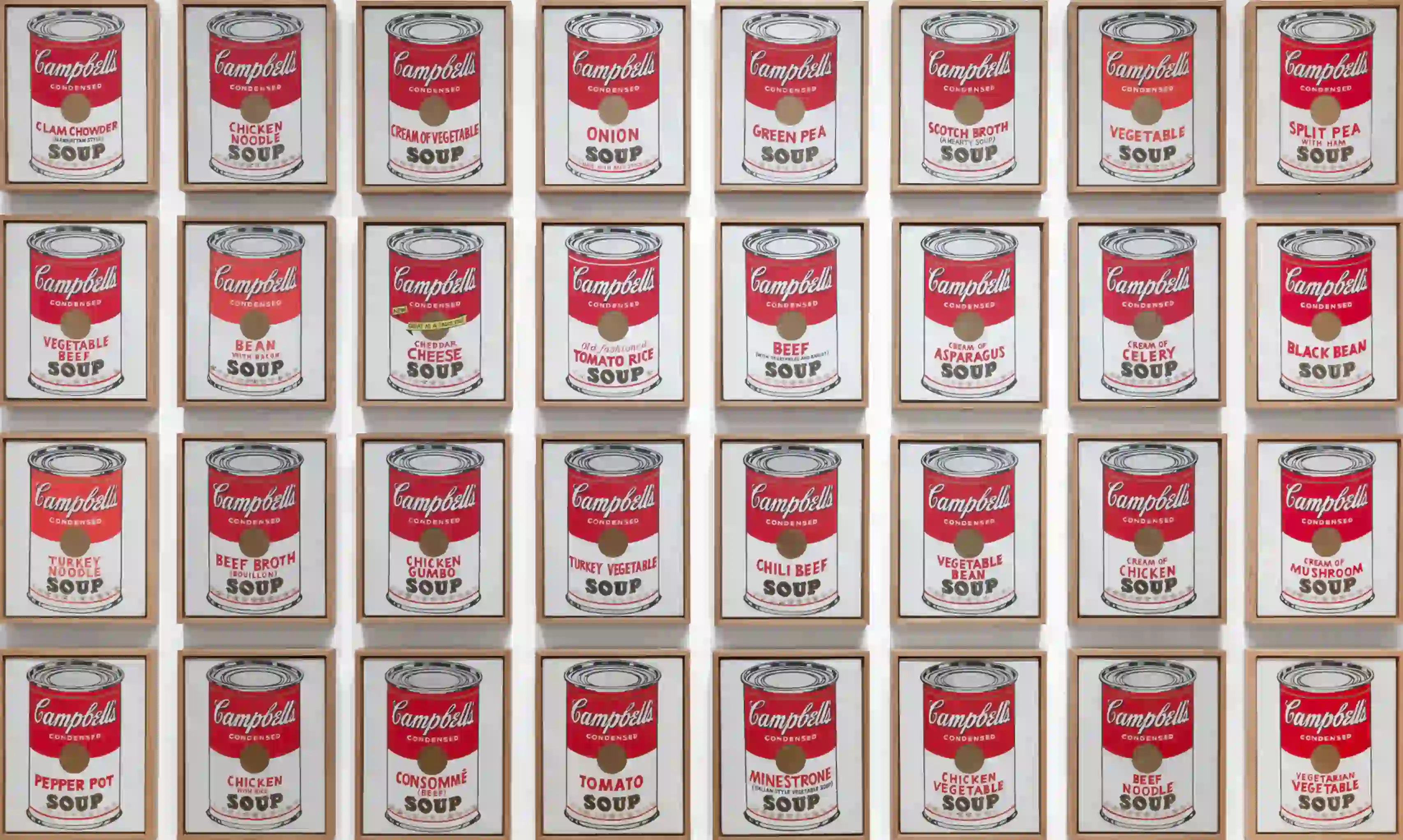
Cooperatives and CPGs used recipe ads, in-store demos, and radio spots to define what “belongs” at Thanksgiving. Ocean Spray pushed canned cranberry sauce as turkey’s natural counterpart through point-of-sale displays and magazine recipes, a positioning so sticky that the brand still earns an outsized share of annual sales in the Nov–Dec window. Stove Top and Campbell’s likewise embedded stuffing and green-bean casserole into the national menu via back-of-box and women’s-magazine placements. Historical reporting and brand archives trace this codification of sides into national habit (PBS NewsHour), (Ocean Spray history).
- Tactic: teach the menu with recipes and endorsements until it feels inevitable.
- Legacy: “tradition” becomes the product of long-running ad systems.
1981-present: Butterball turns service into owned media
When the Butterball Turkey Talk-Line opened in 1981, experts fielded about 11,000 calls. Four decades later, the hotline handles hundreds of thousands of phone calls, texts, and chats each season and functions as a perennial news story, with reporters visiting call centers and quoting thaw-time tips. It is a master class in turning helpfulness into reach: solve an anxiety, institutionalize it, then invite cameras every November. (Butterball)
- Tactic: make expertise the headline and let press do the distribution.
- Legacy: “brand as service” becomes a Thanksgiving media beat.
-1.webp)
1960s-2000s: Black Friday reframed from chaos to profit
“Black Friday” began as a 1960s Philadelphia police nickname for post-Thanksgiving gridlock. In the 1980s retailers reframed it as the day books go “in the black,” pairing doorbusters with “limited quantity” ads to turn congestion into celebration. By the early 2000s, the Friday after Thanksgiving had become the year’s biggest in-store shopping day; by mid-2000s, Cyber Monday extended the ritual online. Encyclopedias and business histories outline this shift from headache to cornerstone media promotion (National Retail Federation).
- Tactic: use scarcity ads and first-hour pricing to create a dawn rush.
- Legacy: Thanksgiving week becomes the engine of U.S. retail calendars.

1990s-2010s: Supermarket circulars and recipe platforms go digital
Grocers made Thanksgiving the year’s most elaborate circular, then moved those deals to email, apps, and shoppable recipes. Food-media partners bundled “Thanksgiving planners,” and grocers layered coupons with pickup windows, smoothing demand spikes. The advertising backbone quietly shifted to CRM and loyalty data, but the creative still looked like Rockwell: a proof that the holiday’s code stays constant even as media changes (NYT Cooking Thanksgiving).
- Tactic: fuse deals with meal-planning content to claim the whole journey.
- Legacy: shopper marketing makes loyalty data the new ad budget.
2010s-present: Friendsgiving and social video reshape the brief
As Thanksgiving became a month-long content theme, Friendsgiving emerged as a brandable offshoot. TikTok and Instagram Reels rewarded quick, vertical, “how-to” recipes and tablescapes, while beverage and snack brands grabbed the pre-holiday nights with shareable formats. Social-video analytics show November uplifts for recipe and hosting topics, and brands court creators who can bridge “cozy season” aesthetics and practical hosting tips.
- Tactic: sponsor the warm-up nights with formats built for vertical video.
- Legacy: Thanksgiving marketing becomes multi-moment, not single-day.
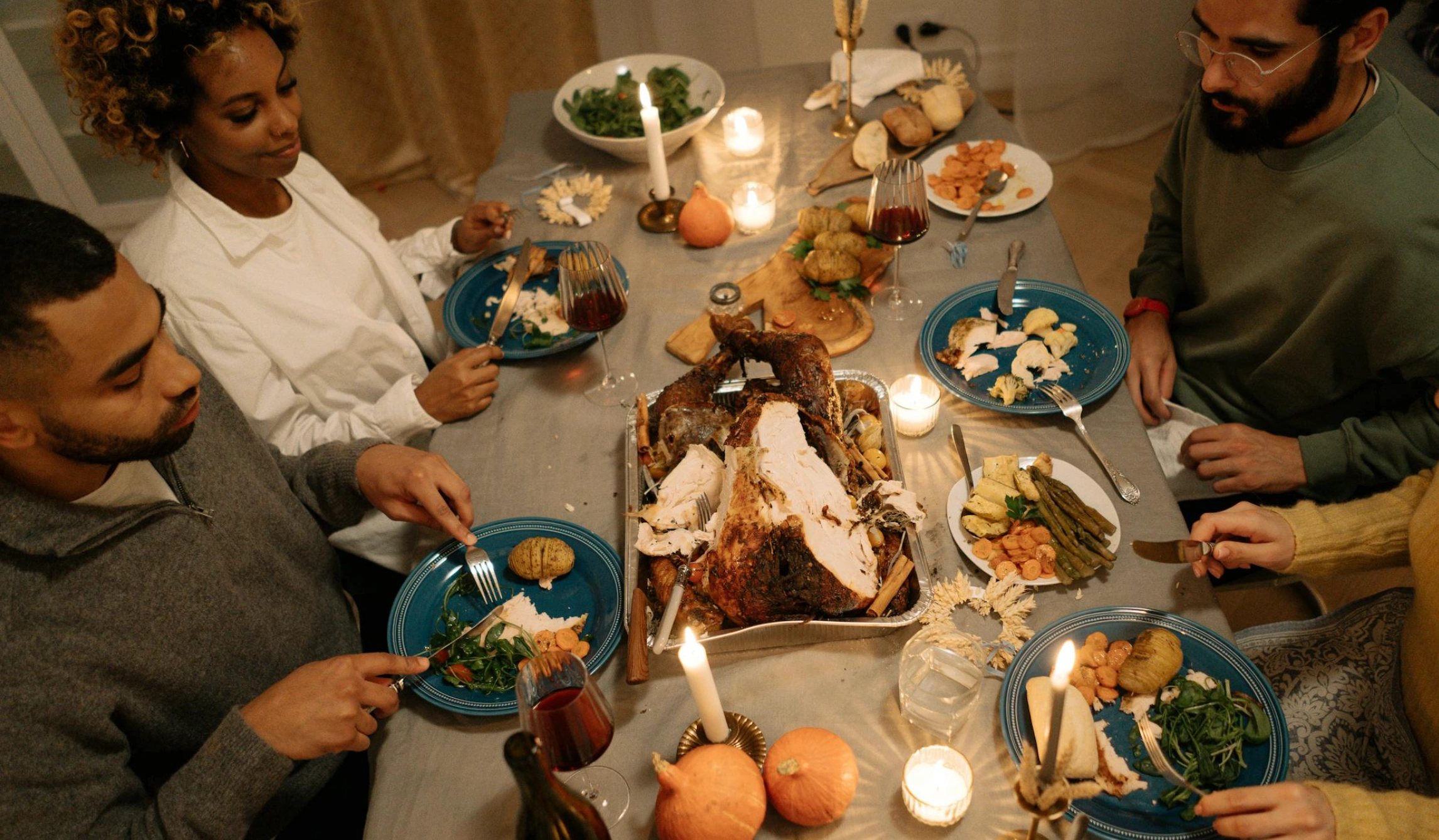
2020s: Retailers stretch the window and add purpose
Post-pandemic, many retailers lengthened Black Friday into Black November, mixing early online pricing with curbside and same-day pickup. Parallel to pure promotion, brands now emphasize food donation drives, employee-friendly hours, or closing on Thanksgiving Day to earn goodwill, a purposeful turn documented in retail trade press and corporate statements.
- Tactic: balance value messaging with values messaging.
- Legacy: “how” you sell around Thanksgiving matters as much as “what.”
Agriculture to icon: cranberries as a case study
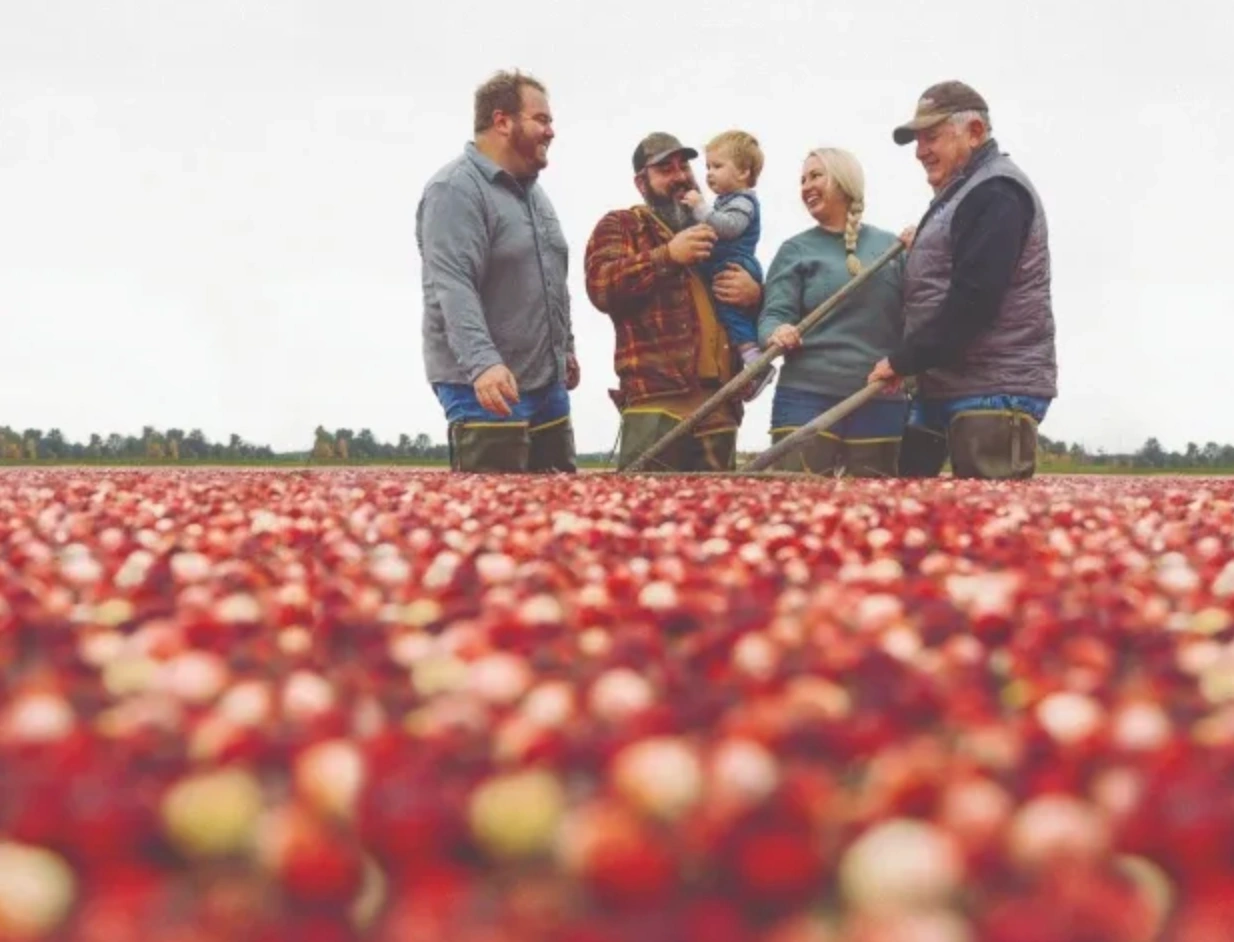
Cranberry cooperatives showcase how regional harvests became national symbols through sustained storytelling. Coverage from Massachusetts and Wisconsin bogs feeds holiday demand with visuals and stats about yields and timing. Ocean Spray extends this with annual recipes and social content, reminding shoppers that a once-regional fruit is now a national marker of the meal.
- Tactic: tie supply stories to kitchen content so provenance drives purchase.
- Legacy: farm narratives reinforce authenticity and seasonal inevitability.
FAQ
Why did parades matter so much for Thanksgiving marketing?
They created a free civic ritual that signaled “holiday shopping starts now,” driving foot traffic and media coverage that brands could program against; a core move in American Thanksgiving marketing throughout history.
How did Norman Rockwell influence Thanksgiving ads?
“Freedom from Want” supplied a shared visual language, the big family table and turkey reveal that advertisers still reference to telegraph comfort and abundance, magnifying the American Thanksgiving impact.
Which brands shaped the traditional menu?
Ocean Spray popularized canned cranberry sauce, Campbell’s helped canonize green bean casserole, and Stove Top standardized stuffing via recipes and back-of-box marketing that turned dishes into “must-haves.”
What made the Butterball Turkey Talk-Line so effective?
It solved a real anxiety at scale and generated annual earned media. Turning service into a story built trust and became a reliable Thanksgiving news beat.
What this means now?
Across a century, the American Thanksgiving impact on marketing has been consistent: the work that lasts blends ritual, utility, and urgency. Spectacle kicked off the season, art set the scene, CPGs taught the menu, service won trust, and retail turned post-feast energy into economic force. Modern brands still win Thanksgiving by remixing those levers.

%2520(1).png)
.png)