Have you ever thought about how some websites feel so smooth to use, while others just confuse you?
A lot of that comes down to how the website is planned and built. For businesses in 2025 and beyond, web design is not just about looking neat; it's part of how they grow, connect with people, and keep things running smoothly.
No matter if you're selling online, offering services, running a startup, or part of a larger organization, the way your website is put together makes a real difference in how people interact with your business.
Across all types of industries, smart design choices help support growth, trust, and ease of use.

Why Web Design Is a Big Deal for All Kinds of Businesses
A website often plays the role of first impression. It’s like someone walking into your store or office, only online.
So if it feels organized, simple, and trustworthy, people are more likely to stay longer and take action. That could mean buying something, reading more, or reaching out.
From small local businesses to growing tech platforms and professional service providers, web design supports all kinds of goals. It helps with marketing, builds trust, and creates a smooth experience for customers or users. Design is no longer a bonus; it's a working part of how businesses operate and expand.
What Strategic Design Actually Supports
Smart design is a mix of choices that help the website work better — not just look better. Here are a few things that apply across industries and business types:
- Clear layout and structure
- Mobile-friendly pages that work on any screen
- Fast page speed to keep people from leaving
- Content that is easy to read and understand
- Buttons and links that guide people to where to go next
- Consistent colors, fonts, and brand style
These are not fancy extras; they’re essential parts of what makes a website support business goals. A well-built site helps people take action faster, builds trust faster, and avoids confusion. And all of this adds up to better results, whether it’s sales leads, or just more visitors coming back.
Focus on User Experience Across All Sectors
User experience, or UX, plays a big role across almost every kind of business website. If someone visits your site and can’t find what they need easily, they leave. If things load quickly, information is clear, and actions are simple, they’re more likely to stay and act.
This applies to:
- Online stores that want customers to complete purchases
- Service businesses that want people to fill out contact forms
- Educational websites offering resources or signups
- Nonprofits hoping to get support or donations
- Any business that wants to share information clearly
Making the experience smooth means people are more likely to trust the site, find what they need, and return in the future.
Why Mobile Design Is Essential Across All Markets
People today use their phones for almost everything. So no matter what kind of business you're in, your site needs to work well on mobile.
A strong mobile site means:
- Buttons are easy to tap
- Text is readable without zooming
- Images and layout adjust to the screen
- Navigation is simple and clean
This kind of mobile-first thinking supports everything from shopping to reading blogs to booking services. If it’s hard to use on a phone, it’s likely to lose potential customers across all industries.
How SEO and Web Design Work Together
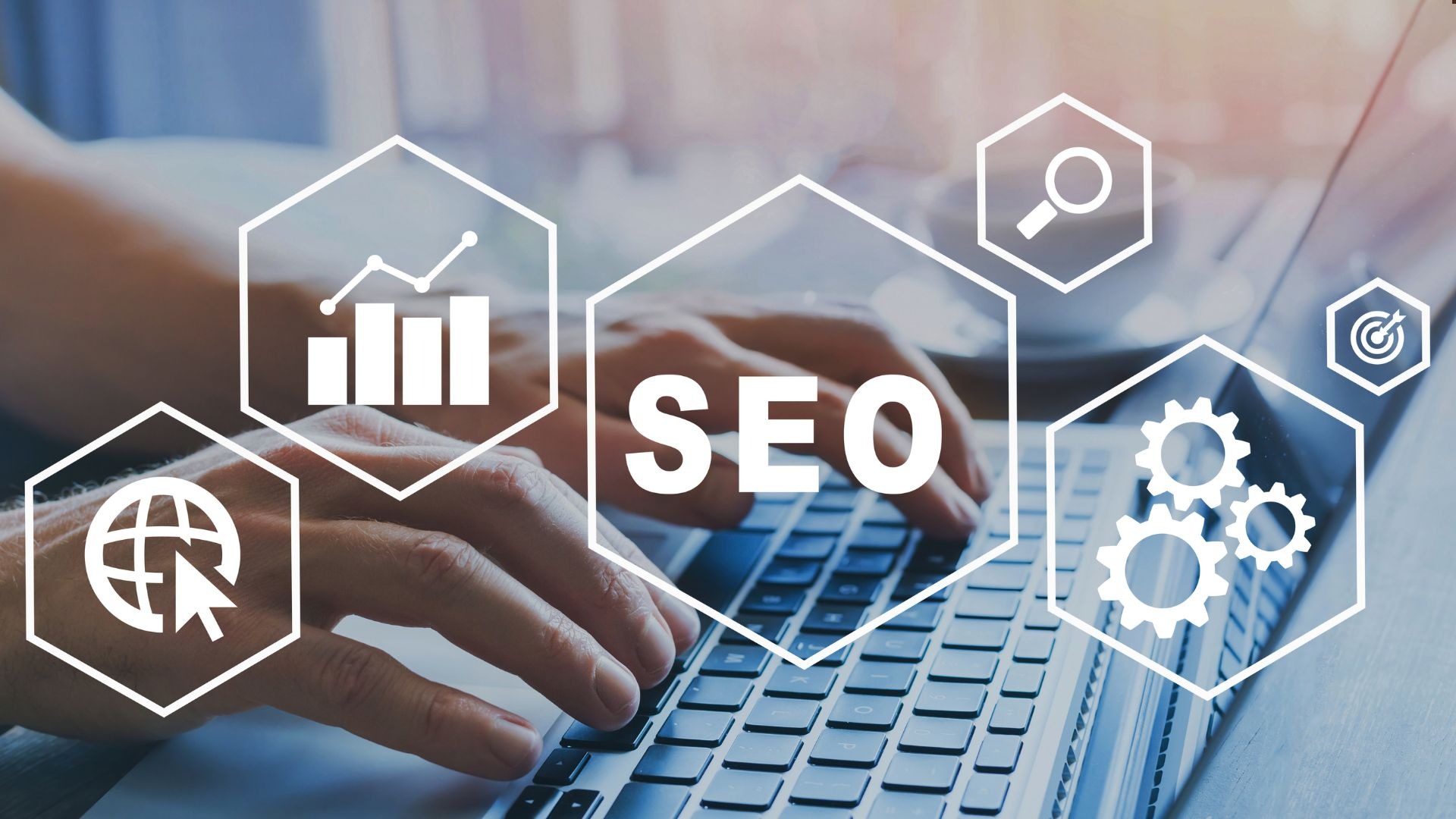
Design and search engine performance go hand in hand. A well-structured website is easier for search engines to read, and that helps bring in more visitors. This is important whether you're running a blog, listing services, or managing a catalog of products.
Here’s how design supports SEO:
- Headings and structure help search engines understand pages
- Internal links connect pages and keep people exploring
- Fast page speeds improve rankings
- Clean, organized layouts reduce bounce rates
- Simple, descriptive URLs help with indexing
This applies to businesses of all types, from healthcare to retail to professional consulting. When the site is built to be readable by both people and search engines, it performs better for everyone.
Branding Across Industries Through Design
No matter what field you're in, branding plays a big role in how people see your business. Design helps shape this identity through things like color choices, typography, and layout style. This isn’t just for creative agencies or trendy brands; it matters for manufacturers, local services, global enterprises, and everyone in between.
Things that help across industries:
- Keeping the logo visible but not overwhelming
- Using the same color scheme throughout the site
- Writing in a voice that matches your values
- Organizing pages logically, so people can understand your structure
All of these help create a clear, trustworthy picture of your business, and that can lead to more interest, more loyalty, and more growth.
Practical Design Choices That Support Growth
Businesses in different sectors may have different goals, more traffic, more sales, more leads, but smart design supports all of them. Here’s how:
- Builds trust through visual consistency
- Supports faster decisions by making info easy to find
- Encourages return visits through a positive experience
- Reduces tech problems with a better structure
- Opens the door to future updates and features
It also helps on the technical side. For example, having a reliable setup behind the scenes means your website stays stable and fast.
That’s where using trusted vendors can help, for instance, sourcing hardware from the best server parts wholesale supplier keeps your web infrastructure solid.
To Sum Up
Good design is not just for tech startups or big marketing teams. It supports all kinds of businesses, from schools to service providers to product sellers. As 2025 continues, more business leaders are realizing that a well-built site can do more than just look clean; it can actually help the business grow in meaningful ways.
No matter your industry, size, or target audience, strategic web design gives your business a clear edge. It helps people find what they need faster, trust you quicker, and take action more easily. And when that happens, growth comes naturally.


%2520(1).png)