
Marketing trends are never just about marketing, they’re about people. Google’s top digital marketing trends and predictions report for 2026 recently came out and it read like a snapshot of how we’re living right now: a little tired, a lot curious, and not easily convinced. The top digital marketing trends in 2026 are predicted because behaviour is changing fast, from how we search to what we trust to how we want to participate. And if you’re scanning the top digital marketing predictions for 2026, wondering what they say about society, the answer is simple: we’re demanding more agency, more honesty, and fewer empty promises. (Think with Google)
At-a-Glance
- Present wellbeing is replacing distant “someday” messaging, so smaller wins beat grand finales. (Think with Google)
- AI is turning search into conversation and creation, not just lookup. (Think with Google)
- Young audiences want to remix brands, not just watch them. (Think with Google)
- Nostalgia is evolving into a remix economy that creates new memories from old ones. (Think with Google)
- Sustainability messaging is moving from virtue statements to tangible product value, because regulators and consumers are done with vague claims. (Think with Google)
1) People prioritise present wellbeing, and brands have to earn attention in smaller moments
The first shift behind the top digital marketing trends in 2026 is basically a new relationship with time. Google frames it as present wellbeing: people are anxious, worried, and tired, so “someday” messaging has less pull than “right now” relief. That’s why loyalty is being redesigned around intermediate milestones instead of one big reward at the end, because progress has become emotional, not just financial. It’s also a social tell: when housing and long-term stability feel less reachable, experiences and smaller wins start to look like the more rational bet. (Think with Google)
- A real world example is British Airways reshaping its loyalty program with more milestone moments and new ways to earn status. (British Airways)
- The societal subtext: people want momentum they can feel this month, not promises that require perfect conditions for years.
- The marketing move: break your value proposition into “micro progress” and make each step feel like a win worth sharing. (Google Business)

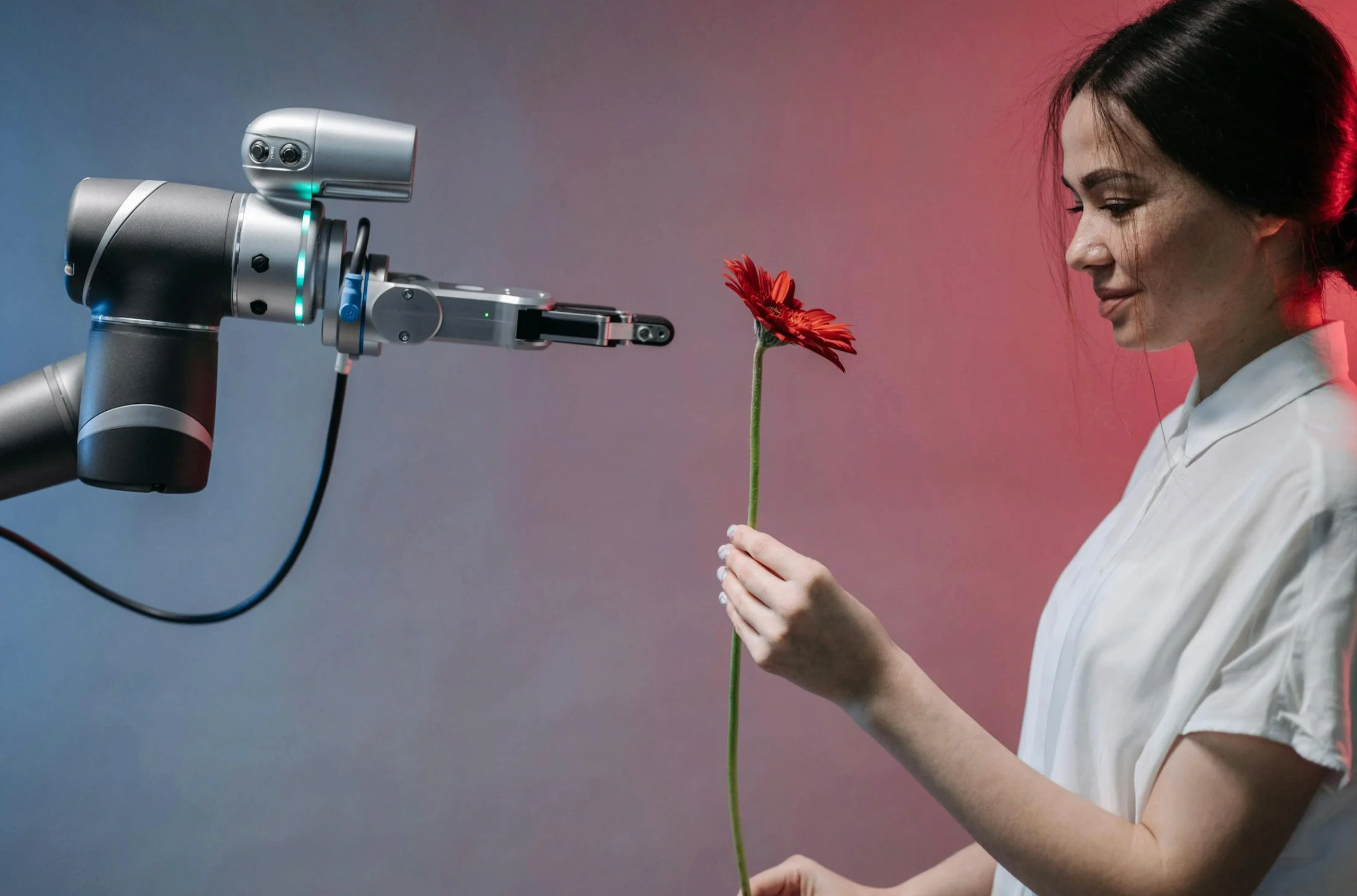
2) AI transforms consumer behaviour, because search is becoming a creative interface
Google’s top digital marketing trends and predictions for 2026 lean hard into one idea: people aren’t just searching, they’re exploring in real time with AI. AI Mode is positioned as a way to ask anything and keep asking, using text, voice, photos, and follow ups, which turns a search bar into something closer to a dialogue. That shift is predicted because society is already moving toward “outsourced thinking” for everyday decisions, from product comparisons to trip planning to creative brainstorming. But notice the trust tension too: Google explicitly warns AI Mode may make mistakes, which is a polite way of saying the future is helpful, not infallible. (Think with Google) (Google Search)
- Google’s Search Central guidance still puts the emphasis on unique, valuable content, strong page experience, and multimodal support like images and video. (Google for Developers)
- On the ads side, Google describes AI Max for Search as a one-click upgrade that reaches beyond manually selected keywords and can help ads appear in AI experiences. (Think with Google)
- The societal meaning: we want answers that feel personalised and immediate, but we also want receipts and links when the stakes feel real.
3) Young audiences seek creative participation, because identity is built in public now
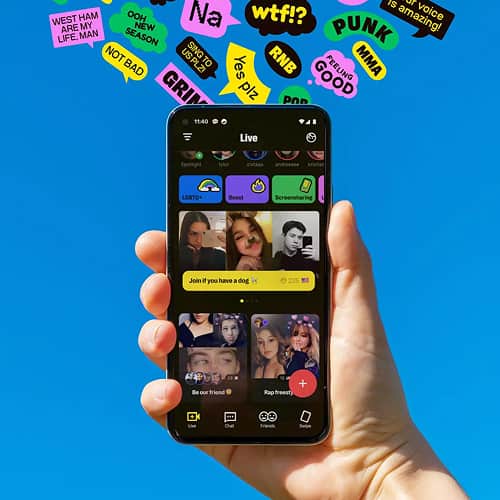
This is one of the most revealing top digital marketing predictions for 2026: younger audiences don’t just consume brand stories, they want to remix them. Google points to creative participation and creator driven culture, where relevance is built by letting people co author the narrative. That’s predicted because the internet has trained a generation to express identity through creation, not just taste, so participation becomes a form of belonging. You can see the scale on YouTube: Roblox related videos have surpassed 1 trillion views, which is basically culture at industrial volume. When the audience is already making fan edits, reaction videos, and spin off lore, a brand that won’t share the pen starts to feel invisible. (Think with Google) (YouTube Blog)
- Google cites creator participation as a new baseline for relevance, and YouTube trends data includes a stat that 34% of 14 to 24 year olds contributed to a creator project in the past year. (Think with Google)
- “Creative maximalism” is part of the aesthetic shift: faster, denser, more layered content that’s made to be paused, clipped, and remixed. (YouTube Blog)
- The societal meaning: attention is still scarce, but agency is the new status. People want to shape culture, not just rent it.
4) The rise of the nostalgic remix, because the past feels safer than the feed
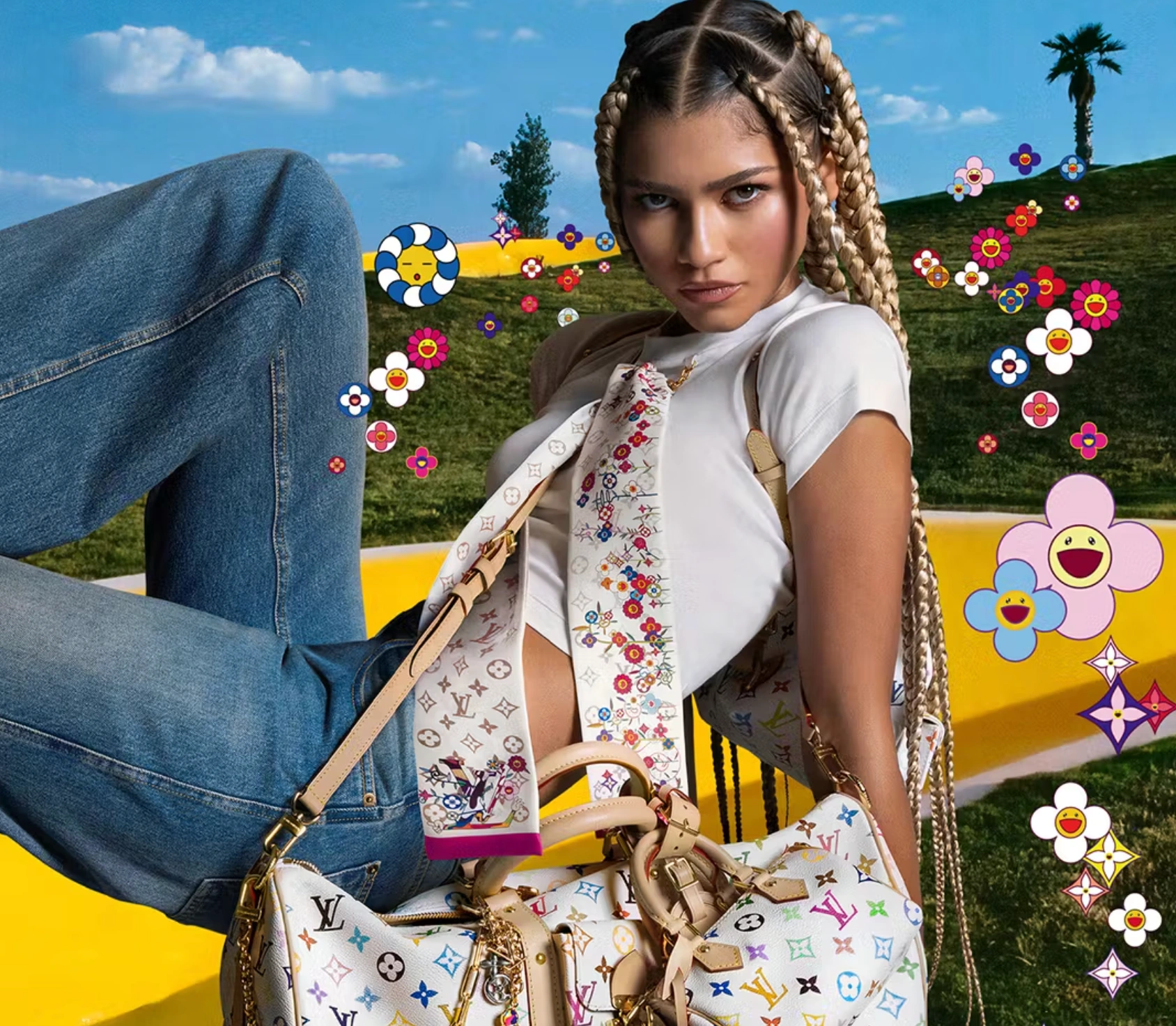
Nostalgia is no longer just a warm feeling; it’s a strategy for stability. Google frames 2026 as the era of the nostalgic remix, where brands win by using familiar cultural memory, but rebuilding it into something new instead of simply replaying old hits. That’s predicted because society is living through nonstop change, and nostalgia offers identity without the mental overhead of starting from scratch. The smartest part is the “remix” angle, because it respects how people actually consume culture now: they don’t want museums, they want reboots they can participate in. Louis Vuitton’s re edition collaboration with Takashi Murakami is a clean example of old magic repackaged as a new moment. (Think with Google) (LVMH)
- Nintendo leaned into the same emotional mechanic by bringing Paul Rudd back in a modern callback to a 1991 era ad. (YouTube)
- Research often ties nostalgia advertising to stronger brand attitudes and consumer preference, even if outcomes vary by category and execution. (EMAC Proceedings PDF)
- The societal meaning: when the future feels noisy, people reach for cultural anchors that prove they belong to something bigger than the current cycle.
5) The future of sustainability is tangible value, because trust is now regulated
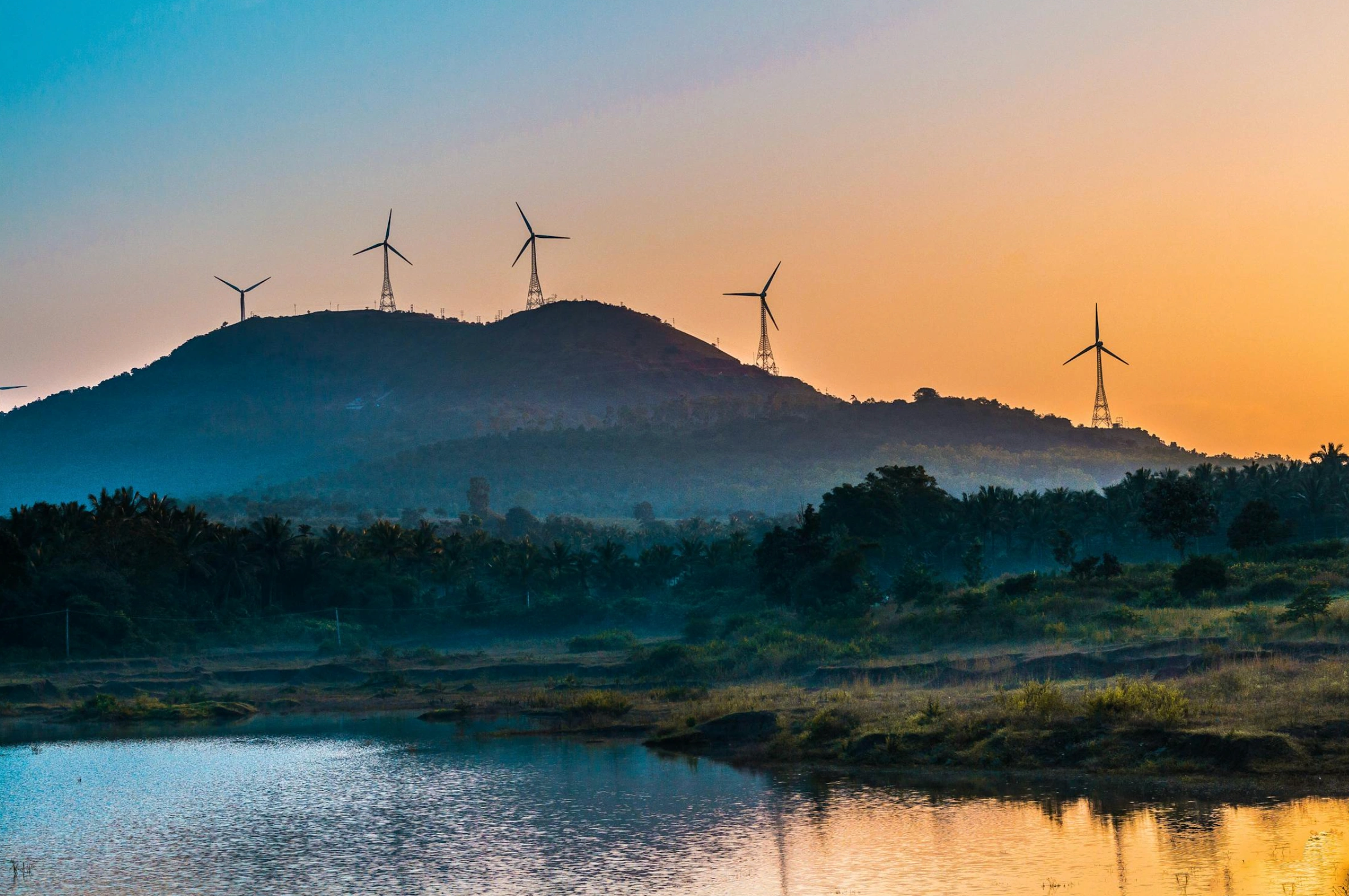
Sustainability has entered its “prove it” era, and that’s why Google predicts a pivot away from vague corporate pledges toward measurable product benefits. Society isn’t rejecting sustainability, it’s rejecting language that asks for faith without evidence, especially after years of greenwashed claims. Regulators are also tightening the screws: the European Commission explicitly frames green claims rules as a response to misleading claims and low consumer trust, and even publishes headline stats about vague claims and missing evidence. In the UK, the ASA has upheld rulings against fashion brands for unqualified sustainability language in paid search ads, which signals how high the bar is getting for what you can say in public. (Think with Google) (European Commission)
- The ASA ruling on Superdry spells it out: “sustainable” claims need clarity, life cycle context, and high substantiation, especially when the claim is absolute. (ASA)
- The practical shift: lead with durability, efficiency, repairability, and measurable reductions, not self congratulatory storytelling. (Google Business)
- The societal meaning: people still want to do the right thing, they just refuse to be manipulated into it with ambiguous language.
The thread that ties Google’s 2026 predictions together
If you zoom out, Google’s top digital marketing trends and predictions for 2026 are all about one thing: agency. People want agency over their time, so present wellbeing beats distant promises. They want agency over information, so AI search becomes conversational and multimodal, with links and follow ups when it matters. They want agency over culture, so participation becomes the new relevance. And they want agency over trust, so nostalgia gets remixed into something alive, while sustainability is forced into measurable truth. (Think with Google)
- 2026 marketing rewards brands that reduce anxiety, not brands that create more of it.
- The strongest stories will be co created, not broadcast. Google Business)
- Proof is becoming a feature, and vagueness is becoming a liability.
FAQ
What are Google’s top digital marketing trends and predictions for 2026?
Google’s top digital marketing trends and predictions for 2026 center on present wellbeing, AI reshaping consumer behaviour, younger audiences seeking creative participation, the rise of the nostalgic remix, and sustainability shifting toward tangible value. Together, they describe a market that rewards clarity and relevance in the moment. They also reflect rising expectations for transparency and for experiences people can actively shape.
Why are the top digital marketing trends in 2026 so focused on wellbeing?
Because uncertainty changes what feels motivating. When long term goals feel harder to reach, people value immediate progress and experiences that create relief now, not later. That’s why loyalty programs and value propositions are shifting toward smaller milestones and more frequent rewards.
How is AI changing search behaviour in 2026, in plain terms?
Search is becoming less like typing keywords and more like having a conversation that includes photos, voice, and follow up questions. Google presents AI Mode as an experience where you ask anything and explore deeper, with the important caveat that it can make mistakes. That combination explains the marketing reality: brands have to be easy to understand, visually rich, and credible enough to be recommended in AI shaped journeys.
What makes creative participation such a big part of the top digital marketing predictions for 2026?
Because younger audiences treat creation like conversation. They don’t only want to watch culture, they want to add to it, remix it, and get recognised inside it, whether that’s fandom edits, Shorts trends, or co created story worlds. Google’s YouTube trends reporting backs that up with both scale signals and survey data about how many young people actively contribute to creator projects.
How can brands talk about sustainability in 2026 without getting burned?
Treat sustainability like a claim that needs the same discipline as pricing or safety. Use specific, verifiable statements, make the scope clear, and avoid broad “sustainable” language unless you can substantiate it across the full life cycle. Regulators are increasingly explicit about greenwashing risk and low consumer trust, and the ASA has shown it will uphold complaints against unqualified claims in paid ads. (European Commission) (ASA)
The real message inside 2026’s marketing forecast
Google’s top digital marketing trends and predictions for 2026 don’t feel like a shiny tech future, they feel like a human correction. People are tired of being marketed at, so brands are being pushed to be more useful, more truthful, and more participatory. The winners won’t be the loudest, they’ll be the ones that make life feel simpler: less confusion, fewer hoops, and more moments that actually feel good. And once audiences get used to that level of respect, do you really think they’ll accept anything less?



%2520(1).png)