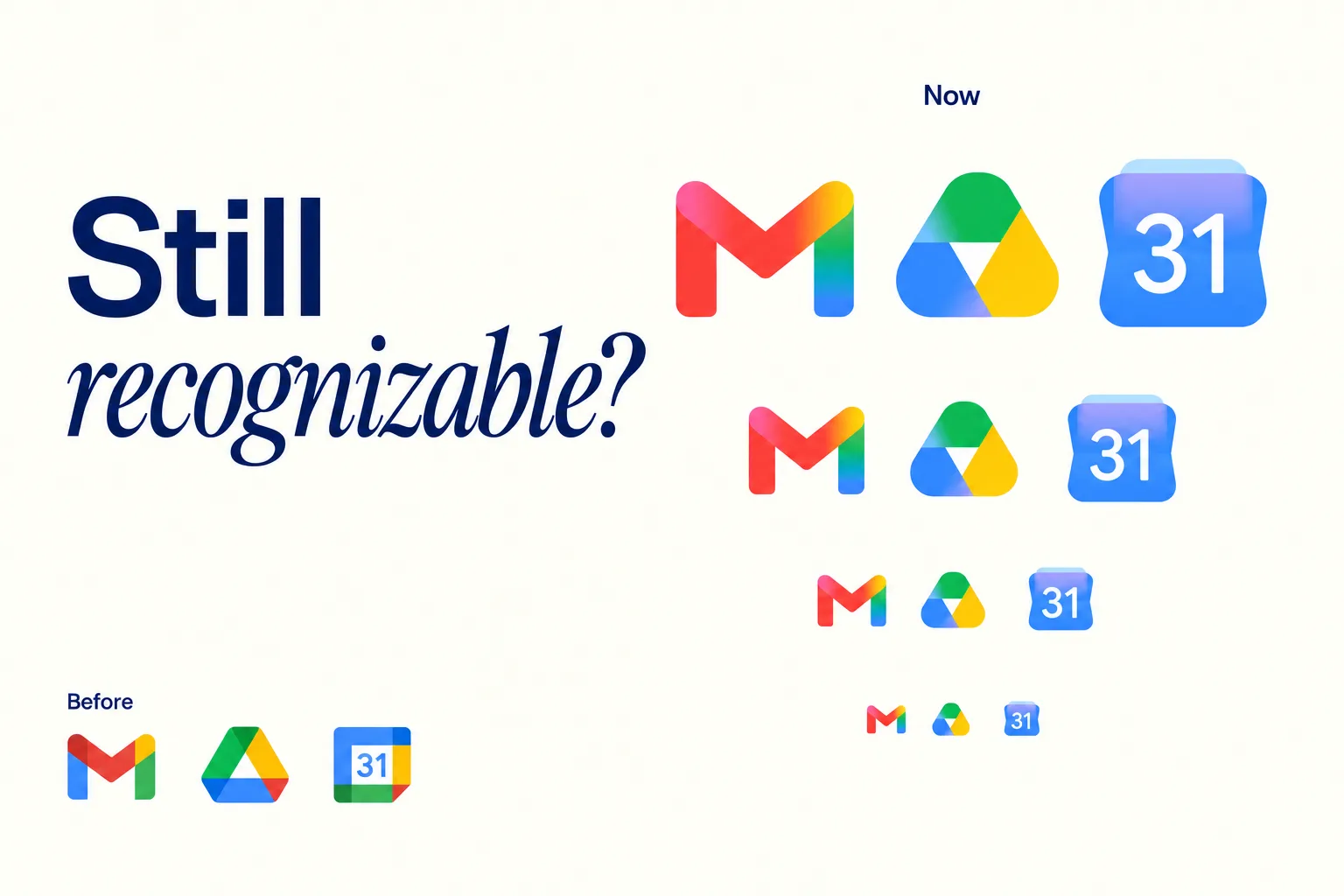
Web design has crossed a structural threshold. Static layouts, fixed hero images, and single-render banners no longer work as the assumption for how brand experiences should be built. Attention has moved toward motion and story.
The shift is being accelerated by generative video AI. Text-to-video systems that produce motion content directly from written prompts have moved from research curiosity to production tool within roughly 18 months. The implications for brand visual identity, landing page architecture, and the operating economics of design agencies are larger than the technology coverage usually acknowledges.
The article lays out how generative video AI is restructuring web design and visual identity, where the strongest applications are surfacing, and what the limitations look like for marketing leaders evaluating the technology.
The framing is most relevant for brand strategists, design directors, marketing leaders inside consumer and B2B software companies, and operators whose growth depends on how well their digital surfaces communicate.
Why the Web Design Discipline Is Moving Beyond Static Visuals
The structural reason web design is moving beyond static visuals has less to do with the visuals themselves and more to do with how buyers process digital surfaces in 2026.
Attention is shorter than it was five years ago. The average buyer arrives on a landing page from a content-saturated context, scrolls quickly, and decides within seconds. Static visuals communicate a fixed message the buyer either absorbs or skips. Motion-based visuals communicate continuously.
This shift connects to the broader web design discipline at a deeper level than feature swap. The brands winning on engagement metrics in 2026 are not the ones with the prettiest static photography.
They are the ones whose digital surfaces tell a story in the first few seconds and hold the buyer long enough to make a credible argument. Static design optimized for that job remains acceptable, but motion-based design optimized for it is producing measurably stronger outcomes.
Video production used to be expensive enough that most brands could only afford one or two hero pieces per year. That financial constraint shaped what was possible. Now the constraint has changed, and the design discipline is restructuring around the new economics.
Video production used to be expensive enough that most brands could only afford one or two hero pieces per year. That financial constraint shaped what was possible. Now the constraint has changed, with platforms such as Higgsfield functioning as an AI Video Generator that lets teams prototype motion content directly from a brief, and the design discipline is restructuring around the new economics.

What Generative Video AI Actually Does for Designers
Generative video systems convert natural language descriptions into rendered video sequences. A designer describes a scene, atmosphere, or narrative arc in text, and the system produces motion output without cameras, editing software, or production crews.
For the design function inside an agency or in-house team, this changes three operating realities.
The first reality is production time compression. Work that previously took days or weeks of pre-production, shooting, and editing can be prototyped in minutes. The compression is most visible at the concept stage, where designers can produce multiple visual directions before committing to one.
The second reality is reduced creative barrier. Small agencies and independent designers can produce motion content that previously required mid-six-figure production budgets. The category leaders in this space include tools like text to video AI platforms that aggregate model capabilities into accessible interfaces, which has shifted the production cost curve significantly for teams operating outside large studio budgets.
The third reality is scalable output. A single brand narrative can be rendered into dozens of variations targeting different audiences, platforms, or campaign moments. Instead of one hero video and many static crops, the workflow produces many hero videos and the variants compound rather than substitute for each other.
Categories that historically required heavy production overhead are being restructured around AI-native workflows. The marketing and design functions that adopt these workflows early build a measurable execution advantage over functions operating in the pre-AI cost structure.
How Generative Video Is Restructuring Landing Page Design
The most visible application of generative video AI inside web design is the landing page hero. Traditional hero sections rely on static imagery, sometimes accompanied by a static slider or single product photograph. The hero's job is to communicate brand identity and product positioning within the first second of page load.
Generative video allows the hero to do that job continuously rather than in a single static frame. A SaaS product can demonstrate the experience of using the product without a screen recording. A consumer brand can communicate atmosphere and lifestyle context without a photoshoot. A B2B service can convey the texture of the working relationship without a stock image.
The shift affects how designers approach the entire above-the-fold layout. Static heroes were designed around the assumption that the visual would be a snapshot supported by surrounding copy.
Motion heroes are designed around the assumption that the visual will tell most of the brand story and the copy will support a more specific call-to-action. The two approaches produce different page architectures even when the underlying product is identical.
The retention advantage is real. Buyers who land on a motion-led page spend measurably longer with the brand than buyers landing on a static page, which translates into higher comprehension of product positioning and stronger conversion outcomes downstream. Research on generative AI adoption documents how categories restructured around AI-native workflows produce measurable execution advantages.
Motion-Based UX and the Communication Layer
User experience design has always been about guiding attention. Generative video adds a new layer: motion storytelling, where transitions, animations, and visual cues communicate hierarchy and intent that text cannot easily convey.
For SaaS products in particular, motion-based explanation reduces the cognitive load of evaluating abstract software functionality. Rather than reading three paragraphs about what a workflow does, the buyer watches a 15-second sequence and understands intuitively. The information transfer rate compresses the time from initial interest to qualified consideration.
The implication for design teams is that motion is no longer a finishing touch. It is part of the structural information architecture of the page, and decisions about which sections motion should support belong at the wireframing stage rather than the polish stage.
The broader visual identity system also has to accommodate this shift. Brand systems built for static application (logo, color palette, typography) need to extend into motion vocabulary: how the brand moves, what its visual rhythm feels like, how transitions should be paced.
The brands that get this right produce digital surfaces that feel cohesive across every touchpoint. The brands that bolt motion onto a static-first brand system produce experiences that feel inconsistent in ways the buyer notices even if they cannot articulate the source.
How Generative Video Compresses the Iteration Cycle
One of the durable advantages of generative video AI is the compression of the design iteration cycle. The old model required producing one or two creative directions before committing to a final piece. The new model allows generating dozens of variants from prompt adjustments, which fundamentally changes how creative testing works.
The discipline that produces durable results from this capability is connecting the rapid generation to a structured measurement framework. Producing 20 variants of a hero section is only valuable if the team can systematically test which variants perform best against specific commercial outcomes. Without that measurement framework, the additional output produces choice paralysis rather than improved performance.
The agencies and in-house teams that operate this way share a few practices.
The first is treating each variant as a tested hypothesis rather than as a finished asset. The second is connecting variant performance to a structured marketing measurement framework that captures which directions produce engagement, conversion, and brand recall.
The third is feeding the performance signal back into the next round of generation, so the team converges on the strongest direction rather than producing infinite untested variants.
The volume advantage of generative video is only valuable inside a measurement infrastructure that can sort signal from noise. Teams that adopt the generation capability without measurement produce more output but not better output.
The Branding Implications: From Fixed Identity to Adaptive Systems
Branding has been moving toward adaptive systems for several years, and generative video accelerates that direction. Research on the connected customer documents how buyers in 2026 expect consistent brand expression across every touchpoint, which is exactly the operating reality adaptive brand systems are designed to meet.
Traditional brand systems were fixed: a logo, a color palette, a set of typographic rules, and a small library of approved photography. The system was designed to maintain consistency across many touchpoints by limiting variability. Adaptive brand systems take the opposite approach: the underlying brand attributes are tightly defined, but the surface expression of those attributes is continuously generated rather than manually produced.
For consumer subscription brands, retail brands, and B2B software brands that operate across many channels, adaptive brand systems produce measurably more output without proportional cost increase. The brand can show up consistently across landing pages, social campaigns, email sequences, and sales enablement without the production overhead a fixed brand system would require.
The trade-off is governance complexity. Adaptive brand systems require upstream brand attributes to be defined more rigorously than fixed systems do, because downstream generation has to maintain consistency without a human approval step on every output.
Brands that get this discipline right produce stronger, more flexible brand expression. Brands that adopt the adaptive approach without tightening the upstream definitions produce visual inconsistency at scale.

Pipeline Implications for Agencies and In-House Design Teams
Generative video AI changes the agency-client relationship and the in-house team operating model in concrete ways.
For agencies, client communication improves significantly at the concept stage. Rather than presenting static mockups and asking the client to imagine the motion treatment, agencies can show fully animated brand experiences early in the process, including the visual identity systems anchoring the work. Abstract ideas become tangible through motion, which reduces iteration cycles.
The economic pattern favors agencies that operate with creative discipline and tight measurement frameworks.
Agencies that produce stronger work in less time with more variants build measurable advantages over agencies that continue operating in the pre-AI production cost structure. The shift is similar in shape to the design-tool transitions of previous decades, where the firms that adopted the new tools faster pulled ahead.
For in-house design teams, the implications are more complex. The capability that previously required hiring video production specialists or agency partnerships can now be built inside the existing design team. Whether this is a cost saving, a quality risk, or a strategic capability investment depends on how the in-house team integrates the workflow with the rest of the brand and marketing function.
SEO and Visibility Implications
Beyond the production economics, generative video AI affects search visibility and AI-driven discovery in ways that compound over multi-year horizons.
Search engines weight video content positively in many query categories, particularly product evaluation, how-to, and category searches. Pages with embedded video typically produce longer time-on-page, lower bounce rates, and stronger engagement signals that feed back into ranking algorithms. The pages that combine credible written content with motion-based visual explanation perform measurably better than pages that rely on either format alone.
The AI search layer adds another dimension. As more buyers begin their research inside generative search interfaces rather than traditional search engines, the citation patterns inside those interfaces become as important as traditional rankings.
The discipline of answer engine optimization is emerging as the parallel track to traditional SEO, and brands that produce rich, multi-format content earn citations in AI-generated answers more reliably than brands producing single-format content.
Buyers in 2026 expect consistent, high-quality content experiences across every touchpoint, including the AI-generated interfaces increasingly mediating their research process. Brands that produce content in formats AI systems can readily process build a compounding visibility advantage. Brands that continue producing content in formats designed only for traditional search interfaces lose ground as the AI-driven research segment grows.
The Limitations and Where Human Direction Still Matters
Generative video AI is not yet a finished tool. Several limitations remain real, and the brands that adopt the technology productively are the ones that operate with clear awareness of where the tool stops being useful.
The first limitation is consistency. Maintaining character identity, scene continuity, and brand precision across multiple outputs remains difficult. A brand that generates 20 hero variants will find that the underlying visual rules drift across them in ways that require human curation to enforce.
The second limitation is creative direction. The tool can produce impressive visuals from competent prompts, but high-end brand work still requires human judgement on narrative arc, emotional pacing, and cultural calibration. The brands that get this right operate generative video as part of a hybrid workflow.
The third limitation is the quality gap with cinematic production. AI-generated motion has improved significantly, but premium brands and high-stakes campaign moments still benefit from professionally produced cinematic content. Category leaders typically operate hybrid pipelines.
Research on managing generative AI risks documents how the categories getting the strongest return from generative tools are the ones that operate with clear governance frameworks around what the tool produces and how it gets reviewed.
The same pattern applies inside design and brand functions. Generative video is most valuable when it operates inside a governance system that catches drift, enforces brand consistency, and reserves human direction for work that genuinely requires it.
Where the Discipline Goes Next
The next 24 months will surface three shifts worth tracking.
The first shift is the integration of generative video with personalization engines. The same variant generation capability will be applied to producing buyer-specific visual experiences, with hero sections rendering differently for different segments.
The second shift is the maturation of governance tooling for adaptive brand systems. The brands that win on adaptive brand expression will be the ones that build the tooling to enforce brand consistency across infinite generated outputs without requiring human approval on every variant.
The third shift is the entry of AI-native design systems that treat motion, layout, and narrative as algorithmically generated rather than manually designed. The endpoint is design systems that operate as continuous content engines responding to user intent and behavior in real time.
The Strategic Frame for Brand and Marketing Leaders
The brands that win on digital presence over the next five years will be the ones that have rebuilt their design and brand systems to operate fluently with generative video AI rather than treating it as an external tool used occasionally.
The shift required is structural rather than tactical. Generative video AI gets adopted by restructuring how the design function operates, how the brand system is documented, how creative testing connects to performance measurement, and how the content pipeline integrates with the rest of marketing.
The brands that wait for the technology to mature further will adopt the discipline after the competitive advantage has compressed. The brands building the operating model around the capability now will hold the visual presence positions the next phase of digital competition rewards.
The window to build that operating model is open now. The brands using it well are the ones that will own their categories during the next decade of digital experience evolution.

.webp)