
Many people in Vietnam dream of working in the U.S. The EB-3 visa can make that dream come true. It gives you the chance to live and work legally in the United States.
This visa is open to workers with or without special skills. Even if you only finished high school, you can still qualify. Thousands of Vietnamese workers are already applying through the EB-3 route. If you’re planning to go, this guide will help.
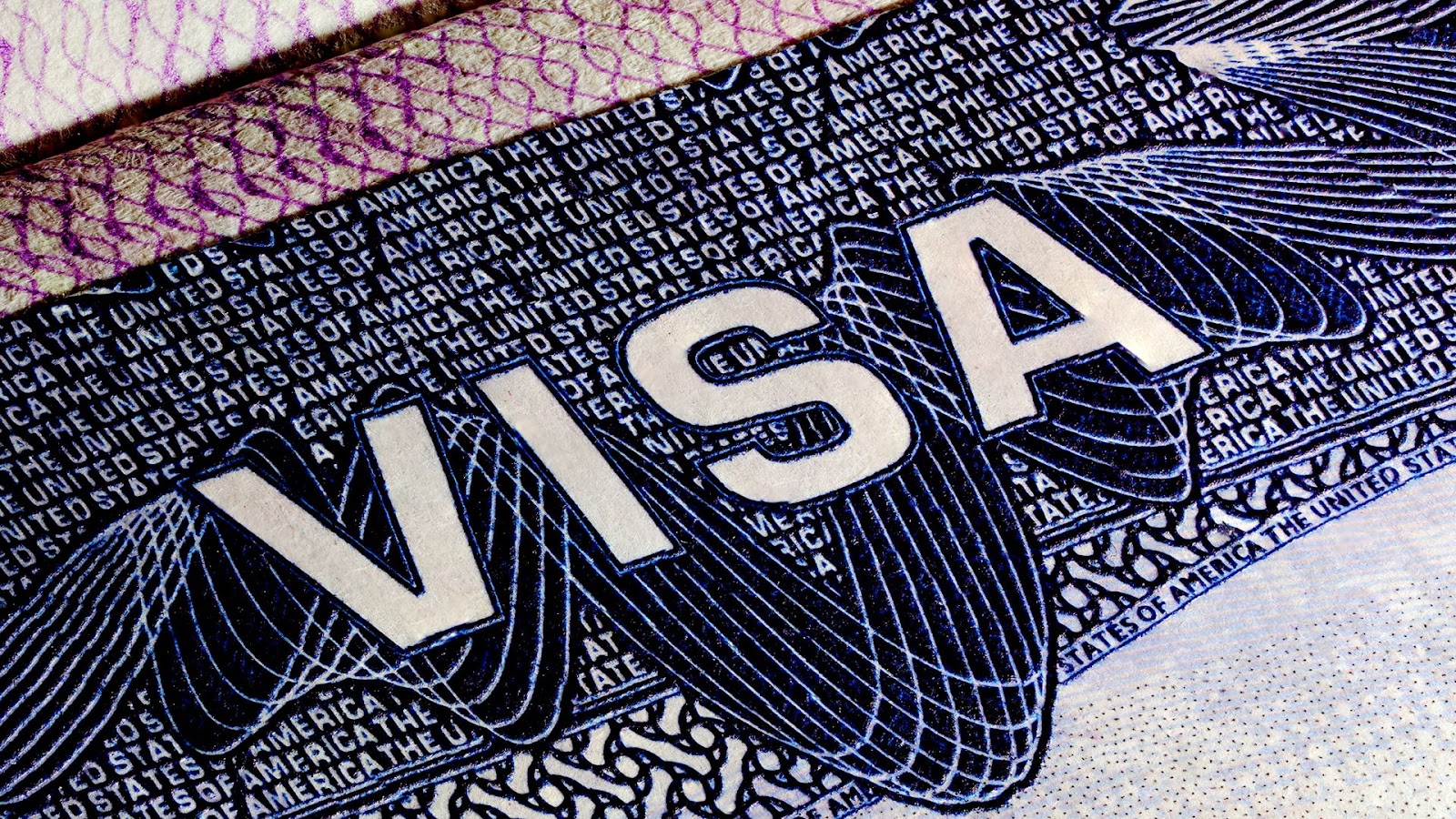
What Is the EB-3 Visa?
The EB-3 is a work-based U.S. visa. It offers Green Card status to foreign workers.
It has three categories:
- Skilled workers (Years of experience)
- Professionals (with a college degree)
- Unskilled workers (no special training required)
Most Vietnamese people apply under the unskilled category. These jobs include factory work, kitchen help, cleaning, caregiving, etc.
Why Vietnamese Workers Choose EB-3?
- You don’t need a college degree.
- You don’t need to be fluent in English.
- You get a Green Card, not a temporary visa.
- You can bring your spouse and kids.
- You get better pay and working conditions.
- After 5 years, you can apply for U.S. citizenship.
It’s a safe and legal way to start a new life.
Where to Find EB-3 Jobs Now?
Finding the right job is the first step. You can’t apply for the visa without a job offer.
Let’s look at where you can find real EB-3 job openings.
1. EB3.work – A Trusted EB-3 Support
EB3.work connects workers with U.S. companies that offer EB-3 sponsorship. They guide you through each step of the process. From job matching to visa paperwork, they handle it all. No need to search randomly or talk to fake agents. EB3.work works directly with real employers.
You can view jobs, apply, and get support in one place. It’s safe, simple, and made for workers like you. Many Vietnamese workers have already applied through EB3.work. It’s a trusted platform with helpful staff and clear steps.
2. U.S. Job Sites
Sites like Indeed or Glassdoor may list EB-3 jobs. But not all listings are genuine or active. It’s hard to know which employers really sponsor visas. That’s why many workers prefer trusted platforms like EB3.work.
3. Local Agencies
Some agencies in Vietnam offer EB-3 services. Be careful. Not all are legal or honest. If they ask for full payment upfront or promise fast visas, be alert. Always ask for proof. Compare their offer with what EB3.work shows. You’ll see the difference in transparency.
4. U.S. Embassy or Job Fairs
Sometimes U.S. employers join events in Vietnam. You may find job offers through these programs, but these chances are rare. They don’t happen often. It’s still better to go through a stable source like EB3.work.
Steps for Vietnamese Workers to Apply
The EB-3 process has several stages. It may take time, but each step is important:
- Find an Employer Who Will Sponsor You
This is the most important step. Without a real job offer, the process cannot begin. - PERM Labor Certification
The U.S. employer must show that no American wants or can do the job. This is done by applying for PERM. - File Form I-140 (Immigrant Petition)
This step tells the U.S. government that the employer wants to hire you. - Wait for Visa Availability
Each country has a set number of EB-3 visas each year. Vietnam has its own queue. Sometimes you need to wait a few months. - Apply for a Green Card
If you are in Vietnam, you will do Consular Processing through the U.S. Embassy in Ho Chi Minh City. If you are already in the U.S., you can adjust your status with Form I-485. - Get Your Medical, Interview & Visa
Once approved, you’ll receive your immigrant visa. You and your family can now fly to the U.S.
What Vietnamese Workers Should Watch Out For?
Sadly, some people get tricked. Be smart and stay safe:
- Don’t pay large fees before you have a real job offer.
- Ask for written documents (job offer, payment agreement).
- Be careful if someone says “guaranteed visa”—no visa is guaranteed.
Only trust platforms or agencies with client reviews, U.S. business addresses, or immigration lawyers on staff.
Always double-check with the U.S. Embassy or an immigration expert if you are unsure.
Common Jobs Vietnamese EB-3 Applicants Can Get
Here are a few job types that many workers from Vietnam are offered:
- Food processing worker (e.g. chicken or fish packing)
- Dishwasher or hotel housekeeping
- Caregivers for the elderly
- Construction labor
- Factory or warehouse helper
- Landscapers or gardeners
- Restaurant helpers or servers
These jobs are physically demanding, but they offer good pay compared to local wages. More importantly, they open a legal door to the U.S.

Final Tips for Vietnamese Applicants
- Start learning English now – it helps with interviews and daily life in the U.S.
- Prepare savings – You may need money for agency fees, travel, medical tests, and document fees.
- Stay updated – Follow U.S. immigration news and track your visa bulletin.
- Don’t give up – The process takes time, but patience pays off.
Closing Words
The EB-3 visa is a real chance for many Vietnamese people to build a new life in America. It’s not just about the job—it’s about the future. You can bring your family, live legally, and even apply for citizenship later.
The key is to find the right employer or agency. Look for job matches that are real and safe. Ask questions. Don’t rush. With good research and care, many Vietnamese workers are now living their American dream, step by step.
If you’re ready to start, begin with EB3.WORK. The door is open—you just need to walk through it.


%2520(1).png)