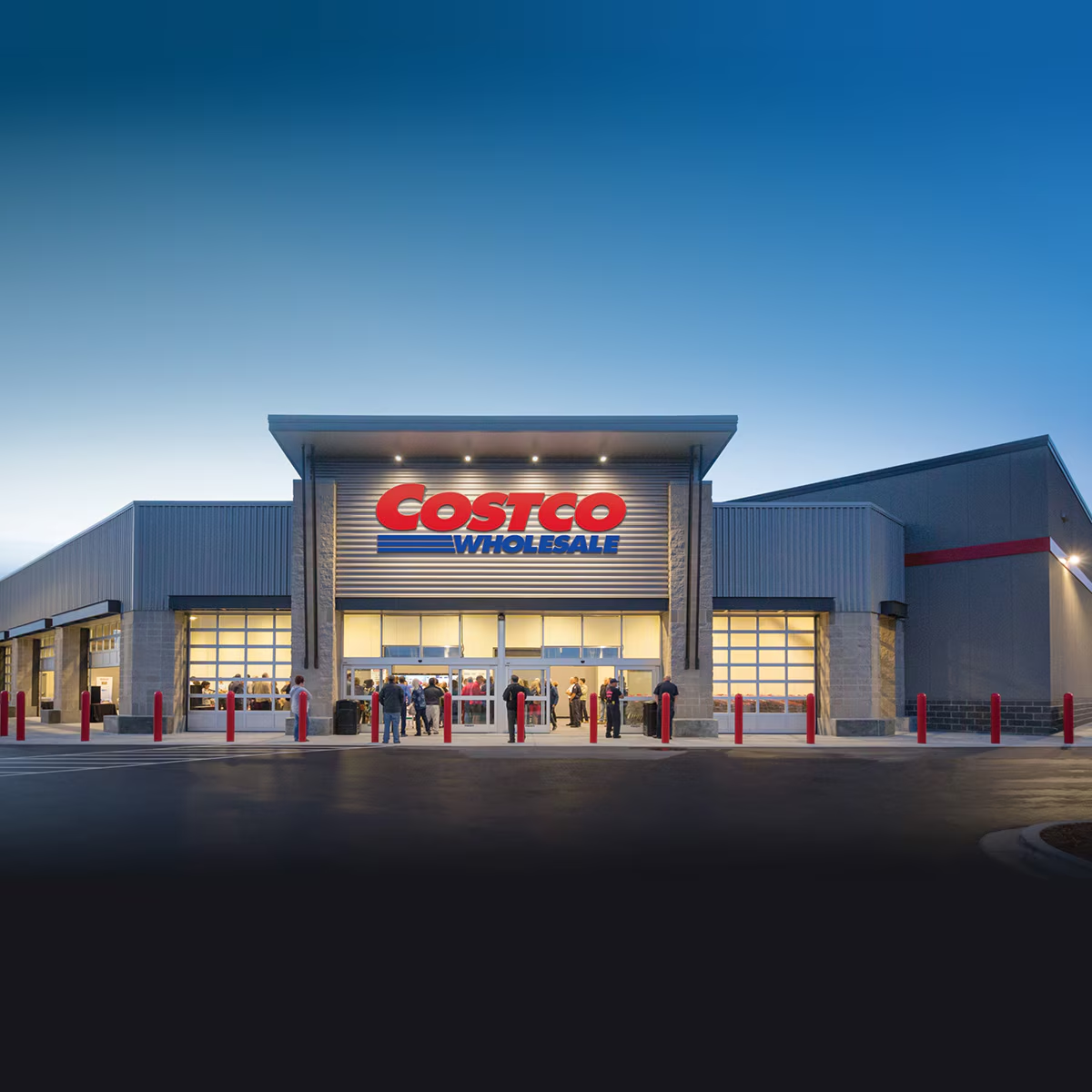
Costco is often described through warehouses, bulk packs, and low prices, but its business strategy is more specific than “sell more for less.” The model combines recurring membership revenue, a limited assortment, high inventory turnover, private-label strength, and a shopping experience that gives members repeated reasons to return.
That combination makes Costco a useful case study in value positioning. The company does not need every product to carry a large margin if the wider system keeps membership attractive, purchasing efficient, and volume high. For consumer-facing companies, the lesson is less about copying a warehouse model and more about making the value proposition consistent across pricing, experience, and operations.
This analysis is grounded in the brand and growth work we do at Brand Vision. For more practical business and marketing analysis, you can also browse Brand Vision articles.
Membership Model: The Core of Costco's Business Strategy
Membership is one of the clearest reasons Costco can operate differently from a conventional retailer. At the end of 2023, the company had more than 127 million cardholders. By the fourth quarter of fiscal 2026, Costco reported 84.1 million paid memberships and 150.4 million total cardholders, while the U.S. and Canada renewal rate stood at 92.3% in its Q4 membership highlights.
The economics matter too. Costco reported $5.907 billion in membership-fee revenue for fiscal 2026. That is meaningful recurring revenue, but it should not be described as simply covering all operating costs. Instead, membership income supports a model designed around lower merchandise margins and strong member value.
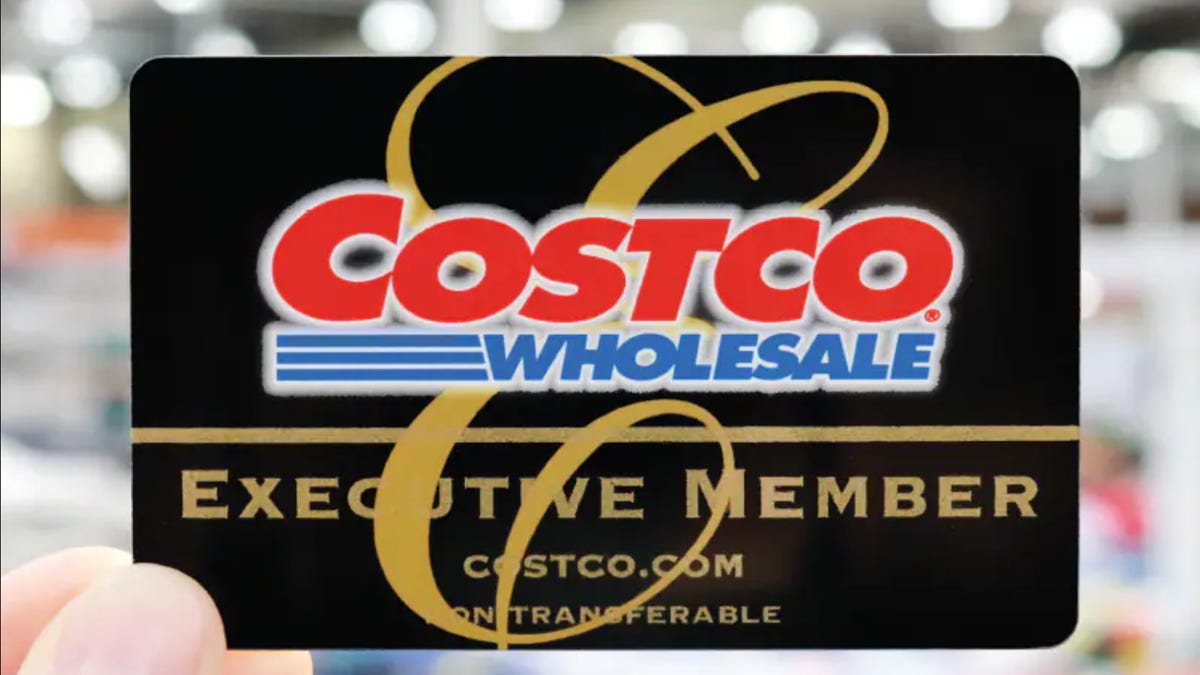
In the U.S., the current Gold Star fee is $65 per year and Executive Membership is $130 per year. Executive members earn a 2% reward on qualifying purchases, generally up to $1,250 annually, according to Costco's current membership comparison.
Executive membership also deepens the economics of loyalty. Costco's fiscal 2026 Q4 materials reported 42.3 million Executive memberships and said Executive members represented 75.6% of sales. The strategy therefore does more than collect an annual fee. It gives heavy users an additional reason to consolidate more spending with Costco, which can reinforce both renewal and basket value over time.
Price, Assortment, and Kirkland Signature
Costco's value proposition depends on more than cheap products. Its investor overview describes a model built around low prices, a limited selection, high sales volumes, rapid inventory turnover, and operating efficiencies from volume purchasing and reduced handling. That limited-selection approach is central because it concentrates buying power and makes the assortment easier to manage.
Kirkland Signature strengthens the same system. Costco's 2025 annual report said Kirkland Signature typically offered 15% to 20% savings compared with national-brand equivalents and had grown to about $90 billion in annual global revenue. The private label gives Costco more control over value, quality, and differentiation while reinforcing why the membership is useful.
Operational discipline can also include practical asset decisions, including logistics around store changes and office furniture disposal. The strategic point is that Costco's customer promise is supported by behind-the-scenes efficiency, not only by promotional messaging.
@healthycompetition How Costco wins with their Kirkland brand #costco #kirkland #techtok #productmarketing #pmm #competitiveintelligence #b2b #saas #b2bsaas #businesstok #fyp #b2bmarketing #greenscreen ♬ original sound - Andy McCotter-Bicknell
Volume, Simplicity, and the Treasure-Hunt Experience
Costco's limited assortment does two jobs at once. Operationally, fewer high-volume choices can simplify purchasing and inventory decisions. For customers, the rotating mix also creates a “treasure hunt” effect, because some products are temporary, seasonal, or unexpected.
That experience is part of Costco's unique brand experience. A warehouse visit is not designed to feel like an endless catalog. It gives members recognizable staples plus enough novelty to encourage browsing. Scarcity and rotation can create urgency, but the strategy works because the broader value promise is already credible.
This is where operations and visual identity overlap. The store format, packaging scale, private label, signage, price expectations, and even the surprise of the assortment all reinforce the same idea. A brand becomes more memorable when the experience proves the promise without requiring a separate campaign to explain it.
For B2C marketing, this is an important distinction: loyalty is stronger when the experience itself gives customers a reason to come back, rather than relying only on reminder campaigns or discounts.
Food Courts and Gas Stations Extend the Value Proposition
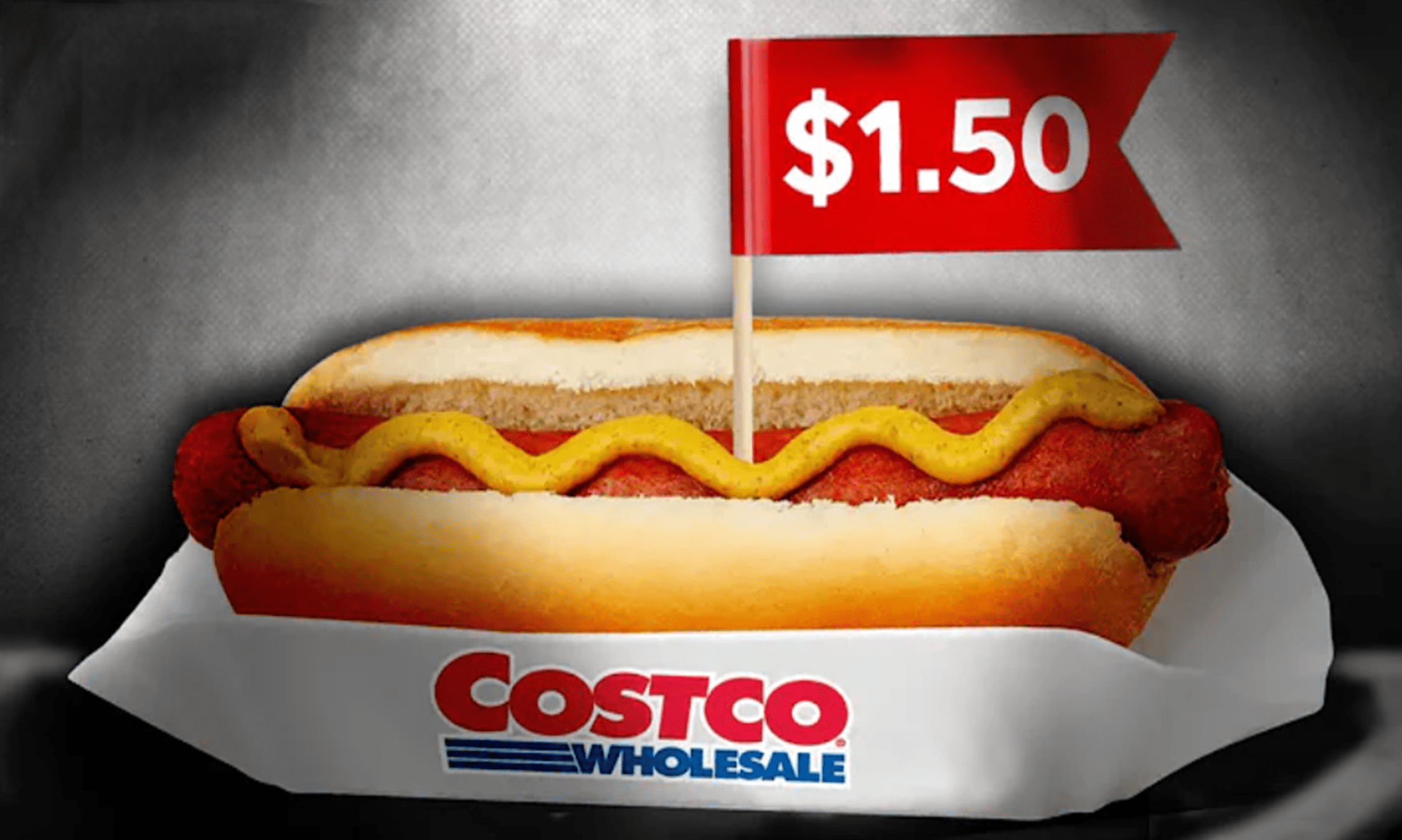
Costco's famous $1.50 hot dog combo illustrates how a small, memorable price point can reinforce the wider brand promise. The food court is part of the visit and gives customers another highly recognizable expression of value.
Gas stations play a similar role for many locations. Fuel gives members another recurring reason to interact with the brand and can increase the usefulness of the membership beyond the warehouse itself. Costco does not separately disclose simple companywide food-court or gasoline revenue figures in the way the old article suggested, so those unsupported estimates should not be treated as established facts.
Employees Are Part of the Operating Model
Costco explicitly connects taking care of employees with taking care of members. Its 2025 annual report said compensation and benefits were its largest expense after merchandise costs. The company also reported an average hourly rate of about $32 for U.S. hourly employees at the end of 2025, and a 94% retention rate in the U.S. and Canada among employees with at least one year of service.
Those figures matter because service quality and operating consistency depend on people. Higher retention can preserve experience, training, and process knowledge. The useful lesson is not that higher wages automatically create better service, but that workforce strategy is part of the customer experience rather than a separate internal issue.
E-commerce Is Now a Meaningful Growth Channel
Costco's digital business has moved well beyond its pandemic-era growth story. In fiscal 2026, digitally enabled comparable sales increased 20.9%, according to Costco's latest full-year results. That growth shows that the value proposition can extend into digital channels without replacing the warehouse model.
The digital experience still has to make Costco's limited-selection and value logic easy to understand. This is where UX research can help any retailer identify where customers hesitate, while ecommerce SEO helps product and category pages capture existing search demand.
The broader lesson for a retailer is that digital should extend the business model instead of fighting it. Costco does not need its website to imitate Amazon's endless assortment. It needs online discovery, fulfillment, membership, and warehouse visits to feel like different access points to the same value system. An integrated marketing agency can apply the same principle by keeping paid, organic, content, and conversion work aligned around one customer promise.
Costco's Business Strategy by the Numbers
The scale is now substantially larger than the older article suggested. Costco's fiscal 2024 results reported $254.5 billion in total revenue. Fiscal 2026 total revenue reached $303.154 billion, including $297.2 billion in net sales and $5.907 billion in membership fees.
The useful takeaway is the relationship between those numbers. Membership revenue is important, merchandise still drives the overwhelming majority of revenue, and both sit inside an operating system designed to support volume, renewal, and repeat visits.
What Businesses Can Apply From Costco
Most businesses should not copy Costco's tactics literally. The stronger lesson is to build a system where pricing, offer design, experience, and retention reinforce the same promise.
- Create a retention mechanism that earns renewal through visible value, whether that is a membership, subscription, service plan, or a simpler repeat-purchase system.
- Reduce unnecessary choice. A focused offer can make decisions easier and help teams execute more consistently.
- Protect margin through structure rather than constant discounting. Bundles, tiers, minimums, or annual plans can make the economics clearer.
- Make the brand promise consistent. A brand strategy should connect what the business promises with how the offer and customer experience actually work.
- Translate that promise into a clear digital journey. A web design agency and a focused UI UX design agency can help make the next step understandable without adding unnecessary friction.
- Build durable discovery around the categories people already search for. A broad SEO agency can support the overall organic system while specialist ecommerce work handles product-driven demand.
Costco's business strategy is powerful because members encounter the same value logic in the fee, the assortment, Kirkland Signature, the warehouse experience, fuel, food, and digital channels. The pieces reinforce one another. Membership creates commitment, a concentrated assortment supports buying power, Kirkland strengthens differentiation, and recurring services make the membership useful between major shopping trips.
That coherence is more transferable than any single Costco tactic. A smaller company may never need a paid membership or a private label, but it can still design an offer where the economics, customer journey, retention mechanism, and brand promise point in the same direction. If your own value proposition feels fragmented, a focused marketing consultation can help identify which part of the system needs attention first.