Brandy Melville built one of the most copied looks in teen fashion by doing less, not more. One narrow aesthetic. One size on the rack. One social loop that turns customers into the marketing. Most write-ups treat the brand as either a styling trend or a scandal, and it is more useful to read it as a system, because the same handful of decisions explains both the growth and the backlash.
At Brand Vision, our branding agency work spans brand strategy, web design, and marketing, so we read a brand like this less as gossip and more as a case study in what a tight point of view can build, and what it can cost. This guide covers Brandy Melville from end to end: its origin in Italy; the store formula that spread from Los Angeles to Europe and Asia; the product and sizing choices that shaped demand; the Instagram and TikTok playbook; the John Galt sub label; the lawsuits and HBO documentary; and the sustainability questions that keep the brand under scrutiny.
At a glance
- Origin: Brandy Melville began in Italy in the 1980s, founded by Silvio Marsan and his son Stephan Marsan, who is the current chief executive. The name comes from a company fable about Brandy, an American girl, and Melville, an Englishman, who fall in love in Italy.
- US launch: The first US store opened in Westwood near UCLA in 2009 and helped define the California teen look that powers the brand.
- Scale: TIME counted about 94 stores worldwide in 2024, including 36 in the US. Brandy Melville's official store locator remains active in 2026, while Business Insider documented expansion into Seoul in January 2025.
- Ownership: The public ownership structure is difficult to trace. US stores are operated by Bastiat USA, Inc., while the trademark sits with a Swiss parent, Y.Y.G.M. SA, and individual shops are held under separate entities.
- Sizing: Most garments are sold as one size fits most, roughly a US extra small to small.
- Sub label: The John Galt line takes its name from Ayn Rand's Atlas Shrugged, reflecting libertarian interests reported by Business Insider.
- Controversies and legal matters: A 2024 HBO documentary and press reports allege discriminatory hiring, exclusionary sizing, and a toxic work culture. The company also resolved a 2022 California wage and break case for about $1.45 million and has filed recent intellectual property suits against Shein and Temu.
What Brandy Melville is
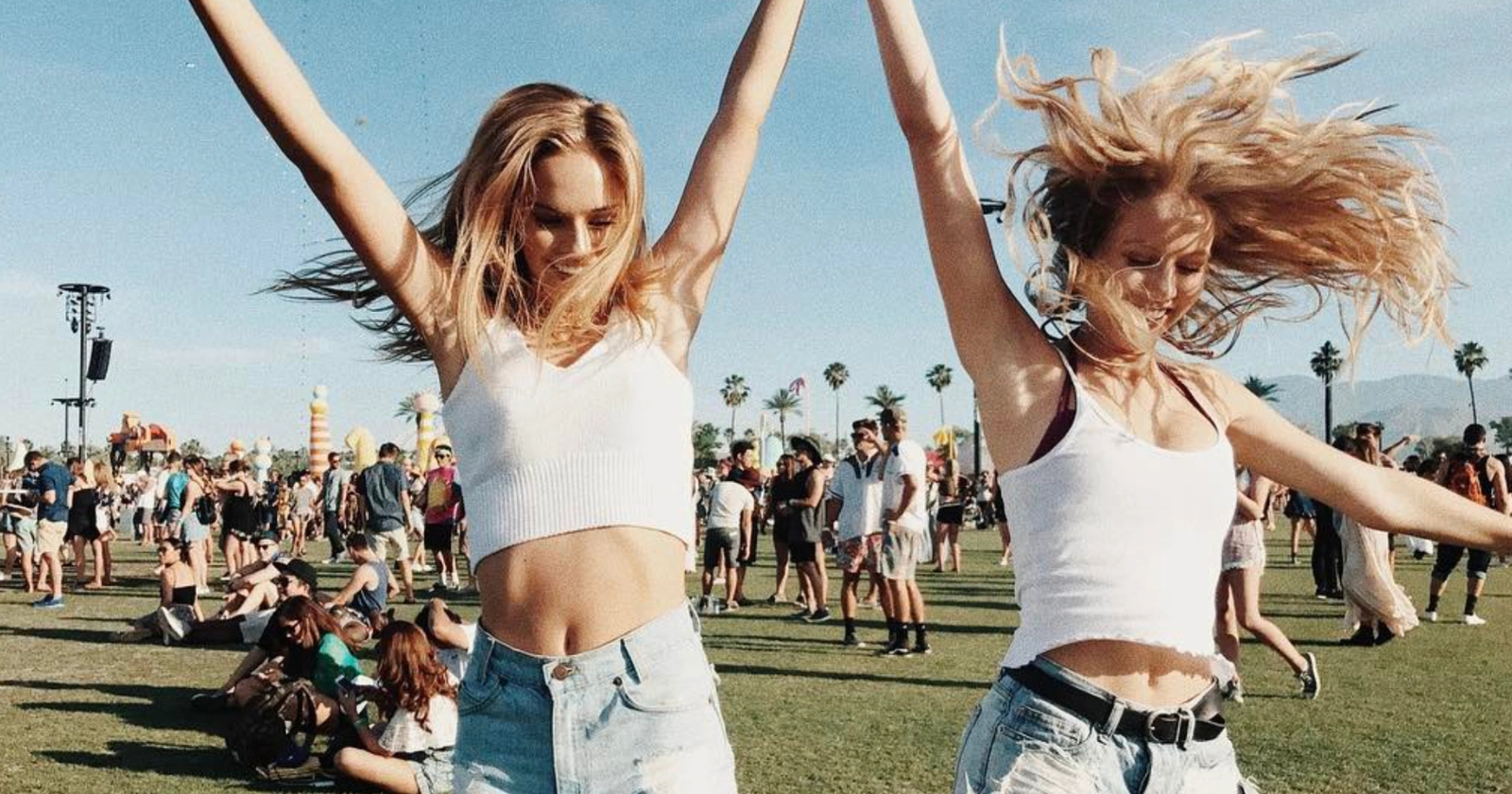
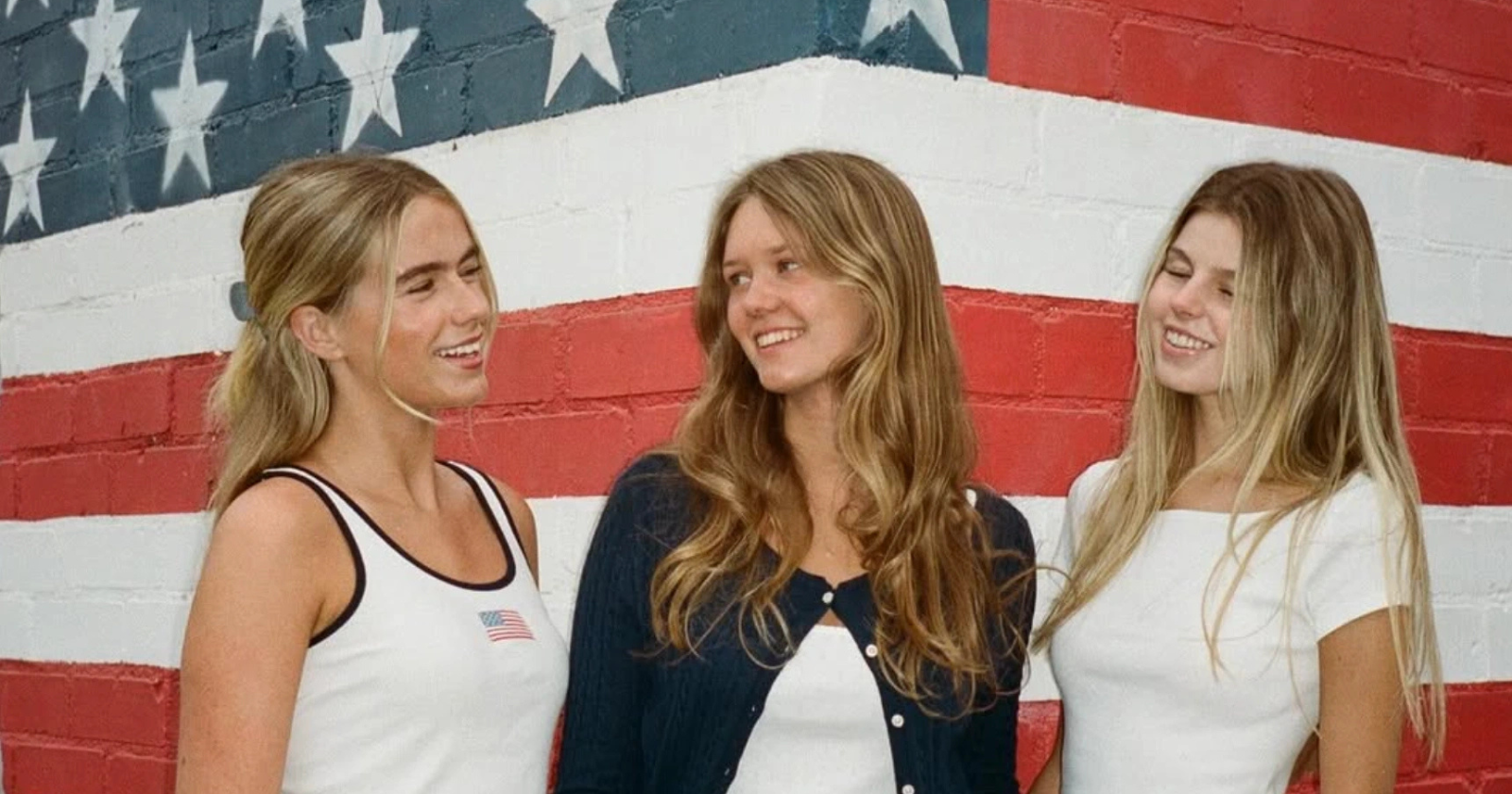
Brandy Melville is a youth B2C fashion retailer that grew by presenting a narrow, sun-bleached version of California casual across small stores, social feeds, and rapid product drops. Its fashion marketing repeats the same visual and product codes across stores, social feeds, and merchandising. The look is simple basics: cropped knits, baby tees, denim, and sweat sets in neutral colours with the occasional collegiate or place-name graphic. The brand does not publish a formal mission statement. Its de facto positioning is the thing it repeats everywhere, which is that it sells a single look as a lifestyle rather than a catalogue, and that framing is what makes both the stores and the social grids feel like a private club for girls who match the vibe.
The origin story and leadership
Brandy Melville started in Italy in the 1980s and is run today by chief executive Stephan Marsan, the son of founder Silvio Marsan. The brand leaned into a California storyline after opening in Los Angeles in 2009, and media profiles and the HBO film identify the father-and-son founding team. The public ownership structure is difficult to trace. TIME notes that Stephan Marsan keeps a very low public profile and that store ownership is hard to trace because shops are held under separate entities. Court filings in the brand's recent lawsuits name Bastiat USA, Inc. as the US operator and the Swiss company Y.Y.G.M. SA as the trademark holder, which is as close to a clear answer on who owns Brandy Melville as the public record gets.
Where the stores are and how they work
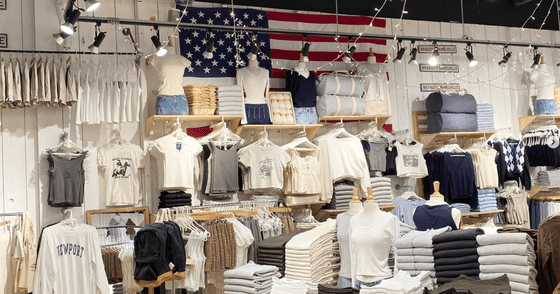
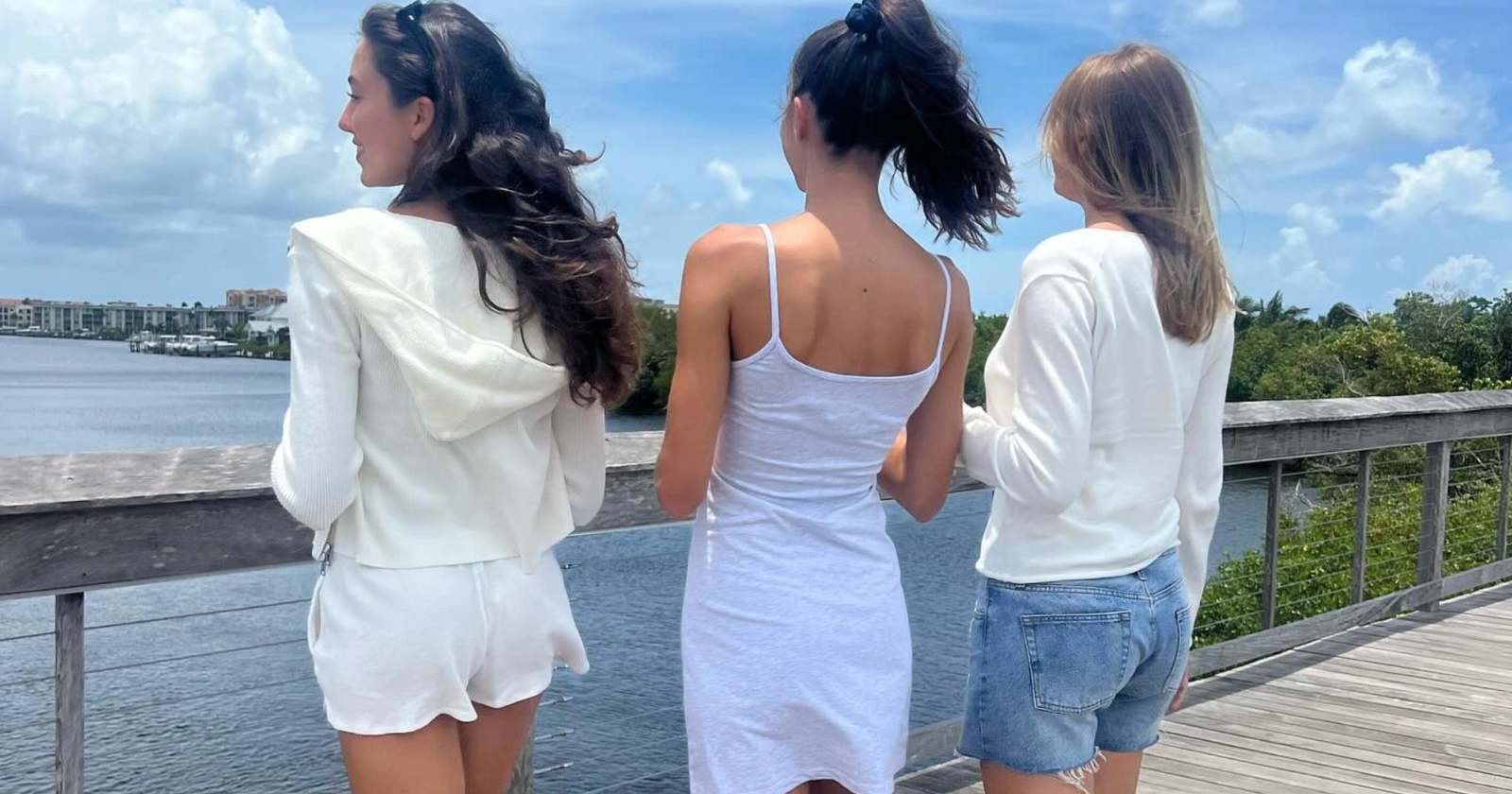
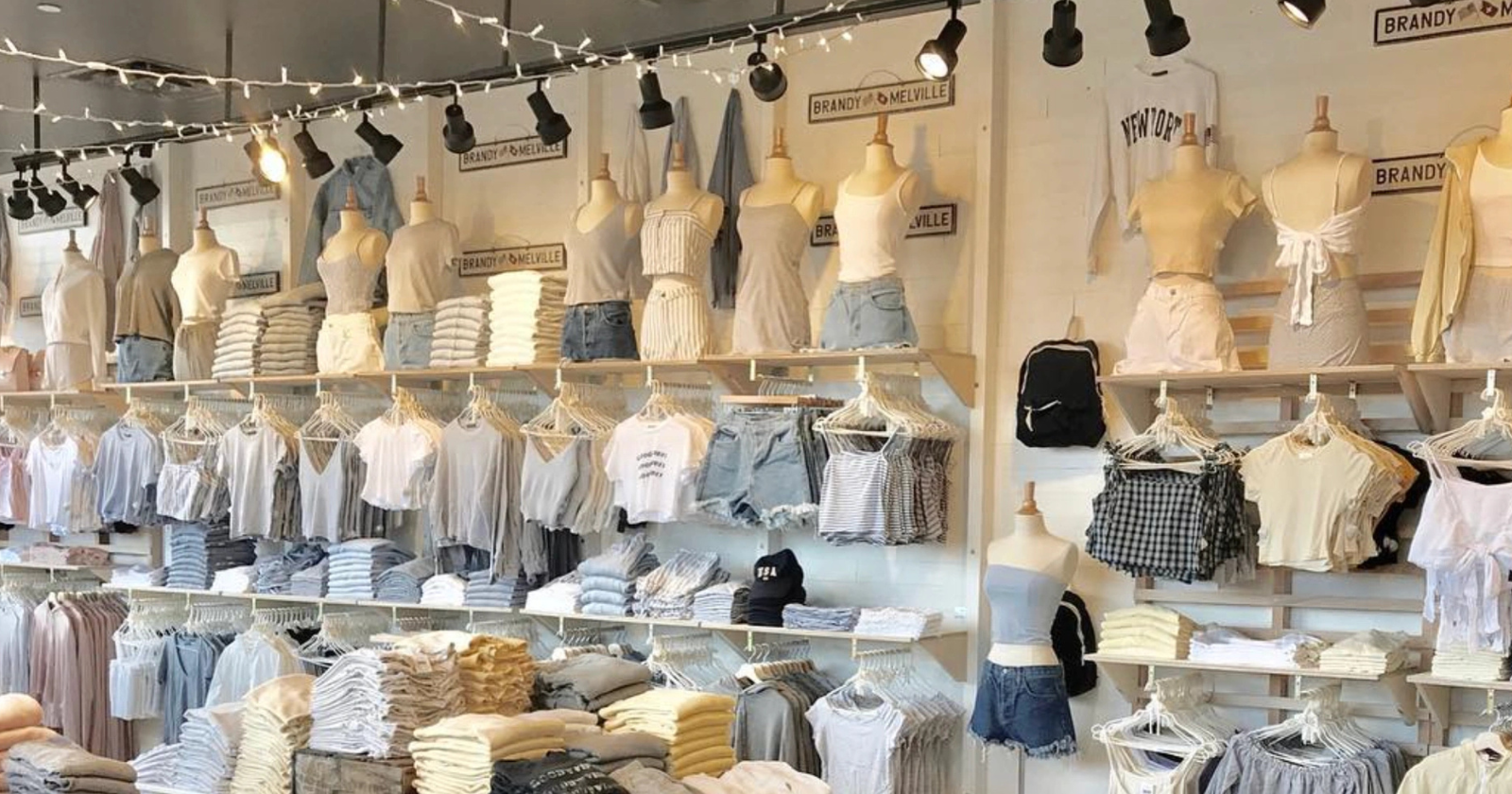
TIME counted about 94 stores worldwide in 2024, with 36 in the United States. That is a dated snapshot rather than a current global total, and Brandy Melville still directs shoppers to its live store locator as locations open, move, or close. A 2025 Business Insider update on the Seoul opening shows continued expansion into Asia, with a location in Seoul's Seongsu-dong district that drew queues and heavy TikTok coverage. The US identity was shaped heavily by the 2009 Westwood opening, and the transferable lesson for a place-coded consumer brand is that a branding agency in Los Angeles should turn local cues into a system that can travel without pretending every market is the same. Inside the shops the set is consistent: pale wood tables, handwritten or vintage-style signage, polaroid-style imagery, and curated music that reinforce the low-key, beach-city feel fans describe as relaxed and aspirational.
Product and sizing inside the Brandy Melville brand
Brandy Melville popularised a one-size approach for many core items. Reporting and the documentary describe the policy as one size fits most, corresponding roughly to a US XS or S. The Wall Street Journal has reported on how that one-size-fits-most model divides teen shoppers. Defenders say it simplifies operations and creates a recognisable silhouette for merchandising and social posts. Critics argue it excludes most body types and normalises a very thin ideal for teenage girls. Both positions appear repeatedly in mainstream coverage and in the film.
Price points and drop rhythm
Part of the appeal has been a price that feels attainable for teens compared with premium labels, while scarcity and drop culture still confer status. Items rotate quickly in small batches, which keeps the tables fresh for return visits and feeds the buy-it-now mindset common to fast fashion cycles documented in the HBO film. If something catches your eye on one visit, it is often gone by the next.
How Brandy Melville markets without traditional ads
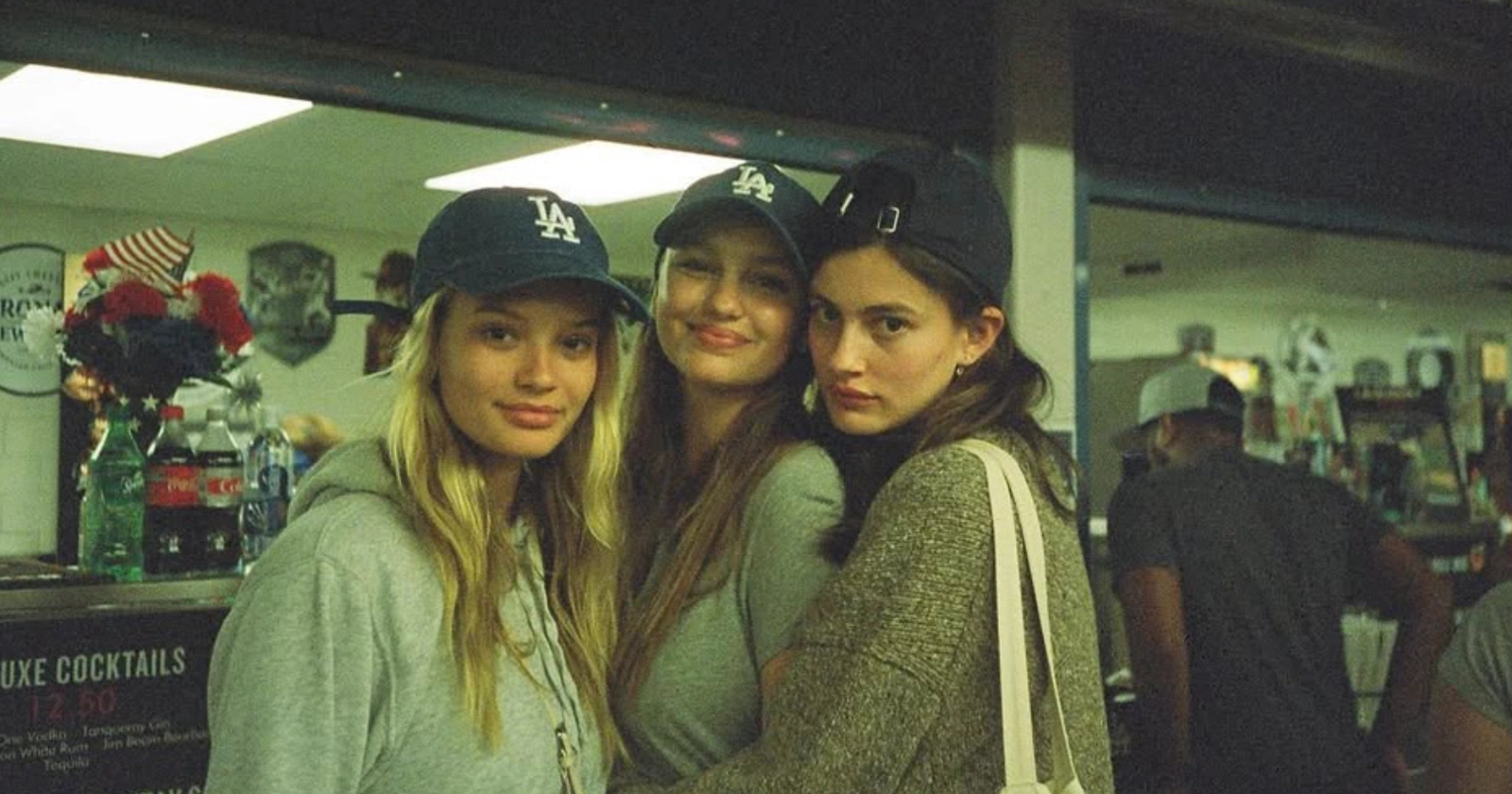
The brand relied early on Tumblr and then Instagram to post customer photos that matched the house aesthetic. TIME describes a feedback loop where teens posted outfits, the brand reposted the best looks, and more teens chased a feature. This user-generated model cut the need for paid advertising and rewarded a narrow set of looks, which in turn hardened the visual identity. TikTok extends the loop through shopper-led try-ons, hauls, and store content, while the Seoul opening shows how quickly in-store hype can spill onto social platforms.
The John Galt sub label
John Galt, also called J. Galt on tags, is a Brandy Melville sub brand named after the protagonist in Atlas Shrugged. Business Insider reported that store decor sometimes included copies of the novel and that the naming reflected libertarian themes favoured by leadership. The libertarian thread runs through the corporate structure too: the US operating entity is named Bastiat USA, after the free-market economist Frederic Bastiat. It is a useful reminder that brand naming carries cultural associations long after a name is chosen. Day to day, the John Galt rack largely mirrors Brandy Melville basics and graphics, with minor differences in tag and theme.
Allegations, lawsuits and the HBO documentary
The 2024 HBO documentary Brandy Hellville and the Cult of Fast Fashion assembled interviews and documents about workplace discrimination, sexual harassment, and a culture that evaluated staff by how they looked and what they wore. TIME, People, and other outlets summarised further claims, including daily outfit photos sent up the chain and offensive messages in executive chats. Brandy Melville did not comment for the film and has previously denied firing employees based on race.
The company and related entities resolved a California class action over alleged off-the-clock work and missed breaks with a settlement of about $1.45 million, finalised in November 2022. As Business Insider and The Fashion Law reported, the class ran to roughly 3,943 former hourly employees, and the settlement required no admission of wrongdoing.
Intellectual property enforcement
While facing scrutiny, the brand has been assertive about protecting its trademarks and designs. In June 2025 it filed suit against Shein, alleging copied designs and the use of Brandy Melville's own product photography. Weeks later it sued Temu, arguing the marketplace enabled counterfeit Brandy Melville goods and exercises enough control over its sellers to be held directly liable. Trade-press summaries and dockets describe a broader enforcement strategy that has also included actions against Redbubble.
Sustainability and labour concerns
Environmental and labour advocates rate Brandy Melville poorly, citing limited public reporting and a fast fashion model that encourages high turnover. Good On You gives the brand its lowest rating, "We Avoid," for a lack of transparency on its impact on people, the planet, and animals. Coverage around the HBO film echoes concerns about waste and about factory conditions in Prato, Italy's fast fashion hub, where Chinese immigrant labour is widely employed. These issues are sector-wide and not unique to Brandy Melville, but the contrast with brands that make sustainability proof part of the purchase journey, as discussed in Reformation's marketing strategy, shows why transparency itself can become part of positioning.
Why the Brandy Melville brand endures
The formula connects three levers. The store experience feels like a members-only clubhouse for a specific look. The product is simple, mixable, and priced to buy now. The social loop converts customers into models and merchandisers. Even amid criticism, those mechanics help explain why Brandy Melville remains an influential reference point in teen fashion. The same narrow positioning that creates recognition is also central to criticism around sizing and who the brand appears to include, while separate workplace allegations and legal matters add reputational risk. A useful contrast is Aritzia's marketing strategy, where a tightly controlled fashion identity is paired with a broader product and retail system. That trade-off between a sharp identity and a brittle one is worth studying in broader branding, and it is the same tension behind any deliberate brand development process, where the look on the site has to match the look everywhere else.
What business owners can take from Brandy Melville in 2026
Brandy Melville is a reminder that a brand does not need loud messaging to feel distinctive. It needs a tight point of view, a consistent world, and a distribution loop that reinforces the same signals everywhere. The upside is clarity. The risk is brittleness. At Brand Vision, the practical lesson is to hold a distinct identity while adapting to shifting expectations around inclusivity, transparency, and culture. Before scaling a narrow position, brand research can test whether the intended audience reads the same signals the company thinks it is sending. If you want the mechanics without the exclusions, the sequence is straightforward.
- Build a world, not just products. Brandy's stores and feeds are designed as one cohesive scene. If your brand feels different on your site than it does on social, start with brand strategy and lock it into a usable system before you scale anything.
- Design an experience that matches the vibe. Their retail layout creates urgency and ease. Your version has to do the same job digitally, which is where a considered web design approach earns its keep, because the site has to sell the feeling and remove friction at the same time.
- Use community as proof, but keep it healthy. Brandy's loop worked because customers became the marketing. You can still do this, but build guardrails so the brand does not accidentally signal "only for a certain type of person." A disciplined UI and UX process lets you test how different audiences read your imagery, sizing, and language before it hardens into reputation.
- Scale distribution with intention. Brandy grew through repetition and consistency. Whether your channel is retail, marketplaces, or DTC, you still need a measurement loop so you know what is actually driving discovery, which is where an SEO and search visibility system connects content, rankings, and product discovery into one picture.
A brand is downstream of the decisions behind it. Brandy Melville made a few sharp ones early and has lived on the upside and the downside of them ever since.
If these lessons fit your consumer brand, contact our team to align positioning, identity, and digital experience.
FAQ
What is Brandy Melville?
An Italian-founded teen fashion retailer known for basics, a California beach-city aesthetic, and a one-size model for many garments.
Who owns Brandy Melville?
The brand is run by chief executive Stephan Marsan. The public ownership structure is difficult to trace: US stores are operated by Bastiat USA, Inc., and the trademark is held by a Swiss parent company, Y.Y.G.M. SA, with individual shops held under separate entities.
Who founded Brandy Melville?
Silvio Marsan and his son Stephan Marsan. Stephan is reported as the company's chief executive.
When did Brandy Melville start?
Brandy Melville began in Italy in the 1980s and opened its first US store in 2009, in Westwood near the UCLA campus in Los Angeles.
Does Brandy Melville have a mission statement?
Brandy Melville does not publish a formal mission statement. In practice its positioning is consistent and narrow: a single California-casual look sold as a lifestyle, distributed through small stores and a social feed that turns customers into the marketing.
How many stores does Brandy Melville have?
TIME reported about 94 locations worldwide in 2024, with 36 in the United States. That figure is a historical snapshot, not a verified 2026 total. Brandy Melville maintains an official store locator, and Business Insider covered expansion into Seoul in 2025, while store counts continue to change as locations open, move, or close.
What does one size mean at Brandy Melville?
Media reports describe one size fits most as roughly a US extra small to small, which is why critics say the sizing excludes many customers.
Is John Galt the same as Brandy Melville?
Yes. John Galt, branded J. Galt on tags, is a Brandy Melville sub label named after the Ayn Rand character. The rack largely mirrors Brandy Melville basics with minor differences in tag and theme.
Has Brandy Melville responded to discrimination allegations?
Press coverage notes prior denials of firing employees based on race. The company did not comment for the HBO documentary.
Is Brandy Melville improving on sustainability?
Independent raters say there is little public evidence of progress. Good On You rates the brand "We Avoid" due to low transparency and fast fashion practices.