
In today’s fast-paced business environment, remote access solutions like TeamViewer and AnyDesk have become essential tools for managing devices and supporting teams across the globe. These tools have built up a reputation for reliability and have been trusted by businesses of all sizes to ensure smooth operations. However, as these platforms continue to grow, many users are increasingly dissatisfied with the rising costs, restrictive policies, and lack of flexibility. In fact, what was once a reliable service for many is now becoming a source of frustration, driving users to seek alternatives.

The Price of Loyalty: How Major Brands Are Alienating Their User Base
Rising Costs:
Over the years, TeamViewer and AnyDesk have steadily increased their prices, often without adding significant value to their core offerings. This practice is especially troubling for businesses that have come to rely on these tools for their day-to-day operations. For example, TeamViewer has been known to raise subscription fees regularly, citing the need for "improvements" and "additional features." While price increases might be expected in some industries, many customers feel these hikes are unjustified, especially when the perceived value hasn’t kept pace.
The Hidden Costs:
What’s even more frustrating for customers is the lack of transparency around these price hikes. Often, users are notified of the price increase after the fact, leaving little room for them to plan or adjust their budgets. In many cases, the justification for the increases feels vague, with companies offering little more than generic explanations for the changes. For many businesses, the unpredictable nature of these price hikes becomes a hidden cost that chips away at the financial stability they rely on.
Restrictive Policies: Why Getting Out Is So Difficult
Subscription Traps:
Another significant issue that users face with big-name brands like TeamViewer and AnyDesk is the difficulty of unsubscribing from their services. While these companies often have seamless onboarding processes, canceling a subscription can feel like navigating a labyrinth. In some cases, users are forced to jump through hoops just to cancel their subscriptions, with unclear instructions or hidden cancellation links. This restrictive policy leaves customers feeling trapped and powerless, unable to make decisions that align with their needs.
Lack of Flexibility:
Moreover, the subscription models for many of these platforms are rigid, often forcing users to pay for features they don’t need. While it may be reasonable for large enterprises to pay for comprehensive services, small businesses and individual users often find themselves paying for functionalities that aren’t relevant to their work. The lack of tailored subscription options adds another layer of frustration for users who feel like they are being forced into paying for more than they actually use.
The Reputation Hit: How Customers Are Responding
Declining Trust:
With the constant price hikes and restrictive policies, many users are starting to lose trust in major remote access providers. After all, trust is the cornerstone of any long-term business relationship. When customers feel that they’re being overcharged or trapped in subscriptions they don’t want, their perception of the brand changes. Many users are taking to review platforms, social media, and forums to share their dissatisfaction with the lack of customer-friendly policies.
Customer Exodus:
As a result, businesses that once relied on TeamViewer and AnyDesk are beginning to explore other options. A shift is happening in the remote access space, with more companies searching for solutions that are both affordable and flexible. Customers who feel abandoned by these bigger brands are seeking alternatives that can offer them better pricing models, straightforward cancellations, and a service that listens to their needs.
Emerging Alternatives in the Remote Access Space
A Fresh Perspective:
This shift in the market has paved the way for newer alternatives like HelpWire. Positioned as a modern, user-centric solution, HelpWire offers remote access without the excessive price tags and restrictive policies that have tarnished the reputation of the larger brands. The platform is designed with transparency in mind, offering clear pricing and flexible plans that adapt to the needs of businesses both large and small.
The Appeal of HelpWire:
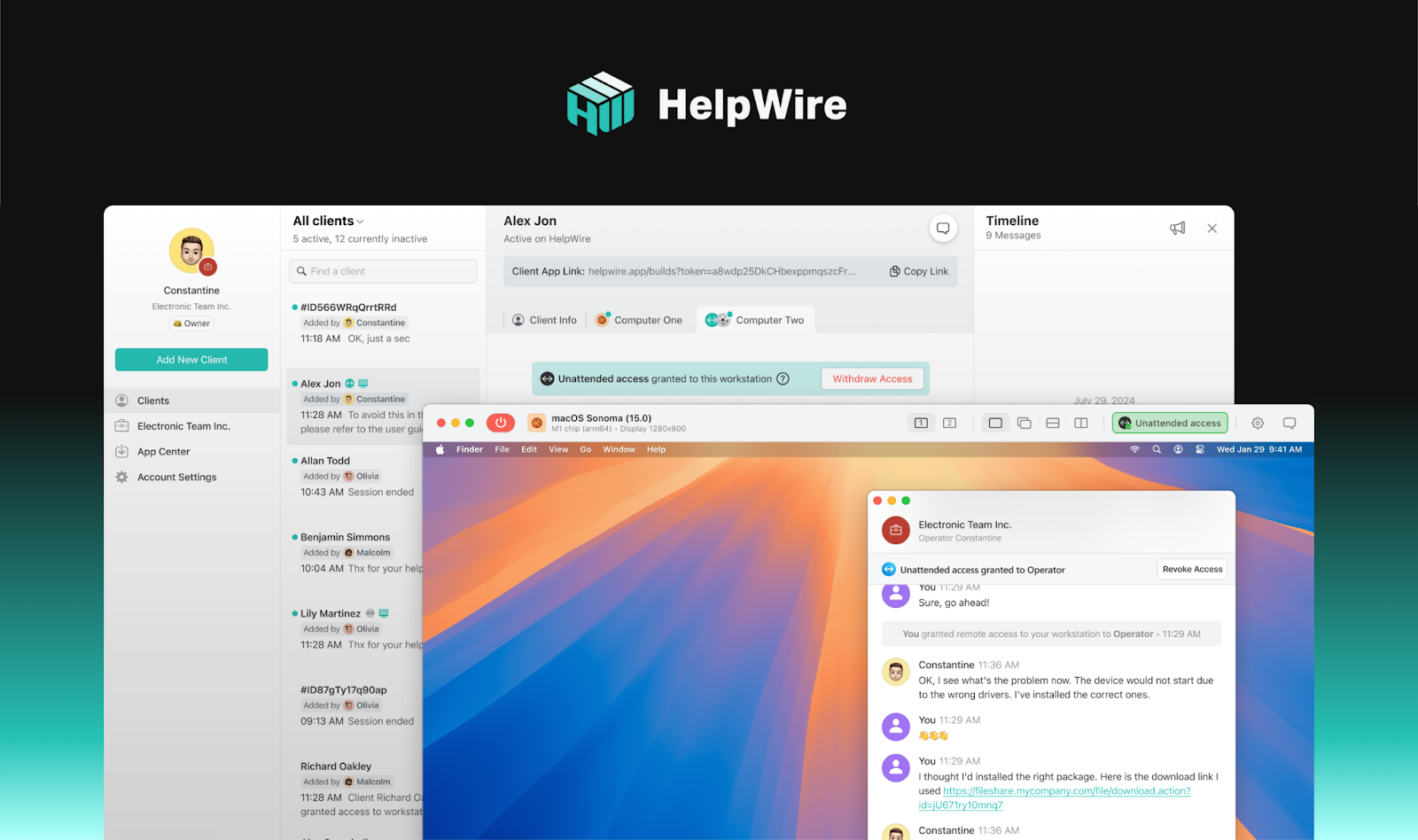
What sets HelpWire apart is its commitment to creating an experience that is both simple and reliable. With a focus on transparent pricing, users are no longer surprised by hidden fees or sudden price hikes. HelpWire’s easy-to-use interface and clear subscription options cater to businesses that require a straightforward, no-fuss solution. For those tired of feeling trapped by traditional brands, HelpWire offers an escape with its more flexible approach to remote access.
Conclusion
The remote access industry is undergoing a significant shift. As companies like TeamViewer and AnyDesk continue to raise their prices and impose restrictive policies, many users are becoming increasingly frustrated. While these brands once commanded trust and loyalty, their current practices are driving customers to seek alternatives. Solutions like HelpWire, which focus on transparency, flexibility, and user satisfaction, are poised to fill the gap left by their larger counterparts. For businesses in search of a better, more affordable way to manage remote access, HelpWire is emerging as a viable alternative that puts the needs of the customer first.


%2520(1).png)