
The Most Successful Record Companies Of All Time: How The Biggest Labels Built Empires
Updated on
Published on
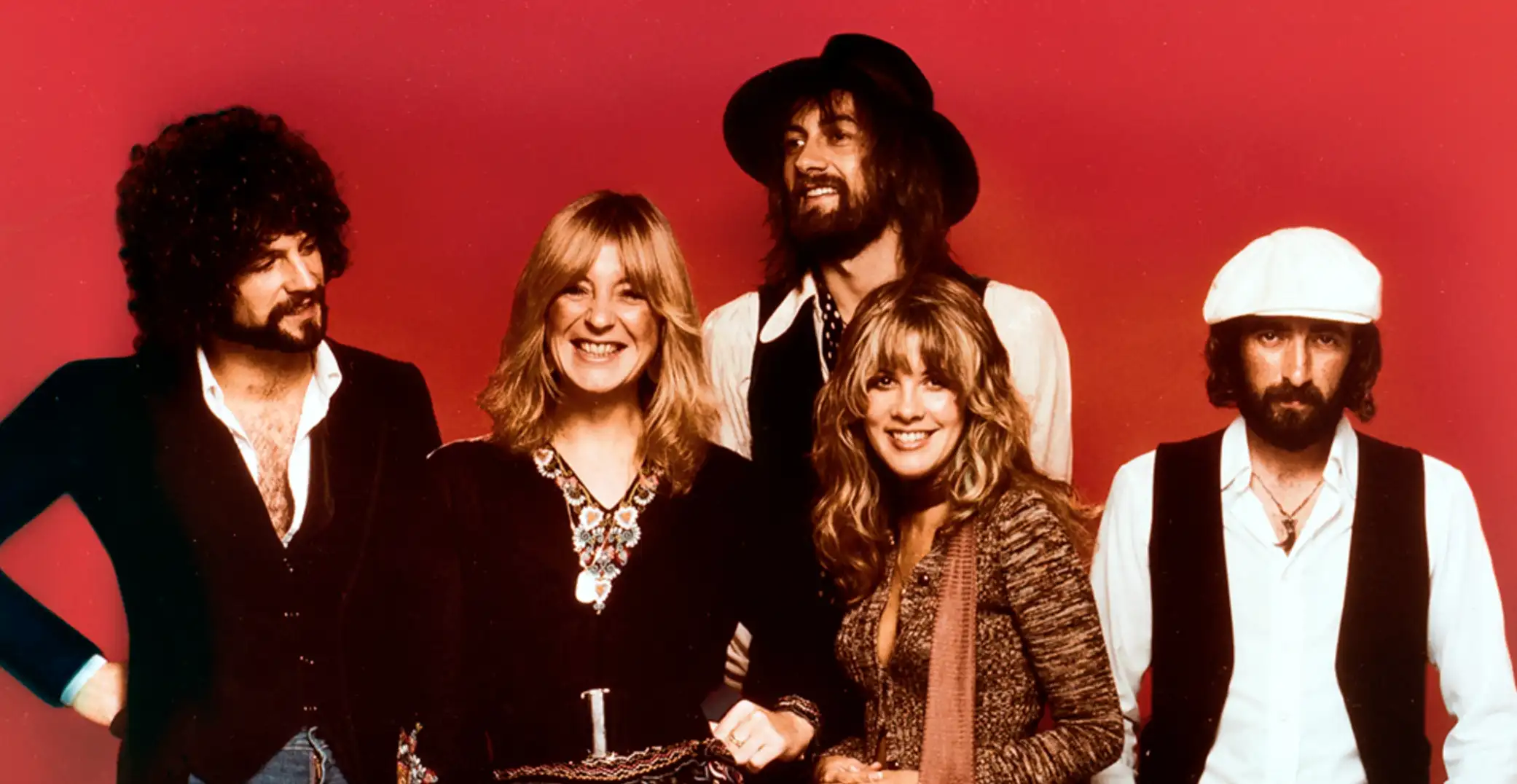
Behind almost every era-defining artist sits a label that knew how to find, develop and market talent at scale. The most successful record companies of all time did more than press vinyl; they built global systems for A&R, artist development, marketing and distribution. Today’s most profitable record labels, led by Universal, Sony and Warner, sit on that legacy while trying to master streaming, TikTok and superfans. To understand where music is going, it helps to see how the biggest record labels built their power.
- Record label success stories mix financial scale with cultural impact.
- The marketing behind the biggest record labels is as important as the music they sell.
At a Glance
- Global recorded music revenues hit 29.6 billion dollars in 2024, the tenth consecutive year of growth for the industry. (IFPI)
- Universal Music Group posted 2024 revenue of 11.8 billion euros and net income of 2.1 billion euros, cementing its status as the largest of the most profitable record labels. (UMG)
- Sony’s global music rights business generated roughly 2.9 billion dollars in Q3 2025 alone from recorded music and publishing, up 13.3 percent year on year. (Music Business Worldwide)
- Warner Music Group’s revenue for the year to September 30, 2025 grew 15 percent, hitting an all-time quarterly high with 1.87 billion dollars in Q4. (Warner Music Group)
- Independent artists and labels now own around 46.7 percent of recorded music revenues worldwide, showing that record label success no longer belongs only to the majors. (Billboard)
The Big Three: Majors At The Top Of The Market
The most successful record companies of all time in pure business terms are the three “majors”: Universal Music Group, Sony Music and Warner Music Group. Together they control well over half of global recorded music revenue, thanks to vast catalogs and frontline rosters that include everyone from Taylor Swift and BTS (via distribution and deals) to Ed Sheeran and Dua Lipa. IFPI’s Global Music Report notes that majors still drive much of the 4.8 percent annual growth in 2024, but they now compete in a landscape where independents have significant share. (IFPI)
- The biggest record labels combine catalog ownership with powerful distribution and marketing networks.
- Their dominance makes them central to almost any list of the most successful record companies of all time, even as new players rise.
-1.webp)
Universal Music Group: The Scale Champion
Universal Music Group tops the list of most profitable record labels today. Its 2024 results show 11.8 billion euros in revenue, up 6.5 percent year on year, and net income up 66 percent to just over 2 billion euros, driven by streaming, merchandising and licensing. (UMG) In the first nine months of 2025, recorded music revenue alone reached 6.69 billion euros, with subscription revenue growing nearly 9 percent in constant currency. (UMG Q3 2025)
- The marketing behind Universal’s biggest record labels (Republic, Interscope, Def Jam, Island) allows coordinated global launches across dozens of local markets.
- UMG is leaning into “superfan” strategies such as premium editions and experiences to grow beyond standard streaming revenue. (Wall Street Journal summary)
- Universal Music Group Current Artists: Taylor Swift (via distribution/deals), The Weeknd, Ariana Grande, Billie Eilish, Drake, Bad Bunny, and Kendrick Lamar.
- Historical Icons: The Beatles, The Rolling Stones, Elton John, U2, Mariah Carey, Guns N' Roses, Eminem, and Jay-Z (via Def Jam and other deals).

Sony Music Entertainment: Cross Media Synergy
Sony’s record label success story rests on both deep catalog and synergy with its film, gaming and tech businesses. In Q3 2025, Sony’s global music rights operation generated around 2.89 billion dollars, with strong streaming growth in both recorded music and publishing. (Music Business Worldwide) Corporate presentations highlight how Sony integrates music with PlayStation, anime and film to break artists across multiple screens. (Sony IR)
- The marketing behind Sony’s biggest record labels, such as Columbia and RCA, often includes sync placements in movies, games and series as a central plank.
- This cross-media approach has kept Sony among the most successful record companies of all time as consumption moved from radio to streaming to short-form video.
- Sony Music Artists: Harry Styles, Beyoncé, Doja Cat, Lil Nas X, Travis Scott, and Calvin Harris.
- Historical Icons: Bob Dylan, Bruce Springsteen, Michael Jackson, Celine Dion, Billy Joel, Elvis Presley, Barbra Streisand, Adele, and George Michael.
Warner Music Group: Catalog, Publishing And New Tech
Warner Music Group rounds out the big three, with full year 2025 revenue up 15 percent and quarterly revenues hitting record highs. (Warner Music Group) Warner has been aggressive in strengthening its catalog, acquiring a controlling stake in Tempo Music in 2025 to gain rights to songs by Bruno Mars, Adele and others. (Reuters) It is also experimenting with AI licensing deals, such as its partnership with Suno, to create new monetisation paths. (The Verge)
- Warner’s record label success story rests on both frontline labels like Atlantic and a powerful publishing arm (Warner Chappell) that monetises songs across decades.
- The marketing behind the biggest record labels at Warner increasingly weaves in technology narratives, from AI to superfan apps, to stay ahead of industry change. (Music Business Worldwide)
- Warner Music Artists: Ed Sheeran, Dua Lipa, Cardi B, Bruno Mars, Benson Boone, and Charli XCX.
- Historical Icons: Led Zeppelin, The Doors, Fleetwood Mac, Madonna, Prince, Red Hot Chili Peppers, Aretha Franklin, Phil Collins, and Grateful Dead.
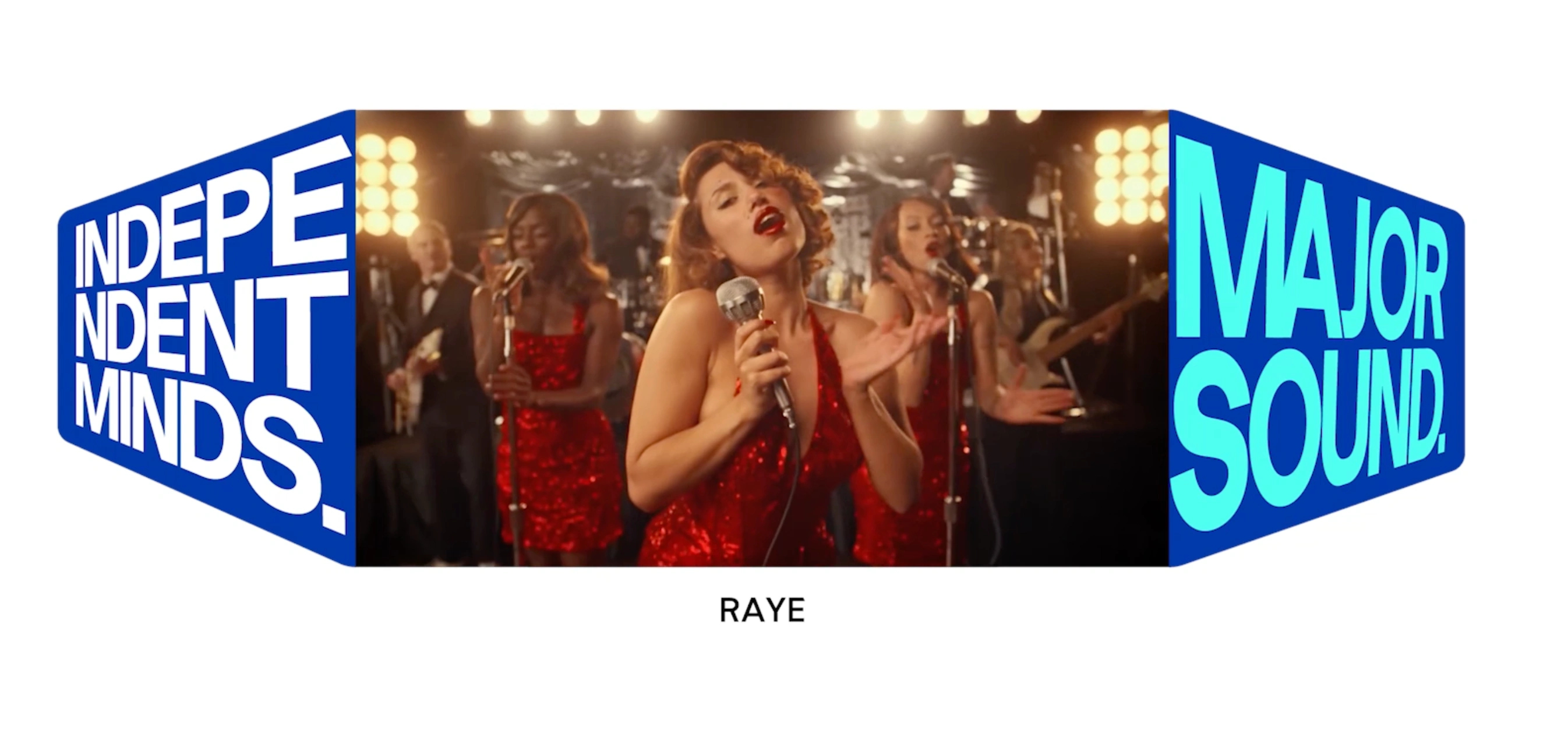
Motown: The Original Artist Development Machine
Motown Records is one of the clearest historic record label success stories. In the 1960s, founder Berry Gordy created a full “finishing school” run by Maxine Powell to train artists in stagecraft, etiquette and media handling, turning singers from humble backgrounds into polished global stars. (The Smith Center) Songs, image and choreography were tightly controlled so that the label itself became a brand you could trust.
- Motown showed that the most successful record companies of all time invest in artist development, not just recording.
- Its approach to branding and consistency still inspires the marketing behind the biggest record labels today.
Def Jam: Hip Hop And Lifestyle Branding
Def Jam Recordings offers another iconic record label success story, especially in hip hop. Industry profiles note how Def Jam turned artists like LL Cool J, Public Enemy and Jay Z into cultural icons, expanding into fashion, film and street culture along the way. (Trapital podcast transcription) A Variety piece on Def Jam’s TikTok strategy explains that the label built a dominant presence by repackaging catalog hits and leveraging newer artists on the platform, using social media as a core marketing lever. (Variety)
- The marketing behind Def Jam’s biggest record labels helped define hip hop as a global lifestyle, not just a genre.
- Def Jam’s evolution under Universal shows how niche imprint brands can thrive inside the biggest record labels while retaining their own identity.

Independent Labels: Quiet Giants Of Record Label Success
Although the majors dominate headlines, independent labels and self-releasing artists now control a huge share of the market. MIDiA Research data shows that independents own about 46.7 percent of global recorded music revenue on an ownership basis, with around 14.3 billion dollars in 2023 and growth expected to continue. (MIDiA via Billboard) Another analysis notes that non-major labels and artists together are valued at more than 30 billion dollars, projected to exceed 45 billion within five years. (Chartmetric / HMC)
- These figures suggest that some of the most successful record companies of all time, in cultural terms, are independent labels that specialize in niches and long-term artist relationships.
- The marketing behind many indie record label success stories focuses on community, authenticity and direct fan contact rather than massive media spends.
The Marketing Behind The Biggest Record Labels
Across the majors, the marketing behind the biggest record labels has shifted from radio and MTV to a complex mix of streaming, social and experiential campaigns. Executives increasingly talk about “superfans” as their next growth focus, planning tiers of access, content and physical products to deepen relationships. (MusicTech) Universal’s leadership has outlined a strategy that includes new subscription products, partnerships and fan experiences to raise revenue per listener. (Wall Street Journal summary)
- Modern marketing at the most profitable record labels is less about single album cycles and more about persistent storytelling and fan journeys across platforms.
- Data from streaming and social now guides decisions on which artists to push, which songs to focus on and how to allocate marketing budgets globally.

From Physical To Streaming To Superfans
The biggest record labels have already survived shifts from vinyl to CD to download and now streaming; the current challenge is making streaming sustainable. IFPI notes that streaming accounts for the majority of the 29.6 billion dollars in global recorded music revenue, but growth is slowing in mature markets. (IFPI) Labels are responding by layering superfan strategies on top of streaming, such as special editions, VIP experiences and fan club-style memberships, and by exploring direct-to-fan apps.
- These moves aim to turn passive listeners into active communities that generate more predictable, high-margin revenue for the most profitable record labels.
- How well majors execute this shift will shape the next generation of record label success stories.
The Future: AI, Rights And New Competition
Looking ahead, even the most successful record companies of all time are confronting new pressures from AI and direct artist platforms. Major labels initially took legal action against AI music generators but are now signing licensing deals, such as Warner’s partnership with Suno that allows opt in AI likenesses of artists. (The Verge) At the same time, independent artists have more tools than ever to build careers without traditional deals, forcing the biggest record labels to prove their value in marketing, rights management and global scaling.
- The marketing behind the biggest record labels will increasingly involve stewarding artist brands through AI-generated content, fan communities and new revenue channels.
- Labels that adapt quickly to this environment are the ones most likely to appear on future lists of the most successful record companies of all time.
.webp)
The Top Players of Music
From Motown’s finishing school to Universal’s superfan strategy, the most successful record companies of all time share a core skill: turning raw talent into durable stories that live across formats and generations. Universal, Sony and Warner currently lead the list of biggest record labels and most profitable record labels, but their playbooks are rooted in older record label success stories that proved the power of brand, catalog and artist development. As streaming matures and AI reshapes production, the marketing behind the biggest record labels is moving toward deeper fan relationships and more creative use of rights, not just pushing singles up charts.
- Record label success now depends as much on narrative and fan experience as on distribution muscle.
- The companies that can balance scale, culture and artist trust will define the next era of the global music business.
FAQ
Who are the most successful record companies of all time by revenue?
Universal Music Group, Sony Music Entertainment and Warner Music Group are currently the biggest record labels by global revenue and market share, together accounting for a majority of recorded music income.
What makes a great record label success story beyond numbers?
A strong record label success story combines commercial success with cultural impact, distinctive label identity, long-term artist careers and innovations in marketing or distribution that others copy.
How has the marketing behind the biggest record labels changed in the streaming era?
Marketing has shifted from radio, TV and print toward streaming playlists, social media storytelling, short-form video and data-driven targeting, with a new emphasis on superfans and direct-to-fan engagement.
Are independent labels important in a market dominated by majors?
Yes, independents now own nearly half of global recorded music revenue, and many influential artists build their careers with indie labels or self-release, forcing majors to compete on service and scale rather than sheer access.
What challenges do even the most profitable record labels face today?
Key challenges include slower streaming growth in mature markets, pressure to fairly share value with artists, managing AI and new creator tools, and convincing artists and fans that big labels still add unique value in a more open ecosystem.
- Warner’s record label success story rests on both frontline labels like Atlantic and a powerful publishing arm (Warner Chappell) that monetises songs across decades.
- The marketing behind the biggest record labels at Warner increasingly weaves in technology narratives, from AI to superfan apps, to stay ahead of industry change. (Music Business Worldwide)
- Motown: The Original Artist Development MachineMotown Records is one of the clearest historic record label success stories. In the 1960s, founder Berry Gordy created a full “finishing school” run by Maxine Powell to train artists in stagecraft, etiquette and media handling, turning singers from humble backgrounds into polished global stars. (The Smith Center) Songs, image and choreography were tightly controlled so that the label itself became a brand you could trust.
- Motown showed that the most successful record companies of all time invest in artist development, not just recording.
- Its approach to branding and consistency still inspires the marketing behind the biggest record labels today.
- The marketing behind Def Jam’s biggest record labels helped define hip hop as a global lifestyle, not just a genre.
- Def Jam’s evolution under Universal shows how niche imprint brands can thrive inside the biggest record labels while retaining their own identity.
- Motown showed that the most successful record companies of all time invest in artist development, not just recording.
- Independent Labels: Quiet Giants Of Record Label SuccessAlthough the majors dominate headlines, independent labels and self-releasing artists now control a huge share of the market. MIDiA Research data shows that independents own about 46.7 percent of global recorded music revenue on an ownership basis, with around 14.3 billion dollars in 2023 and growth expected to continue. (MIDiA via Billboard) Another analysis notes that non-major labels and artists together are valued at more than 30 billion dollars, projected to exceed 45 billion within five years. (Chartmetric / HMC)
- These figures suggest that some of the most successful record companies of all time, in cultural terms, are independent labels that specialize in niches and long-term artist relationships.
- The marketing behind many indie record label success stories focuses on community, authenticity and direct fan contact rather than massive media spends.
- Modern marketing at the most profitable record labels is less about single album cycles and more about persistent storytelling and fan journeys across platforms.
- Data from streaming and social now guides decisions on which artists to push, which songs to focus on and how to allocate marketing budgets globally.
- These figures suggest that some of the most successful record companies of all time, in cultural terms, are independent labels that specialize in niches and long-term artist relationships.
- From Physical To Streaming To SuperfansThe biggest record labels have already survived shifts from vinyl to CD to download and now streaming; the current challenge is making streaming sustainable. IFPI notes that streaming accounts for the majority of the 29.6 billion dollars in global recorded music revenue, but growth is slowing in mature markets. (IFPI) Labels are responding by layering superfan strategies on top of streaming, such as special editions, VIP experiences and fan club-style memberships, and by exploring direct-to-fan apps.
- These moves aim to turn passive listeners into active communities that generate more predictable, high-margin revenue for the most profitable record labels.
- How well majors execute this shift will shape the next generation of record label success stories.
- The marketing behind the biggest record labels will increasingly involve stewarding artist brands through AI-generated content, fan communities and new revenue channels.
- Labels that adapt quickly to this environment are the ones most likely to appear on future lists of the most successful record companies of all time.
- These moves aim to turn passive listeners into active communities that generate more predictable, high-margin revenue for the most profitable record labels.
- The Top Players of MusicFrom Motown’s finishing school to Universal’s superfan strategy, the most successful record companies of all time share a core skill: turning raw talent into durable stories that live across formats and generations. Universal, Sony and Warner currently lead the list of biggest record labels and most profitable record labels, but their playbooks are rooted in older record label success stories that proved the power of brand, catalog and artist development. As streaming matures and AI reshapes production, the marketing behind the biggest record labels is moving toward deeper fan relationships and more creative use of rights, not just pushing singles up charts.
- Record label success now depends as much on narrative and fan experience as on distribution muscle.
- The companies that can balance scale, culture and artist trust will define the next era of the global music business.
What makes a great record label success story beyond numbers?A strong record label success story combines commercial success with cultural impact, distinctive label identity, long-term artist careers and innovations in marketing or distribution that others copy.
How has the marketing behind the biggest record labels changed in the streaming era?Marketing has shifted from radio, TV and print toward streaming playlists, social media storytelling, short-form video and data-driven targeting, with a new emphasis on superfans and direct-to-fan engagement.Are independent labels important in a market dominated by majors?Yes, independents now own nearly half of global recorded music revenue, and many influential artists build their careers with indie labels or self-release, forcing majors to compete on service and scale rather than sheer access.
What challenges do even the most profitable record labels face today?Key challenges include slower streaming growth in mature markets, pressure to fairly share value with artists, managing AI and new creator tools, and convincing artists and fans that big labels still add unique value in a more open ecosystem. - Record label success now depends as much on narrative and fan experience as on distribution muscle.
Warner Music Group: Catalog, Publishing And New Tech
Warner Music Group rounds out the big three, with full year 2025 revenue up 15 percent and quarterly revenues hitting record highs. (Warner Music Group) Warner has been aggressive in strengthening its catalog, acquiring a controlling stake in Tempo Music in 2025 to gain rights to songs by Bruno Mars, Adele and others. (Reuters) It is also experimenting with AI licensing deals, such as its partnership with Suno, to create new monetisation paths. (The Verge)
- Warner’s record label success story rests on both frontline labels like Atlantic and a powerful publishing arm (Warner Chappell) that monetises songs across decades.
- The marketing behind the biggest record labels at Warner increasingly weaves in technology narratives, from AI to superfan apps, to stay ahead of industry change. (Music Business Worldwide)
Motown: The Original Artist Development Machine
Motown Records is one of the clearest historic record label success stories. In the 1960s, founder Berry Gordy created a full “finishing school” run by Maxine Powell to train artists in stagecraft, etiquette and media handling, turning singers from humble backgrounds into polished global stars. (The Smith Center) Songs, image and choreography were tightly controlled so that the label itself became a brand you could trust.
- Motown showed that the most successful record companies of all time invest in artist development, not just recording.
- Its approach to branding and consistency still inspires the marketing behind the biggest record labels today.
Def Jam: Hip Hop And Lifestyle Branding
Def Jam Recordings offers another iconic record label success story, especially in hip hop. Industry profiles note how Def Jam turned artists like LL Cool J, Public Enemy and Jay Z into cultural icons, expanding into fashion, film and street culture along the way. (Trapital podcast transcription) A Variety piece on Def Jam’s TikTok strategy explains that the label built a dominant presence by repackaging catalog hits and leveraging newer artists on the platform, using social media as a core marketing lever. (Variety)
- The marketing behind Def Jam’s biggest record labels helped define hip hop as a global lifestyle, not just a genre.
- Def Jam’s evolution under Universal shows how niche imprint brands can thrive inside the biggest record labels while retaining their own identity.
Independent Labels: Quiet Giants Of Record Label Success
Although the majors dominate headlines, independent labels and self-releasing artists now control a huge share of the market. MIDiA Research data shows that independents own about 46.7 percent of global recorded music revenue on an ownership basis, with around 14.3 billion dollars in 2023 and growth expected to continue. (MIDiA via Billboard) Another analysis notes that non-major labels and artists together are valued at more than 30 billion dollars, projected to exceed 45 billion within five years. (Chartmetric / HMC)
- These figures suggest that some of the most successful record companies of all time, in cultural terms, are independent labels that specialize in niches and long-term artist relationships.
- The marketing behind many indie record label success stories focuses on community, authenticity and direct fan contact rather than massive media spends.
The Marketing Behind The Biggest Record Labels
Across the majors, the marketing behind the biggest record labels has shifted from radio and MTV to a complex mix of streaming, social and experiential campaigns. Executives increasingly talk about “superfans” as their next growth focus, planning tiers of access, content and physical products to deepen relationships. (MusicTech) Universal’s leadership has outlined a strategy that includes new subscription products, partnerships and fan experiences to raise revenue per listener. (Wall Street Journal summary)
- Modern marketing at the most profitable record labels is less about single album cycles and more about persistent storytelling and fan journeys across platforms.
- Data from streaming and social now guides decisions on which artists to push, which songs to focus on and how to allocate marketing budgets globally.
From Physical To Streaming To Superfans
The biggest record labels have already survived shifts from vinyl to CD to download and now streaming; the current challenge is making streaming sustainable. IFPI notes that streaming accounts for the majority of the 29.6 billion dollars in global recorded music revenue, but growth is slowing in mature markets. (IFPI) Labels are responding by layering superfan strategies on top of streaming, such as special editions, VIP experiences and fan club-style memberships, and by exploring direct-to-fan apps.
- These moves aim to turn passive listeners into active communities that generate more predictable, high-margin revenue for the most profitable record labels.
- How well majors execute this shift will shape the next generation of record label success stories.
The Future: AI, Rights And New Competition
Looking ahead, even the most successful record companies of all time are confronting new pressures from AI and direct artist platforms. Major labels initially took legal action against AI music generators but are now signing licensing deals, such as Warner’s partnership with Suno that allows opt in AI likenesses of artists. (The Verge) At the same time, independent artists have more tools than ever to build careers without traditional deals, forcing the biggest record labels to prove their value in marketing, rights management and global scaling.
- The marketing behind the biggest record labels will increasingly involve stewarding artist brands through AI-generated content, fan communities and new revenue channels.
- Labels that adapt quickly to this environment are the ones most likely to appear on future lists of the most successful record companies of all time.
The Top Players of Music
From Motown’s finishing school to Universal’s superfan strategy, the most successful record companies of all time share a core skill: turning raw talent into durable stories that live across formats and generations. Universal, Sony and Warner currently lead the list of biggest record labels and most profitable record labels, but their playbooks are rooted in older record label success stories that proved the power of brand, catalog and artist development. As streaming matures and AI reshapes production, the marketing behind the biggest record labels is moving toward deeper fan relationships and more creative use of rights, not just pushing singles up charts.
- Record label success now depends as much on narrative and fan experience as on distribution muscle.
- The companies that can balance scale, culture and artist trust will define the next era of the global music business.
FAQ
Who are the most successful record companies of all time by revenue?
Universal Music Group, Sony Music Entertainment and Warner Music Group are currently the biggest record labels by global revenue and market share, together accounting for a majority of recorded music income.
What makes a great record label success story beyond numbers?
A strong record label success story combines commercial success with cultural impact, distinctive label identity, long-term artist careers and innovations in marketing or distribution that others copy.
How has the marketing behind the biggest record labels changed in the streaming era?
Marketing has shifted from radio, TV and print toward streaming playlists, social media storytelling, short-form video and data-driven targeting, with a new emphasis on superfans and direct-to-fan engagement.
Are independent labels important in a market dominated by majors?
Yes, independents now own nearly half of global recorded music revenue, and many influential artists build their careers with indie labels or self-release, forcing majors to compete on service and scale rather than sheer access.
What challenges do even the most profitable record labels face today?
Key challenges include slower streaming growth in mature markets, pressure to fairly share value with artists, managing AI and new creator tools, and convincing artists and fans that big labels still add unique value in a more open ecosystem.