Building a brand with little or no budget isn’t just a necessity for early-stage founders. It’s also a reality for artists, solopreneurs, and small business owners who are building something meaningful with what they have. In a world flooded with VC-backed launches and glossy brand videos, it’s easy to forget that many of the most lasting brands started small, scrappy, and imperfect.
In our business, work with clients who come to us with strong momentum but a brand identity that can’t keep up. And we’ve seen brilliant DIYers get surprisingly far on their own. There’s no single path, but there are patterns that tend to work.
Here’s how to build a brand when you’re on a shoestring, and how to know when it’s time to bring in professional support.
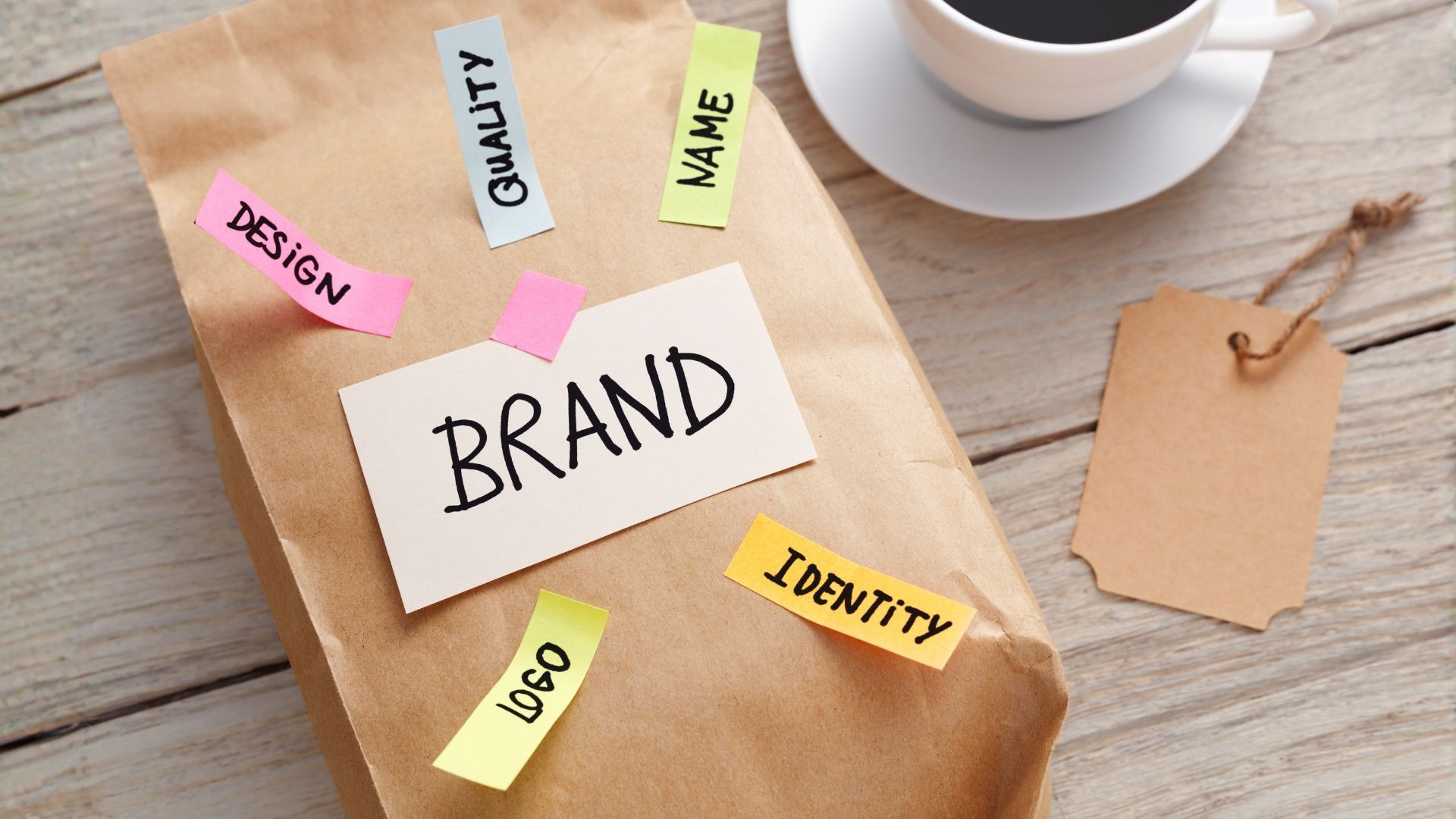
Get in the Name Game
The brand begins with the name. It’s your first signal, and your most permanent one.
Using a brand name generator can be surprisingly helpful. It’s not a replacement for strategy, but it’s excellent for discovery. The key is not to look for the perfect name, but one that speaks to you. You need your human input, but when you see so many options you can be more creative.
A good name gives you room to grow. It doesn’t box you into a single product or trend. It should feel natural to say, easy to spell, and ideally, come with a clean domain.
If you can get that far with a free tool, you’ve already made a strong start.
Use Tools Carefully
You can absolutely create a serviceable brand using free or low-cost tools. Canva, Webflow, Figma - they all make high-quality design accessible. But tools only get you so far. The way you use them matters more than the tools themselves.
Here’s where most DIY brands go sideways:
- Too many fonts or colors
- Stock imagery that doesn’t match the tone
- Inconsistent voice and messaging
- Generic taglines that don’t clarify what you do
You don’t need to look like a global brand. You need to be legible, trustworthy, and intentional. Focus on simplicity. Use consistent language. Align every part of your branding with the tone and audience you want.
Launch and Listen
Don’t wait for perfection. Launch with your MVP brand, and watch what happens.
Notice what people respond to. What language they use. What confuses them. Every interaction gives you feedback.
At this stage, you don’t need to chase brand growth. You need to gather signals. Branding isn’t something you get “right” the first time. Start rough, then refine based on what you learn. Once you get your brand up you still might need help.
When to Bring in Branding Help
Eventually, your brand outgrows your toolkit. Here are the signs:
- You’re attracting attention but struggling to look cohesive
- You’re expanding offerings and your brand no longer reflects the full picture
- You’re spending more time tweaking than building
- Your visual identity or copy isn’t resonating with your ideal customer
And at some point hiring a brand designer, strategist, or copywriter isn’t a luxury, it’s needed for growth. A clear, consistent brand helps you sell better, hire better, and grow more sustainably.
That doesn’t mean hiring an agency from day one. A focused brand sprint, a new logo system, or a messaging workshop can make all the difference.

Final Thoughts
Branding isn’t a one-time task. It’s the ongoing process of shaping how people experience what you do.
Start small. Be smart. Use what you have. But know that clarity, confidence, and consistency always matter more than polish.
When you’re ready, bring in partners who can elevate the brand without losing what made it resonate in the first place.
That’s where the real shift happens, not from DIY to professional, but from surviving to scaling.


%2520(1).png)