
Energy-Saving Folding Doors vs Sliding Doors vs Entrance Doors
Updated on
Published on
Investing in energy-efficient doors is a key step for modern homeowners looking to reduce energy costs, enhance indoor comfort, and minimize their environmental footprint. Aluminum folding doors, Aluminum sliding doors, and Aluminum entrance doors all contribute to energy-saving strategies, but entrance doors play a unique and pivotal role in ensuring your home's energy efficiency. In this blog, we’ll explore how these three door types compare in their energy-saving capabilities, with a focus on why entrance doors are a critical priority for homeowners seeking sustainable solutions.
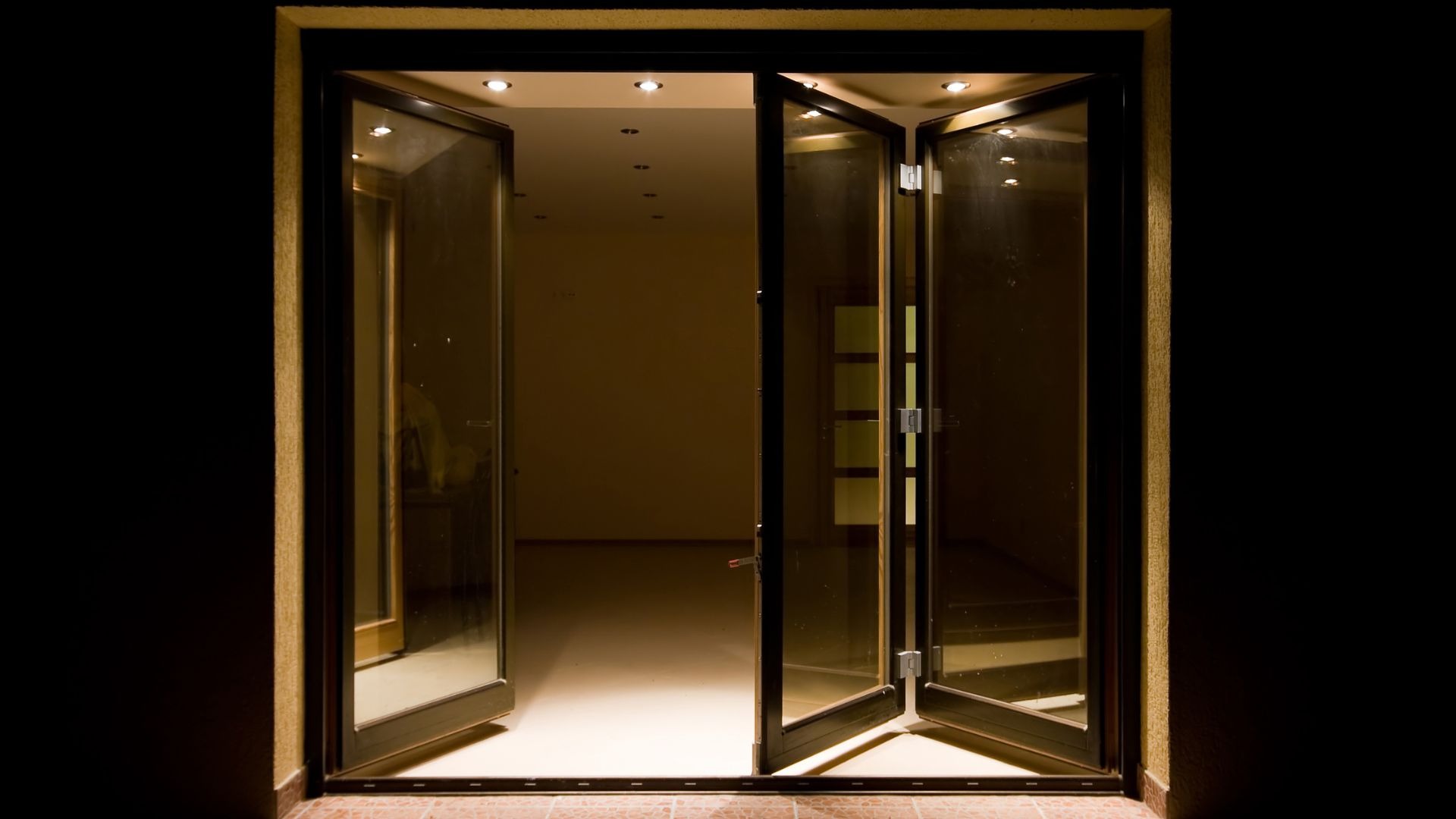
The Role of Energy-Saving Doors
Doors act as a barrier between your indoor and outdoor spaces, preventing heat from escaping in the winter and keeping cold air inside during the summer. Choosing the right type of door—and the right material—can significantly improve the energy efficiency of your home by reducing drafts, boosting insulation, and maintaining consistent internal temperatures. While folding and sliding doors are excellent for connecting spaces, entrance doors serve as a key factor in reducing energy waste and maximizing sustainability.
Entrance Doors: The First Line of Defense for Energy Efficiency
Entrance doors, or front doors, are vital when it comes to sealing your home from external elements. They are not just the gateway to your house; they are the primary barrier against air leaks, drafts, and temperature fluctuations. Modern entrance doors are designed with energy efficiency in mind, helping homeowners save on heating and cooling costs while keeping their homes comfortable year-round.
Why Entrance Doors Are Essential for Energy Efficiency
1. Superior Insulation
High-quality entrance doors come with insulated cores and weatherproofing features such as thermal breaks and sealants. Materials like fiberglass, steel, and solid wood are widely recognized for their ability to resist heat transfer while providing year-round comfort.
These insulated doors prevent warm air from leaking out in winter and reduce the impact of heat gain in summer, keeping your home energy-efficient.
2. Weatherproof Design
Entrance doors face exposure to rain, wind, cold, and heat, making weatherproofing crucial. Modern entrance doors often come with advanced seals and compression gaskets that block drafts and prevent moisture from entering your home.
This feature ensures your home remains airtight, reducing strain on HVAC systems and lowering energy consumption.
3. Proper Fit and Reduced Air Leakage
A poorly installed door can lead to air leaks, drafts, and increased energy bills. Entrance doors are designed with precision to create a snug fit, ensuring minimal gaps and maximum thermal efficiency.
If you're upgrading your entrance door, look for features like adjustable thresholds or foam core insulation for extra efficiency.
4. Energy Star Ratings
Many modern entrance doors are Energy Star-certified, indicating they meet strict energy performance standards. These certifications are a critical consideration for homeowners wanting transparent data about their door’s efficiency.
5. Customization for Efficiency
Entrance doors can be equipped with additional energy-saving features, such as double or triple-glass panels with low-emissivity (Low-E) coatings. These coatings reflect infrared heat and reduce energy loss, making glass-panel entrance doors not just stylish but also highly efficient.
Folding Doors: Open, Flexible, and Energy-Efficient
Folding doors are known for their ability to connect indoor and outdoor living spaces seamlessly. While they aren't typically used as main entrance doors, folding doors can contribute to energy savings when strategically designed and placed in larger homes.
Energy-Saving Features of Folding Doors
1. Double or Triple Glazing
Just like entrance doors, folding doors can include multiple layers of glass with Low-E coatings to enhance energy efficiency. This design minimizes heat transfer while allowing natural light to enter the home.
2. Weather Seals
Premium folding doors come with tight seals between the folding panels to prevent air infiltration. When the doors are closed, they create an airtight barrier against external temperatures.
3. Indoor-Outdoor Use
While folding doors work well as connectors between indoor and outdoor spaces, they often include thermal breaks and strong frames made from aluminum or uPVC to limit energy waste.
However, folding doors typically feature larger glass panels and wider openings, which may lead to increased energy loss if not properly insulated or weatherproofed. They require careful consideration if energy efficiency is a primary focus of the homeowner.
Sliding Doors: Sleek and Simple Energy Efficiency
Sliding doors are widely chosen for their sleek design and ability to create wide, clear views. However, they can also contribute to energy efficiency with the right features.

Energy-Saving Features of Sliding Doors
1. Large Glass Panels
Sliding doors often come with double or triple glazing to help retain heat during winter and prevent heat gain during summer. The use of Low-E glass further optimizes thermal protection.
2. Weatherproof Frames
High-quality sliding doors are equipped with reinforced frames that include thermal breaks to limit heat transfer between the interior and exterior.
3. Space-Saving Efficiency
Sliding doors reduce the need for clearance space and can maximize the use of surrounding areas without compromising insulation or weatherproofing.
Sliding doors may have slightly lower insulation capabilities when compared to entrance doors, as their primary function is connecting spaces rather than sealing the home completely.
Why Entrance Doors Are the Best Choice for Energy Efficiency
While folding and sliding doors have their place in promoting energy savings, entrance doors deliver the most consistent and impactful benefits to homeowners focused on efficiency. Here’s why:
1. They Guard the Largest Air Exchange Point
The front door is the primary entry point into the home, so it handles the most direct thermal exposure from the outside. Entrance doors are uniquely designed to minimize the overall energy loss for the entire house.
2. Material Advantage
Fiberglass, steel, and modern wood doors offer superior insulation materials compared to the aluminum or glass-heavy frames typically found in folding and sliding doors.
3. Weatherproofing Precision
Entrance doors use advanced seals and designs to prevent drafts, moisture infiltration, and temperature loss.
4. Eco-Friendly and Cost-Saving
Energy-efficient entrance doors lower energy bills and reduce environmental impact, making them a long-term investment for sustainability-conscious homeowners.
Energy efficiency is a priority for modern homeowners, and choosing the right doors plays a big role in achieving this goal. Folding and sliding doors offer stylish solutions with energy-saving capabilities, but entrance doors reign as the ultimate choice for superior insulation, weatherproofing, and sustainability. If you’re serious about cutting down energy costs while boosting your home’s comfort and curb appeal, the entrance door is the first place to start.





webp.webp "E-E-A-T in Practice: 20 Trust Signals You Can Add to Any Website")


