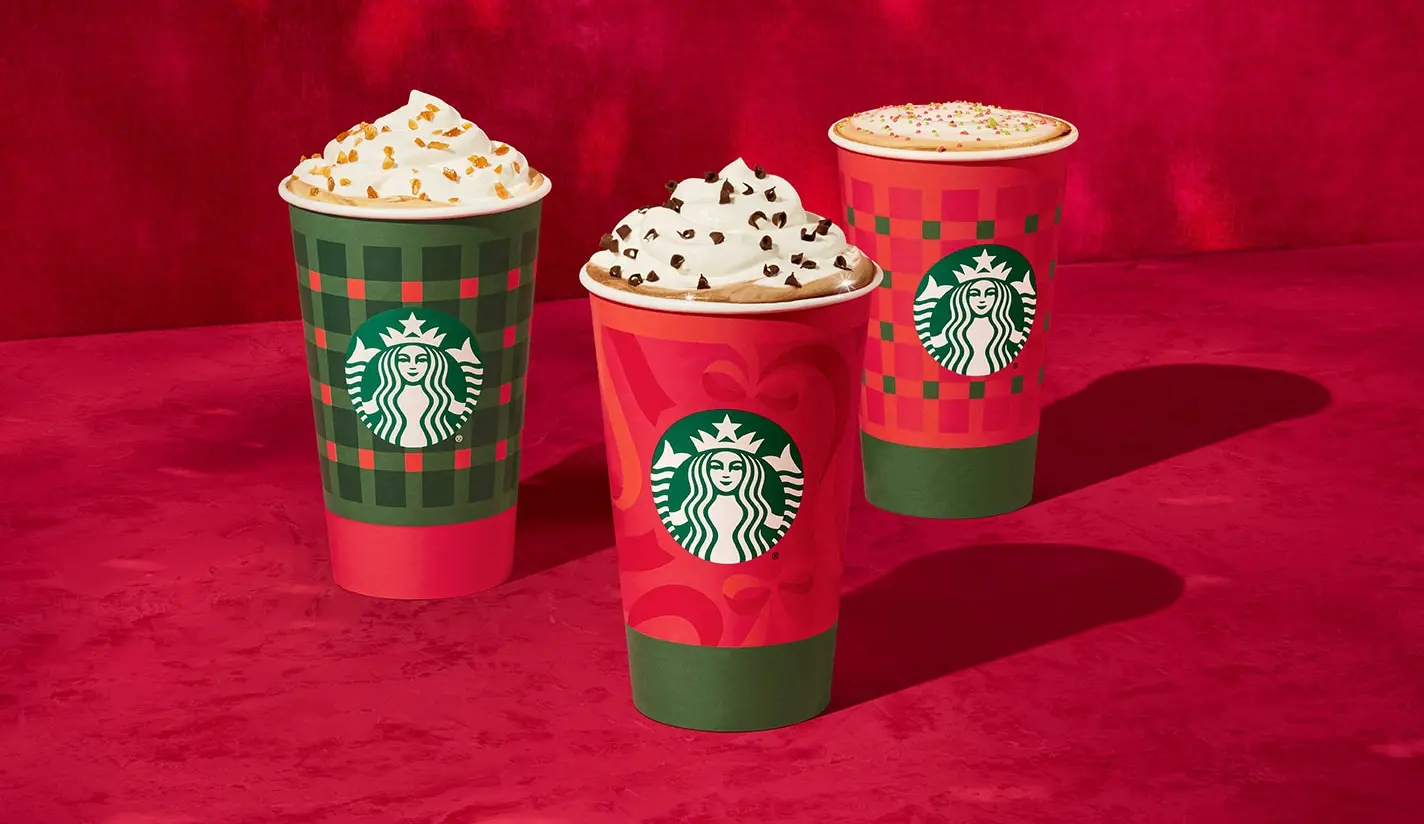
Starbucks treats launches like cultural moments. Each release is packaged as a limited drop with a clear on-shelf date, tight story, and photo-forward design that begs to be shared. That rhythm teaches customers to watch for the next reveal, fills feeds with hauls and first sips, and turns everyday visits into repeat rituals. The result is a dependable system that explains why Starbucks’ drop strategy is pulling everyone in and why Starbucks’ drop culture keeps habit and hype in sync from the viral red cup to the Bearista cup.
The anatomy of a Starbucks drop
A drop arrives with a color story and a small, coordinated set that looks new all at once. Starbucks preloads assets on its stories site, then flips shelves so the in-store scene matches social. Spring and summer capsules emphasize translucent brights for cold drinks. Holiday cups lean into bold patterns tied to barista aprons and red-cup tradition. The consistency is the trick: fans learn the rhythm, which turns anticipation into lines on release day. (Starbucks Canada)
- Tease the look and date, then reveal just before the reset.
- Design SKUs to shoot well from three feet in natural light.
Scarcity that feels fair
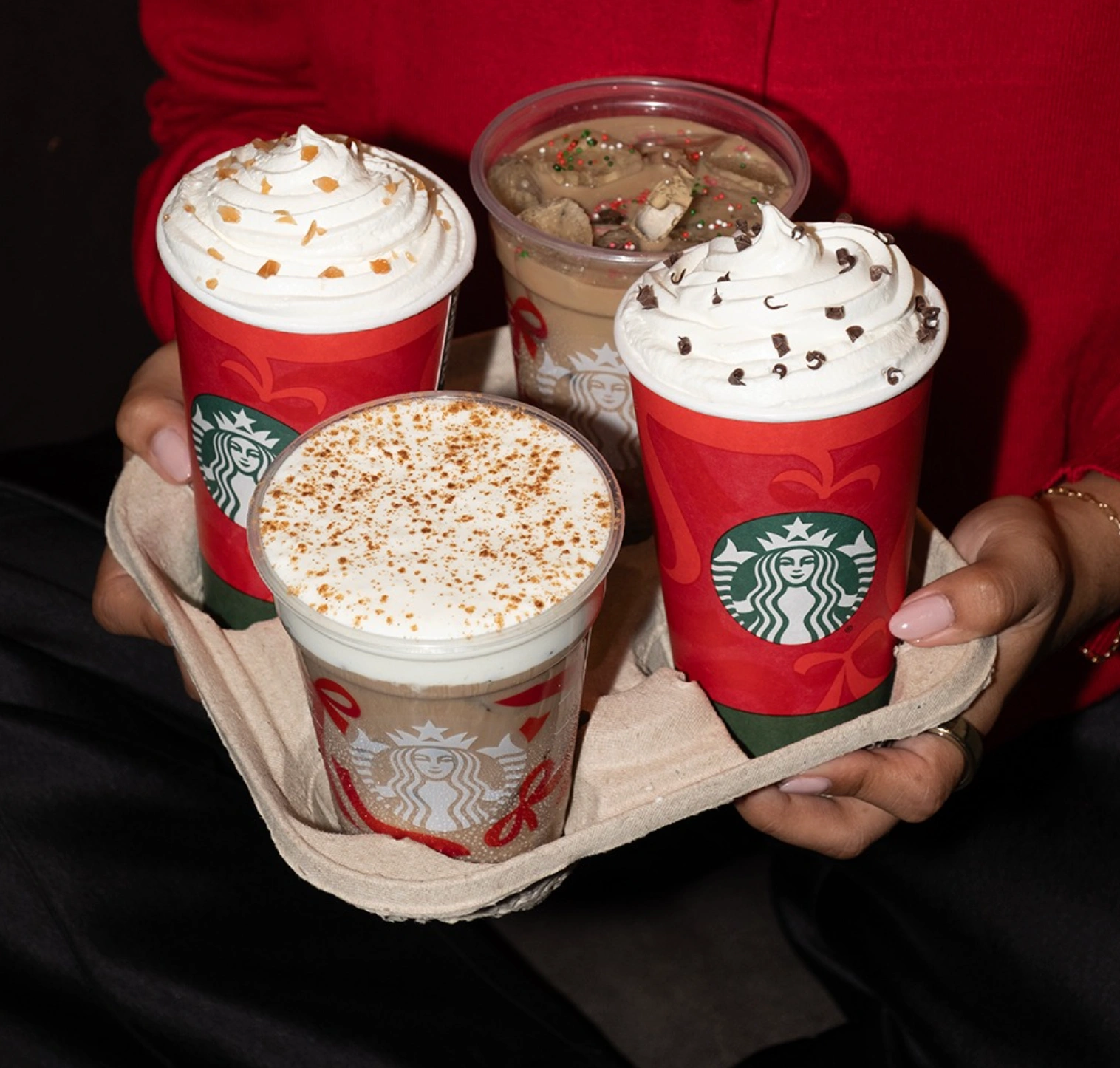
Scarcity works when rules are clear. Starbucks posts limited-time language, spells out “while supplies last,” and anchors the holiday cycle with a single Red Cup Day date. Customers know when to check back, and stores keep alternates in the same color story so a miss still converts. That balance creates a rush that feels exciting, not unfair. (About Starbucks)
- Publish windows, limits, and sensible alternates to keep goodwill.
- Use app and signage cues so fans avoid wasted trips.
Starbucks’ recent drops that set the tone
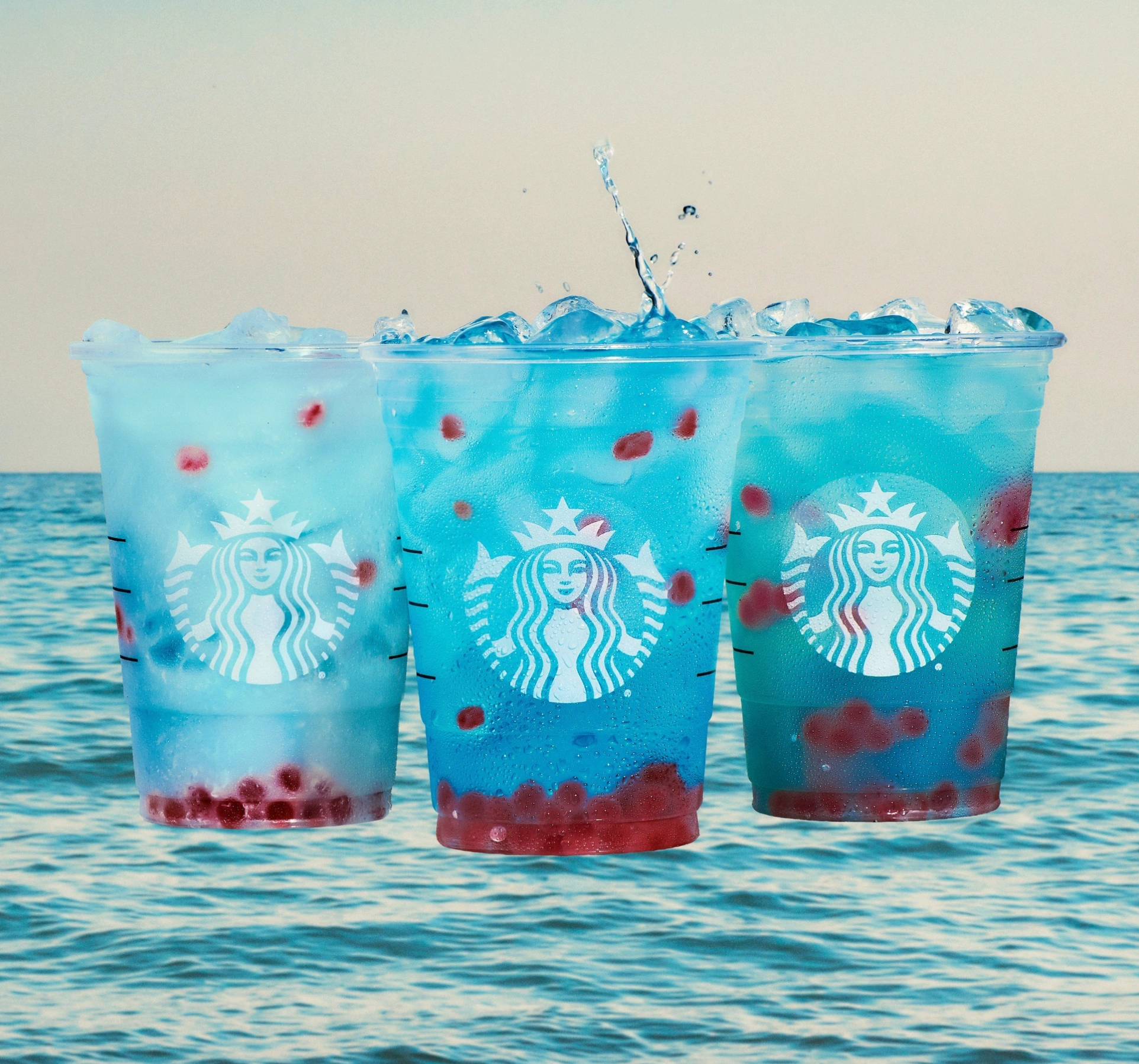
Through 2025, Starbucks ran seasonal capsules across North America — spring pastels, summer brights, and holiday sets — each positioned explicitly as limited and “while supplies last.” The brand’s newsroom highlighted the exact shelf dates, reinforcing a predictable cadence that fans and collectors now expect. (Starbucks)
- Tie beverage flavors to the palette so shelves and feeds reinforce each other.
- Keep sets tight so they read as collectible, not cluttered.
.webp)
The Bearista cup craze
The glass Bearista cold cup became the holiday headliner in 2025. It sold out quickly nationwide on Nov. 6, triggering lines, viral videos, and a brisk resale market for “dupes.” Canadian stories pages listed the Bearista cup as a featured SKU, and multiple outlets documented day-one sellouts and the scramble that followed. The cup’s photogenic form turned desks and dashboards into daily billboards. (Starbucks Stories)
- Offer one universally cute hero and a rarer finish to energize early lines.
- Price for fans first so organic enthusiasm beats scalper chatter.
View this post on Instagram
A post shared by Starbucks (@starbucks)
Starbucks x Hello Kitty collaboration
On Oct. 6, 2025, Starbucks announced a Hello Kitty holiday capsule with a 24-ounce acrylic cold cup and stainless steel bottle, priced for collectability and designed for giftability. Regional coverage confirmed U.S. availability from Nov. 6 alongside holiday merch. The collab works because it fuses an iconic character with a daily-use ritual, creating a small set that photographs well and sells through cleanly. (About Starbucks)
- Lead with one instantly recognizable silhouette, then echo the motif.
- Keep the assortment tight so it feels special and moves fast.
Red Cup Day still sets the clock
Starbucks officially set Red Cup Day 2025 for Nov. 13, promising a free reusable red cup with any handcrafted holiday beverage while supplies last. Canada and the U.S. posted identical timing, and lifestyle outlets amplified the date to fans who plan lines and first-sips. The one-day gift trains behavior for the rest of the calendar. (People)
- Use one national date to reset the rhythm each year.
- Pair the giveaway with menu and merch so the visit ladders into a basket.
View this post on Instagram
A post shared by Starbucks (@starbucks)
Traditional media, modern math
Starbucks relies on owned channels and predictable beats more than heavy media buys. The holiday hub centralizes dates and creative, while community posts, resale chatter, and localization extend reach at low cost. The earned-media flywheel is a feature, not a bug. Design and cadence do the work paid impressions used to do. (Starbucks)
- Treat the newsroom as a canonical calendar fans can trust.
- Seed clean assets so creators expand your surface area for free.
.webp)
When scarcity bites back
Quick sellouts create some frustration, especially around Bearista availability, but transparency about timing and “while supplies last” guardrails keeps the halo intact. The simplest mitigation is to announce the next wave immediately, and Starbucks did, pairing holiday drink and merch refreshes through November and December. (Starbucks)
- Post limits and store guidance so teams can enforce fairly.
- Share the next-drop date as soon as a hero sells through.
Why the playbook travels
The chassis is the same globally: same rules, localized CTA's, and country-specific assortments. Starbucks Canada’s summer and holiday pages mirror U.S. timing, and the Hello Kitty assortment shows how a tight collab can roll across markets with minimal copy change. The portability explains why Starbucks’ recent drops feel constant and why competitors mimic the formula. (Starbucks Canada)
- Keep drop rules identical, localize motif and pricing only.
- Maintain a consistent reveal voice so fans recognize the cue.
FAQ
What makes a Starbucks drop different from a standard launch?
Scarcity, story, and a precise on-shelf moment. Holiday and collab hubs announce dates, then stores flip so fans can capture the set and share it.
Why did the Bearista cup get everyone talking?
It is nostalgic and highly photogenic, and it sold out fast on Nov. 6, spawning resale chatter and “dupes” coverage within days.
How big is the Starbucks Hello Kitty collaboration?
A compact set, including acrylic cold cup and stainless bottle among others, priced in the $25 to $45 range and timed for the Nov. 6 holiday reset.
Does Red Cup Day still matter?
Yes. Starbucks confirmed Nov. 13 for 2025, and fans time their visits for the reusable cup giveaway. It anchors the season’s cadence.
Where do I find official timing on Starbucks’ recent drops?
Starbucks’ Holiday 2025 hub and country stories sites list dates, SKUs, and images for each wave.
Turning Moments Into Monthly Must-Dos
Starbucks turned launches into moments that reset habit. Seasonal hubs, the Bearista cup, Red Cup Day, and the Starbucks Hello Kitty collaboration demonstrate how rhythm, design, and clear limits transform a coffee run into culture. Keep the rules consistent, make the objects photogenic, and announce the next drop before this one cools. That is why Starbucks’ drop strategy keeps pulling everyone in.

%2520(1).png)
.png)