

SEO success starts with helping the right people find useful pages, not trying to outsmart a search engine. SEO brings together website structure, keyword research, helpful content, and technical performance. Those foundations can improve your ability to compete in search, but no tactic guarantees a first-place ranking.
This guide from Brand Vision explains four practical areas to work on and how to measure progress. Whether you run an ecommerce store, a business blog, or a corporate website, start with the pages that support a meaningful action, such as a purchase, booking, or qualified enquiry.
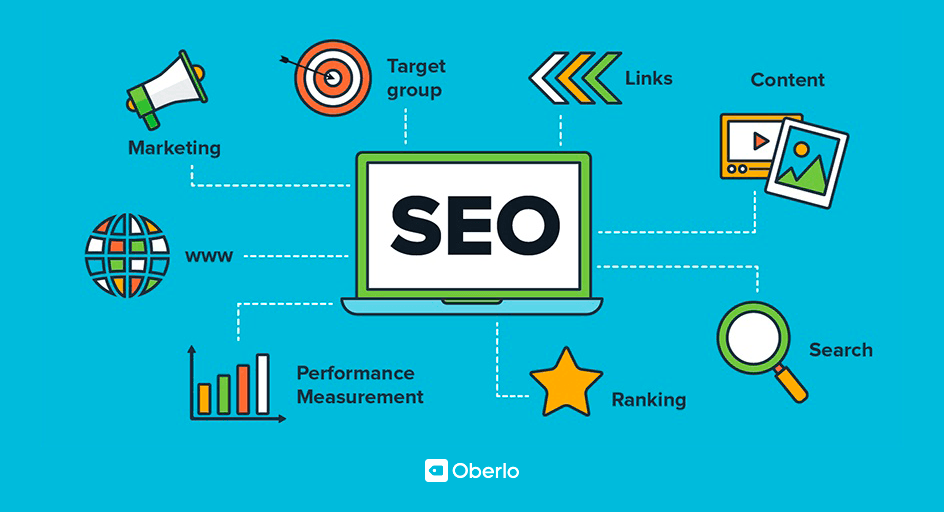
1. Understand SEO and Build a Clear Site Structure
Search engines need to discover and understand your pages before they can show them for relevant searches. Google's explanation of how Search works separates crawling, indexing, and serving results. A page being published does not guarantee that it will pass through every stage or appear for your target query.
Begin by improving the structure of your website. Group related pages logically, give navigation items understandable names, and connect useful content with descriptive internal links. An XML sitemap helps search engines discover URLs; it does not replace navigation or guarantee indexing.
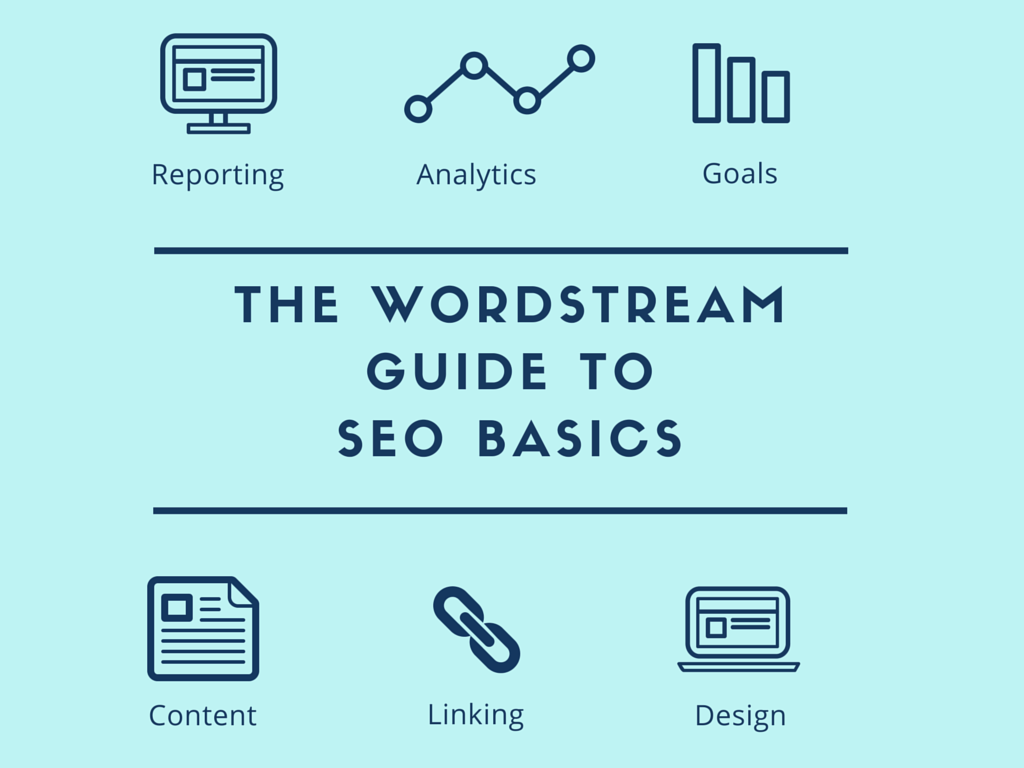
Good user experience matters after the click. Visitors should be able to understand the page, use it on their device, and complete the intended task. Bring these requirements into your website design rather than treating search visibility and usability as separate projects.
- List your important service, product, and informational pages, then confirm each has a clear purpose.
- Make those pages reachable through navigation or relevant body links, not only through the search box.
- Give visitors a useful next step without forcing every page to sell immediately.
- Check that forms, menus, and key content remain usable on mobile and with a keyboard.
For a growing content library, a documented internal linking strategy helps connect related explanations with the commercial pages they support. Add links where they answer the reader's next question, not wherever a keyword appears.
2. Research Keywords and Match Search Intent
Keywords describe the language people use when looking for information, products, or services. Tools such as Google Keyword Planner, Semrush, and Moz Keyword Explorer can help expand an initial list. Start with customer questions and the services you actually provide, then use tool data to compare opportunities.
Search volume is an estimate, not a promise of traffic. Google's Keyword Planner documentation also explains that its competition metric concerns advertisers, not the difficulty of ranking organically.
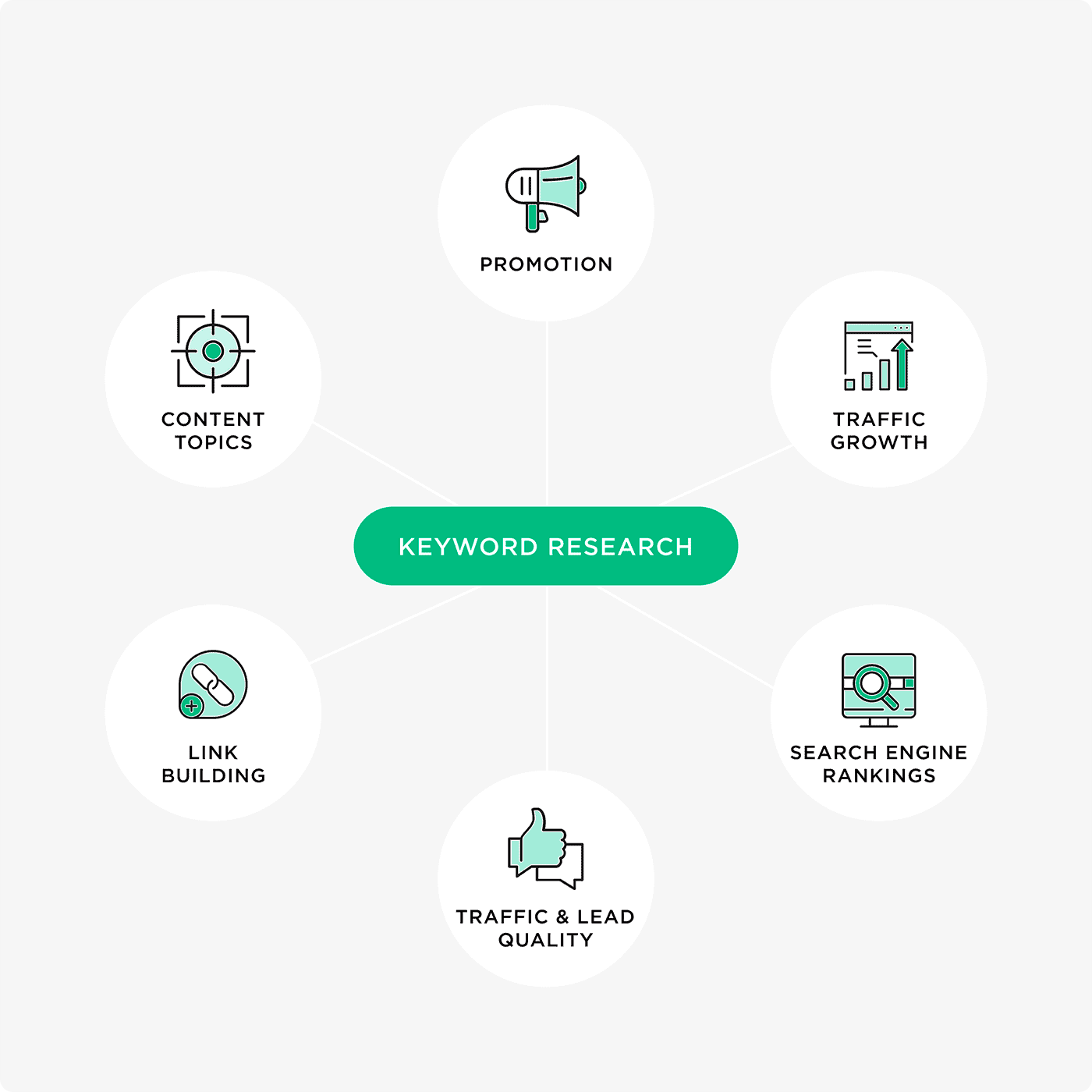
Review the search results for each priority topic. A query such as “how to choose running shoes” suggests a different task from “buy trail running shoes.” Match the page format to that task instead of placing every term on one page.
- Group related queries by the question or task they represent.
- Assign a suitable existing page to each group before deciding whether new content is needed.
- Check the intended country, language, and audience when comparing keyword data.
- For ecommerce SEO, distinguish product, category, and buying-guide needs rather than making them compete for the same purpose.
Use relevant wording naturally in the title, main heading, and supporting copy. Write a unique meta description that accurately summarizes the page. Google may use it as a snippet, but its snippet guidance explains that descriptions are not always displayed. The HTML and meta tag SEO guide covers the different roles of these controls.
Avoid keyword stuffing, including repeated phrases added only to influence rankings. It violates Google's spam policies. Read the page aloud: if the wording feels repetitive or unnatural, improve the explanation instead of adding another keyword.
3. Create Useful Content and Keep It Accurate
First understand the needs of your target audience. Identify the questions, uncertainties, and practical barriers that bring people to your site. Useful content answers those questions clearly and gives readers enough detail to make a decision or complete a task.

For example, a service page should explain who the service is for, what it includes, and what happens next. A product guide might compare relevant features and limitations. Add original examples or evidence where available, but do not invent experience, results, reviews, or credentials to make the page sound authoritative.
Google's people-first content guidance emphasizes usefulness and reliability rather than publishing to a preferred word count. Apply that principle when reviewing a page:
- Answer the main question early, then organize supporting information under clear headings.
- Check consequential claims against appropriate sources and preserve dates, units, and context for statistics.
- Use images, video, or diagrams when they explain something the text alone cannot communicate as clearly.
- Provide meaningful text alternatives for informative images and preserve media credits and permissions.
Local relevance matters when a business serves a defined area. A local SEO plan should keep services, locations, hours, and contact details accurate. For eligible businesses, maintain a complete Google Business Profile. Google's local ranking guidance identifies relevance, distance, and prominence as the main factors, so adding a city name cannot guarantee visibility.
When using SEO statistics for local search, check the original study, audience, and date before applying a headline percentage to your business. Use your own enquiries and search data to set priorities.
Content that remains relevant can continue to help readers, but it still needs maintenance. Correct outdated details, broken links, and gaps in the explanation. Update a page because its information needs improvement, not simply to change its date or make the site appear active.
4. Fix Technical Barriers
Technical optimization helps search engines access and interpret content while making the website more reliable for visitors. Start with an SEO audit that identifies specific problems, their affected pages, and who will fix them. Prioritize barriers to access before minor presentation changes.
- Inspect important URLs in Search Console and investigate unexpected indexing exclusions.
- Check that public pages are not accidentally blocked by robots.txt or marked noindex.
- Review canonical URLs, which indicate a preferred version among duplicate or similar pages, and keep internal links consistent with that choice.
- Check HTTPS, broken links, and redirects. Preserve useful URLs where possible; map permanent moves to relevant replacements.
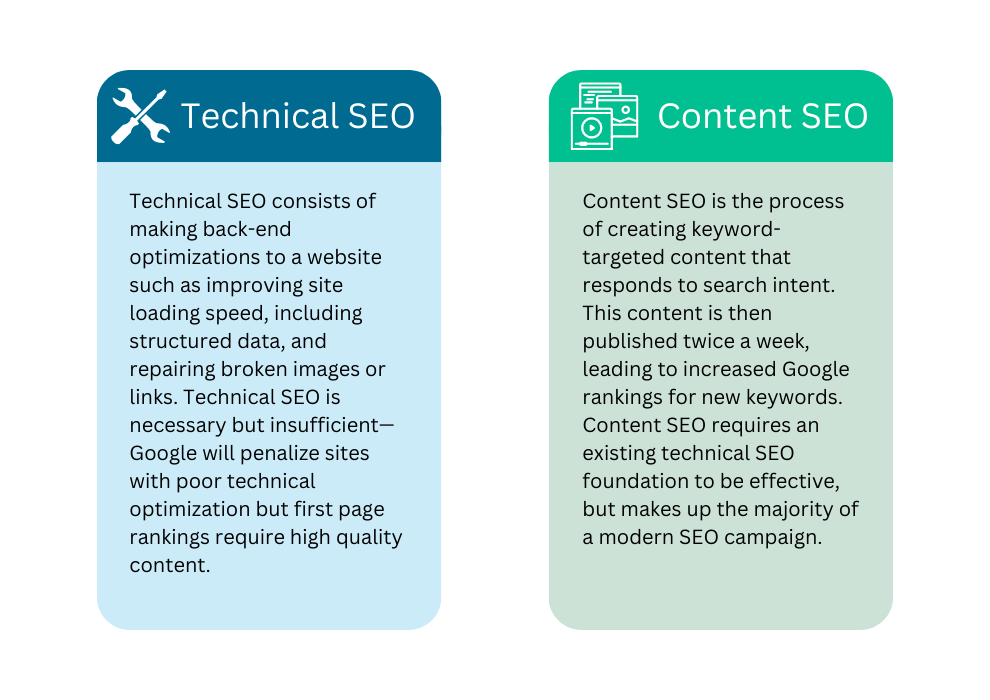
The speed at which your website loads also deserves attention. Optimize image dimensions and compression, reserve space for media, review unnecessary scripts, and configure caching or a content delivery network where appropriate. Diagnose the actual bottleneck rather than assuming one plugin or hosting change will fix every slow page.
Core Web Vitals assess loading, responsiveness, and visual stability. Good thresholds are Largest Contentful Paint at 2.5 seconds or less, Interaction to Next Paint at 200 milliseconds or less, and Cumulative Layout Shift at 0.1 or less, assessed at the 75th percentile of real-user visits separately for mobile and desktop. Use lab tests to investigate problems, not as a substitute for field data or proof of higher rankings.
Google uses the mobile version of a site's content for indexing and ranking. Its mobile-first indexing guidance recommends equivalent primary content across mobile and desktop. Test navigation, images, forms, and readable text on a real phone; a responsive layout alone is not a guarantee of search performance.
Create descriptive URLs and accurate metadata, but avoid changing established addresses solely to insert keywords. Use the technical SEO audit checklist for a broader inspection, and verify implementation details against current search-engine documentation.

Measure SEO Success Beyond Rankings
SEO is an ongoing process that requires monitoring and adaptation. Establish a baseline before changes. Google's Search Console Performance report tracks impressions, clicks, click-through rate, and average position. Compare equivalent periods, pages, countries, and devices; average position is not one fixed ranking for every searcher.
Pair search data with verified enquiries, purchases, or other meaningful outcomes. More traffic is not necessarily better traffic. The guide to checking Google keyword rankings explains how to interpret changes without relying on a single manual search.
Keep a change log and give each improvement an owner and review date. Address access problems first, improve important pages next, and reassess what the evidence supports rather than reacting to every daily fluctuation.
For a broader review of priorities, Brand Vision's marketing consultation can help connect SEO with your business goals. Contact our team to discuss the pages and issues that need attention.



%2520(1).png)