
From Audience to Business: What Changes
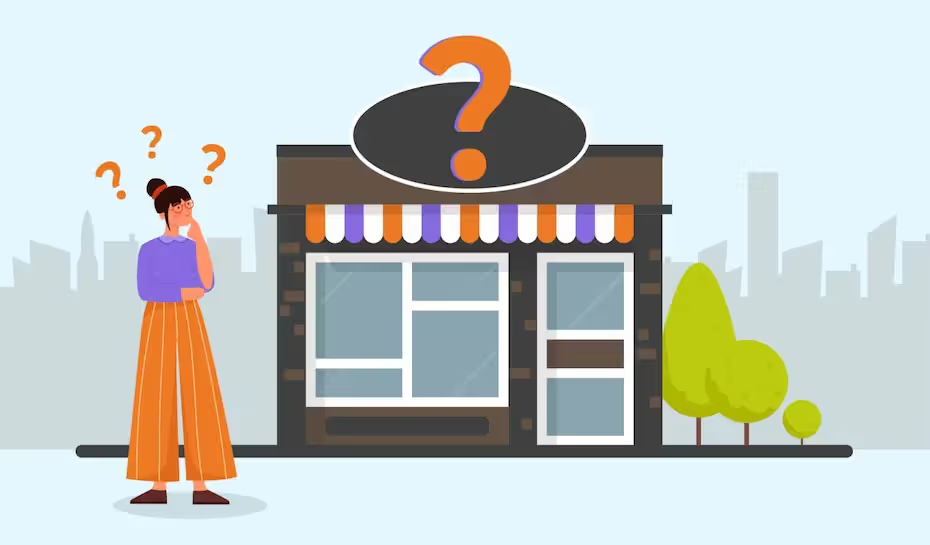
Influencers already know how to earn attention, communicate a point of view, and build trust with an audience. Turning that influence into a business is a different job. A product, service, membership, or platform has to solve a real customer problem, support reliable operations, and create value even when a social post is not performing.
The advantage is that creators often begin with assets most startups spend years trying to build: audience insight, a recognizable voice, direct feedback, and distribution. The risk is assuming those assets automatically translate into demand. Building a durable brand means testing the business idea, defining the position, creating an identity that can extend beyond one person, and developing channels the company actually owns.
Define the Business Before You Build It
Define a Clear Entrepreneurial Vision
Stepping into entrepreneurship begins with clarifying personal goals and the kind of company you want to create. The business might sell products, services, workshops, digital tools, subscriptions, or a combination of models. The important question is what customer problem the venture will solve and what role you want to play once the company grows beyond content creation.
- Define the customer, offer, and long-term role before committing to a launch.
- Separate the business objective from the short-term goal of monetizing an audience.
Leverage Existing Strengths Without Assuming Demand
Audience engagement, storytelling, community building, and personal branding are useful assets, but they are starting advantages rather than proof of product-market fit. A beauty creator may understand recurring skincare questions, while a fitness creator may know where followers struggle with routines or accountability. Those insights can inform an offer, but customers still need a reason to buy it.
- List the knowledge, audience access, partnerships, and content skills you already control.
- Use those advantages to identify problems worth validating, not to skip validation.
Conduct Market Research Before Launching
Even a large audience cannot guarantee demand. Research competitors, alternatives, pricing, reviews, recurring customer complaints, and the language people use to describe the problem. Structured brand research can also help distinguish what followers enjoy watching from what customers will actually pay to solve.
- Test the problem and willingness to pay before investing heavily in inventory or development.
- Look for unmet needs and credible differentiation rather than assuming reach will overcome a crowded category.
Build a Practical Business Plan
A useful plan does not need to predict every future decision. It should define the value proposition, revenue model, costs, pricing logic, customer-acquisition channels, operating responsibilities, and the milestones that would justify further investment. This turns an idea into a set of decisions that can be tested.
- Model conservative costs and revenue rather than planning around viral growth.
- Identify which parts of the business depend on the creator personally and which can eventually operate without them.
Align the New Brand With the Creator's Positioning
Brand positioning becomes important when the business has to stand for something more specific than the creator's personality. Decide whether the venture is a direct extension of the personal brand or a distinct company that happens to benefit from the founder's audience. The answer affects naming, messaging, design, partnerships, and how the company can grow if the founder becomes less visible.
- Define the promise and audience before translating the creator's personality into a company brand.
- Keep enough continuity to earn trust without making the entire business dependent on one persona.
Decide Whether the Business Needs Its Own Name
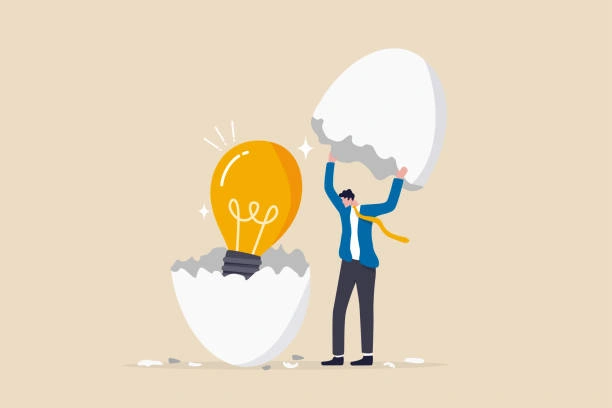
Some creator businesses work best under the founder's name. Others need a distinct identity because the company may add products, employees, partners, or markets that extend beyond the creator. A structured brand naming process can test strategic fit, memorability, practical availability, and room for future growth before the identity is built around a name.
Build the Brand and Operating Foundation
Seek Expertise Where the Creator Has Gaps
Influence does not automatically provide expertise in supply chains, finance, legal issues, customer service, product development, or brand systems. Bring in specialists where mistakes would be expensive or where the company needs skills the founder does not have. For a creator building a consumer business in Los Angeles, working with a Los Angeles branding partner can be useful when the need is local support around positioning, identity, and launch execution.
- Use outside expertise for high-consequence gaps instead of trying to learn every discipline at once.
- Choose partners based on the business problem they can solve, not only their familiarity with influencer marketing.
Adopt a Long-Term Mindset
One of the harder shifts in becoming an entrepreneur is embracing a new mindset. Social platforms provide immediate signals such as views, comments, and shares. A business may require months of product iteration, customer support, hiring, cash-flow management, and operational improvements before the progress is visible.
- Use business milestones, customer retention, and unit economics alongside social engagement.
- Expect the company to develop on a slower timeline than a content cycle.
Diversify Revenue Carefully
Products, services, subscriptions, licensing, and education can reduce dependence on sponsorship income, but more revenue streams also create more operational complexity. Start with the offer that best fits the audience problem and expand only when the first model is working well enough to support the next one.
- Diversification can reduce concentration risk, but only when each model has real demand.
- Avoid launching multiple offers before the business understands what customers value most.

Build a Team Around the Business, Not the Feed
As the company grows, the founder should not remain the default owner of every task. Hiring employees, contractors, or specialist partners can move customer support, operations, finance, production, and marketing into clearer functions. Delegation also reduces the risk that the business stalls whenever the creator is filming, travelling, or taking time away from social media.
- Document recurring processes before handing them off.
- Hire around persistent bottlenecks rather than adding headcount simply because revenue increased.
Move From Personal Reach to a Marketing System
Evolve the Marketing Beyond Personal Influence
Startup marketing becomes relevant once the company needs customers beyond the founder's existing followers. The mix can include creator content, partnerships, paid media, email, search, public relations, and community programs. A video marketing strategy can extend the founder's storytelling skills into repeatable product education, demonstrations, customer stories, and campaign content.
- Keep the founder's audience as an advantage, not the only acquisition channel.
- Measure which channels bring qualified customers rather than assuming reach equals demand.

Build an Owned Home Base
Social platforms are useful distribution channels, but the business should also have a place it controls. A well-planned website can explain the offer, answer buying questions, capture email demand, support search discovery, and give customers a consistent destination even when algorithms or platform formats change.
Balance Creativity With Business Discipline
Creative instinct can drive product ideas and compelling marketing, but the business also needs cash-flow awareness, inventory or capacity planning, contracts, customer policies, and reliable reporting. The goal is not to make the company less creative. It is to give creativity an operating system that can support growth.
Prioritize Customer Experience
Followers can tolerate experimentation that paying customers will not. Once money changes hands, people expect product quality, clear delivery expectations, support, refunds or returns where applicable, and consistent communication. Customer experience becomes part of the brand because every operational interaction either reinforces or weakens the promise.
- Track recurring support issues and use them to improve the product and onboarding.
- Make policies understandable before the customer has a problem.
Use Technology to Support the Operation
Inventory, email, analytics, customer relationship management, scheduling, and support tools can reduce repetitive work and make decisions easier to track. Choose systems that solve a clear operating need rather than adding software because it is popular.

Learn From Other Entrepreneurs
Creator experience can be unusually strong in audience-building and unusually weak in areas such as hiring, fulfillment, financing, procurement, or governance. Entrepreneurial communities, experienced operators, and professional networks can help close those gaps and expose assumptions before they become expensive.

Keep the New Brand Recognizable Without Making It a Costume
Authenticity should come from consistency between what the company says, sells, and does. A distinct visual identity can help the business feel recognizable beyond the founder's feed, while product-development stories and transparent communication can retain the human connection that attracted the first customers.
The strongest creator-led businesses use influence as the starting distribution advantage, not the entire business model. If your audience is becoming a company and you need help connecting research, positioning, identity, website, and launch priorities, Brand Vision can help structure the next steps through a marketing consultation.