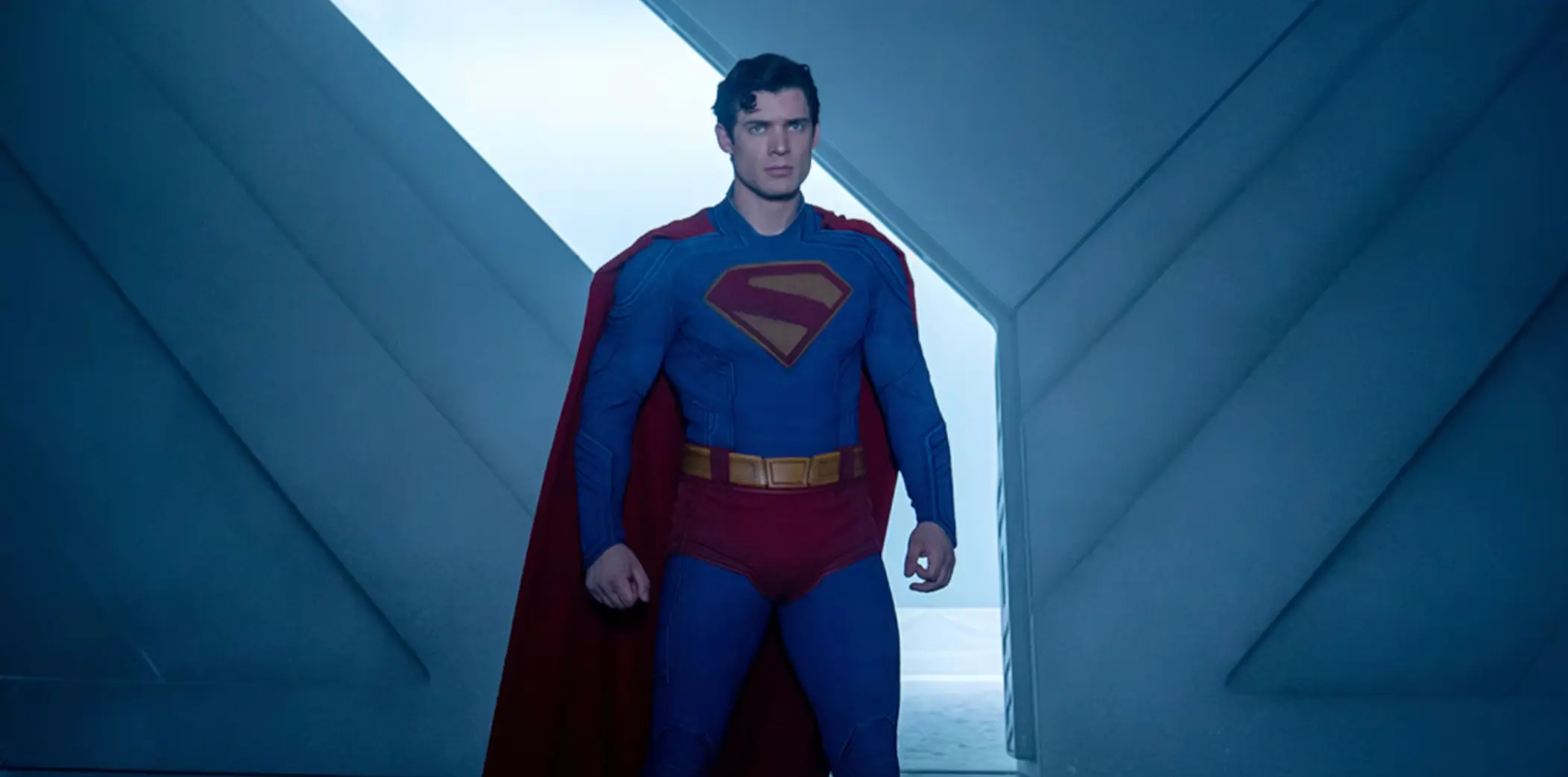
DC marketing strategy has always lived in a strange tension: Batman is everywhere, Superman is eternal, and yet the brand has to feel new every single year. That’s why the marketing strategy of DC today looks less like one big splash and more like a system, where DC characters are treated like a portfolio and DC branding is designed to signal stability. When DC campaigns hit, they’re built to feel like culture, not just content. And when DC collaborations land, they’re not random merch; they’re proof the characters still belong in real life.
At-a-Glance
- DC is running a two-lane brand: a connected DCU plus clearly labeled Elseworlds stories. (TheWrap)
- DC branding leaned into heritage by bringing back the classic DC “bullet” logo across the company. (DC) (Fast Company)
- DC Studios is positioning Superman as a signature symbol for the studio’s identity and continuity. (GamesRadar)
- Flagship campaigns are increasingly built through partnerships, like Amazon’s “Anyone Can Be Super” activation ecosystem. (Amazon Ads)
- Licensing is being treated as a growth engine, not an afterthought, from global retail rollouts to long-term toy deals. (DC) (License Global)
1) DC branding starts with clarity
A lot of the DC marketing strategy is really a fight against confusion, because audiences don’t want homework before they hit play. That’s why the marketing strategy of DC leans on a simple architecture: a core, unified DCU for the connected story, and a clearly labeled Elseworlds lane for standalone visions. It’s a move disguised as brand storytelling, because it lets DC keep big, auteur-driven projects without letting them blur the main line. In a world where people scroll past anything that feels complicated, clarity is a competitive advantage.
- DC Studios described labeling projects outside the main DCU as DC Elseworlds, specifically citing titles like Joker and The Batman as examples of stories that sit apart. (TheWrap)
- The DCU focus is framed as “consistent going forward,” which is a creative promise and a marketing promise at the same time. (TheWrap)
- DC itself has talked about canon and connection as a forward-facing commitment once the first DCU project begins. (DC)
-1.webp)
2) The “bullet” logo return is more than nostalgia: it’s a trust reset
Logos don’t fix stories, but they can signal what a brand wants you to feel, and DC branding leaned into that hard by bringing back the classic “DC bullet.” DC highlighted the logo’s original era and made it clear the mark would show up everywhere, from comics to toys to games to DC Studios, which turns a design choice into a unity statement. Fast Company noted the bullet’s history and how it’s being used across the company, which is exactly what a modern franchise needs when audiences have seen too many reboots. The subtext is simple: DC isn’t trying to look new, it’s trying to look certain. (Fast Company)
- DC said the bullet logo is returning across DC’s ecosystem and will be the official logo for DC Studios as well. (DC)
- This is DC branding built for the moment: when culture feels unstable, heritage becomes a form of reassurance.
3) Superman as the studio signature: DC’s version of an instantly recognizable stamp
Studios fight for a recognizable “feel,” and DC is doing it with a character, not just a logo. James Gunn has compared Superman’s presence in the DC Studios opening to a classic studio signature, and that’s a marketing move as much as an aesthetic one. It tells audiences, before a single scene plays, that they’re in the DC Studios era, and it anchors every new title to the same emotional promise. In a market that’s drowning in franchises, that kind of consistency is a shortcut to comfort.
- Gunn said the DC Studios title sequence will stay consistent, with Superman as the recurring symbol, while allowing slight variations for Elseworlds. (GamesRadar)
- The choice ties brand identity to DC characters, which is exactly where DC has always been strongest.
- It’s also a subtle promise of coherence, even when genres shift from project to project.
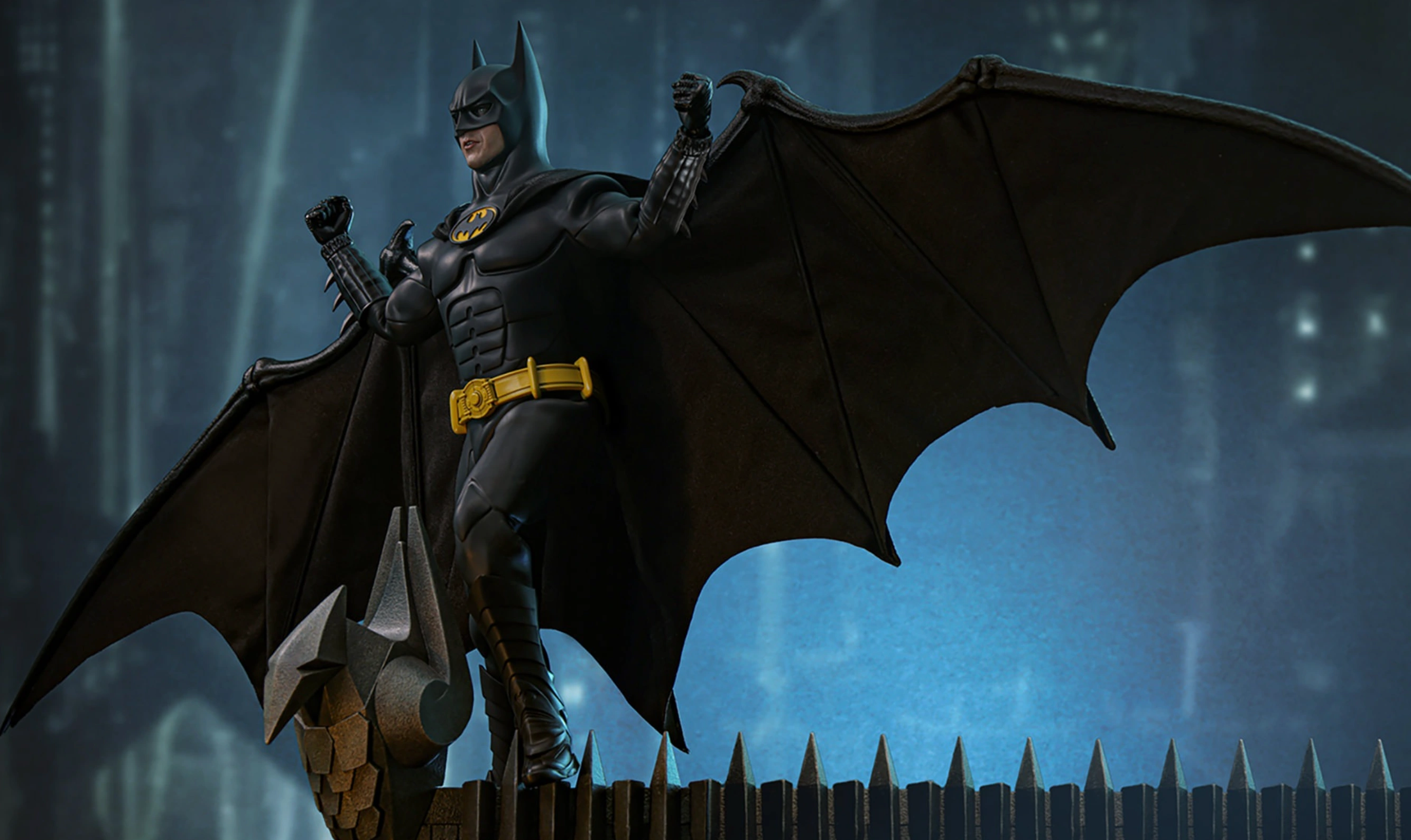
4) DC characters are marketed like a portfolio: anchor with icons, then expand the perimeter
The marketing strategy of DC only works when the audience feels there are “sure bets,” and that’s why Batman and Superman remain the gravitational center. Warner Bros. Discovery framed Gunn and Safran’s job as overseeing creative direction across film, TV, and animation under a single banner, which sets up a real franchise operating model, not just a release calendar. (Warner Bros. Discovery) At the same time, DC’s own messaging has emphasized weaving in lesser-known corners of the universe, because new characters are how you keep a brand from becoming a museum. The trick is sequencing: you lead with icons, then use their momentum to introduce the next wave.
- Warner Bros. Discovery positioned DC Studios leadership as overseeing DC across film, TV, and animation under a unified banner.
- The result is a character strategy that protects the pillars while still making room for surprise.
5) DC campaigns are being built as platforms, not placements
A classic movie campaign buys attention; a modern franchise campaign builds an ecosystem people can step into. That’s why DC’s “Anyone Can Be Super” push with Amazon is such a clean example of where DC campaigns are going: ticket access, Alexa experiences, Twitch creator programming, Prime Video ads, and co-branded storytelling, all tied to the same emotional idea. It’s not just marketing, it’s product behavior, because it gives fans things to do, not just things to watch. If the goal is to make Superman feel like a summer event, this is how you manufacture that feeling at scale.
- Amazon Ads described Prime Early Screenings tied to the campaign, plus Alexa, Twitch, and Prime Video ad integrations. (Amazon Ads)
- Warner Bros. Pictures marketing leadership framed the initiative as “wide-ranging,” including partner activations and nonprofit tie-ins. (Amazon Ads)
- This is the DC marketing strategy in action: borrow platforms where people already live, then make the character feel present there.
6) DC collaborations make the fandom physical
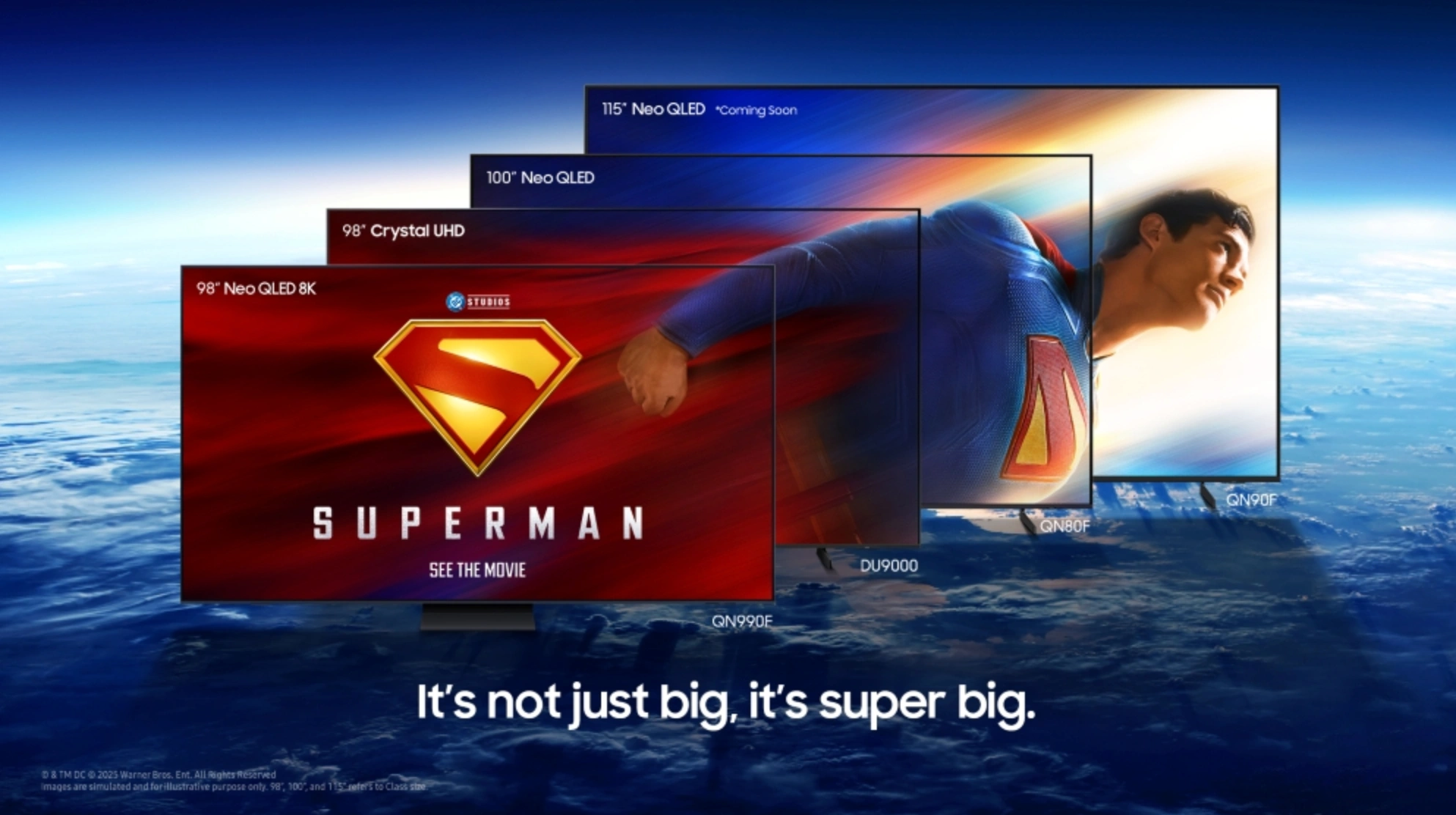
DC collaborations aren’t just about slapping a logo on a box, they’re about giving fans a way to inhabit the world. Samsung’s partnership with Superman is a perfect example because it combines digital content, public activations, and limited-time art drops, plus a social challenge tied to prizes. You can feel the cultural logic behind it: audiences want experiences they can post, collect, and remember, because that’s how modern fandom proves itself. A film can disappear after opening weekend, but a physical activation turns it into a moment people can point to.
- Samsung described a global partnership with Warner Bros. and DC Studios featuring activations, video content, and limited-edition digital artwork through Samsung Art Store. (Samsung Newsroom)
- The campaign included real-world pop-ups like Daily Planet-themed kiosks in London and mall activations across Asia.
- This is what modern DC branding looks like: characters as experiences, not just IP.
7) Gaming is not a side quest: it’s where DC characters stay culturally fluent
If you want to understand why DC collaborations keep showing up in games, look at how fast culture moves there. Fortnite’s Superman rollout wasn’t just a skin drop, it was a full in-game moment with powers, map locations, and a broader hero-season theme, which turns DC characters into playable events. That matters because younger audiences don’t just watch heroes, they embody them, and that kind of interaction creates a different kind of attachment. When DC is present in these environments, the characters don’t feel like legacy, they feel current.
- Fortnite announced Superman’s arrival as a seasonal centerpiece, including unlockable outfits and match-based powers. (Fortnite)
- The integration included Superman’s Call crystal powers and new locations like the Fortress of Solitude.
- For the marketing strategy of DC, this is retention: staying visible between film and series cycles.
.webp)
8) Licensing and retail are treated as storytelling channels, not merch tables
The most underrated part of the DC marketing strategy is that consumer products often do the “daily reminder” work that trailers can’t. DC and Warner Bros. Discovery Global Consumer Products framed the Superman retail rollout as a massive global collection with more than 100 partners, which is basically brand saturation done with design. It also shows how DC campaigns spread beyond screens: toys, apparel, home goods, pets, and collectibles all become touchpoints that keep the character in circulation. And when you zoom out, licensing is also long-term infrastructure, like the multi-year DC deal with Mattel that License Global reported will start delivering products in the second half of 2026.
- DC described a global Superman collection tied to the film with 100+ partners and availability across major retailers. (DC)
- License Global reported Mattel secured global licensing rights for a broad range of DC-themed products starting in the second half of 2026. (License Global)
- This is DC branding as omnipresence: the hero shows up in ordinary life until the next story arrives.
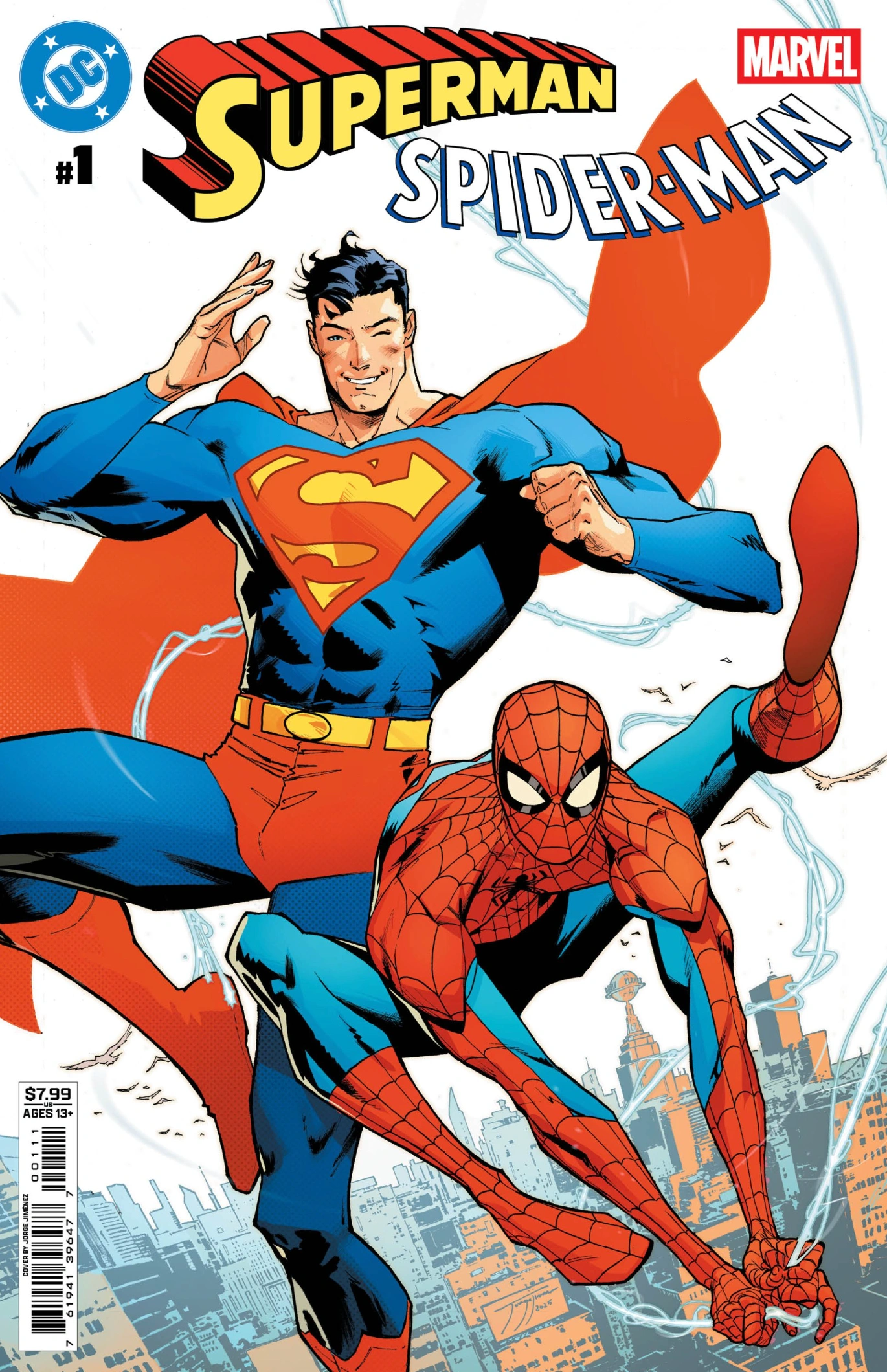
9) Big cultural moments still matter, but the proof is in performance
There’s a reason DC keeps trying to make each new era feel like a “new beginning.” AP reported that Superman’s opening weekend hit $122 million in the U.S. and Canada and that the film became the first DC title to surpass $100 million opening weekend since Wonder Woman, which is the kind of headline that changes internal confidence overnight. (AP News) Marketing can’t manufacture love, but it can manufacture turnout, and turnout buys a franchise time to build. When a tentpole works, everything downstream works better too: licensing, partnerships, and the willingness of fans to believe the next announcement.
- AP reported a $122 million opening weekend in the U.S. and Canada for Superman and noted domestic earnings around $352 million after eight weeks in theaters. (AP News)
- The same report framed Superman as the first release under Gunn and Safran’s DC Studios leadership, which makes performance feel like a referendum on the new era.
- In the DC marketing strategy, wins aren’t just revenue; they’re permission to build.
10) What the DC marketing strategy teaches any brand trying to stay iconic
The most transferable part of the marketing strategy of DC isn’t superheroes, it’s structure. DC branding is being built to reduce confusion, amplify emotion, and keep the characters present between major releases. DC campaigns work when they create participation, and DC collaborations work when they feel like culture instead of co-branding. Put differently, DC is learning the same lesson every modern brand is learning: attention is rented, but belonging is earned.
- Build a two-lane brand system so audiences always know what they’re buying into.
- Treat partnerships like ecosystems, not ad buys, so the campaign lives where people already spend time.
- Use licensing as a daily-touch channel that keeps the brand alive between the big moments.
FAQ
What is the DC marketing strategy right now?
The DC marketing strategy is built around clarity and consistency: a unified DCU for connected stories, an Elseworlds label for standalone projects, and a refreshed brand identity that signals stability across comics, films, games, and merchandise. It also leans heavily on partnerships and licensing so DC characters stay visible between major releases.
Why did DC bring back the DC bullet logo?
Because heritage can act like trust, especially when audiences are tired of constant reinvention. DC has said the classic bullet logo is returning across its ecosystem, and Fast Company noted it’s being used broadly across the company, including DC Studios, which turns a design choice into a unification signal.
How do DCU and Elseworlds affect DC branding?
They reduce cognitive friction. Elseworlds gives DC room to make bold, director-driven stories without confusing audiences about canon, while the DCU lane keeps the main narrative coherent and cumulative. That separation makes marketing cleaner because each project can be positioned honestly without “where does this fit” dominating the conversation.
What are examples of recent DC collaborations that show the strategy clearly?
Amazon’s “Anyone Can Be Super” campaign is a standout because it used ticket access, Alexa experiences, Twitch streams, and Prime Video ads as one connected system, not separate tactics. Samsung’s Superman partnership is another because it blended real-world activations, content, and limited-time digital art to turn the release into an experience people could physically participate in.
How does DC monetize DC characters beyond movies and shows?
Consumer products and licensing do a huge amount of the work, from global retail collections tied to film releases to long-term toy and collectible partnerships. DC described a Superman rollout with more than 100 partners across categories, and License Global reported a multi-year DC licensing agreement with Mattel that begins rolling out product in the second half of 2026.
The Real Power Behind DC Branding
The marketing strategy of DC is getting sharper because it’s finally being treated like a system, not a series of reactions. DC marketing strategy today is built on fewer surprises and more signals: what’s canon, what’s Elseworlds, what the logo means, and why Superman is the studio stamp. DC campaigns are shifting toward ecosystems people can join, and DC collaborations are designed to make characters feel real in everyday life. The real question is the one fans always ask, even if they don’t say it out loud: Does this feel like DC again, in the best possible way?



%2520(1).png)