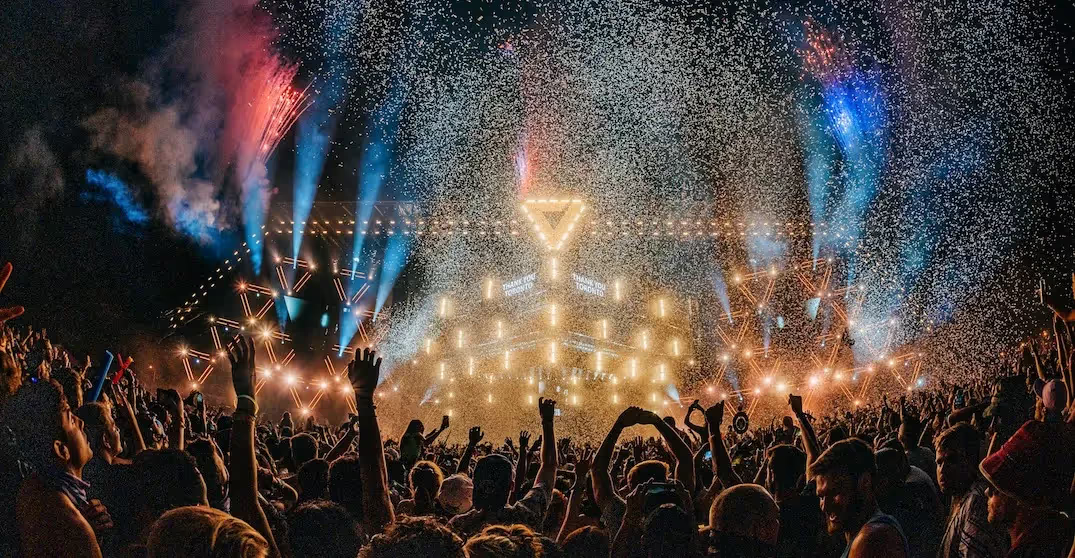
VELD Music Festival's 2023 edition marked the event's 10th anniversary at Toronto's Downsview Park. Its appeal was built around more than a weekend lineup: the festival combined major electronic artists, recognizable visual assets, social-media anticipation, and on-site sponsor activations into one event brand. INK Entertainment had announced the August 4 to 6 dates after the 2022 festival, positioning the 2023 edition as another three-day event across multiple stages. That makes VELD a useful example of entertainment and festival marketing, where the live experience and the promotional system have to reinforce each other.
The 2023 Lineup Was the Main Attention Engine
The lineup brought together Tiësto, Zedd, Above & Beyond, Loud Luxury, Illenium, and the debut RezzMau5 set from deadmau5 and Rezz. NOW Toronto's lineup announcement also highlighted a Friday program on the Hillside stage presented by RAPSEASON, with Central Cee, Krept & Konan, and K-Trap. That mix gave the festival several audience entry points while keeping electronic music at the center of the event.
For a festival, the lineup is both product and campaign. Major names create immediate recognition, while the range of artists gives different listener groups a reason to pay attention. The schedule, artist announcements, posters, and social graphics then turn that programming into a repeatable promotional system. This is where campaign graphic design matters: the creative has to communicate artist hierarchy, timing, and the event identity quickly across many formats.
A strong lineup also gives the marketing calendar natural beats. Initial announcements create awareness, day-by-day schedules answer practical questions, and artist-specific posts let fans enter through the performers they already follow. The event does not need one message to do every job as long as those pieces still look and feel like the same festival.
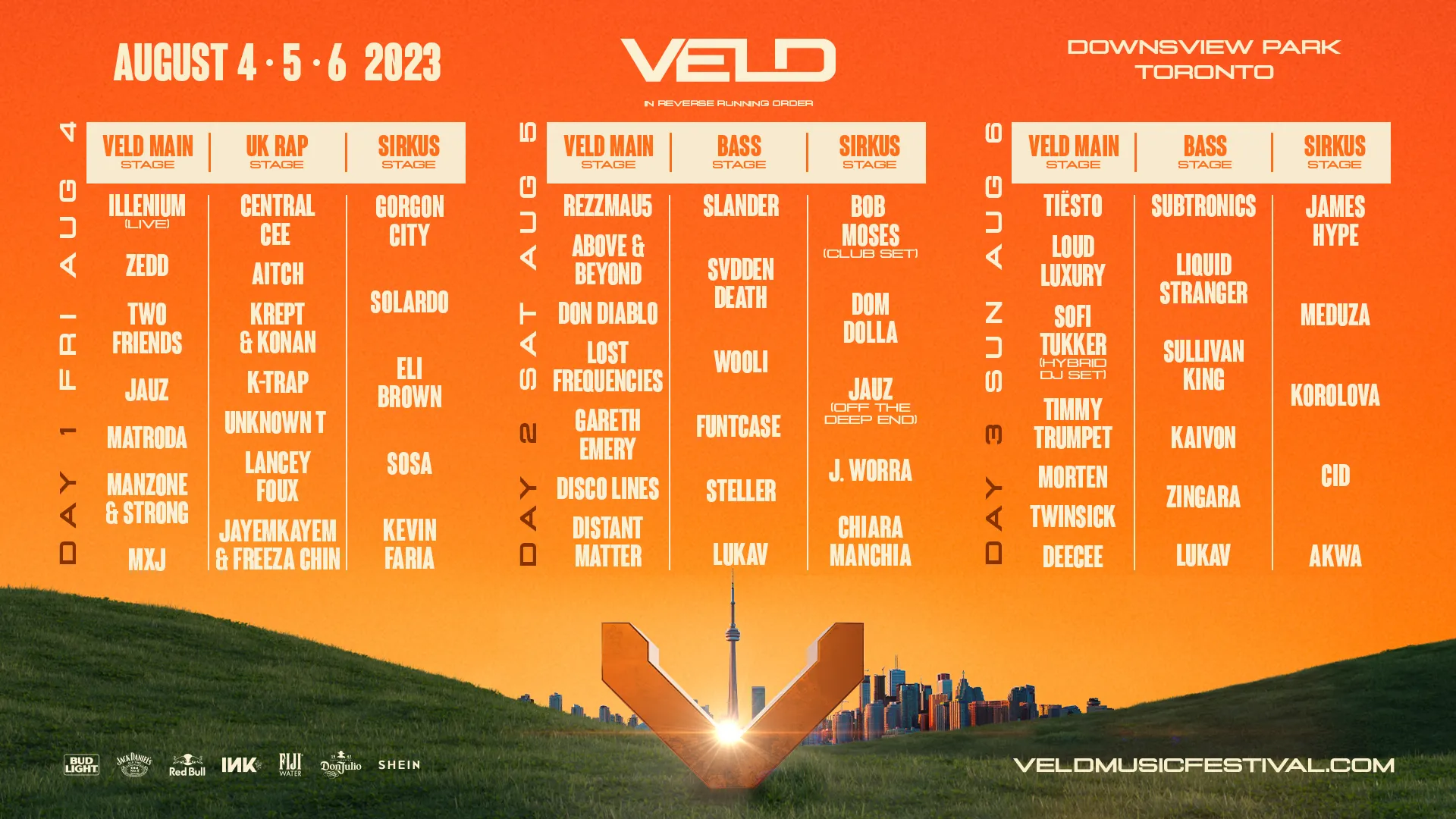
A Festival Brand Has to Feel Coherent On Site
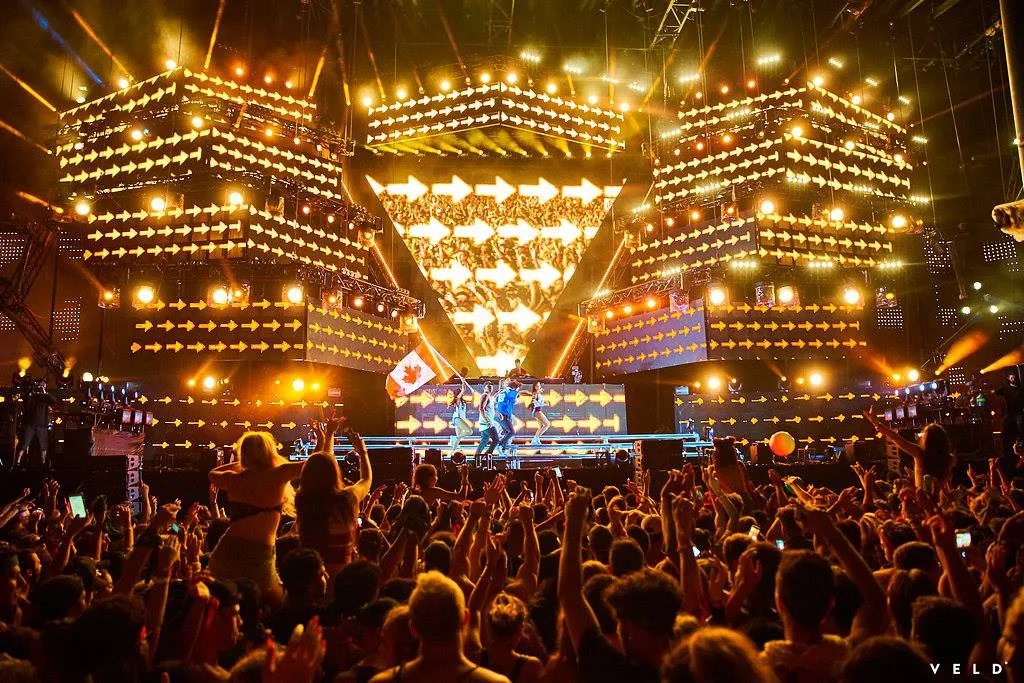
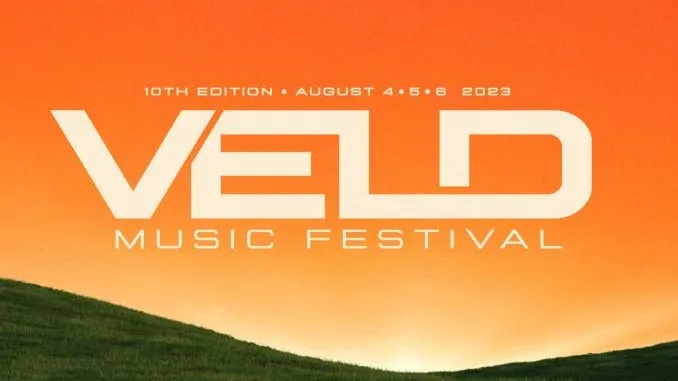
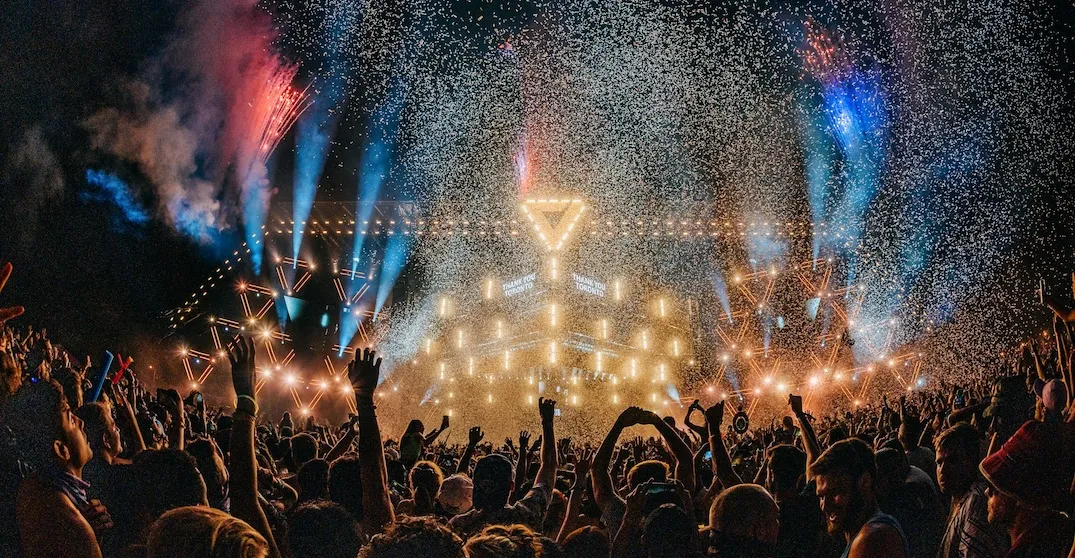
VELD's logo, stage environments, signage, schedule graphics, and crowd experience all contribute to how the festival is remembered. Physical stage design and digital design serve different purposes. The more relevant lesson here is that a festival brand strategy needs enough consistency to hold together very different performers, stages, sponsors, and audience moments without making the event feel fragmented.
Audience fit matters here too. A festival can bring in sponsors from different categories, but each activation still has to make sense for the people attending and the environment they are in. Structured audience and brand research is useful in this kind of decision because it helps separate a genuinely relevant partnership from one that only adds another logo to the grounds.
That consistency gives partners a frame to work within. The festival identity remains recognizable, while individual activations can add fashion, sport, hospitality, or product sampling without needing to redefine what VELD is. The strongest partnership is therefore not necessarily the loudest one. It is the one attendees can understand quickly and choose to interact with.
Social Media Extends a Three-Day Event
A festival only occupies the physical venue for a few days, so much of its marketing work happens before and after the gates open. Lineup reveals, artist clips, schedule graphics, attendee posts, and recap content can keep the event visible across the full campaign cycle. For VELD, that makes social content a distribution layer for the same assets people encounter on posters, stages, and tickets.
The useful lesson is not simply to post more often. A strong digital marketing system gives each content type a job: lineup announcements build awareness, schedule posts reduce uncertainty, live content creates urgency, and attendee-generated material shows what the experience feels like. Audience sharing can extend the event's reach even without treating every widely shared post as evidence of a formal influencer partnership.
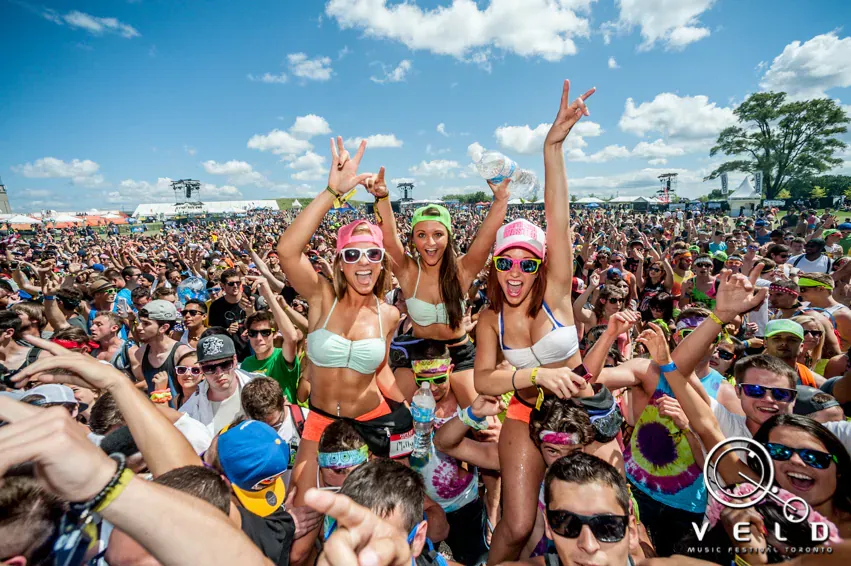
Festival-goers still matter as distributors even without a formal influencer program. When attendees post stage footage, outfits, crowd moments, and artist clips, they extend the event into other people's feeds. The marketing opportunity is to make the experience recognizable enough that user-created content still points back to the event brand.
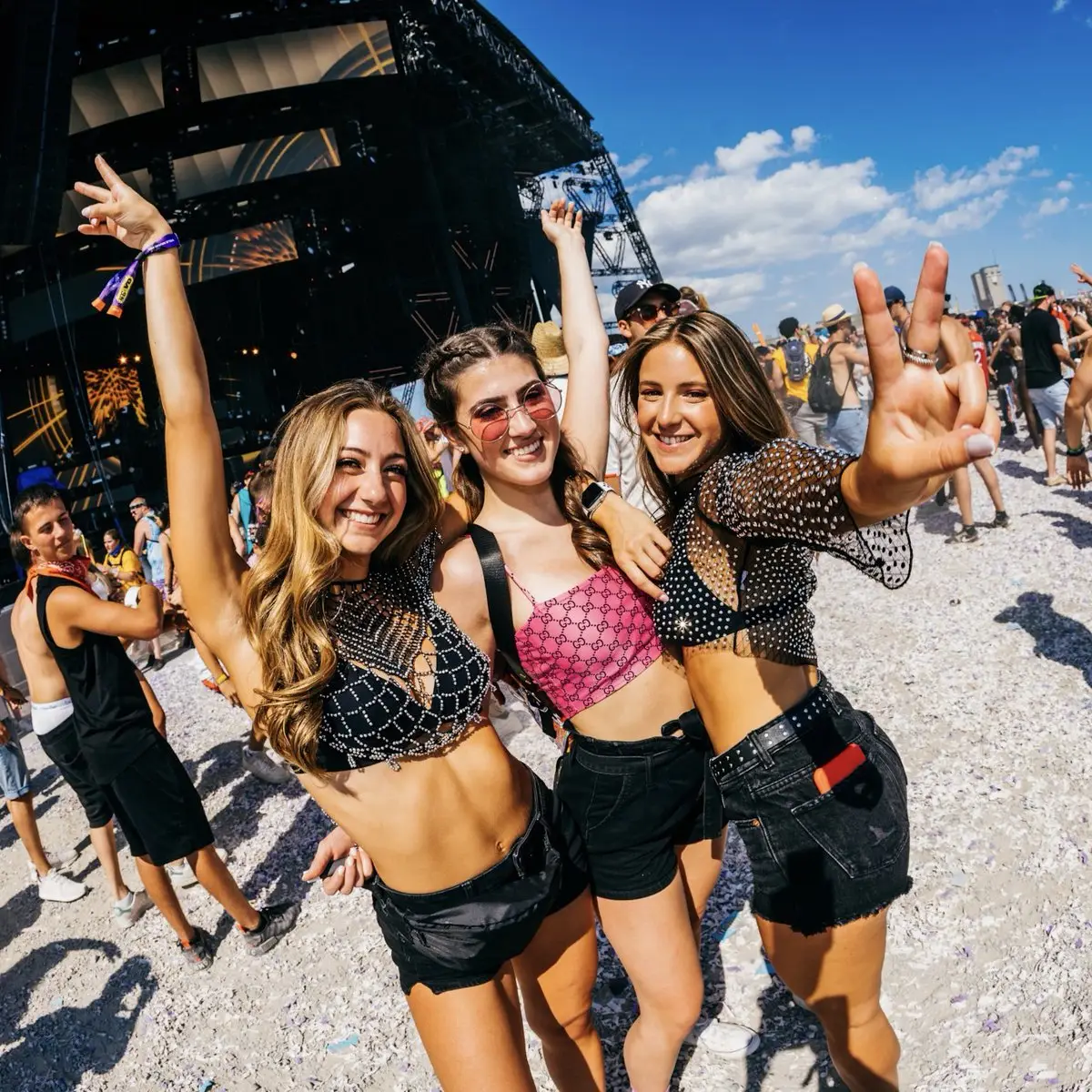
Sponsor Activations Work Best When They Add to the Experience
The 2023 festival had concrete examples of sponsors doing more than placing logos. SHEIN announced a VELD pop-up with giveaways, beauty products, accessories, and a rest station for festival-goers. The company's 2023 announcement shows how the activation connected fashion and comfort to the setting rather than treating the festival as generic media inventory.
Red Bull also had a documented on-site role. Its 2023 Siakam's World schedule listed VELD at Downsview Park from August 4 to 6, giving festival attendees access to a basketball activation during the event. That makes Red Bull a useful example of experiential sponsorship: the brand gave attendees an activity, not just a logo. Brand Vision's deeper look at Red Bull's sponsorship strategy explains why participation often creates more durable brand meaning than passive logo exposure.
The RAPSEASON presentation on the Hillside stage shows another model. Instead of building a stand-alone booth, the partner was connected directly to programming. These two approaches have different jobs: an activation gives people something to do, while a stage or content partnership can shape what part of the event the sponsor helps bring to life.
What Marketers Can Take From VELD
VELD's 2023 marketing is most useful when viewed as a connected event system. The lineup created demand, the visual system made the schedule and identity recognizable, social media extended the campaign beyond the weekend, and selected sponsors added experiences inside the festival itself. Those elements work together because each one supports a different part of the audience journey.
- Use the lineup or core product as the primary reason to care, then let campaign assets make it easier to discover.
- Keep the visual system consistent enough that schedules, stages, posts, and partner moments still belong to one event.
- Give social content different jobs across the campaign instead of treating every post as general awareness.
- Choose sponsors whose activation can add utility, entertainment, or cultural relevance to the audience experience.
The larger lesson is that event marketing gets stronger when every touchpoint has a clear role. A sponsor should add something people can experience, a social post should make the next action easier, and the visual system should help audiences recognize the event quickly. For more examples of how brands used partnerships and cultural timing in the same year, see Brand Vision's roundup of standout marketing campaigns from 2023.



%2520(1).png)