A memorable logo gives people a compact visual cue they can recognize across packaging, screens, advertising, and other touchpoints. This roundup looks at ten established marks we found especially effective and the choices that make each one distinctive. Thoughtful logo design should work at both the symbol level and within the wider brand system.
1. NBA Logo
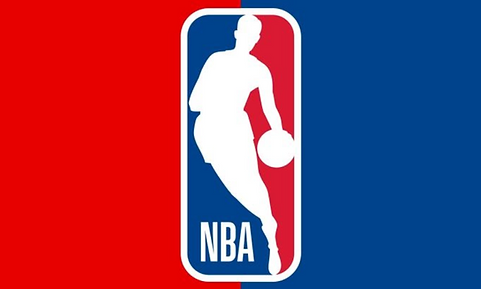
- The NBA mark uses a simple red, white, and blue composition with a strong vertical silhouette, giving it immediate contrast and a clear connection to basketball.
- Designed by Alan Siegel in 1969, the silhouette was based on a photograph of Los Angeles Lakers legend Jerry West.
- The active figure gives the mark a sense of movement that suits the energy of the sport.
2. Hopper
- Hopper's rabbit creates a friendly, recognizable symbol for a travel app without relying on a literal airplane or suitcase.
- The jumping pose adds movement, reinforcing the idea of travel.
- Its relatively simple silhouette also helps the character remain identifiable at small digital sizes.
3. Mercedes-Benz
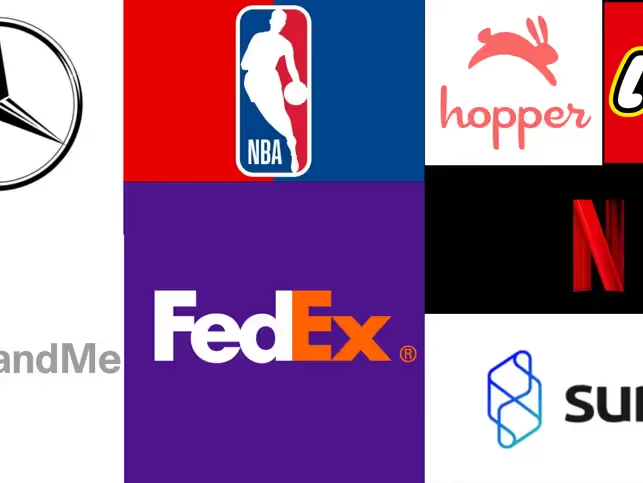
- The Mercedes-Benz three-pointed star is highly economical: a simple geometric symbol carries the identity without needing a complex illustration.
- Mercedes-Benz traces the three points to Gottlieb Daimler's ambition for motorization on land, at sea, and in the air.
- Its long-term consistency shows how a distinctive symbol can accumulate recognition over time.
4. 23andMe
- 23andMe's interlocking forms visually echo genetic structures while keeping the mark approachable rather than clinical.
- The contrasting colors help separate the forms and make the symbol easier to read at a glance.
- It shows how a logo can reference a company's purpose without becoming a literal diagram.
5. Surf Group
- Surf Group's mark uses a compact, symmetrical form that feels suited to a digital-first technology brand.
- The gradient adds depth without making the underlying shape difficult to recognize.
- The clean sans-serif wordmark supports the symbol rather than competing with it, creating a more coherent branding system.

6. FedEx
- The FedEx wordmark is built around a distinctive purple-and-orange color combination rather than the blue and red previously described in this article.
- Its best-known detail is the white arrow formed by the negative space between the "E" and "x," adding a subtle visual reference to movement and delivery.
- It is a useful lesson in restraint: one small device adds meaning without making the logo busy.
7. LEGO
- The LEGO logo does not depict interlocking bricks. Its identity comes from a bold white wordmark with black and yellow contours inside a red field.
- The high-contrast palette and rounded letterforms create a playful look that is easy to spot on packaging.
- Typography and color carry the personality even though the logo is primarily a wordmark.
8. Rolex
- Rolex pairs a crown symbol with a traditional serif wordmark, creating a formal identity that suits its long-standing luxury positioning.
- The crown is distinctive enough to function as a recognizable brand asset without the full company name in every application.
- Consistency between the symbol and typography helps reinforce a premium impression.
9. Google
- Google's wordmark is simple in form but memorable through its distinctive sequence of bright colors.
- Its core visual cues can extend into icons, interfaces, and other digital touchpoints.
- That consistency is a useful example of how a broader visual identity can extend recognition beyond the primary logo.
10. Netflix's Animated N
- Netflix's N symbol reduces the brand to one letter while retaining its signature red, making it compact for screens and app icons.
- Netflix updated its animated ident in 2019, turning the familiar symbol into a moving sequence that introduces original titles.
- It demonstrates how motion can extend a logo without replacing the recognizable core asset.
What These Logos Have in Common
These examples differ in style, but they share clear forms, recognizable cues, and enough flexibility to work across different contexts. A logo is more useful when a consistent identity supports it rather than expecting the mark to carry the entire brand.
If your business is deciding whether its mark needs refinement or a larger identity change, working with a branding agency can help separate a logo problem from a broader brand-system problem.