SEO changed quickly in 2023, but several of the year's biggest themes were less about chasing a new ranking trick and more about improving how content serves people. This retrospective looks at five ideas that shaped search strategy during that period: AI-assisted content, Google's people-first guidance, long-tail search intent, quality over publishing volume, and page experience. For businesses applying those lessons today, a broad SEO strategy still needs to connect useful content with sound technical implementation.

AI-Assisted Content Became a Mainstream SEO Question
Generative AI moved rapidly into everyday content workflows in 2023, which made one question especially important for SEO teams: does Google treat AI-generated text differently from human-written text? Google's February 2023 guidance said that using automation, including AI, is not inherently against its guidelines. The problem is using automation primarily to manipulate search rankings. (Google Search Central)
The practical lesson was not to publish as much AI content as possible. It was to use automation where it genuinely improves the work while keeping accuracy, originality, editing, and audience value under human control. That distinction has aged well: the production method matters less than whether the finished page is helpful and reliable.
People-First Content Moved to the Center of SEO
People-first content was a major SEO discussion in 2023, but it did not begin that year. Google introduced its helpful content system in 2022 and continued emphasizing content created primarily for people rather than pages produced mainly to attract search visits. Its current people-first content guidance asks whether a page serves an intended audience, demonstrates real knowledge, and leaves readers feeling that they learned enough to achieve their goal.
That does not mean following a checklist guarantees higher rankings. Relevance, competition, technical accessibility, links, and many other signals still matter. The useful takeaway is simpler: content should answer the reader's actual question clearly, provide evidence where claims need support, and avoid padding created only to satisfy a perceived SEO formula.
Long-Tail Search Intent Became More Useful Than Keyword Repetition
Long-tail queries are more specific searches that often reveal a clearer task, comparison, problem, or purchase need. They were not new in 2023, but they became increasingly useful as marketers moved away from repeating a single keyword and toward understanding the range of language people use around one topic.
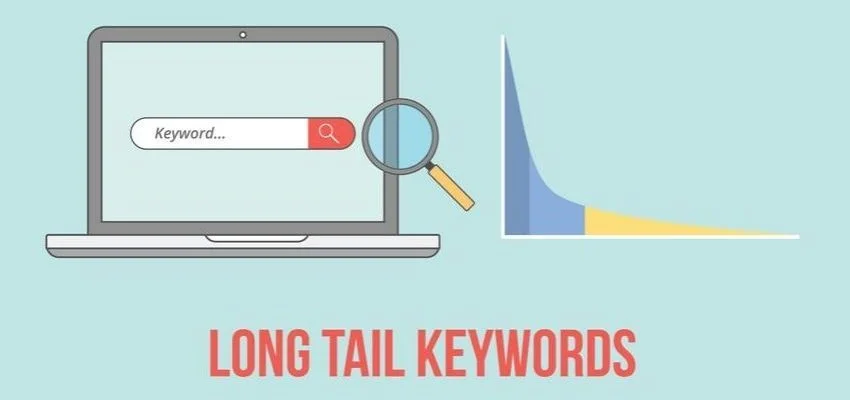
Google's SEO Starter Guide recommends anticipating the terms readers may use without trying to capture every possible wording. A useful keyword research and content strategy process groups related questions by intent, then builds pages that answer the topic comprehensively rather than creating a thin page for every phrase. (Google Search Central)
Quality Over Quantity Became Harder to Ignore
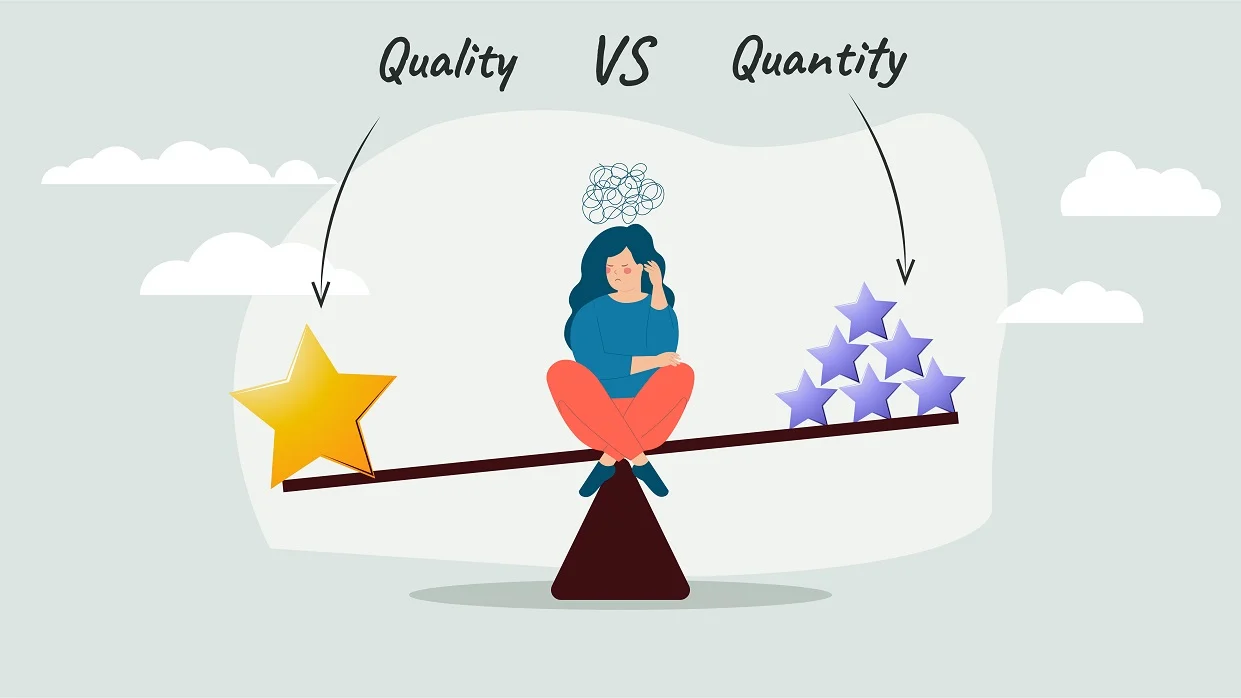
The 2023 conversation around helpful content also challenged the idea that publishing more pages automatically creates stronger SEO. Google does not publish a preferred word count, and its guidance warns against producing large volumes of content mainly because a team hopes some of it will attract search traffic.
Quality does not simply mean making every article longer. A strong page should be accurate, complete enough for its purpose, easy to navigate, and distinctive enough to add something useful rather than restating what already ranks. The right length follows the subject and the reader's task, not an arbitrary SEO target.
Page Experience Became Part of the SEO Conversation
Page experience was another important SEO theme in 2023. Google now describes page experience as a collection of considerations rather than one single ranking signal. Core Web Vitals are used by Google's ranking systems, but strong scores do not guarantee a top position, and useful content can still outrank a faster page when it is more relevant. A clear user experience remains valuable because search performance and visitor satisfaction both depend on people being able to use the page. (Google Search Central)

That work can include improving mobile usability, reducing unnecessary load time, simplifying navigation, and fixing layout instability. On the search side, technical SEO can address crawling, indexing, structured data, and performance issues. Structured data can make eligible pages available for richer search features, while clear meta descriptions can help Google form useful snippets when it chooses to use them. Brand Vision's HTML and meta tag SEO guide covers those implementation details in more depth.
What Still Holds Up From the 2023 SEO Playbook
The strongest lesson from 2023 is not to copy an old trend checklist. It is to connect search intent, useful content, technical accessibility, and a good page experience into one system. AI can support that work, but it does not replace editorial judgment. Keyword research can reveal demand, but it should guide useful pages rather than produce dozens of near-duplicates. For a current implementation framework, Brand Vision's SEO Success guide turns those principles into practical website priorities.
If you are deciding which search issues deserve attention first, Brand Vision can help connect the findings to a focused SEO audit and implementation plan.